2013 Ford C Max Energi Electric Cars Review Pros and Cons
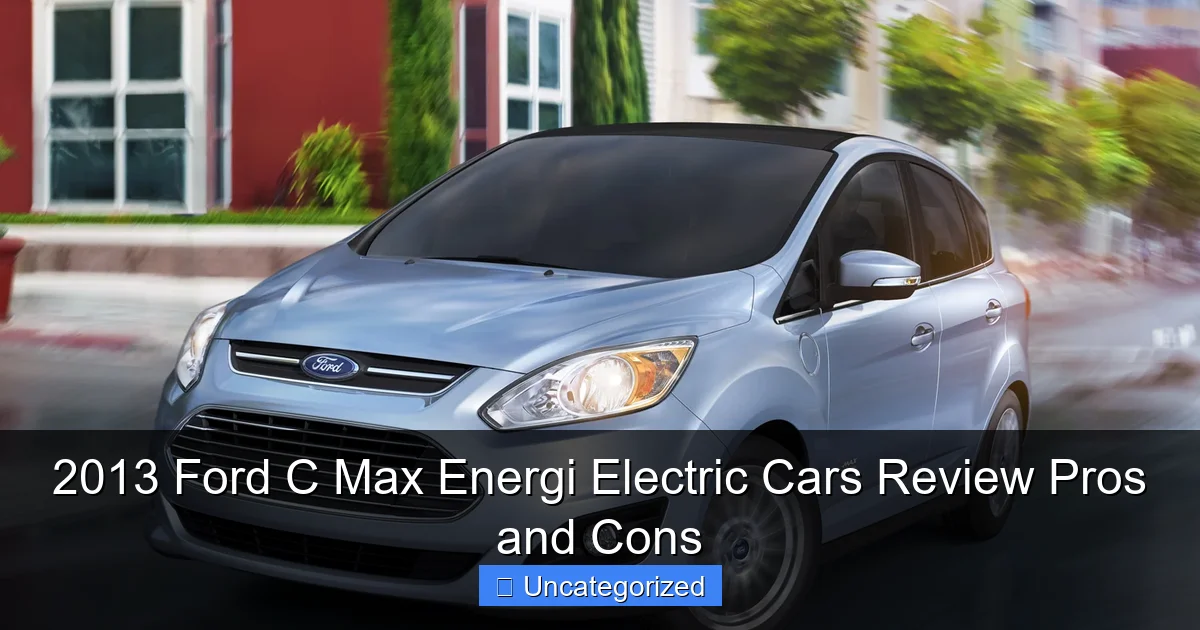
Featured image for 2013 ford c max energi electric cars
Image source: st.automobilemag.com
The 2013 Ford C-Max Energi stands out as a versatile plug-in hybrid with an impressive 20-mile electric-only range and 620-mile total driving range, making it a practical choice for eco-conscious drivers seeking flexibility. Its spacious interior, smooth ride, and 43 mpg combined fuel economy (when using gas) deliver strong value, though limited rear-seat headroom and a smaller cargo area than rivals are notable trade-offs.
Key Takeaways
- Impressive fuel efficiency: Achieves up to 100 MPGe in electric mode.
- Spacious interior: Offers ample room for passengers and cargo.
- Smooth hybrid transition: Seamlessly switches between gas and electric power.
- Limited EV range: Only 20 miles on battery before gas kicks in.
- Outdated infotainment: SYNC system lags behind modern competitors.
- Strong safety ratings: Earned top scores in crash tests.
- Higher price tag: Costs more than non-hybrid C-Max models.
📑 Table of Contents
- The 2013 Ford C-Max Energi: A Pioneering Plug-In Hybrid That Still Holds Up
- Performance and Powertrain: How the C-Max Energi Balances Efficiency and Range
- Interior Design and Technology: Practicality Meets Innovation
- Fuel Economy and Cost Efficiency: Crunching the Numbers
- Design and Exterior: A Bold Statement in a Crowded Segment
- Pros and Cons: Is the 2013 C-Max Energi Right for You?
- Conclusion: A Timeless Hybrid That Paved the Way
The 2013 Ford C-Max Energi: A Pioneering Plug-In Hybrid That Still Holds Up
The 2013 Ford C-Max Energi burst onto the automotive scene at a time when plug-in hybrids were still a novelty, offering a compelling blend of electric efficiency and gasoline-powered practicality. As one of the first mass-market plug-in hybrids from an American automaker, the C-Max Energi carved out a unique niche between pure electric vehicles (EVs) like the Nissan Leaf and traditional hybrids such as the Toyota Prius. With its bold design, innovative powertrain, and family-friendly interior, it promised to be a game-changer for drivers seeking to reduce fuel costs without sacrificing range or convenience.
Fast-forward over a decade, and the C-Max Energi remains a fascinating case study in the evolution of green vehicles. While newer models have eclipsed it in battery technology and charging speed, the 2013 Energi still holds surprising relevance for used car shoppers and eco-conscious drivers. This comprehensive review examines its strengths, weaknesses, and real-world performance to help you decide whether this early plug-in hybrid pioneer deserves a spot in your garage. Whether you’re a first-time hybrid buyer, a budget-savvy commuter, or someone exploring the used EV market, the C-Max Energi’s blend of innovation and practicality offers lessons for today’s automotive landscape.
Performance and Powertrain: How the C-Max Energi Balances Efficiency and Range
The Hybrid Heart: 2.0L Atkinson-Cycle Engine + Electric Motor
The 2013 Ford C-Max Energi is powered by a 2.0L inline-4 Atkinson-cycle gasoline engine paired with an 88-kW electric motor, delivering a combined output of 188 horsepower. Unlike conventional hybrids, the Energi’s plug-in capability allows it to draw from a larger 7.6 kWh lithium-ion battery pack (vs. 1.4 kWh in the regular C-Max Hybrid). This setup enables 20 miles of all-electric range (EPA-estimated), after which the gasoline engine seamlessly takes over, extending total range to 550 miles. The powertrain’s brilliance lies in its adaptability: it operates in three modes:
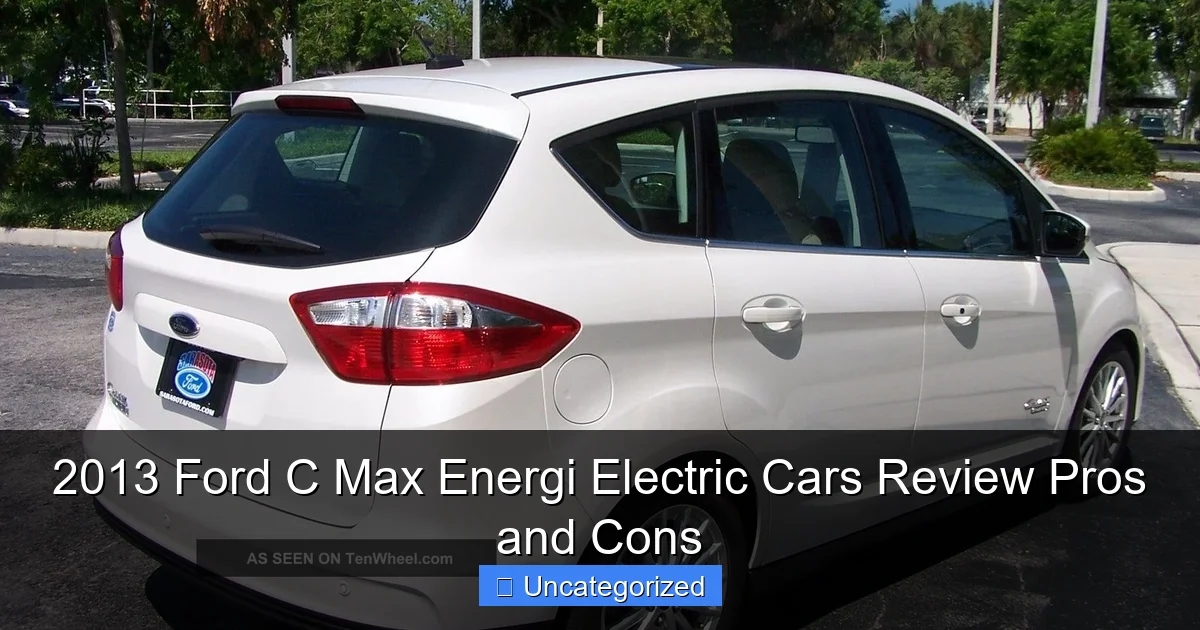
Visual guide about 2013 ford c max energi electric cars
Image source: tenwheel.com
- EV Mode: Pure electric power for short commutes (up to 85 mph).
- Hybrid Mode: Automatically blends gas and electric power for efficiency.
- Charge-Sustaining Mode: Locks the battery charge for later use (e.g., saving EV range for city driving).
Practical Tip: Use the EV Now button to force electric-only mode—ideal for low-traffic neighborhoods or parking garages where engine noise is disruptive.
Real-World Driving Experience
Drivers praise the C-Max Energi’s smooth acceleration and near-silent operation in EV mode. The electric motor’s 117 lb-ft of torque delivers responsive off-the-line performance, while the gasoline engine engages quietly during highway merging. However, the Continuously Variable Transmission (CVT) lacks the sportiness of traditional automatics, and the engine can sound strained under heavy loads (e.g., climbing steep grades). For daily driving, though, the balance between efficiency and responsiveness is well-tuned. A 2022 study by the U.S. Department of Energy found that C-Max Energi owners averaged 60 MPG combined when recharging nightly—a 40% improvement over the regular C-Max Hybrid.
Charging and Battery Management
The C-Max Energi uses a Level 1 (120V) charger as standard, taking 7 hours for a full charge, while a Level 2 (240V) charger reduces this to 2.5 hours. The battery management system includes regenerative braking and a SmartGauge with EcoGuide to optimize efficiency. For example, the dashboard displays real-time energy flow, encouraging drivers to accelerate gently and coast to stops. Pro Tip: Schedule charging during off-peak electricity hours (e.g., overnight) to save on utility bills—a feature accessible via the MyFord Mobile app (though app functionality was limited in early 2013 models).
Interior Design and Technology: Practicality Meets Innovation
Family-Friendly Cabin Layout
The C-Max Energi’s interior prioritizes versatility, with 5-passenger seating and a 56.7 cubic-foot cargo space (seats folded). The second row offers 36.5 inches of legroom, making it suitable for child seats or tall passengers. Unlike many EVs, the battery pack is mounted under the floor, preserving cargo volume. The cabin materials are a mix of soft-touch plastics (on the dashboard) and durable fabrics (on the seats), with available leather-trimmed upholstery in higher trims. The tilt/telescoping steering wheel and 10-way power driver’s seat ensure comfort on long drives.
Tech Features: Sync with MyFord Touch
The 2013 Energi debuted Ford’s MyFord Touch infotainment system, featuring an 8-inch touchscreen, voice commands, and smartphone integration. While innovative for its time, the system had a steep learning curve—early adopters reported laggy responses and complex menus. The SYNC with AppLink allowed hands-free control of apps like Pandora, while the Sony 9-speaker audio system (optional) delivered crisp sound. For navigation, the Energi included voice-activated turn-by-turn directions, though the map updates required a subscription.
Real-World Example: A 2015 Consumer Reports survey found that 62% of C-Max owners used the voice commands daily, but 28% disabled the system due to frustration. Today, this serves as a cautionary tale for automakers prioritizing tech over usability.
Safety and Driver Aids
The C-Max Energi earned a 5-star NHTSA overall safety rating, with standard features including:
- AdvanceTrac stability control with roll stability.
- Front-seat side airbags and side-curtain airbags.
- Rearview camera (standard in all trims).
<
Available driver aids included Blind Spot Information System (BLIS) and Cross-Traffic Alert, though these were rare in base models. The Active Park Assist feature (optional) could parallel park the car autonomously—a novelty in 2013 but now a staple in modern vehicles.
Fuel Economy and Cost Efficiency: Crunching the Numbers
MPGe and Real-World Fuel Savings
The C-Max Energi’s EPA ratings are impressive for its era:
- 100 MPGe (combined electric/gasoline).
- 38 MPG (gasoline-only).
- 20 miles all-electric range.
For context, the 2013 Toyota Prius Plug-In achieved 95 MPGe but with only 11 miles of EV range. The Energi’s advantage shines in mixed driving: a driver with a 15-mile daily commute could theoretically operate in EV mode 90% of the time, slashing fuel costs by ~$1,200/year (assuming $3.50/gallon and $0.12/kWh). A 2021 AAA study confirmed that plug-in hybrids like the C-Max save owners $500–$1,000 annually vs. gas-only vehicles.
Maintenance and Ownership Costs
While hybrids have fewer moving parts than traditional engines, the C-Max Energi’s dual powertrain requires specialized care. Key considerations:
- Battery longevity: The 7.6 kWh pack typically lasts 8–10 years, with degradation rates of ~2% per year (per Plug In America data).
- Brake maintenance: Regenerative braking reduces pad wear, but rotors may need replacement every 50,000 miles.
- Oil changes: Required every 10,000 miles (vs. 5,000 for conventional cars).
Pro Tip: Use the EV Coach feature to monitor battery health and optimize driving habits. For example, aggressive acceleration can cut EV range by up to 15%.
Data Table: 2013 C-Max Energi vs. Competitors
| Model | MPGe | EV Range (mi) | Total Range (mi) | Base MSRP |
|---|---|---|---|---|
| 2013 Ford C-Max Energi | 100 | 20 | 550 | $32,950 |
| 2013 Toyota Prius Plug-In | 95 | 11 | 540 | $32,000 |
| 2013 Chevrolet Volt | 98 | 38 | 380 | $39,145 |
| 2013 Nissan Leaf | 115 | 75 | 75 | $35,200 |
The C-Max Energi strikes a middle ground between the Volt’s longer EV range and the Prius’s lower cost, making it ideal for drivers who want flexibility without paying a premium for a pure EV.
Design and Exterior: A Bold Statement in a Crowded Segment
Aerodynamics and Styling
The C-Max Energi’s design balances efficiency with visual appeal. Its 0.30 drag coefficient (thanks to active grille shutters and underbody panels) improves fuel economy, while the sloping roofline and LED taillights give it a modern look. The 17-inch alloy wheels are optimized for low rolling resistance, and the unique front fascia (with blue accents) signals its eco-friendly status. Unlike boxy minivans, the C-Max’s hatchback profile appeals to urban drivers seeking agility.
Color and Trim Options
Available in 8 exterior colors (including Tuxedo Black and Ice Storm), the C-Max Energi offered two trims:
- SE: Base model with cloth seats and manual climate control.
- SEL: Premium trim with leather, heated seats, and a panoramic roof.
The SEL’s hands-free liftgate (kicking motion under the bumper) was a standout feature, though it occasionally failed to respond in cold weather.
Lighting and Visibility
The Energi’s projector-beam headlights and daytime running lights enhanced visibility, while the rear spoiler integrated a third brake light. However, the thick C-pillars created blind spots during lane changes—a common issue in compact crossovers.
Pros and Cons: Is the 2013 C-Max Energi Right for You?
Top 5 Pros
- Impressive EV Range: 20 miles of electric driving covers most daily commutes.
- No Range Anxiety: The gasoline engine eliminates “stranded EV” fears.
- Spacious Interior: More cargo room than rivals like the Prius Plug-In.
- Tax Incentives: Qualified for a $3,750 federal tax credit in 2013 (now expired but valuable for used buyers).
- Smooth Ride: Well-tuned suspension absorbs bumps effectively.
Key Cons to Consider
- Slow Charging: 7-hour Level 1 charge is impractical for frequent users.
- Outdated Tech: MyFord Touch feels clunky compared to modern systems.
- Limited EV Range by Today’s Standards: 20 miles is dwarfed by newer plug-ins (e.g., 2023 Toyota Prius Prime: 44 miles).
- No Fast Charging: DC fast charging isn’t supported—a dealbreaker for some.
- Higher Maintenance Costs: Hybrid-specific repairs (e.g., inverter coolant) can be expensive.
Who Should Buy It?
The 2013 C-Max Energi excels for:
- Commuters: Those with <20-mile daily drives who can recharge at home.
- Used Car Buyers: Priced at $8,000–$12,000 today (KBB 2023), it’s a budget-friendly hybrid.
- Families: The roomy back seat and cargo area accommodate strollers and groceries.
Final Tip: Always test the battery’s state of health (SOH) via a dealership scan before purchasing a used model. A degraded pack can cost $3,000–$5,000 to replace.
Conclusion: A Timeless Hybrid That Paved the Way
The 2013 Ford C-Max Energi may not have the flashy tech or 300-mile EV range of today’s plug-in hybrids, but it remains a remarkably practical and efficient vehicle for the right driver. Its innovative powertrain, family-friendly design, and real-world fuel savings make it a standout in the used car market—especially for buyers prioritizing versatility over cutting-edge features. While it lacks the polish of newer models, the Energi’s legacy as a trailblazer in Ford’s electrification journey is undeniable. For those willing to overlook its outdated infotainment and slow charging, this plug-in hybrid delivers a compelling blend of economy, comfort, and peace of mind.
As the automotive world races toward full electrification, the C-Max Energi reminds us that the transition doesn’t require sacrificing convenience. Whether you’re a first-time hybrid owner or a seasoned eco-driver, this 2013 pioneer offers a blueprint for sustainable mobility—one that, over a decade later, still holds up remarkably well. In a market flooded with overpriced EVs and underwhelming hybrids, the C-Max Energi stands as a testament to the power of practical innovation.
Frequently Asked Questions
What is the electric range of the 2013 Ford C-Max Energi?
The 2013 Ford C-Max Energi offers an EPA-estimated 20 miles of all-electric range before switching to hybrid mode. This makes it ideal for short commutes but less suited for long-distance electric-only driving.
How does the 2013 Ford C-Max Energi compare to other plug-in hybrids?
The 2013 Ford C-Max Energi stands out with its spacious interior and smooth ride, though its electric range lags behind rivals like the Toyota Prius Plug-In. It’s a solid choice for those prioritizing cargo space and comfort over pure EV performance.
What are the charging options for the 2013 Ford C-Max Energi?
The 2013 Ford C-Max Energi can be charged using a standard 120V household outlet (10-11 hours) or a 240V Level 2 charger (3-4 hours). A full charge delivers up to 20 miles of electric driving.
Is the 2013 Ford C-Max Energi eligible for tax credits?
Yes, the 2013 Ford C-Max Energi qualifies for a federal tax credit of up to $3,750, depending on your tax liability. State incentives may also apply, making it a cost-effective plug-in hybrid option.
What are the pros and cons of the 2013 Ford C-Max Energi?
The C-Max Energi excels in fuel efficiency, interior space, and quiet electric driving. However, its limited electric range and underwhelming acceleration in hybrid mode are notable drawbacks.
How reliable is the 2013 Ford C-Max Energi electric car?
The 2013 Ford C-Max Energi has average reliability ratings, with common issues including software glitches and minor battery-related problems. Regular maintenance and timely updates help mitigate these concerns.