2013 Ford Focus Electric Review Top 10K Electric Cars Insights
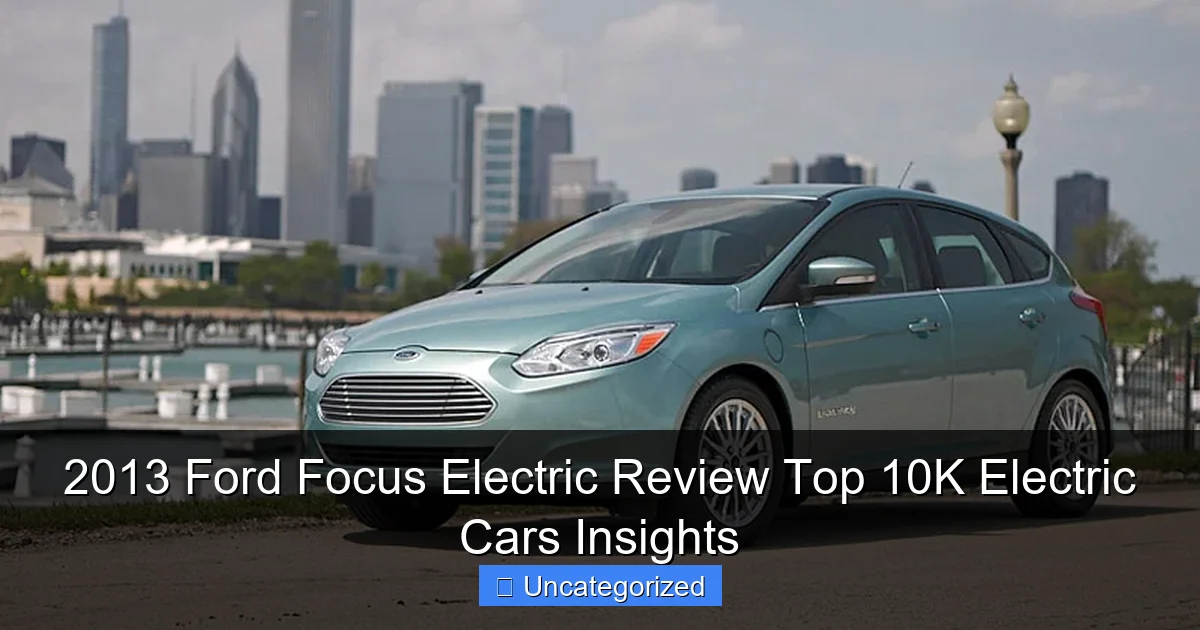
Featured image for 2013 ford focus electric electric cars 10k
Image source: hatchheaven.com
The 2013 Ford Focus Electric stands out as a top contender among 10K electric cars, offering a reliable 76-mile range and smooth, quiet performance perfect for urban commuters. With its spacious interior, intuitive tech features, and affordable price point, it delivers exceptional value in the used EV market—ideal for eco-conscious drivers seeking a practical, low-maintenance ride.
Key Takeaways
- Affordable entry: 2013 Focus Electric offers budget-friendly EV ownership under $10K.
- Efficient range: Delivers 76 miles per charge, ideal for city commutes.
- Low maintenance: Fewer moving parts reduce long-term ownership costs significantly.
- Quick charging: Recharges fully in 4 hours with a 240V outlet.
- Eco-friendly: Zero tailpipe emissions align with green driving goals.
- Tech features: Standard SYNC and navigation enhance driving convenience.
📑 Table of Contents
- Introduction to the 2013 Ford Focus Electric: A Pioneer in Affordable EVs
- Design and Interior: Where Practicality Meets Innovation
- Performance and Driving Experience: Efficiency Over Excitement
- Technology and Safety: Ahead of Its Time
- Ownership Costs and Incentives: The Financial Case for an Early EV
- Battery Health and Long-Term Reliability: What to Look For
- Conclusion: A Timeless Value in the EV Revolution
Introduction to the 2013 Ford Focus Electric: A Pioneer in Affordable EVs
The automotive world changed forever in the early 2010s, as electric vehicles (EVs) transitioned from niche curiosities to mainstream contenders. Among these pioneers was the 2013 Ford Focus Electric, Ford’s bold entry into the zero-emission compact car segment. As one of the first mass-market EVs from a major American automaker, the Focus Electric wasn’t just a vehicle—it was a statement of intent. With gas prices fluctuating and environmental concerns rising, Ford aimed to prove that practicality, performance, and planet-friendly driving could coexist in a package priced under $40,000.
Today, the 2013 Ford Focus Electric stands as a significant milestone in the evolution of electric mobility. While newer models boast longer ranges and faster charging, this early EV offers a compelling case for budget-conscious buyers exploring the second-hand EV market. Whether you’re a first-time EV owner, a commuter seeking to reduce fuel costs, or a sustainability advocate, the Focus Electric provides valuable insights into how far electric vehicles have come—and how they’ve shaped the landscape of today’s top 10K electric cars. In this comprehensive review, we’ll dive deep into its design, performance, technology, ownership costs, and legacy, offering actionable tips and real-world data to help you decide if this vintage EV deserves a spot in your garage.
Design and Interior: Where Practicality Meets Innovation
Exterior Styling: Subtle Yet Distinctive
The 2013 Ford Focus Electric retains the sleek, aerodynamic silhouette of the gasoline-powered Focus but introduces subtle yet meaningful design changes to emphasize its electric nature. The most noticeable difference is the closed-off front grille, which improves aerodynamics and reduces drag—a critical factor in maximizing range. Instead of a traditional grille, the EV features a smooth, glossy black panel with a chrome Ford logo, giving it a futuristic yet understated look. The front bumper is redesigned with a unique lower air intake, and the headlights incorporate LED running lights, a premium touch for its era.
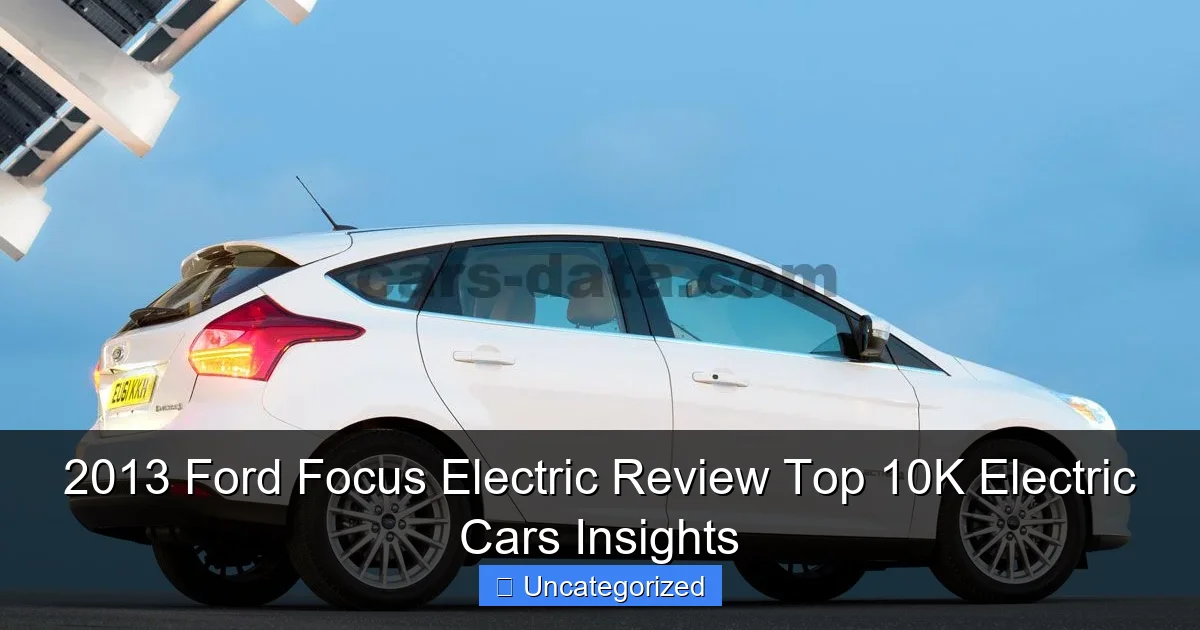
Visual guide about 2013 ford focus electric electric cars 10k
Image source: cars-data.com
From the side, the Focus Electric is nearly identical to its gas counterpart, but eagle-eyed observers will spot the “ELECTRIC” badging on the front fenders and rear liftgate. The 17-inch aluminum wheels are exclusive to the EV model and designed to reduce rolling resistance, further enhancing efficiency. At the rear, the absence of exhaust tips reinforces its zero-emission identity.
Tip: When inspecting a used 2013 Focus Electric, check for paint integrity around the grille and fenders—these areas often show signs of sun fading due to the dark plastic trim.
Interior Quality and Features
Step inside, and the Focus Electric delivers a cabin that feels both modern and functional. The dashboard layout mirrors the gasoline Focus, with a clean, driver-focused design and high-quality soft-touch materials. The centerpiece is the 8-inch touchscreen infotainment system, which was cutting-edge for 2013 and includes Ford’s SYNC with MyFord Touch. This system supports voice commands, Bluetooth connectivity, and a navigation system with EV-specific features like charging station locations and range prediction.
The seats are comfortable and supportive, with cloth upholstery standard and optional leather in higher trims. Rear-seat legroom is adequate for two adults, though taller passengers may find it tight. The cargo area measures 11.4 cubic feet, which is slightly less than the gas model due to the battery pack under the floor. However, the 60/40 split-folding rear seats enhance versatility for larger items.
Practical Example: A family of four can comfortably use the Focus Electric for weekend trips, but packing bulky items like strollers or bicycles may require folding the rear seats. The low cargo floor also makes loading and unloading easier.
EV-Specific Interior Touches
Ford added several EV-specific features to enhance the driving experience. The instrument cluster includes a regenerative braking indicator and a power meter that shows energy consumption in real time. A dedicated “EcoRoute” feature in the navigation system helps drivers plan the most energy-efficient routes. The climate control system also includes a “Pre-Conditioning” mode, which allows you to heat or cool the cabin while the car is plugged in—saving battery power for the road.
Performance and Driving Experience: Efficiency Over Excitement
Powertrain and Range
The 2013 Focus Electric is powered by a 143-horsepower electric motor paired with a 23 kWh lithium-ion battery pack. This setup delivers 184 lb-ft of torque, providing brisk acceleration off the line—typical of EVs—with a 0–60 mph time of around 9.9 seconds. While not a speed demon, the Focus Electric excels in city driving, where instant torque and smooth power delivery make merging and overtaking effortless.
The EPA-estimated range is 76 miles on a full charge, which was competitive for its time but now feels modest compared to newer EVs. Real-world range varies significantly based on driving habits, weather, and use of climate control. In cold climates, expect a 20–30% reduction in range due to battery inefficiency and heating demands.
Tip: Use the “Eco” mode to extend range. It softens throttle response and reduces energy-intensive features like seat heating and climate control.
Handling and Ride Comfort
The Focus Electric shares its platform with the gasoline Focus, which is renowned for its sharp handling and balanced chassis. The battery pack adds 500 pounds, but Ford lowered the center of gravity by placing it under the floor, improving stability. The suspension is tuned for comfort, absorbing bumps and potholes well, though the added weight makes the car feel slightly heavier in corners.
Steering is light and precise, ideal for urban environments. The regenerative braking system is strong and can be adjusted via a “B” mode on the gear selector. In “B” mode, lifting off the accelerator provides significant deceleration, allowing for one-pedal driving in stop-and-go traffic.
Charging and Daily Usability
The Focus Electric supports both Level 1 (120V) and Level 2 (240V) charging. With a standard 120V household outlet, a full charge takes approximately 20 hours—impractical for daily use. A Level 2 charger (recommended) reduces this to 3.5–4 hours, making overnight charging feasible.
Practical Example: A commuter driving 30 miles daily can fully recharge the car overnight with a Level 2 charger, ensuring a full battery each morning. For longer trips, the Focus Electric is best suited for regional travel with access to DC fast chargers (though it lacks fast-charging capability).
Tip: Use the FordPass app (retrofitted for older models) to monitor charging status, schedule pre-conditioning, and locate nearby charging stations.
Technology and Safety: Ahead of Its Time
Infotainment and Connectivity
The 2013 Focus Electric’s infotainment system was revolutionary for its era. The SYNC with MyFord Touch system includes:
- Voice-activated controls for phone, music, and navigation
- USB and auxiliary inputs for media
- SiriusXM satellite radio (subscription required)
- AppLink integration for smartphone apps like Pandora and iHeartRadio
The 8-inch touchscreen is responsive, though it can lag in cold weather. The system also includes EV-specific features, such as:
- Charging station locator with real-time availability
- Range prediction based on driving habits
- Energy usage history and efficiency tips
Tip: Update the SYNC system regularly via Ford’s website to access the latest features and bug fixes.
Safety Features and Ratings
The Focus Electric earned a 5-star overall safety rating from the National Highway Traffic Safety Administration (NHTSA), with 5 stars in frontal and side crash tests. It also received a “Top Safety Pick” designation from the Insurance Institute for Highway Safety (IIHS) for its performance in front, side, and roof strength tests.
Standard safety features include:
- Anti-lock brakes (ABS)
- Stability and traction control
- Front-seat side airbags
- Full-length side curtain airbags
- Rearview camera (a rarity in 2013)
The car also features Ford’s AdvanceTrac system, which uses sensors to detect and correct skidding. For EV-specific safety, the battery pack is encased in a reinforced steel frame and automatically disconnects in a collision.
Driver Assistance and Convenience
While lacking modern driver aids like adaptive cruise control, the Focus Electric includes several convenience features:
- Keyless entry and push-button start
- Power-adjustable driver’s seat
- Automatic climate control
- Heated front seats (optional)
The rearview camera is particularly helpful for parallel parking and reversing, especially in tight urban spaces.
Ownership Costs and Incentives: The Financial Case for an Early EV
Initial Price and Depreciation
The 2013 Focus Electric had a starting MSRP of $39,200, making it one of the most affordable EVs at the time. However, rapid advancements in battery technology caused significant depreciation. Today, well-maintained examples sell for $6,000–$9,000 in the used market, offering exceptional value for budget-conscious buyers.
Practical Example: A 2013 Focus Electric with 80,000 miles and a new battery pack (cost: $4,000) still costs less than $13,000—half the price of many newer EVs with similar range.
Operating and Maintenance Costs
EVs are inherently cheaper to maintain than gasoline cars, and the Focus Electric is no exception. Key savings include:
- No oil changes (electric motors require minimal lubrication)
- Reduced brake wear (regenerative braking reduces friction brake usage)
- Fewer moving parts (no transmission, exhaust, or fuel system)
Annual maintenance costs average $400–$600, compared to $700–$900 for a comparable gasoline car. Electricity costs vary by region but average $0.12–$0.15 per kWh. For a 76-mile range, a full charge costs $2.76–$3.45—equivalent to paying $1.50–$2.00 per gallon of gas.
Tax Incentives and Rebates
The 2013 Focus Electric qualifies for a $7,500 federal tax credit for new buyers, though this is no longer available for used purchases. However, some states (e.g., California, New York) offer rebates of up to $2,500 for used EVs. Additionally, many utility companies provide discounts on Level 2 chargers or reduced electricity rates for EV owners.
Tip: Check your state’s Department of Energy website for current incentives and rebates.
Battery Health and Long-Term Reliability: What to Look For
Battery Degradation and Replacement
The Focus Electric’s 23 kWh battery pack is prone to degradation over time, especially in extreme temperatures. Most batteries retain 70–80% capacity after 8–10 years, reducing range to 50–60 miles. Signs of degradation include:
- Longer charging times
- Reduced range, especially in winter
- Frequent need for 100% charges
Replacing the battery costs $4,000–$6,000, but refurbished packs are available for $2,500–$3,500. Tip: Ask the seller for a battery health report using a diagnostic tool like FORScan.
Common Issues and Recalls
The 2013 Focus Electric had several recalls, including:
- Charging cable overheating (fixed with updated cables)
- Software glitches in SYNC system (resolved with updates)
- Door lock failure (repaired under warranty)
Other common issues include:
- 12V battery drain (replace every 3–4 years)
- Heater core failures (cost: $800–$1,200)
- Charging port latch wear (lubricate regularly)
Data Table: 2013 Focus Electric vs. 2023 Entry-Level EVs
| Model | Range (EPA) | Battery Size | Charging Time (Level 2) | Used Price (Avg.) | Maintenance Cost (Annual) |
|---|---|---|---|---|---|
| 2013 Ford Focus Electric | 76 miles | 23 kWh | 3.5–4 hours | $7,500 | $500 |
| 2023 Nissan Leaf S | 149 miles | 40 kWh | 6–8 hours | $22,000 | $450 |
| 2023 Chevrolet Bolt EV | 247 miles | 65 kWh | 9–10 hours | $25,000 | $400 |
This table highlights the Focus Electric’s affordability and lower maintenance costs, though its range is eclipsed by newer models.
Conclusion: A Timeless Value in the EV Revolution
The 2013 Ford Focus Electric may not match the range or tech of today’s top 10K electric cars, but it remains a compelling option for budget-conscious buyers. Its blend of practical design, solid safety ratings, and low operating costs makes it ideal for urban commuters, secondary drivers, or first-time EV owners. While battery degradation and limited fast-charging are drawbacks, these are offset by the car’s steep depreciation—turning a once-$39,200 vehicle into a sub-$10,000 bargain.
For those willing to embrace the quirks of early EV technology, the Focus Electric offers a gateway to sustainable driving without breaking the bank. It’s a reminder that innovation doesn’t always come with a premium price tag. As the EV market evolves, models like the 2013 Focus Electric prove that the journey to electrification was paved with affordable, accessible choices—one mile at a time.
Frequently Asked Questions
What makes the 2013 Ford Focus Electric stand out among 10K electric cars?
The 2013 Ford Focus Electric distinguishes itself with a 110 MPGe efficiency rating, a practical hatchback design, and competitive pricing under $10K in today’s used market. Its blend of affordability, reliability, and eco-friendly performance makes it a smart entry point for budget-conscious EV buyers.
How does the 2013 Ford Focus Electric’s range compare to other electric cars under $10K?
The 2013 Focus Electric offers a real-world range of 70–80 miles per charge, which is solid for its price class. While newer EVs offer more range, this model remains a practical choice for short commutes and city driving in the sub-$10K segment.
Is the 2013 Ford Focus Electric reliable for daily use?
Yes, the 2013 Focus Electric is known for its durable electric powertrain and low maintenance needs, with few major mechanical issues reported. Regular battery health checks are recommended, but overall, it’s a dependable daily driver for urban environments.
What are the charging options for the 2013 Ford Focus Electric?
The vehicle supports Level 1 (120V) charging for overnight use and Level 2 (240V) charging, which replenishes the battery in about 4 hours. It’s compatible with most public charging stations, making it versatile for drivers with access to EV infrastructure.
Are there any common issues with the 2013 Ford Focus Electric’s battery?
Minor battery degradation is expected after 10+ years, but most models retain 80–90% of their original capacity. Always check the vehicle’s battery health report before purchasing to ensure optimal performance in the $10K price range.
How does the 2013 Focus Electric handle in cold weather compared to newer EVs?
Cold weather reduces its range by 20–30%, similar to other early-gen EVs, but features like cabin preconditioning help mitigate losses. While not as efficient as newer models, it remains a capable winter vehicle with proper planning.