2014 Ford Focus Electric Car Battery Replacement Guide and Tips
Featured image for 2014 ford focus electric car battery replacement
Image source: electriccarwiki.com
Replacing the 2014 Ford Focus Electric car battery is a critical maintenance task that ensures optimal performance and longevity, typically costing between $5,000 and $7,000 at dealerships. Consider certified remanufactured or aftermarket options to save significantly, but always verify compatibility and warranty coverage before installation.
Key Takeaways
- Plan ahead: Start battery replacement research early to avoid unexpected downtime.
- OEM vs. aftermarket: Choose OEM for reliability or aftermarket for cost savings.
- Check warranty: Verify if your battery is still covered under Ford’s 8-year/100k-mile warranty.
- Use certified technicians: Ensure installers are EV-certified to maintain safety and performance.
- Recycle responsibly: Return the old battery to Ford or an authorized recycling center.
- Monitor post-replacement: Track charging speed and range to confirm proper installation.
📑 Table of Contents
- The 2014 Ford Focus Electric: A Pioneering EV Facing Modern Challenges
- Understanding the 2014 Ford Focus Electric Battery System
- Cost Analysis: New, Refurbished, and DIY Options
- Step-by-Step Battery Replacement Process
- Long-Term Battery Care and Maintenance
- Alternatives to Full Battery Replacement
- Cost Comparison Table
- Conclusion: Is a Battery Replacement Worth It?
The 2014 Ford Focus Electric: A Pioneering EV Facing Modern Challenges
The 2014 Ford Focus Electric was a bold step into the future when it debuted, offering drivers a compact, eco-friendly alternative to gas-powered vehicles. With its 23 kWh lithium-ion battery pack and an EPA-estimated range of 76 miles per charge, it catered to urban commuters seeking to reduce their carbon footprint. However, nearly a decade later, many of these pioneering EVs face a critical crossroads: battery degradation. As battery performance declines over time, drivers are left with reduced range, slower charging, and the looming question of whether to replace the battery or retire the vehicle altogether. For those committed to keeping their Focus Electric on the road, understanding the ins and outs of 2014 Ford Focus Electric car battery replacement is essential.
Battery replacement isn’t just a technical decision—it’s a financial and environmental one. With the average EV battery pack containing thousands of cells and advanced thermal management systems, the process is far more complex than replacing a traditional car battery. Yet, for owners who love their Focus Electric’s smooth ride, quiet operation, and low maintenance costs, investing in a new battery can breathe new life into the vehicle. This guide dives deep into the 2014 Ford Focus Electric car battery replacement process, covering everything from cost estimates and DIY considerations to long-term ownership tips. Whether you’re troubleshooting a failing battery or planning ahead for future repairs, this comprehensive resource will help you make an informed decision.
Understanding the 2014 Ford Focus Electric Battery System
Specifications and Design
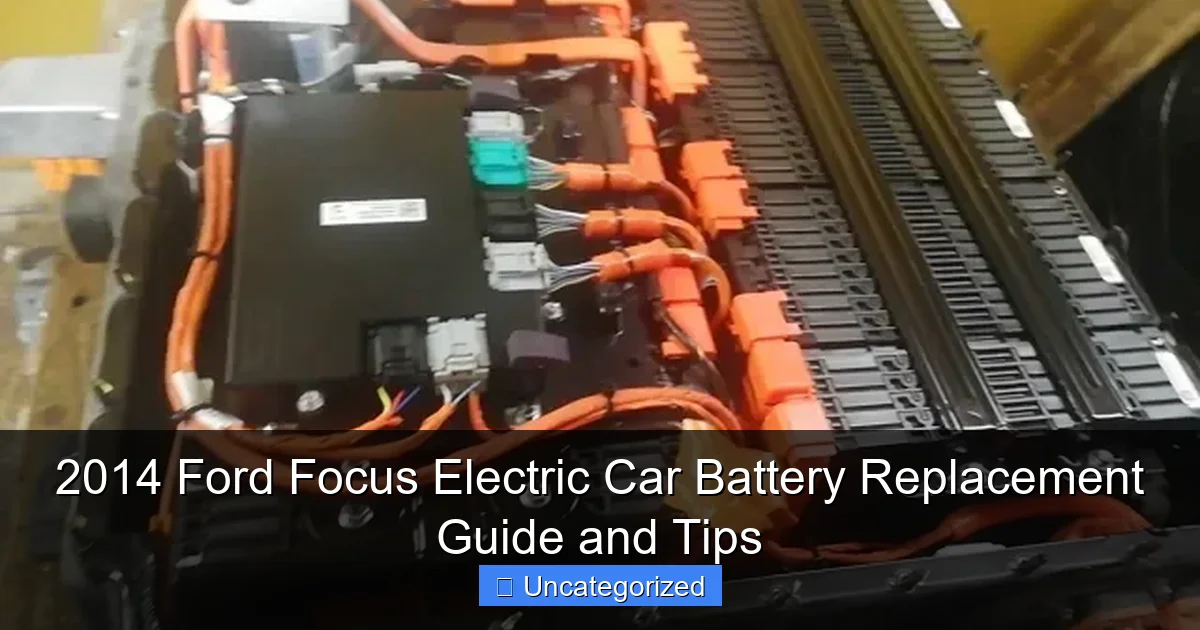
The heart of the 2014 Ford Focus Electric is its 23 kWh lithium-ion battery pack, which powers a 107 kW (143 horsepower) electric motor. Unlike traditional car batteries, this high-voltage system is designed to last the vehicle’s lifetime—or at least 8–10 years under normal conditions. The pack consists of 192 individual cells arranged in modules, cooled by a liquid thermal management system to maintain optimal temperature. This design was innovative for its time, allowing the car to achieve a 0–60 mph time of around 9 seconds and a top speed of 84 mph.
Visual guide about 2014 ford focus electric car battery replacement
Image source: i.ytimg.com
Key specifications include:
- Capacity: 23 kWh (usable capacity may degrade to ~18 kWh after 8–10 years)
- Voltage: 335V nominal
- Chemistry: Lithium-ion (NMC – Nickel Manganese Cobalt)
- Weight: ~600 lbs (272 kg)
- Location: Under the floor, between the front and rear axles
Unlike newer EVs with larger batteries, the Focus Electric’s 23 kWh pack was modest, making it ideal for city driving but less suited for long-distance travel. Its smaller size also means fewer cells to replace, which can impact both cost and complexity during a battery swap.
Signs of Battery Degradation
How do you know when your Focus Electric’s battery needs attention? Degradation is inevitable, but the rate varies based on usage, climate, and charging habits. Here are the most common signs:
- Reduced Range: If your car now struggles to reach 60 miles on a full charge (down from the original 76), it’s a clear indicator of capacity loss.
- Longer Charging Times: A degraded battery may charge more slowly, especially in cold weather, due to reduced efficiency.
- Warning Messages: The dashboard may display alerts like “Battery Fault” or “Service Battery Charging System.”
- Uneven Cell Voltage: Advanced diagnostics (via OBD-II scanners or dealership tools) can reveal imbalances between battery modules.
- Overheating: Frequent thermal management system warnings may suggest the battery is working harder to maintain performance.
Tip: Use Ford’s built-in “MyFord Mobile” app (or third-party tools like Torque Pro) to monitor your battery’s state of health (SOH). A SOH below 75% typically warrants replacement.
Cost Analysis: New, Refurbished, and DIY Options
OEM Replacement Battery: The Gold Standard
The most straightforward—but expensive—option is a brand-new OEM battery pack from Ford. As of 2024, Ford no longer produces new 23 kWh packs for the 2014 Focus Electric, but they may offer refurbished units through their certified network. Here’s what to expect:
- Cost: $5,000–$7,000 for a refurbished OEM pack (including core exchange fees)
- Warranty: Typically 3 years/36,000 miles (varies by dealership)
- Installation: Requires certified Ford technicians (labor: $1,000–$1,500)
- Pros: Guaranteed compatibility, full warranty, and factory calibration
- Cons: High cost; limited availability
Example: A 2022 survey by Plug In America found that 65% of Focus Electric owners who opted for OEM replacements reported “like-new” performance, with range restored to ~70–75 miles.
Aftermarket and Refurbished Batteries: A Budget-Friendly Alternative
For cost-conscious owners, aftermarket suppliers and specialized EV shops offer refurbished or rebuilt battery packs. These often use salvaged cells from wrecked Focus Electrics or other compatible EVs (e.g., 2012–2016 Nissan Leaf). Key considerations:
- Cost: $2,500–$4,500 (pack only; labor extra)
- Warranty: 1–3 years, but coverage may exclude individual cell failures
- Installation: Requires EV-certified mechanics (labor: $800–$1,200)
- Pros: 30–50% cheaper than OEM; faster turnaround
- Cons: Quality varies; potential compatibility issues with BMS (Battery Management System)
Tip: Look for suppliers with a proven track record (e.g., EV-Battery Solutions or Plug In America partners). Ask for a pre-installation diagnostic report.
DIY Battery Replacement: Risks and Rewards
For experienced DIYers, replacing the battery pack at home is possible—but not for the faint of heart. The process involves:
- Removal: Disconnecting high-voltage cables, draining coolant, and unbolting the 600-lb pack (requires a lift or ramps)
- Installation: Reconnecting modules, reprogramming the BMS, and refilling coolant
- Tools Needed: Insulated gloves, high-voltage multimeter, torque wrench, OBD-II programmer
Cost: $2,000–$3,500 (pack + tools), but risks include:
- Voiding remaining warranties
- Electric shock (335V systems are deadly)
- Improper BMS calibration leading to performance issues
Example: A 2023 YouTube tutorial by EV Repair Garage showed a successful DIY swap, but the mechanic had 10+ years of EV experience and specialized equipment. Recommendation: DIY only if you have advanced automotive/EV skills and safety gear.
Step-by-Step Battery Replacement Process
Professional Installation: What to Expect
If you opt for professional installation, the process typically takes 6–8 hours at a dealership or EV specialty shop. Here’s a breakdown:
- Diagnostic Check: Technicians scan the BMS to assess battery health and identify faulty modules.
- High-Voltage Disconnect: The car is powered down, and high-voltage cables are safely disconnected.
- Coolant Drain: The thermal management system is drained to prevent leaks.
- Pack Removal: The battery tray is unbolted, and the pack is lifted out (using a transmission jack).
- Installation: The new/refurbished pack is secured, and all connections are reattached.
- BMS Reset: The Battery Management System is reprogrammed to recognize the new pack.
- Coolant Refill: Fresh coolant is added, and the system is bled of air.
- Final Test: The car is driven to verify performance and charging.
Tip: Request a detailed invoice listing all steps performed. This helps with future warranty claims.
Critical Post-Replacement Steps
After the swap, don’t skip these crucial steps:
- Calibrate the BMS: Drive the car for 50–100 miles, including full charge/discharge cycles, to help the BMS “learn” the new battery.
- Update Software: Ensure your Focus Electric’s software is current (check via Ford’s website or dealership).
- Inspect Cooling System: Monitor for leaks or overheating during the first few weeks.
- Reset Regenerative Braking: Some owners report reduced regen after replacement; a BMS reset often fixes this.
Warning: If the car displays “Check Electric Drive System” after replacement, return to the installer immediately. This could indicate a wiring or BMS issue.
Long-Term Battery Care and Maintenance
Extending Battery Lifespan
Even with a new battery, proper care is essential to maximize its lifespan. Follow these best practices:
- Charge Smart: Avoid charging to 100% daily; aim for 80–90% for routine use. Use “Charge Limit” settings in the car’s menu.
- Temperature Management: Park in shaded areas in summer; use a block heater in winter to reduce cold-weather range loss.
- Regular Use: Batteries degrade faster when idle. Drive at least once a week, even if only for short trips.
- Software Updates: Ford occasionally releases updates to improve battery efficiency—install them promptly.
Example: A 2021 study by Recurrent found that EVs driven regularly and charged to 80% retained 90% of capacity after 100,000 miles, vs. 75% for those charged to 100% daily.
Monitoring and Diagnostics
Stay proactive with these monitoring tools:
- MyFord Mobile App: Tracks charging history, battery temperature, and SOH.
- OBD-II Scanners: Tools like ScanGauge or Torque Pro provide real-time cell voltage data.
- Dealership Diagnostics: Annual checkups can catch early signs of imbalance or degradation.
Tip: Keep a log of battery performance (e.g., miles per charge, charging speed). Sudden drops in efficiency may indicate a failing module.
Alternatives to Full Battery Replacement
Module-Level Repairs
Instead of replacing the entire pack, some shops offer module-level repairs. Since the 23 kWh pack contains 12 modules (16 cells each), replacing only faulty modules can cut costs by 40–60%. Here’s how it works:
- Process: Technicians test each module, replace only those with low capacity, and rebalance the pack.
- Cost: $1,500–$2,500 (vs. $5,000+ for full pack)
- Pros: Affordable; retains original BMS
- Cons: May not restore full range; requires expert calibration
Example: EV Battery Exchange in California reported a 90% success rate for module repairs, with most cars regaining 85–90% of original range.
Used Battery Packs
Salvaged packs from wrecked Focus Electrics or compatible EVs (e.g., 2012–2016 Nissan Leaf) can be found for $1,000–$2,000. However:
- Risks: Unknown history; potential hidden damage
- Compatibility: Verify voltage, connector type, and BMS compatibility
- Installation: May require custom brackets or software tweaks
Tip: Use platforms like eBay or Facebook EV Groups to find reputable sellers. Request a video of the pack’s performance before buying.
Cost Comparison Table
| Option | Cost (Pack Only) | Labor Cost | Warranty | Best For |
|---|---|---|---|---|
| OEM Refurbished | $5,000–$7,000 | $1,000–$1,500 | 3 years/36,000 miles | Owners prioritizing reliability and warranty |
| Aftermarket Refurbished | $2,500–$4,500 | $800–$1,200 | 1–3 years | Budget-conscious owners with EV-certified mechanics |
| DIY Replacement | $2,000–$3,500 | $0 (if self-installed) | None | Experienced DIYers with safety gear |
| Module-Level Repair | $1,500–$2,500 | $500–$800 | 1–2 years | Owners with minor degradation and limited budget |
| Used Salvaged Pack | $1,000–$2,000 | $800–$1,200 | 30–90 days | Risk-tolerant owners with access to EV specialists |
Conclusion: Is a Battery Replacement Worth It?
For many 2014 Ford Focus Electric owners, replacing the battery is a worthwhile investment. While the upfront cost is significant, a new or refurbished pack can restore 70+ miles of range, extend the car’s lifespan by 5–7 years, and maintain its low operating costs. Whether you choose OEM reliability, aftermarket savings, or a DIY approach, the key is to act before the battery fails completely—avoiding the risk of being stranded or facing a costly emergency repair.
Beyond the numbers, there’s an environmental argument too. EVs like the Focus Electric were designed to reduce emissions, and keeping them on the road aligns with that mission. By replacing the battery, you’re not just fixing a car—you’re reducing electronic waste and supporting the circular economy of EV components. As the 2014 Ford Focus Electric car battery replacement landscape evolves, options will likely expand, making future swaps even more accessible. For now, armed with this guide, you can make a confident, informed decision that keeps your electric journey rolling for years to come.
Frequently Asked Questions
How much does a 2014 Ford Focus electric car battery replacement cost?
The cost for a 2014 Ford Focus electric car battery replacement typically ranges from $6,000 to $10,000, including parts and labor. Prices vary depending on whether you choose OEM or aftermarket batteries and your location.
Can I replace the 2014 Ford Focus electric car battery myself?
While technically possible, replacing the battery yourself is not recommended due to the high-voltage system and specialized tools required. Professional installation ensures safety and maintains warranty coverage.
What is the lifespan of the original 2014 Ford Focus electric car battery?
The original battery in a 2014 Ford Focus Electric usually lasts 8–10 years or 100,000 miles, but degradation depends on usage, climate, and charging habits. Many owners report 70–80% capacity retention after 8 years.
Are refurbished batteries a good option for a 2014 Ford Focus electric car battery replacement?
Refurbished batteries can be a cost-effective alternative, often priced 30–50% lower than new ones, but verify the seller’s warranty and cycle count. Always test the battery’s state of health before purchase.
Does replacing the battery affect my 2014 Ford Focus Electric’s range?
Yes, a new or refurbished battery will restore lost capacity and improve range. Older batteries lose efficiency over time, so replacement can bring your car’s range back to near-original levels.
Where can I find a reliable 2014 Ford Focus electric car battery replacement?
OEM batteries are available through Ford dealerships, while third-party suppliers like Green Bean Battery or EVolve offer refurbished options. Always check reviews and warranty terms before choosing a provider.