2017 Ford All Electric Cars A Complete Review and Guide

Featured image for 2017 ford all electric cars
Image source: focusmania.com
The 2017 Ford all-electric lineup, led by the upgraded Focus Electric, delivers improved range and smart tech at a competitive price. With a 115-mile range, DC fast charging, and seamless smartphone integration, it’s a practical choice for eco-conscious drivers seeking affordability without sacrificing modern features. Ford’s commitment to accessible electrification makes the 2017 models a standout in the entry-level EV market.
Key Takeaways
- 2017 Ford EVs offer reliable performance with competitive range for daily commutes.
- Charging infrastructure is expanding—plan routes using Ford’s SYNC 3 navigation.
- Regenerative braking enhances efficiency; maximize it for extended battery life.
- Federal tax credits available—save up to $7,500 on purchase.
- Low maintenance costs due to fewer moving parts vs. gas vehicles.
- Cargo space is limited; consider needs for larger loads or gear.
📑 Table of Contents
- The Rise of Electric Mobility: Ford’s 2017 Electric Vision
- Ford Focus Electric: The 2017 Flagship BEV
- Charging Infrastructure and Real-World Range
- Technology and Safety Features
- Ownership Costs, Incentives, and Value
- Ford’s 2017 Electrification Strategy and Future Outlook
- Data Table: 2017 Ford Focus Electric Key Specifications
The Rise of Electric Mobility: Ford’s 2017 Electric Vision
In the rapidly evolving landscape of electric vehicles (EVs), 2017 marked a pivotal year for Ford Motor Company. As global automakers raced to embrace sustainability and zero-emission technologies, Ford stepped into the spotlight with a renewed commitment to electrification. While Tesla dominated headlines with its high-performance luxury EVs, Ford took a different path—one rooted in practicality, accessibility, and American engineering. The year 2017 was not about launching a single headline-grabbing EV; instead, it represented a strategic pivot toward a future where electric mobility would be integrated across Ford’s entire lineup. With a vision to offer “an electric vehicle for every lifestyle,” Ford began laying the groundwork for a comprehensive electrified portfolio, starting with the refinement and expansion of its existing all-electric models.
Among the most notable offerings in Ford’s 2017 all-electric lineup was the Ford Focus Electric, the brand’s sole pure battery-electric vehicle (BEV) at the time. While it wasn’t a new model, the 2017 iteration came with significant improvements in range, technology, and charging infrastructure support. Beyond the Focus Electric, Ford also signaled its long-term ambitions through concept vehicles, partnerships with charging networks, and bold announcements about future electrified models—including the much-anticipated all-electric SUV and performance EV that would eventually become the Mach-E. This guide offers a comprehensive review of Ford’s 2017 all-electric cars, exploring their performance, features, real-world usability, and Ford’s broader strategy during a transformative year in automotive history. Whether you’re an eco-conscious commuter, a tech-savvy driver, or simply curious about the evolution of EVs, understanding Ford’s 2017 electric offerings provides valuable insight into the automaker’s journey toward a sustainable future.
Ford Focus Electric: The 2017 Flagship BEV
Overview and Key Specifications
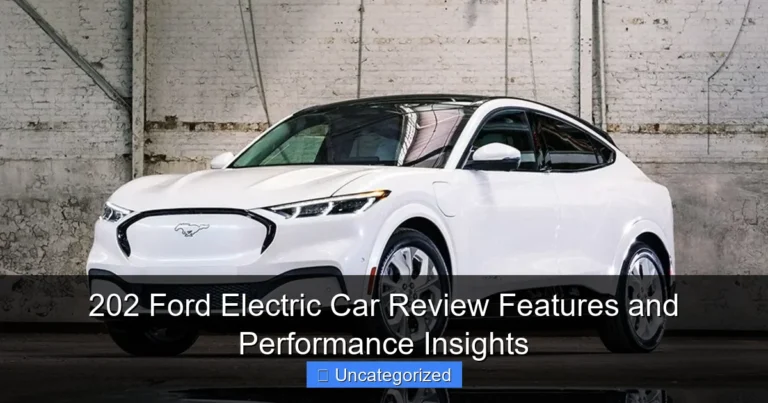
The 2017 Ford Focus Electric stood as the only fully electric vehicle in Ford’s U.S. lineup, representing the company’s most direct response to competitors like the Nissan Leaf and Chevrolet Bolt EV (which launched later that year). Built on the third-generation Focus platform, the 2017 model featured a 33.5 kWh lithium-ion battery pack powering a 107-kW (143-horsepower) electric motor. This setup delivered a peak torque of 184 lb-ft, enabling a smooth, quiet, and responsive driving experience. The Focus Electric had an EPA-estimated range of 115 miles on a full charge—an improvement over the previous year’s 76 miles, thanks to a larger battery and enhanced energy management systems.

Visual guide about 2017 ford all electric cars
Image source: fordnewmodels.com
Charging flexibility was another highlight. The 2017 Focus Electric supported both Level 1 (120V) and Level 2 (240V) charging. Using a standard Level 2 charger (like those found at public stations or home installations), the vehicle could recharge in approximately 4.5 to 5 hours. For drivers with access to DC fast charging, the Focus Electric was equipped with a Combo Charging System (CCS) port, allowing it to reach 80% charge in about 30 minutes—ideal for longer trips or quick top-ups during errands.
Interior, Technology, and Comfort
Inside, the 2017 Focus Electric shared much of its design with the gasoline-powered Focus, but with a few electric-specific upgrades. The cabin featured a 10-inch digital instrument cluster that displayed real-time energy usage, battery state of charge, and regenerative braking feedback. Drivers could monitor efficiency metrics such as “kWh/100 miles” and “miles per gallon equivalent (MPGe)”—the latter rated at 110 MPGe city and 99 MPGe highway by the EPA.
Infotainment was handled by Ford’s SYNC 3 system, which included a responsive 8-inch touchscreen, Apple CarPlay, Android Auto, and voice-activated navigation. A unique feature was the MyFord Mobile app, which allowed owners to remotely check battery status, pre-condition the cabin (heating or cooling while still plugged in), and schedule charging times to take advantage of off-peak electricity rates. For example, a driver could set the car to charge between 11 PM and 6 AM when utility rates were lower, saving money and reducing strain on the grid.
Comfort-wise, the Focus Electric offered heated front seats, a heated steering wheel, automatic climate control, and a premium Sony audio system. Despite the battery pack located under the floor, interior space remained competitive, with 12.8 cubic feet of trunk space—slightly less than the gas model due to underfloor components, but still sufficient for daily use.
Driving Experience and Handling
On the road, the 2017 Focus Electric delivered a refined, near-silent driving experience. The electric motor provided instant torque, resulting in brisk acceleration from a standstill—0 to 60 mph in roughly 9.5 seconds. While not sporty by performance EV standards, it felt more agile than many compact EVs of its era. The regenerative braking system was highly effective, allowing for one-pedal driving in many city scenarios. When lifting off the accelerator, the car would decelerate smoothly, converting kinetic energy back into stored electricity.
Handling benefited from the low center of gravity due to the underfloor battery placement, reducing body roll in corners. The ride was firm but comfortable, with well-tuned suspension that absorbed road imperfections effectively. Steering was light and responsive, making the Focus Electric ideal for urban environments and stop-and-go traffic. One practical tip: drivers should use “B” mode (regen mode) during city commutes to maximize energy recovery and reduce brake wear.
Charging Infrastructure and Real-World Range
Home Charging Solutions
For most 2017 Focus Electric owners, home charging was the primary method of recharging. Ford partnered with ChargePoint to offer a bundled Level 2 home charging station, typically priced around $700–$800 (before incentives). Installation costs varied by location and electrical setup, but most homeowners with a 240V outlet in their garage or driveway could install the unit for $300–$600.
A key advantage of home charging was convenience. Owners could plug in overnight and wake up to a “full tank” every morning. For example, a driver commuting 30 miles round-trip could recharge the entire daily usage in just a few hours. Ford also recommended using a NEMA 14-50 outlet for faster charging (up to 25 miles of range per hour) compared to a standard 120V outlet (3–4 miles per hour).
Public and DC Fast Charging
While home charging was ideal for daily use, public charging became essential for longer trips. In 2017, Ford was actively expanding its network of DC fast charging stations, particularly along major U.S. corridors. The automaker invested in FordPass Charging Network (a precursor to today’s BlueOval Charge Network), which aggregated access to over 12,000 public charging stations across North America, including ChargePoint, EVgo, and SemaConnect.
The Focus Electric’s CCS port enabled compatibility with most DC fast chargers. For instance, a 30-minute stop at an EVgo station could add 60–70 miles of range—enough to complete a 150-mile journey with confidence. However, drivers were advised to plan ahead using apps like PlugShare or Google Maps (which began integrating EV charging station data in 2017). A practical tip: always verify charger availability and functionality before departure, as some stations were still unreliable during this early phase of infrastructure growth.
Real-World Range Considerations
While the EPA rated the Focus Electric at 115 miles, real-world range varied based on driving habits, climate, and terrain. In mild weather with moderate speeds (under 60 mph), many drivers achieved 100–110 miles. However, in cold winter conditions, range could drop by 20–30% due to battery inefficiency and cabin heating demands. For example, a driver in Minnesota might see only 80 miles in sub-zero temperatures, while the same driver in Florida could exceed 110 miles.
To maximize range, Ford recommended:
- Preconditioning the cabin while plugged in (to avoid using battery power for heating)
- Driving in Eco mode (reduces throttle response and climate system load)
- Using cruise control on highways to maintain steady speed
- Minimizing use of high-energy accessories (e.g., heated seats, defrosters)
Additionally, regenerative braking could add 5–10 miles of range per day in city driving, making it a critical tool for efficiency.
Technology and Safety Features
Advanced Driver Assistance Systems (ADAS)
The 2017 Focus Electric came equipped with a robust suite of safety and driver-assistance features, many of which were standard across trims. These included:
- Forward Collision Warning with Brake Support: Alerts the driver of an impending collision and pre-charges brakes for faster response.
- Blind Spot Information System (BLIS): Uses radar to detect vehicles in adjacent lanes, with visual alerts in side mirrors.
- Lane-Keeping System: Provides steering torque and alerts if the vehicle drifts out of its lane unintentionally.
- Active Park Assist: Automatically steers into parallel or perpendicular parking spaces—a rare feature in compact EVs at the time.
These systems used a combination of cameras, radar, and ultrasonic sensors, placing the Focus Electric at the forefront of safety technology in its class.
Connectivity and Over-the-Air Updates
Ford’s SYNC 3 system was one of the most advanced infotainment platforms in 2017, offering seamless smartphone integration via Apple CarPlay and Android Auto. Unlike many competitors, SYNC 3 supported over-the-air (OTA) software updates for maps and system enhancements, ensuring the vehicle remained up-to-date without a trip to the dealership. For example, Ford pushed updates to improve battery management algorithms and charging speed optimization in late 2017.
The MyFord Mobile app also evolved, adding features like:
- Remote lock/unlock
- Charge scheduling
- Vehicle location tracking
- Trip history and energy usage analytics
This digital ecosystem made the Focus Electric not just a car, but a connected lifestyle tool.
Energy Management and Efficiency Tools
Ford included several energy-saving technologies to help drivers get the most out of every charge. The SmartGauge display offered real-time feedback on energy consumption, with a “Braking Coach” that encouraged efficient deceleration. The “EcoRoute” feature in navigation suggested the most energy-efficient path based on elevation, traffic, and charging station locations.
Additionally, the Focus Electric featured regenerative braking levels (adjustable via steering-wheel paddles), allowing drivers to choose between standard and high regen for maximum energy recovery. This feature was particularly useful in hilly regions or stop-and-go traffic, where energy could be recaptured during frequent braking.
Ownership Costs, Incentives, and Value
Pricing and Trim Levels
The 2017 Ford Focus Electric was available in a single, well-equipped trim level, priced at $29,120 before federal and state incentives. This positioned it competitively against the Nissan Leaf (starting at $29,010) but slightly above the base Chevrolet Volt (a plug-in hybrid). However, the Focus Electric’s higher standard features—including heated seats, SYNC 3, and active park assist—justified the premium for many buyers.
Optional packages included:
- Technology Package: Added adaptive cruise control, enhanced park assist, and a 10-speaker Sony audio system ($1,795)
- Comfort Package: Included dual-zone climate control and ambient lighting ($495)
With incentives, the effective price could drop significantly, making it an attractive option for budget-conscious EV adopters.
Federal and State Incentives
Buyers of the 2017 Focus Electric qualified for a $7,500 federal tax credit, one of the largest incentives for EVs at the time. Additionally, many states offered rebates, HOV lane access, and reduced registration fees. For example:
- California: $2,500 Clean Vehicle Rebate (CVRP)
- New York: $2,000 Drive Clean Rebate
- Colorado: $5,000 state tax credit
Combined, these incentives could reduce the effective cost to under $15,000 in some regions—making the Focus Electric one of the most affordable EVs on the market.
Long-Term Ownership and Maintenance
One of the biggest advantages of owning a 2017 Focus Electric was lower maintenance costs. With no internal combustion engine, owners saved on:
- Oil changes
- Spark plugs
- Timing belts
- Exhaust systems
The electric motor and battery required minimal servicing, and regenerative braking reduced wear on brake pads. Ford offered an 8-year/100,000-mile battery warranty with 70% state-of-health retention, providing peace of mind for long-term ownership.
Charging costs were also low. Assuming an average electricity rate of $0.13/kWh, a full charge cost about $4.35 (33.5 kWh × $0.13), translating to roughly $0.04 per mile—less than half the cost of gasoline-powered vehicles.
Ford’s 2017 Electrification Strategy and Future Outlook
Beyond the Focus Electric: A Broader Vision
While the Focus Electric was Ford’s only pure BEV in 2017, the company made it clear that this was just the beginning. At the 2017 North American International Auto Show (NAIAS), Ford announced a $4.5 billion investment in electrified vehicles, with plans to launch 13 new electrified models by 2023. This included hybrid, plug-in hybrid, and all-electric vehicles across cars, SUVs, and trucks.
Key announcements included:
- An all-electric SUV (later revealed as the Mustang Mach-E in 2019)
- An all-electric F-150 pickup truck (eventually launched as the F-150 Lightning in 2022)
- Electrified versions of the Transit van for commercial fleets
These plans signaled Ford’s commitment to electrifying its most profitable and popular vehicle segments.
Partnerships and Infrastructure Development
Ford also invested heavily in charging infrastructure. In 2017, the company partnered with Electrify America (Volkswagen’s post-Dieselgate initiative) to expand DC fast charging networks across the U.S. Ford also joined the Charging Interface Initiative (CharIN), ensuring compatibility with CCS standards.
Additionally, Ford launched FordPass, a mobile app that unified vehicle services, charging, and roadside assistance. This platform laid the foundation for seamless EV ownership, with features like remote start, vehicle location, and charging station navigation.
Lessons from the 2017 Focus Electric
The 2017 Focus Electric served as a crucial learning platform for Ford. It highlighted the importance of:
- Range improvements—115 miles was competitive but not class-leading; future models would need 200+ miles
- Charging speed and accessibility—fast charging became a priority
- Technology integration—connectivity and software updates were essential for customer satisfaction
These lessons directly influenced the development of the Mach-E, which debuted with 230–305 miles of range, ultra-fast charging, and a next-gen SYNC 4 system.
Ford’s 2017 all-electric strategy was not about dominating the market overnight, but about building a foundation for the future. The Focus Electric, while limited in scope, demonstrated Ford’s capability to engineer a reliable, feature-rich EV—one that paved the way for a new era of American electric mobility.
Data Table: 2017 Ford Focus Electric Key Specifications
| Specification | Value |
|---|---|
| Motor Power | 107 kW (143 hp) |
| Torque | 184 lb-ft |
| Battery Capacity | 33.5 kWh Lithium-Ion |
| EPA Range | 115 miles |
| MPGe (City/Highway) | 110 / 99 |
| Level 2 Charging Time | 4.5–5 hours |
| DC Fast Charging (0–80%) | ~30 minutes |
| Starting MSRP | $29,120 |
| Federal Tax Credit | $7,500 |
| Warranty (Battery) | 8 years / 100,000 miles |
The 2017 Ford all-electric cars—primarily the Focus Electric—represented a turning point for Ford and the broader automotive industry. While the model had limitations in range compared to newer EVs, it excelled in technology, safety, and real-world usability. Its integration with FordPass, advanced driver aids, and strong charging support made it a compelling choice for early EV adopters. More importantly, it laid the groundwork for Ford’s ambitious electrification roadmap, culminating in today’s lineup of high-performance, long-range electric vehicles. For those considering a used EV or studying the evolution of Ford’s electric journey, the 2017 Focus Electric remains a milestone—proof that even incremental progress can lead to revolutionary change.
Frequently Asked Questions
What 2017 Ford all electric cars are available?
The only fully electric car offered by Ford in 2017 was the Ford Focus Electric. It served as the brand’s sole battery-electric vehicle (BEV) that year, with no other 2017 Ford models available in a fully electric configuration.
How far can the 2017 Ford Focus Electric go on a single charge?
The 2017 Ford Focus Electric has an EPA-estimated range of 115 miles per full charge. Real-world range may vary based on driving habits, climate, and use of accessories like air conditioning or heating.
What is the charging time for the 2017 Ford all electric cars?
Using a 240-volt Level 2 charger, the 2017 Ford Focus Electric takes about 5.5 hours to fully recharge. With a standard 120-volt Level 1 charger, it can take over 20 hours, making Level 2 the recommended option for regular use.
Does the 2017 Ford Focus Electric qualify for federal tax credits?
Yes, the 2017 Ford Focus Electric qualifies for a federal tax credit of up to $7,500. Buyers should verify eligibility and check for additional state or local incentives for 2017 Ford all electric cars at the time of purchase.
How does the 2017 Ford Focus Electric compare to other EVs of its time?
The 2017 Ford Focus Electric offered competitive interior tech and smooth driving dynamics but lagged behind rivals like the Chevrolet Bolt EV in range. Its 115-mile range was modest compared to newer EVs, though it provided solid value for city commuters.
What safety features come with the 2017 Ford all electric cars?
The 2017 Ford Focus Electric includes standard safety features like electronic stability control, anti-lock brakes, and multiple airbags. It also offers available driver-assist technologies such as blind-spot monitoring and rear parking sensors.