2018 Nissan Electric Car Review Features and Performance Insights

Featured image for 2018 nissan electric car
Image source: publicdomainpictures.net
The 2018 Nissan electric car, led by the updated Leaf, delivers impressive range and value in the growing EV market. With a 150-mile range on the base model and enhanced ProPILOT Assist for semi-autonomous driving, it blends practicality with innovation. Its affordable price point and zero-emission performance make it a top contender for eco-conscious drivers seeking reliability and smart tech.
Key Takeaways
- Range upgrade: 2018 model offers 150-mile range, ideal for daily commutes.
- Fast charging: Replenishes 80% battery in 30 minutes with DC fast charging.
- Spacious interior: Roomy cabin and cargo space outperform rivals in class.
- Regenerative braking: One-pedal driving boosts efficiency and reduces brake wear.
- Infotainment upgrade: 7-inch touchscreen with Apple CarPlay and Android Auto.
- Safety features: Standard rearview camera and available ProPILOT Assist tech.
- Value pick: Competitive pricing with strong reliability and low running costs.
📑 Table of Contents
- 2018 Nissan Electric Car: A Leap Toward the Future of Sustainable Driving
- Redesigned Exterior and Interior: Form Meets Function
- Performance and Driving Experience: Power, Efficiency, and Innovation
- Range, Charging, and Real-World Usability
- Technology and Safety Features: Smart, Connected, and Secure
- Ownership Costs, Incentives, and Market Position
- Final Verdict: Is the 2018 Nissan Electric Car Right for You?
2018 Nissan Electric Car: A Leap Toward the Future of Sustainable Driving
The year 2018 marked a pivotal moment in the evolution of electric vehicles (EVs), and 2018 Nissan electric car models—particularly the 2018 Nissan Leaf—stood at the forefront of this transformation. As one of the most affordable and widely recognized EVs on the market, the 2018 Leaf wasn’t just a car; it was a statement. Nissan, a pioneer in the modern electric car movement with the original Leaf launched in 2010, doubled down in 2018 with a completely redesigned model that promised greater range, enhanced technology, and a more compelling driving experience. For eco-conscious drivers, urban commuters, and tech-savvy car buyers, the 2018 Nissan Leaf offered a compelling alternative to traditional internal combustion engines—without sacrificing practicality or comfort.
What made the 2018 Nissan electric car truly stand out was its balance of innovation, accessibility, and real-world usability. Unlike luxury EVs that commanded premium prices, the Leaf brought cutting-edge electric mobility to the masses. With a starting MSRP under $30,000 (before incentives), it was within reach for many families and first-time EV buyers. But affordability didn’t mean compromise. The 2018 model featured a bold new design, a significantly upgraded battery pack, and a suite of driver-assistance technologies that set a new benchmark in the compact EV segment. Whether you were navigating city traffic, embarking on a weekend road trip, or simply looking to reduce your carbon footprint, the 2018 Nissan Leaf proved that electric driving could be both practical and enjoyable.
Redesigned Exterior and Interior: Form Meets Function
Styling That Turns Heads
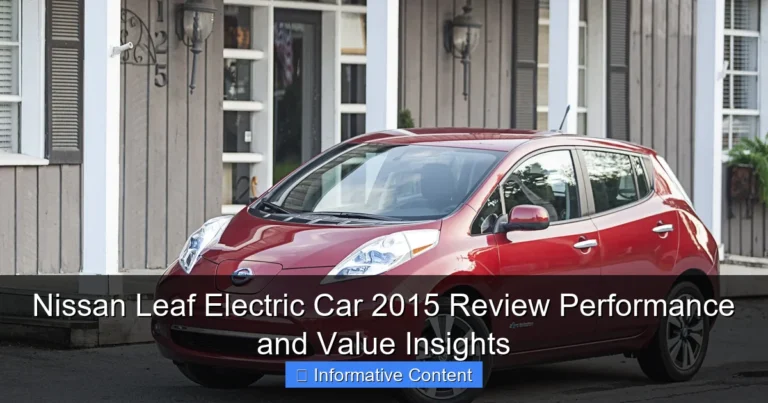
The 2018 Nissan electric car received a dramatic visual overhaul, moving away from the quirky, futuristic look of its predecessor to a more mainstream, aerodynamic design. The front fascia featured a bold V-Motion grille—a signature Nissan design element—adapted for an EV with a closed-off panel and a distinctive blue accent. LED headlights and daytime running lights gave the car a modern, premium appearance, while the sculpted hood and sloping roofline enhanced aerodynamics, contributing to improved efficiency. The rear design was equally striking, with a full-width LED light bar and a sleek, minimalist approach that emphasized the car’s high-tech nature.

Visual guide about 2018 nissan electric car
Image source: pngall.com
Compared to the 2017 model, the 2018 Leaf looked more like a conventional hatchback, which helped it appeal to a broader audience. No longer was it a car that screamed “I drive an EV”—it was a car that simply was an EV, blending seamlessly into everyday life. This design shift was intentional: Nissan wanted to make electric cars feel normal, not niche.
Interior Comfort and Practicality
Inside, the 2018 Nissan electric car offered a spacious, well-appointed cabin with thoughtful touches that elevated the driving experience. The dashboard featured soft-touch materials, a clean layout, and a 7-inch touchscreen infotainment system that was intuitive to use. The center console housed a traditional gear selector (unlike some EVs with rotary dials), which many drivers found more familiar and reassuring. Rear-seat legroom was generous for a compact hatchback, making the Leaf suitable for families or carpooling.
- Heated front seats and steering wheel—standard on higher trims—provided comfort during colder months.
- 60/40 split rear seats expanded cargo capacity from 23.6 to 30 cubic feet, ideal for groceries, luggage, or sports equipment.
- Automatic climate control with a heat pump (available on SV and SL trims) improved energy efficiency by reducing HVAC load on the battery.
One standout feature was the NissanConnect system, which offered smartphone integration via Apple CarPlay and Android Auto—a first for the Leaf. This allowed drivers to access navigation, music, and messaging apps directly from the touchscreen, reducing distractions and improving convenience. For example, a daily commuter could use Waze for real-time traffic updates or Spotify for personalized playlists, all without touching their phone.
Performance and Driving Experience: Power, Efficiency, and Innovation
Electric Powertrain and Acceleration
At the heart of the 2018 Nissan electric car was a 110-kilowatt (147 horsepower) AC synchronous electric motor, powered by a 40-kWh lithium-ion battery pack. This setup delivered 236 lb-ft of torque—immediately available from a standstill—giving the Leaf a sprightly 0-60 mph time of around 7.5 seconds. While not a sports car, the Leaf’s instant torque made it highly responsive in city driving, effortlessly merging onto highways or darting through traffic.
Unlike gasoline engines, which need to rev to produce peak torque, electric motors deliver maximum twist at zero RPM. This meant the Leaf felt quick off the line, especially in stop-and-go traffic. A driver navigating a busy urban intersection would notice the car’s ability to accelerate smoothly and quietly, with no lag or gear shifts. The single-speed transmission also contributed to a seamless, vibration-free ride.
Regenerative Braking and e-Pedal
One of the most innovative features of the 2018 Leaf was the e-Pedal, which allowed drivers to accelerate, decelerate, and even come to a complete stop using just the accelerator pedal. When activated, the system increased regenerative braking, capturing energy during deceleration and sending it back to the battery. Lifting off the accelerator triggered strong deceleration, often eliminating the need to use the brake pedal—except in emergency situations.
For example, a driver approaching a red light could simply ease off the accelerator, and the car would slow down naturally, recharging the battery in the process. This not only improved efficiency but also reduced brake wear. Nissan claimed the e-Pedal could handle 90% of daily driving scenarios, making it a game-changer for city commuters. However, it did require a brief adjustment period, as drivers accustomed to traditional braking had to relearn their habits.
Steering, Handling, and Ride Quality
The 2018 Leaf featured electric power steering that was light and precise, ideal for tight parking maneuvers and urban driving. The suspension was tuned for comfort, absorbing road imperfections with ease. While the car wasn’t designed for spirited cornering, it handled everyday roads with confidence. The low center of gravity—thanks to the floor-mounted battery pack—reduced body roll and improved stability.
One practical tip: For smoother rides on rough city streets, consider inflating tires to the recommended pressure (found on the driver’s door jamb) rather than the maximum listed on the tire sidewall. This ensures optimal grip, efficiency, and ride comfort.
Range, Charging, and Real-World Usability
EPA-Estimated Range and Battery Capacity
The 2018 Nissan electric car offered an EPA-estimated range of 150 miles on a full charge—a significant improvement over the 2017 model’s 107-mile range. This made it suitable for most daily commutes, errands, and even some weekend getaways. For context, the average American drives about 37 miles per day, meaning the Leaf could go several days without recharging.
However, real-world range varied based on driving conditions. For example:
- City driving: 140–155 miles (frequent stops and regen braking helped extend range).
- Highway driving at 70 mph: 110–125 miles (aerodynamic drag and speed reduced efficiency).
- Cold weather: 90–110 miles (heating systems drew significant power from the battery).
Tip: To maximize range in winter, preheat the cabin while the car is still plugged in. This uses grid power instead of battery power, preserving range for driving.
Charging Options and Times
The 2018 Leaf supported three charging levels:
- Level 1 (120V): 22 hours for a full charge. Best for occasional use or overnight top-ups.
- Level 2 (240V): 7.5 hours with a 6.6-kW onboard charger (standard). Ideal for home charging stations.
- DC Fast Charging (CHAdeMO): 30 minutes for an 80% charge (available on SV and SL trims). Crucial for road trips.
For example, a driver with a 240V home charger could plug in after work and wake up to a full battery. On a road trip, stopping at a DC fast charger (common at shopping centers and rest areas) allowed for a quick 30-minute break while the car recharged enough for another 100+ miles.
Charging Network and Apps
Nissan partnered with charging networks like EVgo and ChargePoint to provide access to thousands of public stations. The NissanConnect EV app allowed drivers to locate chargers, monitor charging status, and even schedule charging during off-peak electricity hours to save money. A practical tip: Use the app to filter chargers by speed (Level 2 vs. DC Fast) and availability to avoid long waits.
Technology and Safety Features: Smart, Connected, and Secure
Infotainment and Connectivity
The 2018 Nissan electric car came standard with a 7-inch touchscreen, Bluetooth, and a rearview camera. Higher trims added:
- Navigation with real-time traffic and EV-specific routing (showing charging stations).
- Bose premium audio system (SL trim) with seven speakers for immersive sound.
- NissanConnect Services with remote climate control, door lock/unlock, and vehicle status checks via smartphone.
Example: A parent could use the app to start the car and preheat the cabin on a cold morning, ensuring a comfortable ride for the kids.
Advanced Driver Assistance Systems (ADAS)
The 2018 Leaf introduced Nissan Safety Shield 360 on higher trims, a suite of six safety features:
- Automatic Emergency Braking (AEB) with pedestrian detection.
- Lane Departure Warning (LDW) and Lane Keep Assist (LKA).
- Blind Spot Warning (BSW) and Rear Cross Traffic Alert (RCTA).
- High Beam Assist for automatic headlight control.
These features significantly reduced the risk of accidents. For instance, RCTA alerted drivers when reversing out of a parking spot if another vehicle was approaching—a lifesaver in busy lots.
ProPILOT Assist: Semi-Autonomous Driving
Available on the SL trim, ProPILOT Assist combined adaptive cruise control and lane centering to provide hands-on semi-autonomous driving. It worked best on highways with clear lane markings, maintaining speed and distance from the car ahead while keeping the vehicle centered in the lane. A driver on a long commute could activate ProPILOT to reduce fatigue, though they still needed to keep their hands on the wheel.
Ownership Costs, Incentives, and Market Position
Pricing and Trim Levels
| Trim | MSRP (Before Incentives) | Key Features |
|---|---|---|
| Leaf S | $29,990 | 7-inch touchscreen, e-Pedal, 150-mile range |
| Leaf SV | $32,490 | Navigation, DC fast charging, automatic climate control |
| Leaf SL | $36,200 | Bose audio, ProPILOT Assist, leather seats, Safety Shield 360 |
All trims qualified for a $7,500 federal tax credit and additional state incentives (e.g., California’s $2,000 rebate), making the effective price highly competitive.
Maintenance and Running Costs
EVs have fewer moving parts than gasoline cars, resulting in lower maintenance costs:
- No oil changes, spark plugs, or exhaust systems to replace.
- Brake pads last longer due to regenerative braking.
- Electricity is cheaper than gasoline—Nissan estimated the Leaf cost about $500/year to charge, compared to $1,200+ for a gas-powered car.
Tip: Use a home charger to take advantage of lower overnight electricity rates.
Market Competition and Positioning
The 2018 Nissan electric car competed with the Chevrolet Bolt EV (238-mile range) and Tesla Model 3 (longer range, higher price). While the Bolt offered more range, the Leaf had a lower starting price, a proven track record, and a more familiar brand image. For buyers prioritizing affordability, reliability, and ease of use, the Leaf was a top choice.
Final Verdict: Is the 2018 Nissan Electric Car Right for You?
The 2018 Nissan electric car—specifically the Leaf—was a milestone in making EVs accessible, practical, and enjoyable. Its 150-mile range, innovative e-Pedal, advanced safety features, and competitive pricing made it a standout in the compact EV segment. While it wasn’t perfect (range dropped in cold weather, and DC fast charging was limited to higher trims), it addressed the core concerns of everyday drivers: cost, convenience, and comfort.
For urban commuters, the Leaf’s compact size, quiet ride, and regenerative braking made it ideal for city life. For families, its spacious interior, safety tech, and cargo flexibility provided peace of mind. And for first-time EV buyers, its user-friendly interface, widespread charging network, and generous incentives removed many of the barriers to adoption.
Looking back, the 2018 Leaf wasn’t just a car; it was a bridge to the future. It proved that electric vehicles could be mainstream without sacrificing innovation or value. As the EV landscape continues to evolve—with longer ranges, faster charging, and more models—the 2018 Nissan electric car remains a benchmark of what’s possible when technology meets practicality. Whether you’re considering your first EV or adding to your fleet, the 2018 Leaf deserves a spot on your shortlist.
Frequently Asked Questions
What are the key features of the 2018 Nissan electric car?
The 2018 Nissan Leaf (the primary 2018 Nissan electric car) features a 40 kWh battery, 147 horsepower motor, and an EPA-estimated 150-mile range. It also includes ProPILOT Assist (semi-autonomous driving), e-Pedal technology, and standard Apple CarPlay/Android Auto.
How does the 2018 Nissan electric car perform in cold weather?
The 2018 Nissan Leaf experiences reduced range in cold weather, typically losing 20-30% of its 150-mile capacity when temperatures drop below freezing. Preconditioning the cabin while plugged in helps mitigate this issue.
What is the charging time for the 2018 Nissan Leaf?
The 2018 Nissan electric car takes approximately 8 hours to charge using a Level 2 (240V) charger. With a DC fast charger, it can reach 80% capacity in about 40 minutes, making it practical for longer trips.
Does the 2018 Nissan electric car have enough range for daily commuting?
Yes, the 150-mile range of the 2018 Nissan Leaf suits most daily commutes, especially since the average U.S. commute is under 30 miles. However, frequent long-distance drivers may need to plan charging stops.
Is the 2018 Nissan Leaf eligible for federal tax credits?
Yes, the 2018 Nissan electric car qualifies for a federal tax credit of up to $7,500. Eligibility depends on your tax liability, and state-level incentives may also apply, further reducing ownership costs.
How does the 2018 Nissan Leaf compare to other electric cars in its price range?
The 2018 Nissan electric car stands out with its affordable price, user-friendly tech, and ProPILOT Assist, but competitors like the Chevrolet Bolt EV offer longer range (238 miles) at a slightly higher price point.