2026 Audi Q6 E-Tron: Must-Have EV Tech
Don’t let a flat tire stop your 2026 Audi Q6 e-tron adventure! With the right tools and simple steps, you can safely and quickly get back on the road. This guide provides clear instructions and helpful tips for first-time EV owners to handle tire emergencies confidently.
So, you’ve got your shiny new 2026 Audi Q6 e-tron, and it’s a dream to drive! Electric cars are amazing, offering smooth acceleration and cutting-edge tech. But what happens when the unexpected occurs, like a flat tire? It’s a worry many first-time EV owners have, especially those new to car maintenance. You might be thinking, “Is it different for an electric car?” or “Do I even have the right tools?” Take a deep breath; it’s a common concern, and thankfully, handling a flat tire on your Q6 e-tron is quite manageable. This guide is designed just for you, with simple, step-by-step instructions and reassuring advice. We’ll walk you through everything you need to know, from locating your spare to safely changing the tire, so you can feel prepared and confident, no matter where your journey takes you. Let’s get you ready for anything!
Understanding Your 2026 Audi Q6 e-tron’s Tire Repair Options
The 2026 Audi Q6 e-tron, like many modern EVs, prioritizes innovation and driver experience. When it comes to dealing with a flat tire, Audi offers a couple of primary solutions. It’s crucial to understand these options before you ever encounter a flat, as they might differ from what you’re used to with gasoline-powered vehicles.
Tire Mobility System vs. Spare Tire

Many electric vehicles, including potentially the 2026 Q6 e-tron, are designed with space and weight efficiency in mind. This often means they come equipped with a Tire Mobility System (TMS) instead of a traditional spare tire and jack. A TMS is a compact kit that allows you to temporarily repair a puncture and inflate the tire, enabling you to drive to a service center.
However, some models or trim levels might still include a spare tire. It’s essential to check your specific Q6 e-tron’s configuration to know which system you have. You can usually find this information in your owner’s manual or by inspecting your trunk or frunk (front trunk) area.
When to Use Which System
The Tire Mobility System is generally designed for small punctures in the tire tread. It’s a temporary fix, allowing you to safely drive a limited distance at reduced speed. It is not suitable for sidewall damage or large tears.
If your Q6 e-tron has a spare tire, this is the traditional solution for most types of flats. It allows for a more permanent repair or replacement of the tire.
Key Takeaway: Knowing whether you have a TMS or a spare tire is the first, most important step in preparing for a flat. Consult your owner’s manual for definitive information.
Scenario 1: Using the Tire Mobility System (TMS) on Your 2026 Audi Q6 e-tron
If your Q6 e-tron is equipped with a Tire Mobility System, here’s how to use it. Remember, this is for temporary repairs only. Always drive cautiously to a tire repair shop afterward.
What You’ll Find in the TMS Kit
Typically, a TMS kit includes:
- Sealant: A liquid compound that seals the puncture.
- Air Compressor: A small, portable compressor to reinflate the tire.
- Hoses and Adapters: To connect the sealant and compressor to your tire valve.
- Instructions: Detailed steps specific to your kit.
Step-by-Step Guide to Using Your TMS
-
Find a Safe Location: As soon as you notice a flat or tire pressure warning, pull over to a safe, level spot away from traffic. Turn on your hazard lights.
Why? Safety is paramount. Driving on a flat can damage your wheel and the tire beyond repair, and stopping in a safe place prevents further accidents. -
Locate Your TMS Kit: Check your trunk or frunk for the designated storage area for the kit. Refer to your owner’s manual if you can’t find it.
Why? Knowing where it is beforehand saves precious time and reduces stress during an emergency. -
Prepare the Tire: If there’s a visible object (like a nail) in the tire, do not remove it. The object might be plugging the hole. The sealant will work around it. If the object is easily accessible and you can remove it without causing further damage, you might do so, but generally, it’s safer to leave it.
Why? Removing the object prematurely could cause the air to escape faster, making the repair more difficult. -
Connect the Sealant: Attach the sealant bottle to the compressor unit as per the kit’s instructions. Then, attach the sealant hose to your tire’s valve stem. You might need to remove the valve cap first.
Why? This sets up the system to inject the sealant into the tire. Ensuring a secure connection prevents leaks during the process. -
Inflate the Tire: Turn on the air compressor. The compressor will inject the sealant and then inflate the tire simultaneously. Follow the kit’s instructions for the recommended tire pressure, which should be listed on your driver’s side doorjamb sticker.
Why? This step seals the puncture and makes the tire firm enough to drive on. Over- or under-inflating can be dangerous. -
Disconnect and Check: Once the tire is inflated to the correct pressure, turn off the compressor and disconnect the hose. Replace the valve cap.
Why? Disconnecting allows you to check the tire pressure and ensure the repair is holding. -
Drive Cautiously: Drive the vehicle immediately for a few miles (check your kit’s instructions for the recommended distance, usually 5-10 miles) at a moderate speed (typically under 50 mph). This helps distribute the sealant inside the tire.
Why? The sealant needs to spread evenly under pressure to effectively seal the puncture. -
Check Tire Pressure Again: After driving, pull over safely and check the tire pressure again. If it has dropped significantly, the seal may not have held, and you should not continue driving. Call for roadside assistance.
Why? This is a crucial check to ensure the repair was successful. If the pressure is low, the sealant failed, and driving further could be unsafe. -
Visit a Tire Professional ASAP: A TMS repair is temporary. You must visit a qualified tire shop or Audi service center as soon as possible to have the tire professionally inspected and repaired or replaced. Inform them you used a sealant kit.
Why? Sealants can sometimes make permanent repairs more difficult or impossible, and they are not designed for long-term use or all types of damage.
Important Note: If you have sidewall damage, a large cut, or the TMS doesn’t work, you’ll need to call for roadside assistance or a tow. Do not attempt to drive the vehicle.
Scenario 2: Changing a Flat Tire with a Spare on Your 2026 Audi Q6 e-tron
If your 2026 Audi Q6 e-tron comes with a spare tire, changing it is similar to traditional cars, with a few EV-specific considerations.
What You’ll Need
Before you start, ensure you have these items:
- Spare Tire: Usually a compact “donut” spare.
- Jack: The tool used to lift your car.
- Lug Wrench: Used to loosen and tighten lug nuts.
- Wheel Chocks: Blocks to prevent the car from rolling.
- Owner’s Manual: For specific jacking points and procedures.
- Gloves (optional): To keep your hands clean.
- Flashlight (optional): Especially if it’s dark.
EV Consideration: Ensure your spare tire is properly inflated. Check its pressure periodically, just like your regular tires.
Step-by-Step Guide to Changing a Flat Tire
-
Find a Safe Location: Pull over to a safe, level spot away from traffic. Engage your parking brake and turn on hazard lights.
Why? Safety first! A stable, level surface is crucial for the jack to work effectively and prevent the car from rolling. -
Locate Spare Tire and Tools: Consult your owner’s manual to find the spare tire and the jack and lug wrench. They are often located under the cargo floor in the trunk.
Why? Knowing the exact location beforehand is vital for a quick and stress-free tire change. -
Secure the Vehicle: Place wheel chocks behind the wheel diagonally opposite the flat tire. If you don’t have chocks, use large rocks or sturdy blocks of wood.
Why? This prevents the car from rolling when it’s lifted off the ground, adding a critical layer of safety. -
Loosen Lug Nuts: Use the lug wrench to loosen the lug nuts on the flat tire. Turn them counter-clockwise. Loosen them about a half to a full turn each, but do not remove them completely yet.
Why? Loosening them while the tire is still on the ground prevents the wheel from spinning freely once the car is jacked up. -
Position the Jack: Consult your owner’s manual to find the correct jacking point near the flat tire. These are reinforced areas on the car’s frame designed to support the weight. Improper placement can damage your Q6 e-tron.
Why? Using the designated jacking points ensures the car is lifted safely and prevents damage to the chassis or battery housing. -
Raise the Vehicle: Place the jack under the designated jacking point and operate the jack to lift the vehicle. Raise it high enough so the flat tire is completely off the ground, with enough clearance to remove it and install the spare.
Why? The tire needs to be fully suspended to be removed and replaced without obstruction. -
Remove Lug Nuts and Flat Tire: Now that the wheel is off the ground, finish unscrewing the lug nuts by hand. Keep them together in a safe place (like your pocket or a hubcap). Grip the flat tire firmly and pull it straight towards you to remove it from the wheel studs.
Why? Removing the lug nuts completely allows the tire to be detached. Keeping them safe prevents them from getting lost. -
Mount the Spare Tire: Align the spare tire with the wheel studs and push it onto the hub until it sits flush.
Why? Proper alignment ensures the spare tire is centered and securely attached to the vehicle’s hub. -
Hand-Tighten Lug Nuts: Put the lug nuts back on and tighten them by hand as much as you can. Tighten them in a star pattern (opposite nuts).
Why? Hand-tightening ensures the wheel is seated correctly before using the wrench. The star pattern helps to evenly seat the wheel. -
Lower the Vehicle: Carefully lower the vehicle by operating the jack in reverse. Once the tire is touching the ground but before the full weight is on it, stop lowering.
Why? This allows you to apply torque with the lug wrench without the wheel spinning, ensuring the nuts are tightened properly. -
Tighten Lug Nuts with Wrench: Use the lug wrench to fully tighten the lug nuts. Again, use a star pattern and tighten them firmly.
Why? This secures the wheel to the car. Tightening firmly prevents the wheel from coming loose while driving. -
Lower Vehicle Completely: Lower the car the rest of the way to the ground and remove the jack.
Why? To ensure the full weight of the vehicle is on the wheel for final tightening. -
Final Tightening: Give the lug nuts one last firm tightening with the lug wrench in the star pattern.
Why? This is a crucial safety check to ensure all lug nuts are as tight as possible. -
Stow Flat Tire and Tools: Put the flat tire, jack, and lug wrench back in their designated storage spots. Don’t forget your wheel chocks!
Why? Keeping your vehicle tidy and ensuring all components are stored correctly is part of safe driving. -
Check Spare Tire Pressure: As soon as possible, check the pressure in the spare tire and inflate it to the recommended PSI (usually found on the spare tire itself or in the manual).
Why? Compact spares often require higher inflation pressures than regular tires. Driving on an under-inflated spare is dangerous. -
Visit a Tire Shop: Compact spares are for temporary use only. They have speed and distance limitations (often 50 mph / 80 km/h for no more than 50 miles / 80 km). Drive directly to a tire shop or Audi service center to get your original tire repaired or replaced.
Why? Compact spares are not designed for long-term driving or high speeds and can affect your car’s handling and braking.
Important Note: When you get your original tire repaired or replaced, ask the shop to check the pressure monitoring system (TPMS) on your Q6 e-tron. The system may need to be reset.
EV-Specific Considerations for Your 2026 Audi Q6 e-tron
While the basic principles of tire changing are the same, EVs like the 2026 Audi Q6 e-tron have some unique aspects to consider:
Battery Pack Location
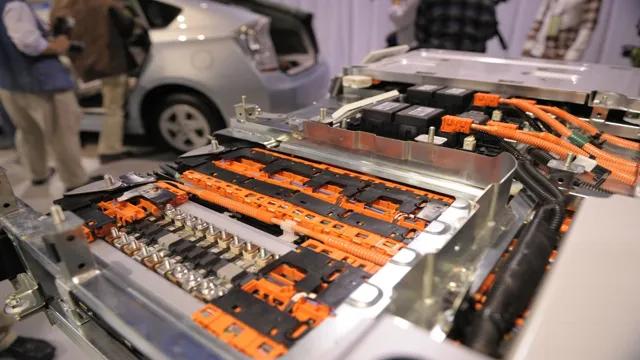
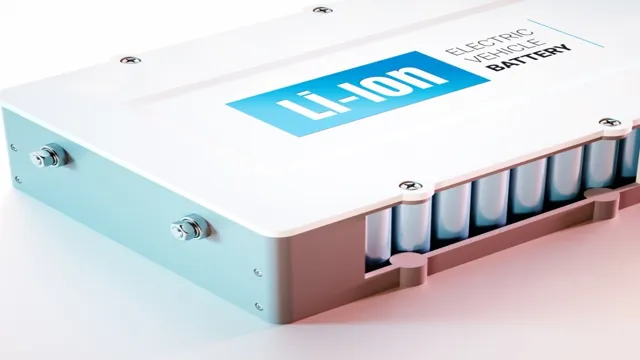
The large battery pack in an EV is typically located under the floor of the car. This is important for two main reasons:
- Weight Distribution: EVs tend to be heavier than comparable gasoline cars due to the battery. This means the jack needs to be placed on a very sturdy part of the frame. Always use the designated jacking points specified in your owner’s manual.
- Jacking Points: Audi designs specific, reinforced jacking points to ensure the car can be safely lifted without damaging the battery enclosure or other undercarriage components. Never attempt to jack up your EV anywhere other than these designated points.
Torque Specifications
Properly tightening lug nuts is crucial for safety. Overtightening can damage the studs, while undertightening can lead to a wheel coming loose. For your Q6 e-tron, it’s recommended to have the lug nuts tightened to the manufacturer’s specified torque using a torque wrench once you get to a service center. The typical torque for many Audi models is around 140 Nm (103 lb-ft), but always confirm this in your owner’s manual.
You can purchase a torque wrench relatively inexpensively, and it’s a great tool for any car owner. Many tire shops will happily check and adjust your torque for free or a small fee.
Regenerative Braking
Your Q6 e-tron uses regenerative braking, which captures energy when you decelerate. This doesn’t directly affect the tire-changing process itself, but it’s a reminder of the advanced technology at play. Be aware that while driving on a spare, especially a compact one, your car’s handling and braking characteristics will change significantly. Drive with extreme caution.
Tire Pressure Monitoring System (TPMS)
All modern cars, including the 2026 Q6 e-tron, are equipped with a TPMS. This system alerts you if tire pressure is low. After changing a tire and getting it repaired or replaced, the TPMS sensor in the wheel may need to be reset. Most tire shops can do this for you. If you notice the TPMS light remains on after a tire change, contact a service center.
For more on EV maintenance, check out resources from the U.S. Department of Energy’s Alternative Fuels Data Center:
Preventative Maintenance for Your 2026 Audi Q6 e-tron Tires
The best way to deal with a flat tire is to avoid one altogether! Regular maintenance can significantly reduce your risk.
Tire Pressure Checks
This is the easiest and most crucial step. Check your tire pressure at least once a month, and before any long trips. The recommended pressure for your Q6 e-tron can be found on a sticker inside the driver’s side doorjamb or in your owner’s manual. Many gas stations have air pumps, and some even have automatic tire inflators.
Tip: Check tire pressure when the tires are cold (i.e., before you’ve driven the car for the day) for the most accurate reading.
Tire Rotation
Tires wear unevenly due to the weight distribution and how the car handles. Rotating your tires every 5,000 to 7,500 miles (or as recommended in your owner’s manual) helps ensure they wear evenly and last longer. This can be done at your Audi dealership or a reputable tire shop.
Visual Inspections
Regularly walk around your car and visually inspect your tires. Look for:
- Uneven Wear: Bald spots or excessive wear on one side.
- Cuts, Cracks, or Bulges: Especially on the sidewalls.
- Embedded Objects: Nails, screws, or glass.
If you notice any of these, get your tires checked by a professional immediately.
Alignment and Balancing
If your car pulls to one side, vibrates, or you notice uneven tire wear, your wheels may need to be aligned or balanced. These services are best performed by professionals and are essential for tire longevity and safe driving.
Here’s a helpful resource from the National Highway Traffic Safety Administration (NHTSA) on tire safety:
Frequently Asked Questions (FAQ)
Do electric cars like the 2026 Audi Q6 e-tron have spare tires?
Many electric vehicles, including potentially the 2026 Audi Q6 e-tron, opt for a Tire Mobility System (TMS) instead of a traditional spare tire to save space and weight. The TMS is a kit with sealant and an air compressor for temporary repairs. However, some models or trims might still include a spare. It’s crucial to check your specific Q6 e-tron’s configuration in the owner’s manual or by inspecting your trunk/frunk.
Can I drive on a compact spare tire (donut) for a long distance?
No, compact spare tires, often called “donuts,” are designed for temporary use only. They have significant speed and distance limitations (typically around 50 mph / 80 km/h and for no more than 50 miles / 80 km). Driving on a compact spare for extended periods or at higher speeds can be dangerous, negatively impact your car’s handling and braking, and potentially damage the spare tire itself. Always drive directly to a tire shop to have your regular tire repaired or replaced.
What is a Tire Mobility System (TMS) and how does it work?
A Tire Mobility System (TMS) is a kit found in many EVs that allows for a temporary repair of small punctures in the tire tread. It typically includes a sealant that is injected into the tire, followed by an air compressor to inflate it. The sealant fills the hole, and the air pressure makes the tire drivable again. It’s important to remember that this is a temporary fix, and you must visit a tire professional as soon as possible for a proper inspection and repair or replacement.
How do I know where to place the jack on my 2026 Audi Q6 e-tron?
This is extremely important for safety and to avoid damaging your vehicle. Your 2026 Audi Q6 e-tron has specific, reinforced jacking points designed to safely support the vehicle’s weight. These are usually indicated on the car’s frame near each wheel. Always consult your owner’s manual for the precise location of these jacking points. Never place the jack on the battery enclosure or any other part of the undercarriage that is not designated.
Is changing a tire on an electric car different from a gas car?
The fundamental process of loosening lug nuts, jacking up the car, and replacing a wheel is very similar. However, there are key differences: EVs have a large battery pack under the floor, making them heavier and requiring careful attention to designated jacking points. Also, EVs often come with a Tire Mobility System instead of a spare. Always refer to your owner’s manual for EV-specific instructions, especially regarding jacking points and tire repair options.
What should I do if I get a flat tire in a dangerous location?
Your safety is the absolute priority. If you get a flat tire in a dangerous location (e.g., on a highway, blind curve, or unstable surface), do not attempt to change the tire yourself. Instead, pull over as far as safely possible, turn on your hazard lights, and call for professional roadside assistance immediately. Many new car purchases, including Audis, come with roadside assistance services. Your owner’s manual or Audi’s customer service line can provide the number.
Conclusion: Drive with Confidence
Owning a 2026 Audi Q6 e-tron means embracing the future of driving. While the thought of a flat tire might seem daunting, especially with new EV technology, you’re now equipped with the knowledge to handle it. Whether you’re using a Tire Mobility System for a minor puncture or changing out a spare, understanding the steps and prioritizing safety will get you back on your way.
Remember these key points:
- Know Your System: Is it a TMS or a spare? Your owner’s manual is your best friend here.
- Safety First: Always pull over to a safe, level location away from traffic.
- Use Designated Points: For jacking, always refer to your manual for the correct spots.
- Temporary Fixes: TMS and spare tires are not permanent solutions. Get to a professional ASAP.
- Preventative Care: Regular tire pressure checks and inspections are your best defense against flats.
With this guide, you can approach any tire issue with confidence, knowing you’re prepared. Enjoy the exhilarating drive of your 2026 Audi Q6 e-tron, and drive safely!