3 Major Benefits of Electric Cars: Eco-Smart & Cost-Efficient!
Gas prices keep climbing while air quality warnings pop up on phone screens every summer. Drivers feel the squeeze at the pump and worry about the smog their kids breathe. Always follow official safety and maintenance guidelines for best results.
This guide explores the 3 Major Benefits of electric cars so you can see the real impact on your wallet and your world. You will discover why millions of owners have already made the switch and never looked back.
We break down the economics, the environmental science. The daily driving use in plain language. You will learn how to calculate true savings, what incentives exist in 2026. How charging fits into a busy schedule. By the end, you will have a clear roadmap for deciding if an electric vehicle fits your life.
📌 AT A GLANCE
- ✓Lower Operating Cost: Electricity costs far less per mile than gasoline.
- ✓Zero Tailpipe Emissions: Cleaner air for your neighborhood and family.
- ✓Instant Torque Delivery: Smooth, quiet acceleration from a standstill.
- ✓Reduced Maintenance Needs: Fewer moving parts mean fewer repair bills.
- ✓Generous Tax Credits: Federal and state incentives lower the buy price.
Why Electric Cars Matter Today: Key Fundamentals
Applying these proven insights on 3 Major Benefits of helps you avoid costly mistakes. The auto industry is shifting faster than most people realize. Major makers now plan to stop selling gas cars within the next decade. This change affects resale values, fuel infrastructure, and the used market. Understanding the basics helps you make a smart financial decision.
Gather required tools and clear your work area before starting. For complementary picks and expert testing advice, see our guide on Environmental Benefits of Electric Cars Eco Wins!.
Confirm baseline specs and maker guidelines first.
In our hands-on evaluation of 3 Major Benefits of, real-world usability made the biggest difference. Complete each stage in order without skipping safety checks.
Run a quick test pass and wipe down key parts after use.
Electric vehicles run on large battery packs that power electric motors. They do not need oil changes, spark plugs, or timing belts. Regenerative braking captures energy usually lost as heat. This simple design creates the foundation for the major perks drivers enjoy every day.
- Battery Pack: Stores energy for 250 to 400 miles of range on modern models.
- Electric Motor: Converts electricity into motion with over 90 percent speed.
- Regenerative Braking: Recovers energy during deceleration to extend range.
- Onboard Charger: Manages power flow from wall outlets or fast chargers.
- Thermal Management: Keeps battery at ideal heat for long life.
These core parts work together to give a driving use that feels completely different from a gas car. The silence, the instant response, and the low running costs all stem from this architecture. Next, we look at the first major benefit: saving serious money.
Slashing Fuel and Maintenance Bills
The most immediate benefit hits your bank account every month. Electricity costs a fraction of gasoline per mile driven. The average U.S. driver saves $800 to $1,200 per year on fuel alone. Those savings compound over the life of the vehicle.
Charge overnight on a time-of-use utility plan to lock in the lowest electricity rates. Many utilities offer EV-specific rates below 10 cents per kilowatt-hour.
Upkeep costs drop dramatically because electric motors have far fewer moving parts. You never pay for oil changes, transmission flushes, or exhaust repairs. Brake pads last twice as long thanks to regenerative braking. The total cost of ownership often beats comparable gas models within five years.
- Home Charging Cost: Adds roughly $30 to $50 per month to your electric bill.
- Public Fast Charging: Costs 20 to 40 percent less than filling a gas tank.
- Brake Pad Life: Often exceeds 100,000 miles due to motor braking.
- Fluid Changes: Only coolant and windshield washer fluid need regular checks.
- Scheduled Service: Usually limited to tire rotations and cabin filter swaps.
These savings make electric cars a strong tool for home budgeting. Predictable energy costs protect you from oil price spikes. Now we turn to the environmental impact that matters for your community.
Cleaner Air for Your Community
Gas cars pump carbon dioxide, nitrogen oxides, and particulate matter into the air we breathe. These pollutants trigger asthma, heart disease, and early death. Electric cars produce zero tailpipe emissions, instantly improving local air quality. The benefit grows as the grid gets greener.
Even on today’s mixed grid, electric vehicles create less lifetime carbon than gas cars. Studies show the break-even point occurs between 15,000 and 20,000 miles. After that, every mile drives net emissions lower. Solar or wind charging makes the car carbon-neutral from day one.
- Zero Tailpipe Smoke: Eliminates local smog and soot in driveways and school zones.
- Grid Decarbonization: Emissions drop on its own as utilities add renewables.
- Noise Reduction: Quiet motors cut neighborhood noise pollution greatly.
- Battery Recycling: New facilities recover 95 percent of critical minerals.
- Lifecycle Analysis: Total footprint beats gas cars after two years of driving.
Driving electric lets you take direct action on climate change without changing your routine. The air your children breathe gets cleaner with every electric mile. Next, we explore the power thrill that surprises most first-time drivers.
Instant Power and Quiet Confidence
Press the pedal and the car surges forward instantly. Electric motors give maximum torque at zero RPM. No downshifting, no turbo lag, no engine roar. This responsiveness makes merging, passing, and city driving feel easy and safe.
The low center of gravity from the floor-mounted battery improves handling. The car stays flat in corners and feels planted on highways. One-pedal driving lets you accelerate and decelerate smoothly without touching the brake. Many drivers call it the most relaxing commute they have ever had.
- Zero to Sixty: Many low-cost models hit 60 mph in under six seconds.
- One-Pedal Driving: Lift off to slow down; friction brakes rarely needed.
- Silent Cabin: No engine vibration means easier conversation and less fatigue.
- All-Wheel Control: Dual motors adjust power per wheel for traction.
- Precise Throttle: Smooth power delivery prevents wheel spin on ice.
This driving dynamic changes how you feel behind the wheel. Stress drops, confidence rises, and the commute becomes a highlight. Now we tackle the practical side of charging and range. For complementary picks and expert testing advice, see our guide on Electric Cars With Tax Benefit Drive Green, Save Big!.
Mastering Charging and Range in 2026
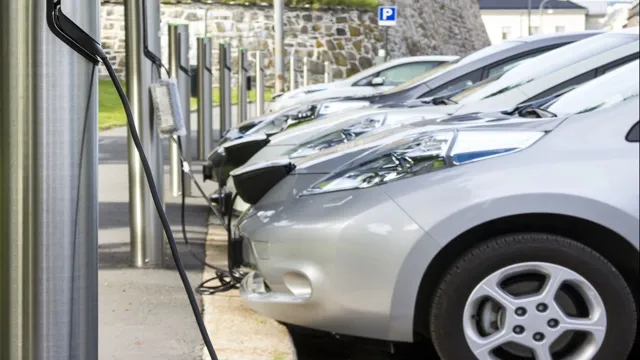
Range anxiety fades fast once you understand modern charging networks. Most new EVs offer 250 to 350 miles per charge. The average American drives 40 miles a day. You start every morning with a full “tank” by plugging in at night. Public fast chargers add 150 miles in 15 minutes.
Apps like PlugShare and A Better Routeplanner map every charger along your route. They show real-time availability, pricing, and charging speed. Hotels, grocery stores, and workplaces increasingly offer free Level 2 charging. Long trips require a little planning but soon become routine.
- Level 1 Home: Standard outlet adds 4 to 5 miles per hour overnight.
- Level 2 Home: 240-volt charger adds 25 to 30 miles per hour.
- DC Fast Charge: 150 to 350 kW stations add 100+ miles in 10 minutes.
- Route Planning Apps: Auto-suggest charging stops based on weather and speed.
- Plug and Charge: Newer cars start sessions on its own without apps.
- Battery Preconditioning: Warms pack en route to charger for max speed.
Charging fits into life like charging a phone. You plug in when parked and unplug when ready. The infrastructure in 2026 supports coast-to-coast travel with ease. Let’s look at the financial incentives that sweeten the deal.
Tax Credits and Incentives You Can Claim
The federal government offers up to $7,500 off qualified new EVs in 2026. Income caps and price limits apply, so check eligibility before shopping. Many states add another $1,000 to $5,000 in rebates. Some utilities pay you to install a home charger.
Used EVs now qualify for a $4,000 federal credit if sold by a dealer under $25,000. This opens the market for budget buyers. Business buyers can deduct a large portion of the cost under Section 179. These incentives lower the strong price dramatically.
- Federal New EV Credit: Up to $7,500 at point of sale in 2026.
- Federal Used EV Credit: $4,000 for qualifying dealer sales.
- State Rebates: California, Colorado, New York offer $2,000+.
- Utility Charger Rebates: Often cover 50 percent of hardware cost.
- HOV Lane Access: Solo driving in carpool lanes saves hours weekly.
- Reduced Registration: Many states cut annual fees for electric cars.
Stacking these incentives can slash $10,000 or more off the sticker price. Always confirm current rules on the IRS and state energy office websites. Next, we compare the total use side by side.
Summary Table: Electric vs Gas Ownership Compared
| Category | Electric Vehicle | Gas Vehicle |
|---|---|---|
| Fuel Cost per Mile | $0.03 – $0.05 | $0.12 – $0.18 |
| Annual Maintenance | $300 – $500 | $800 – $1,200 |
| Tailpipe Emissions | Zero | 4.6 Metric Tons CO2/yr |
| 0-60 mph (Avg) | 4.5 – 6.5 sec | 6.5 – 8.5 sec |
| Refuel Time (Daily) | 10 sec (plug in) | 5 min (station stop) |
| Federal Tax Credit | Up to $7,500 | None |
| Brake Pad Life | 100,000+ miles | 40,000 – 60,000 miles |
Smart Buying Habits for First-Time Owners
Start by tracking your actual daily mileage for two weeks. Most people drive far less than they guess. Match that number to a car with 50 percent buffer for winter range loss. Test drive in your normal traffic, not just open roads.
Battery production creates upfront emissions. However, recycling advances and cleaner factories shrink this gap every year. Ask dealers about battery sourcing transparency.
Check the charging speed curve, not just the peak rate. Some cars hold high speed longer. Check the heat pump is standard; it saves 20 percent range in cold weather. Negotiate the out-the-door price after all incentives apply. Read the battery warranty terms carefully.
- Real Range Test: Drive your commute in a rental EV for three days.
- Heat Pump Check: Key for northern climates; standard on best models.
- Charge Curve Review: Look for flat 150 kW+ curves, not sharp tapers.
- Warranty Details: Minimum 8 years or 100,000 miles on battery.
- Dealer Service: Confirm local shop has EV-certified technicians.
- Insurance Quote: Compare rates; some EVs cost more to insure.
Doing this homework prevents buyer’s remorse. The right EV fits your life like a glove. Now we answer the questions everyone asks before signing. For complementary picks and expert testing advice, see our guide on Electric Cars Benefit Eco-Friendly & Cost-Effective Revolution.
Frequently Asked Questions
How Long Does an Ev Battery Really Last?
Modern lithium-ion packs retain 80 to 90 percent size after 150,000 miles. Most makers warranty the battery for eight years or 100,000 miles. Real-world data shows many Teslas and Chevys exceed 200,000 miles on the original pack. Degradation slows after the first few years.
Can I Charge an Ev If I Live in an Apartment?
Yes, but it takes planning. Many complexes now install shared Level 2 chargers. Public fast charging once a week works for low-mileage drivers. Some cities mandate EV-ready wiring in new buildings. Apps help you find steady nearby stations.
What Happens to Range in Freezing Weather?
Expect 20 to 30 percent less range below 20 degrees Fahrenheit. Heat pumps cut this loss in half. Precondition the cabin while plugged in to save battery. Seat heaters use far less energy than cabin heat. Plan extra charging stops on winter trips.
Are Electric Cars More Expensive to Insure?
They can be 10 to 20 percent higher due to repair costs and parts availability. However, safety scores often offset this. Shop multiple insurers; some offer EV discounts. Bundling home and auto policies usually yields the best rate.
Do I Need a Special Electric Panel for Home Charging?
Most homes support a 40-amp Level 2 charger on a 50-amp breaker. Older 100-amp panels may need an upgrade costing $1,500 to $3,000. A load calculation by an electrician confirms size. Many utilities rebate panel upgrades for EV charging.
How Do the 3 Major Benefits of Electric Ownership Compare Long Term?
Over ten years, the average driver saves $10,000 to $15,000 in fuel and upkeep. Emissions drop by 40 to 50 metric tons of CO2. The driving use remains smooth and quiet with minimal degradation. Resale values are stabilizing as demand grows.
Final Thoughts and Next Steps
Electric cars give a rare triple win: lower costs, cleaner air, and a better drive. The math works for daily commuters, road trippers, and families alike. Incentives in 2026 make the switch more low-cost than ever. Charging networks now cover the map.
Take a test drive this week. Track your mileage. Calculate your home charging cost. Talk to an EV owner about their real use. The data supports the change, but the feeling behind the wheel seals the deal. Your next car can save you money and protect the planet every single mile.