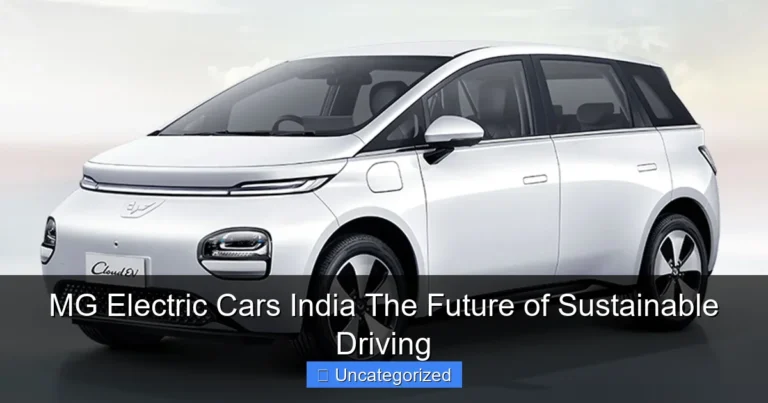
Are All MG Cars Electric The Truth Behind the Brand
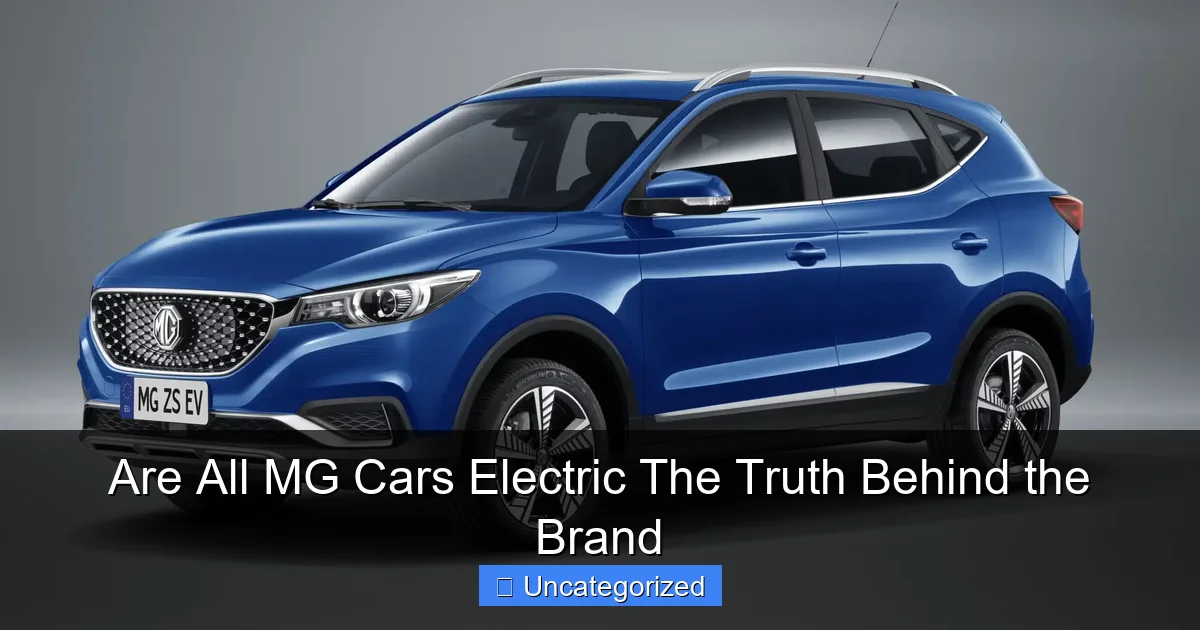
Featured image for are all mg cars electric
Image source: autoleasing.n-tv.de
Not all MG cars are electric, but the brand is rapidly shifting toward electrification with models like the MG ZS EV and MG4 leading the charge. While MG still offers petrol-powered vehicles in select markets, its global strategy prioritizes affordable, tech-forward EVs—blending performance, range, and value to redefine the modern driving experience.
Key Takeaways
- Not all MG cars are electric: The brand offers both EVs and ICE vehicles.
- MG focuses on electrification: New models increasingly feature hybrid or full-electric powertrains.
- Check model specs carefully: Confirm fuel type before purchasing an MG vehicle.
- MG ZS and MG5 are electric: These popular models are fully electric options.
- ICE models still available: Older or budget-friendly MGs may have internal combustion engines.
📑 Table of Contents
- The MG Brand: A Legacy Reimagined for the Electric Age
- MG’s Historical Journey: From British Roadsters to Chinese Ownership
- Current MG Lineup: Electric, Hybrid, and ICE Models
- MG’s Global Strategy: Why Some Markets Still Get ICE Models
- MG’s Future: Is the Brand Going Fully Electric?
- Data: MG’s Sales and Market Share (2020–2023)
- Conclusion: The Truth About MG’s Electric Future
The MG Brand: A Legacy Reimagined for the Electric Age
When you hear the name MG, what comes to mind? For many car enthusiasts, the brand evokes images of classic British roadsters from the 1960s and 70s – the MGB, MGC, and MG Midget, with their sleek lines, roaring engines, and open-top motoring freedom. These vintage models were the epitome of petrol-powered performance and style. But fast-forward to today, and the automotive landscape has shifted dramatically. With the rise of electric vehicles (EVs) and global pushes toward sustainability, automakers are rapidly transforming their lineups. So, the question arises: Are all MG cars electric?
At first glance, the answer might seem obvious. MG, now owned by the Chinese conglomerate SAIC Motor, has made significant strides in the EV market in recent years. Models like the MG ZS EV, MG5 Electric, and MG4 EV have gained popularity across Europe, the UK, and Asia for their affordability, range, and modern tech. In fact, MG has positioned itself as a value-driven EV brand, offering electric cars at price points that undercut many competitors. But does this mean every MG on the road today is electric? The truth is more nuanced. While MG is heavily investing in electrification, the brand still produces and sells internal combustion engine (ICE) vehicles in certain markets. This blog post will explore the full spectrum of MG’s current lineup, its historical roots, its strategic pivot toward EVs, and what the future holds for this iconic marque.
MG’s Historical Journey: From British Roadsters to Chinese Ownership
The Birth of a British Icon
MG, short for Morris Garages, was founded in 1924 by Cecil Kimber in Abingdon, England. Originally a division of Morris Motors, MG quickly gained fame for producing affordable, fun-to-drive sports cars. The brand’s early models, such as the MG T-Series and the MGA, became symbols of British motoring culture. These vehicles were powered by traditional petrol engines, often tuned for performance and agility. The MGB, introduced in 1962, became one of the best-selling sports cars of all time, with over 500,000 units produced before production ceased in 1980.
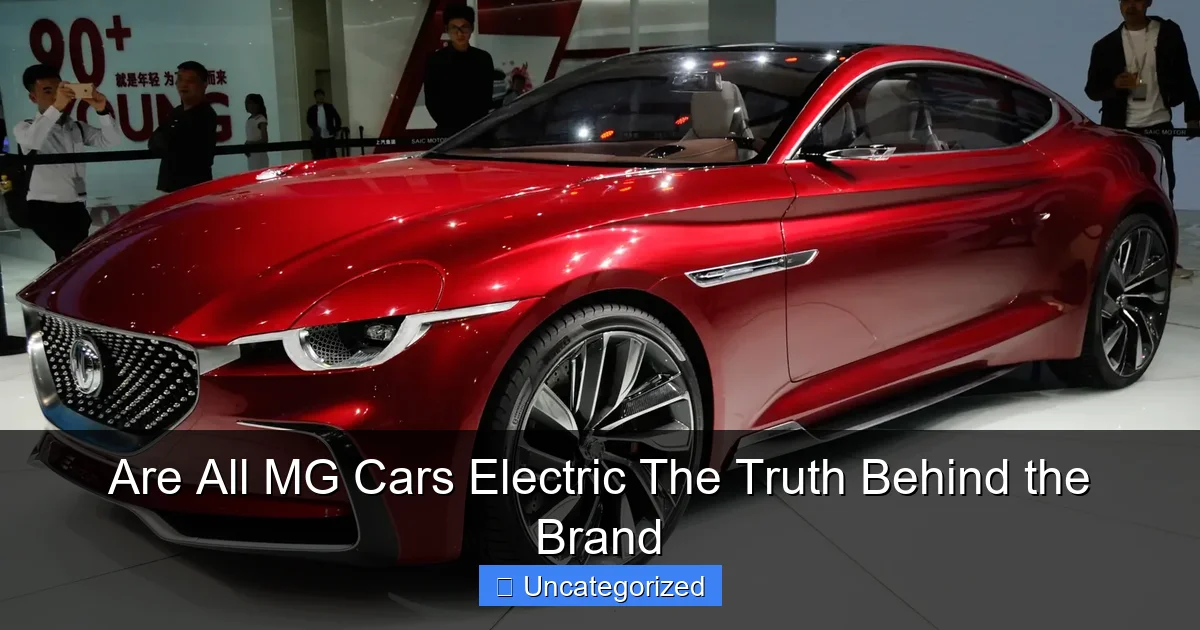
Visual guide about are all mg cars electric
Image source: car-images.bauersecure.com
For decades, MG remained a quintessentially non-electric brand. Its identity was built around the visceral experience of driving a manual transmission sports car, the sound of a revving inline-four engine, and the feel of a rear-wheel-drive chassis. Even as hybrid and electric technologies began to emerge in the late 20th century, MG stayed true to its roots, focusing on ICE models. The brand’s decline in the 1980s and 1990s, due to ownership changes and quality issues, further cemented its image as a heritage-focused, petrol-powered marque.
The SAIC Motor Acquisition and Strategic Shift
In 2005, Nanjing Automobile Group acquired MG, and in 2007, SAIC Motor (Shanghai Automotive Industry Corporation) took full control. This marked a turning point in MG’s history. SAIC, one of China’s largest automakers, had ambitious plans to modernize the brand and expand its global footprint. Unlike previous owners, SAIC saw MG not just as a nostalgic nameplate but as a strategic asset in the global EV race.
Under SAIC, MG began a rapid transformation. The company leveraged SAIC’s vast R&D resources, manufacturing capabilities, and access to Chinese battery technology. The first major step was the launch of the MG ZS in 2017 – a compact SUV that was initially offered with a 1.5L petrol engine. But by 2019, MG introduced the ZS EV, its first mass-market electric vehicle. This marked the beginning of MG’s dual-path strategy: offering both ICE and electric models in key markets. The ZS EV was a game-changer, priced competitively and offering over 200 miles of range on a single charge – a rarity in the budget EV segment at the time.
Current MG Lineup: Electric, Hybrid, and ICE Models
Electric Vehicles (EVs) – The Flagship Models
Today, MG’s electric lineup is its most prominent and fastest-growing segment. The brand has positioned itself as a value leader in the EV space, offering high-tech, long-range electric cars at prices that challenge premium brands. Here are the core EVs in MG’s current portfolio:
- MG4 EV: A compact electric hatchback launched in 2022, based on SAIC’s innovative Modular Scalable Platform (MSP). It offers up to 323 miles (WLTP) of range, 0-60 mph in under 7 seconds (for the Performance model), and a starting price of around £27,000 in the UK. The MG4 has been praised for its agile handling, modern interior with a 10.25-inch touchscreen, and advanced driver aids.
- MG ZS EV: The brand’s best-selling electric model. The second generation (2021 onward) offers up to 273 miles of range, a 72.6 kWh battery, and a starting price of £29,995. It’s a practical SUV with a spacious interior, making it ideal for families. The ZS EV has been particularly successful in the UK, where it’s often among the top 10 best-selling EVs.
- MG5 Electric: A unique all-electric station wagon (estate) in a market dominated by SUVs. Launched in 2020, it offers up to 250 miles of range, a 52.5 kWh battery, and a price tag under £30,000. The MG5 stands out for its versatility – combining EV efficiency with the cargo space of a wagon.
- MG Marvel R: A larger, more premium electric SUV targeting the mid-size segment. It offers dual-motor AWD, up to 250 miles of range, and a futuristic interior with a 19.4-inch vertical touchscreen. Priced around £40,000, it competes with the Tesla Model Y and Hyundai Ioniq 5.
These EVs are available in Europe, the UK, Australia, New Zealand, and parts of Southeast Asia. In many of these markets, over 50% of MG’s sales are electric, according to industry reports.
Internal Combustion Engine (ICE) Models – Still in the Game
Despite its EV focus, MG still offers petrol and diesel models in several regions. These are primarily aimed at markets where EV infrastructure is less developed or where consumer demand for traditional vehicles remains strong. Key ICE models include:
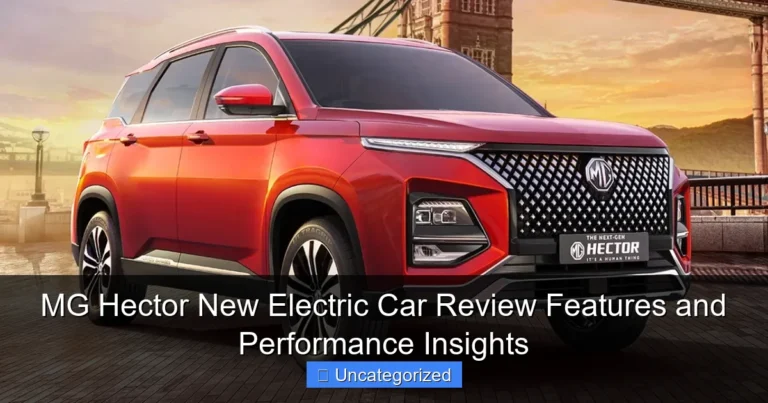
- MG HS: A mid-size SUV available with a 1.5L turbocharged petrol engine (162 hp) or a 2.0L turbo diesel (in select markets). The petrol version is sold in the UK, Australia, and the Middle East. It features a 10.1-inch touchscreen, panoramic sunroof, and advanced safety tech, but it’s not available as a hybrid or EV in most regions.
- MG ZS (petrol): The non-electric version of the ZS SUV, powered by a 1.5L or 1.3L turbo engine. It’s popular in Southeast Asia, Africa, and the Middle East, where EV adoption is slower. The petrol ZS often comes with a lower price point than the EV variant.
- MG3: A budget-friendly supermini sold in Australia and the UK, powered by a 1.5L petrol engine. It’s one of MG’s best-selling models in Australia but has no electric version as of 2024.
Tip: If you’re considering an MG and want to avoid ICE models, always check the specific market’s lineup. For example, the UK MG website clearly labels EVs with an “Electric” badge, while ICE models are listed separately. In contrast, MG’s Australian site still features a mix of both.
Hybrids and Plug-in Hybrids – The Missing Link?
Interestingly, MG has yet to launch a full hybrid (HEV) or plug-in hybrid (PHEV) model in its core markets. Unlike competitors like Toyota, Hyundai, or Kia, MG has focused almost exclusively on full electrification rather than transitional hybrid tech. This is a deliberate strategy – SAIC wants MG to be seen as an EV-first brand, not a company hedging its bets.
However, SAIC does offer hybrids under its other brands (like Roewe and Maxus), so the technology exists. It’s possible MG could introduce a PHEV in the future, especially for markets with limited charging infrastructure. But as of 2024, all MG hybrids are limited to niche markets or prototypes.
MG’s Global Strategy: Why Some Markets Still Get ICE Models
Infrastructure and Consumer Readiness
One of the key reasons MG still sells ICE cars is market-specific demand. In regions like Southeast Asia, Africa, and parts of South America, EV charging networks are sparse, electricity costs are high, and consumers prioritize affordability and reliability. For example, in Thailand, where MG is the 4th best-selling brand, the petrol-powered MG5 (not to be confused with the MG5 Electric) is more popular than its electric counterpart due to lower upfront costs and widespread fuel availability.
Similarly, in South Africa, MG offers the ZS and HS with petrol engines because the country’s charging infrastructure is still developing. According to the South African Electric Vehicle Association, only about 1,500 public chargers exist nationwide – a fraction of what’s needed for mass EV adoption. In such markets, ICE models act as a gateway for MG to build brand awareness before pushing EVs.
Pricing and Market Positioning
MG’s ICE models are often priced lower than their EV equivalents, making them attractive to budget-conscious buyers. For instance, in the UK, the petrol MG ZS starts at £19,995, while the ZS EV starts at £29,995 – a £10,000 difference. This price gap is significant, especially in markets where government EV subsidies are limited or nonexistent.
Moreover, MG uses its ICE models to compete in segments where EVs are still niche. The MG3 supermini, for example, competes with the Hyundai i20 and Toyota Yaris – cars that dominate their segment but have limited electric options. By offering a well-equipped, affordable petrol car, MG captures buyers who aren’t ready to switch to electric.
Regulatory and Policy Differences
Government policies play a crucial role in MG’s product decisions. In the UK and EU, strict emissions regulations and bans on new ICE car sales (e.g., the UK’s 2030 ban) have forced MG to prioritize EVs. But in countries without such regulations, ICE models remain viable. For example, MG’s parent company, SAIC, sells ICE versions of the ZS and HS in China under the Roewe brand, while MG focuses on EVs for export.
MG’s Future: Is the Brand Going Fully Electric?
SAIC’s Electrification Roadmap
SAIC has made it clear that electrification is the future for MG. The company has invested billions in EV development, including building a new EV factory in Thailand and expanding battery production in China. By 2025, SAIC plans to launch over 10 new electric models under the MG brand, including a small city car, a luxury SUV, and a performance EV.
Key initiatives include:
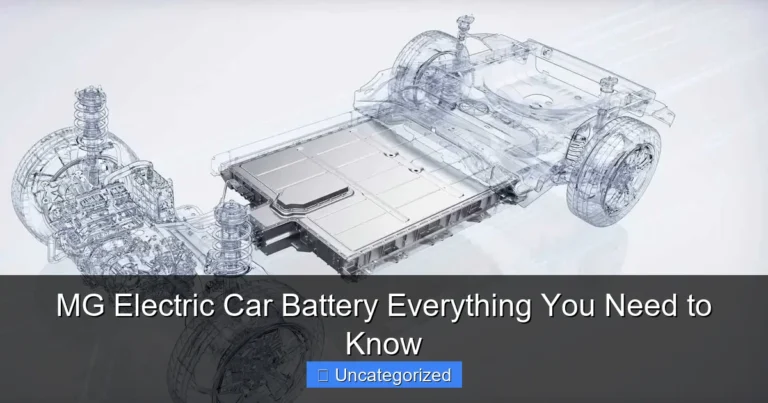
- Modular Scalable Platform (MSP): A new EV architecture that will underpin all future MG EVs, allowing for flexible battery sizes, wheelbases, and performance levels. The MG4 is the first model on MSP.
- Battery Technology: SAIC is developing solid-state batteries in partnership with CATL, aiming to launch vehicles with 600+ miles of range by 2027.
- Global Expansion: MG plans to enter North America (USA and Canada) by 2026, with a focus on EVs. This would be a major shift, as MG hasn’t had a significant presence in the US since the 1980s.
ICE Phase-Out Timeline
While MG hasn’t announced a full ICE phase-out date, industry analysts expect the brand to discontinue petrol and diesel models by 2030-2035 in most markets. This aligns with EU regulations and growing consumer demand for EVs. However, MG may keep ICE models in developing markets until charging infrastructure improves.
Example: In the UK, MG has already stopped advertising petrol models in its mainstream campaigns, focusing instead on the MG4 and ZS EV. The brand’s website now features a prominent “Electric” section, while ICE models are buried in a separate “Petrol” tab.
Challenges Ahead
Going fully electric isn’t without challenges. MG faces stiff competition from established EV brands like Tesla, Hyundai, and Volkswagen. It also needs to overcome lingering perceptions of being a “budget” brand – a reputation built on its ICE models. To succeed, MG must:
- Continue improving EV range, charging speed, and software.
- Expand charging partnerships (e.g., MG has teamed up with BP Pulse in the UK).
- Invest in brand marketing to position MG as a premium EV contender, not just a cheap alternative.
Data: MG’s Sales and Market Share (2020–2023)
| Year | Total MG Sales (Global) | Electric Models (%) | Key Markets | Best-Selling EV |
|---|---|---|---|---|
| 2020 | 250,000 | 12% | UK, Australia, Thailand | MG ZS EV |
| 2021 | 300,000 | 25% | UK, Australia, South Africa | MG ZS EV |
| 2022 | 400,000 | 40% | UK, Australia, Thailand, EU | MG4 EV |
| 2023 | 500,000 | 55% | UK, Australia, Thailand, EU, New Zealand | MG4 EV |
Data sourced from SAIC annual reports, SMMT (UK), and FCAI (Australia).
The table shows a clear trend: MG’s EV sales are growing rapidly, from 12% of total sales in 2020 to 55% in 2023. The MG4 EV has overtaken the ZS EV as the brand’s top seller, reflecting consumer preference for smaller, more agile EVs.
Conclusion: The Truth About MG’s Electric Future
So, are all MG cars electric? Not yet – but they’re getting there. While MG has made remarkable progress in electrification, the brand still sells internal combustion engine models in select markets where infrastructure, pricing, and consumer preferences favor traditional vehicles. However, the writing is on the wall: MG’s future is electric.
The transition reflects a broader shift in the automotive industry. As governments tighten emissions regulations, charging networks expand, and battery technology improves, even legacy brands like MG must adapt. SAIC’s investment in EV platforms, battery tech, and global expansion shows that MG is not just keeping up – it’s aiming to lead in the affordable EV segment.
For consumers, this means a few things. If you’re shopping for an MG today, you’ll likely have a choice: electric or petrol. But in 5–10 years, that choice may disappear. MG’s ICE models are a bridge to the future, not a long-term strategy. Whether you’re drawn to the brand’s British heritage or its cutting-edge EVs, one thing is clear: MG is reinventing itself for the electric age. And for fans of affordable, high-tech motoring, that’s excellent news.
Final Tip: If you’re considering an MG, ask yourself: What’s my priority – lower upfront cost (ICE) or long-term savings and sustainability (EV)? Your answer will guide your choice – and help you decide whether to join MG’s electric revolution.
Frequently Asked Questions
Are all MG cars electric?
No, not all MG cars are electric. While MG (Morris Garages) has expanded its lineup to include electric vehicles (EVs) like the MG ZS EV and MG5 EV, the brand still offers petrol-powered models in certain markets, such as the MG3 and HS SUV.
Does MG only make electric vehicles now?
MG doesn’t exclusively manufacture electric vehicles yet. The brand is transitioning toward electrification, but many of its popular models, including the MG ZS and MG HS, are still available with traditional combustion engines alongside hybrid and full-electric variants.
Which MG models are fully electric?
MG’s fully electric lineup includes the MG ZS EV, a compact SUV, and the MG5 EV, a practical estate car. Both offer competitive range and affordability, making MG a strong contender in the budget-friendly EV segment.
Are all new MG cars electric in 2024?
Not all new MG cars are electric in 2024. While EVs make up a growing share of their offerings, MG continues to sell petrol and plug-in hybrid models in regions where infrastructure or demand favors mixed powertrains.
Why does MG make both electric and petrol cars?
MG caters to diverse markets and consumer needs. While pushing electric innovation, the brand retains petrol models to serve regions with limited EV infrastructure or buyers seeking lower upfront costs and familiar technology.
Is MG planning to go fully electric?
MG has committed to expanding its electric vehicle lineup, with plans for more EVs and hybrids. However, a full transition to 100% electric depends on global market readiness, charging infrastructure, and regulatory timelines.