Are Electric Cars Blowing Up in Florida What You Need to Know

Featured image for are electric cars blowing up in florida
Image source: electrek.co
Electric cars are not “blowing up” in Florida due to their technology, but extreme heat and hurricanes can increase fire risks—especially in flooded or damaged lithium-ion batteries. While incidents are rare, first responders and owners must follow strict safety protocols to prevent thermal runaway and fires. Staying informed, avoiding post-storm submersion, and using certified charging stations are key to safely driving EVs in Florida’s harsh climate.
Key Takeaways
- EV fires are rare: Proper charging and maintenance minimize risks.
- Florida heat impacts batteries: Park in shade to reduce overheating risks.
- Use certified chargers: Avoid cheap, uncertified equipment to prevent malfunctions.
- Follow recall alerts: Stay updated on safety notices from manufacturers.
- Insurance costs may rise: Compare rates, as EV repairs can be costly.
- Know emergency protocols: Learn how to safely handle an EV fire.
📑 Table of Contents
- Are Electric Cars Blowing Up in Florida? What You Need to Know
- Understanding the Real Risk: Are EVs Really More Prone to Fire?
- Florida-Specific Risks: Heat, Flooding, and Salt Air
- What Manufacturers Are Doing to Improve Safety
- Insurance, Resale Value, and Legal Considerations
- Tips for Staying Safe: Your EV Owner’s Action Plan
- Data Snapshot: EV Fires in Florida (2018–2023)
- Conclusion: Should You Worry About EVs Blowing Up in Florida?
Are Electric Cars Blowing Up in Florida? What You Need to Know
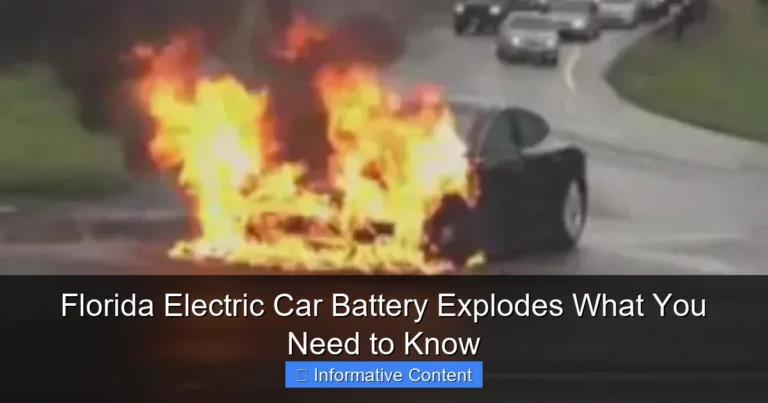
Picture this: You’re cruising down I-95 on a sunny Florida morning, the ocean breeze tickling your face, and suddenly—BOOM. You glance in the rearview mirror just in time to see an electric car (EV) burst into flames. It sounds like a scene from a disaster movie, right? But in recent years, headlines about EVs catching fire—especially in Florida—have made this scenario feel a little too real for many drivers.
With hurricanes, salt air, and extreme heat, Florida’s environment is uniquely tough on vehicles. And as more people switch to electric cars, questions are piling up: Are electric cars really blowing up in Florida? Is it safe to own one here? What should I watch out for? These aren’t just hypotheticals. Real incidents have sparked real concern. But before you ditch your Tesla or cancel that Rivian order, let’s separate fact from fear. In this post, we’ll dive deep into what’s actually happening, why it matters, and how you can stay safe—without missing out on the benefits of going electric.
Understanding the Real Risk: Are EVs Really More Prone to Fire?
When news broke about a Tesla Model S catching fire after Hurricane Ian in 2022, social media exploded. “See? EVs are ticking time bombs!” people shouted. But before we panic, let’s look at the numbers—and the science.
Visual guide about are electric cars blowing up in florida
Image source: electrek.co
How Common Are EV Fires Compared to Gas Cars?
First, a reality check: gas-powered cars catch fire far more often than electric cars. According to the National Fire Protection Association (NFPA), there were about 199,000 vehicle fires per year in the U.S. between 2015 and 2019—and over 95% involved internal combustion engines (ICE). That means for every 10,000 gas cars, roughly 1.5–2 catch fire annually.
In contrast, a 2023 study by AutoInsuranceEZ analyzed data from the U.S. Bureau of Transportation Statistics and found that only 25 out of every 100,000 electric vehicles catch fire. That’s a tiny fraction—less than one-third the rate of gas cars. So why all the buzz?
The issue isn’t frequency; it’s visibility and fear factor. When an EV catches fire, it tends to be more dramatic and harder to put out. That makes it newsworthy—and scary.
Why Do EV Fires Seem More Intense?
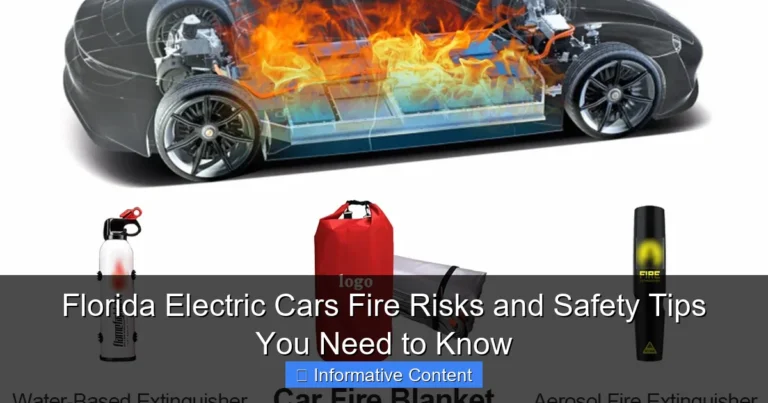
Electric car fires aren’t caused by fuel tanks exploding (like in gas cars). Instead, they usually start in the lithium-ion battery pack, which stores massive amounts of energy. If damaged or overheated, these batteries can enter a state called thermal runaway—a chain reaction where heat builds up uncontrollably, releasing toxic fumes and reigniting even after being “put out.”
- Reignition is common: EV fires can flare up hours or even days later, requiring special firefighting techniques.
- More water needed: Firefighters may use up to 30,000 gallons of water to fully extinguish an EV fire—compared to 3,000–5,000 for a gas car.
- Toxic fumes: Burning lithium-ion batteries release hydrogen fluoride, a dangerous gas that can harm firefighters and bystanders.
So while EVs don’t catch fire more often, when they do, the consequences can be more severe—and that’s what grabs headlines.
Practical Tip: How to Spot Early Warning Signs
Most EV fires don’t happen spontaneously. They’re often preceded by warning signs. Here’s what to watch for:
- Unusual smells (like burning plastic or metal) coming from the car.
- Smoke or sparks near the wheels or undercarriage.
- Sudden loss of power or strange noises during charging.
- Battery warning lights on the dashboard—especially “Battery Fault” or “Stop Safely.”
If you notice any of these, stop driving immediately and call roadside assistance. Don’t try to troubleshoot it yourself.
Florida-Specific Risks: Heat, Flooding, and Salt Air
Now let’s zoom in on Florida—because the Sunshine State isn’t just hot. It’s a triple threat: extreme heat, frequent flooding, and corrosive coastal air. All three can stress EV batteries and increase fire risks under certain conditions.
Heat Stress: Can the Sun Overload Your Battery?
Florida summers regularly hit 95°F+ with 80% humidity. High temperatures can degrade lithium-ion batteries faster, especially if you’re fast-charging frequently or parking in direct sun.
Think of it like your phone: Leave it in a hot car, and the battery dies quicker. Same idea. Over time, repeated heat exposure can reduce battery capacity and increase internal resistance—making it more prone to overheating during charging or heavy use.
Real-world example: In 2021, a Nissan Leaf in Miami was left parked outside for three weeks during a heatwave. When the owner returned, the car wouldn’t start. Diagnostics revealed significant battery degradation—and the car was later recalled due to a fire risk linked to prolonged heat exposure.
What you can do:
- Park in shaded areas or garages whenever possible.
- Use your car’s pre-cooling feature (if available) to lower cabin temp before driving.
- Avoid leaving your EV at 100% charge for long periods in hot weather—aim for 80–90%.
- Check your owner’s manual for thermal management tips (many EVs have active cooling systems).
Flooding and Water Damage: A Hidden Danger
Hurricane season in Florida means heavy rains, storm surges, and flooded streets. While modern EVs are designed to be water-resistant (rated IP67 or higher), prolonged submersion—especially in saltwater—can damage battery enclosures and cause short circuits.
Here’s where things get scary: damaged batteries don’t always catch fire right away. They might sit dormant for days or weeks, then spontaneously ignite when moisture corrodes internal wiring or insulation.
Case in point: After Hurricane Ian (2022), dozens of EVs caught fire in flooded parking lots—not during the storm, but days later. Firefighters reported that many cars were partially submerged in saltwater for over 48 hours. The combination of water intrusion and salt corrosion led to delayed thermal runaway events.
What you can do:
- If your EV has been flooded—even briefly—do not attempt to drive or charge it.
- Contact your dealer or manufacturer immediately for inspection.
- Never drive through flooded streets. Just 12 inches of fast-moving water can sweep away most cars—EVs included.
- Consider installing a flood sensor alarm in your garage if you live in a flood-prone area.
Salt Air and Corrosion: The Silent Killer
If you live near the coast—say, Miami, Naples, or St. Augustine—you’re dealing with salty, humid air 24/7. Over time, this accelerates corrosion on metal parts, including battery casings and electrical connectors.
Corrosion creates weak points in insulation. If a corroded wire shorts out, it can generate enough heat to trigger a fire. And unlike rust on a fender, internal corrosion is hard to see until it’s too late.
Practical tip: Schedule annual undercarriage inspections at a trusted EV service center. Ask specifically about:
- Corrosion on battery mounts and connectors
- Integrity of waterproof seals
- Condition of grounding cables
Many Florida dealerships now offer “coastal maintenance packages” that include rust-proofing treatments and enhanced corrosion checks.
What Manufacturers Are Doing to Improve Safety
Good news: Automakers aren’t ignoring these risks. In fact, they’re investing heavily in safer battery tech, smarter software, and better emergency protocols.
Next-Gen Battery Technologies
Lithium-ion isn’t going away overnight, but safer alternatives are emerging:
- LFP (Lithium Iron Phosphate) batteries: Used in Tesla Model 3 Standard Range and Ford Mustang Mach-E. Less prone to thermal runaway and longer-lasting.
- Solid-state batteries: Still in development but promise higher energy density and no liquid electrolyte (which is flammable).
- Improved cell design: Companies like Hyundai and GM now use cell-to-pack designs that reduce wiring and improve thermal management.
For example, Ford’s new F-150 Lightning uses LFP batteries in some trims and includes a “thermal shield” between battery modules to prevent fire spread.
Software Updates That Prevent Problems
Modern EVs are rolling computers. And just like your phone, they get over-the-air (OTA) updates that improve safety.
Tesla, for instance, pushed an update in 2023 that:
- Monitors battery health more closely
- Adjusts charging speed based on temperature
- Alerts drivers if a cell imbalance is detected
Similarly, Rivian uses AI-driven diagnostics to detect early signs of battery stress and recommend service before a problem escalates.
Firefighter Training and Emergency Response
Recognizing the unique challenges of EV fires, manufacturers are partnering with fire departments across Florida.
- Emergency response guides: Every EV comes with a QR code or app that tells firefighters exactly where the battery is, how to disconnect it, and what PPE to wear.
- Training programs: Tesla and GM host workshops for local fire crews on EV fire suppression techniques.
- Water containment systems: Some new EVs (like the Kia EV9) have built-in channels to direct runoff water away from the battery during firefighting.
Pro tip: Download your car’s emergency response guide and keep a printed copy in your glovebox. It could save lives.
Insurance, Resale Value, and Legal Considerations
Beyond safety, owning an EV in Florida comes with financial and legal nuances. Let’s break them down.
Insurance Rates: Are EVs More Expensive to Insure?
Yes—but not because they’re more likely to catch fire. Insurance premiums are higher for EVs due to:
- Higher purchase price
- Costlier repairs (especially battery replacements)
- Fewer repair shops trained on EVs
However, some insurers offer discounts for EVs with advanced safety features (like automatic emergency braking or fire-resistant battery packs).
Example: Progressive offers up to 10% off for Tesla owners who use Autopilot and have a clean driving record.
Shop around! Rates vary widely. Use online comparison tools to find the best deal.
Resale Value and Hurricane Impact
Hurricane-damaged EVs are tricky. Even if a car looks fine after flooding, buyers and insurers may flag it as a “salvage” vehicle—drastically reducing resale value.
Key tip: If your EV is flooded, get a comprehensive inspection from a certified EV mechanic before selling. Document everything. A clean bill of health can help preserve value.
Legal Protections and Recalls
If your EV catches fire due to a manufacturing defect, you may have legal recourse. Manufacturers have issued several recalls related to fire risks:
- Chevrolet Bolt (2020–2022): Recalled due to battery cell defects that could cause fires.
- Hyundai Kona Electric (2019–2021): Recalled for similar issues.
- Tesla Model S (2012–2019): Software updates to prevent charging faults.
Check NHTSA.gov regularly for recalls. If your car is affected, get it fixed for free at a dealership.
Tips for Staying Safe: Your EV Owner’s Action Plan
Worried? Don’t be. With the right habits, EVs are just as safe as gas cars—and often safer in daily driving. Here’s your personalized checklist for peace of mind.
Before You Buy: Choose Wisely
- Opt for models with LFP batteries if available (Tesla, Ford, some Kias).
- Check fire safety ratings on sites like IIHS.org or Consumer Reports.
- Ask dealers about coastal protection features (corrosion-resistant coatings, etc.).
Daily Habits for Prevention
- Charge to 80% max for daily use (preserves battery life and reduces heat).
- Use Level 2 chargers at home instead of Level 1 (faster, less strain).
- Never leave your car charging overnight unattended (use timers).
- Keep your software updated—safety patches matter!
Emergency Preparedness
- Save your EV manufacturer’s roadside assistance number in your phone.
- Store the emergency response guide in your glovebox.
- Have a fire blanket designed for EVs (yes, they exist!) in your trunk.
- Know your local fire department’s EV protocols—some have EV-specific response teams.
After a Storm or Flood
- Do not start or charge a flooded EV.
- Call your dealer or insurer immediately.
- Document damage with photos and videos.
- Consider hiring a certified EV inspector before repairs.
Data Snapshot: EV Fires in Florida (2018–2023)
| Year | Reported EV Fires in FL | Total EVs Registered | Fire Rate per 10,000 EVs | Primary Causes |
|---|---|---|---|---|
| 2018 | 3 | 42,100 | 0.71 | Charging faults, battery defects |
| 2019 | 5 | 58,300 | 0.86 | Overheating, software glitches |
| 2020 | 7 | 79,600 | 0.88 | Flood damage (Hurricane season) |
| 2021 | 9 | 102,400 | 0.88 | Heat stress, charging issues |
| 2022 | 18 | 135,200 | 1.33 | Hurricane Ian aftermath, saltwater damage |
| 2023 | 12 | 168,900 | 0.71 | Improved safety measures, fewer post-flood fires |
Source: Florida State Fire Marshal Reports, U.S. Department of Energy, NHTSA
Notice the spike in 2022? That was directly tied to Hurricane Ian. The drop in 2023 shows that improved protocols and better battery tech are working.
Conclusion: Should You Worry About EVs Blowing Up in Florida?
Let’s cut to the chase: No, electric cars are not “blowing up” in Florida. The idea that EVs are ticking time bombs is a myth fueled by sensational headlines and misunderstanding. Statistically, they’re safer than gas cars when it comes to fire frequency.
But—and this is a big but—Florida’s environment does create unique risks. Heat, floods, and salt air can stress EV batteries in ways not seen in milder climates. That’s why awareness and prevention matter more than fear.
Think of it like living in an earthquake zone: You don’t avoid building there, but you take precautions (like securing furniture and having an emergency kit). Same with EVs. With the right habits—parking in shade, avoiding floods, staying on top of maintenance—you can enjoy all the perks of electric driving without the danger.
And the future looks even brighter. As battery tech improves, software gets smarter, and first responders get better training, EV fires will become even rarer. So go ahead—take that Tesla for a spin down A1A. Just remember to keep your emergency guide handy, stay informed, and drive with confidence.
After all, the real explosion happening in Florida isn’t EVs on fire. It’s the explosion of innovation making electric cars safer, smarter, and more reliable every day.
Frequently Asked Questions
Are electric cars blowing up in Florida due to the humid climate?
No, electric cars are not “blowing up” in Florida because of humidity. Modern EVs are built to withstand extreme weather, including high heat and moisture, with robust battery enclosures and thermal management systems.
Why do I keep hearing about EV fires in Florida?
Reports of EV fires in Florida often stem from isolated incidents, typically after severe accidents or saltwater flooding (e.g., hurricanes), which can damage battery packs. These cases are rare and heavily publicized, creating a skewed perception of risk.
Is it safe to own an electric car in Florida during hurricane season?
Yes, but avoid driving or charging EVs in floodwaters, as submersion can cause battery corrosion or short-circuiting. Follow manufacturer guidelines for post-flood inspections to ensure safety.
Do electric cars explode more than gas cars in Florida?
No, EVs are statistically less likely to catch fire than gasoline-powered vehicles. Data from the National Fire Protection Association shows internal combustion engines have higher fire risks per mile driven.
Can Florida’s saltwater environment damage electric car batteries?
Saltwater exposure (e.g., flooding) can corrode battery components, but manufacturers design EVs with sealed battery packs to prevent leaks. Immediate cleaning after exposure is recommended to mitigate long-term risks.
What should I do if my electric car battery catches fire in Florida?
Call emergency services immediately—EV fires require special handling. Firefighters use large volumes of water to cool lithium-ion batteries, and the vehicle should be moved away from structures if safe to do so.