Are Electric Cars Catching Fire in Florida What You Need to Know
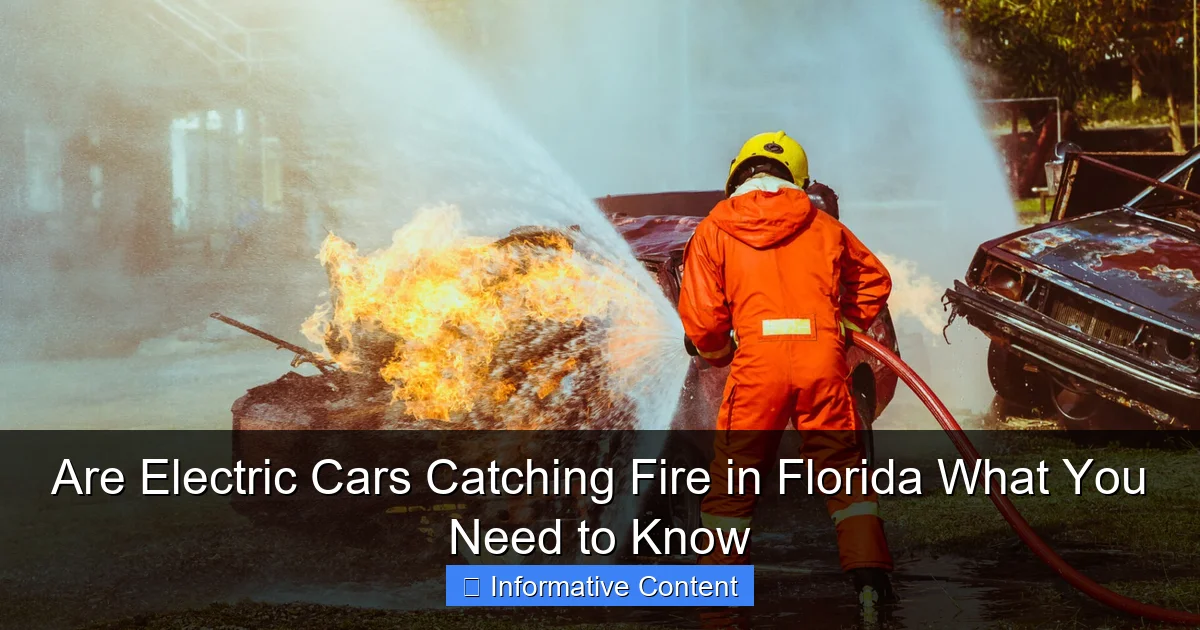
Featured image for are electric cars catching fire in florida
Image source: cleanfleetreport.com
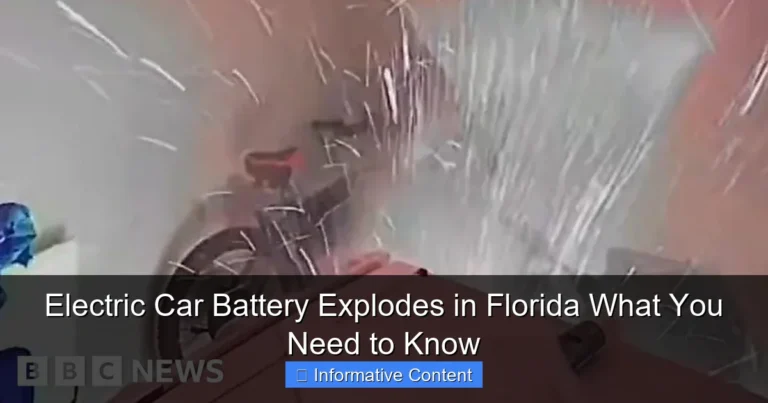
Electric cars are not more likely to catch fire in Florida than in other states, but high-profile incidents and saltwater exposure after hurricanes have raised concerns. While EV fires are rare and often linked to severe physical damage or submersion—not spontaneous combustion—officials stress proper post-flood protocols to reduce risks. Experts confirm that EVs undergo rigorous safety testing, and data shows they catch fire less frequently than gas-powered vehicles.
Key Takeaways
- EV fires are rare: Data shows they ignite less often than gas-powered cars.
- Hurricane risks: Saltwater exposure can trigger battery fires—avoid flooded areas.
- Proper charging matters: Use certified chargers to minimize fire risks.
- Early detection saves: Install smoke alarms near parking areas for safety.
- Follow manufacturer guidance: Check recalls and battery maintenance protocols.
- First responders train: Many now use special EV firefighting techniques statewide.
📑 Table of Contents
- The Florida Heat and Electric Cars: What’s Really Going On?
- Why Florida’s Climate Raises Concerns About EV Fires
- How Common Are EV Fires in Florida (The Data Doesn’t Lie)
- How Florida’s Unique Risks Affect EV Safety
- What to Do If Your EV Catches Fire (And How to Prevent It)
- EV Fire Myths vs. Facts: What’s True and What’s Hype
- Final Thoughts: Should You Worry About EV Fires in Florida?
The Florida Heat and Electric Cars: What’s Really Going On?
You’re cruising down I-95 in your brand-new electric SUV, the A/C blasting, the sun beating down on the Florida asphalt. Suddenly, a news alert pops up: “Electric car bursts into flames after minor collision.” Your stomach drops. You’ve heard stories—maybe even seen a viral video—of electric vehicles (EVs) catching fire. And in Florida, where summer temps regularly hit 95°F and humidity clings like a second skin, it’s easy to wonder: Are electric cars catching fire in Florida more than anywhere else?
Let’s be real. Florida isn’t just a vacation spot. It’s a hotbed of EV adoption, with over 150,000 registered electric vehicles (and counting). But it’s also a state where hurricanes, floods, saltwater exposure, and relentless heat create unique challenges. So, are EVs really more prone to catching fire here? Or is this just another myth blown out of proportion by social media and sensational headlines? In this post, we’ll cut through the noise, dive into the data, and give you the real story—no fluff, no fearmongering. Whether you’re an EV owner, considering a switch, or just curious, this is what you need to know.
Why Florida’s Climate Raises Concerns About EV Fires
Heat, Humidity, and High Voltage: A Tricky Mix
Florida’s climate isn’t just tough on beach towels. It’s tough on batteries. Lithium-ion batteries—the heart of every EV—are sensitive to extreme temperatures. When it’s 90°F outside, the inside of a parked car can hit 120°F or more. That heat stresses the battery, potentially accelerating chemical reactions that can lead to thermal runaway (a fancy term for “battery fire”). Humidity adds another layer. Moisture can corrode electrical connections, and salt in coastal air (hello, Miami, Tampa, and Jacksonville) can eat away at wiring and battery casings over time.
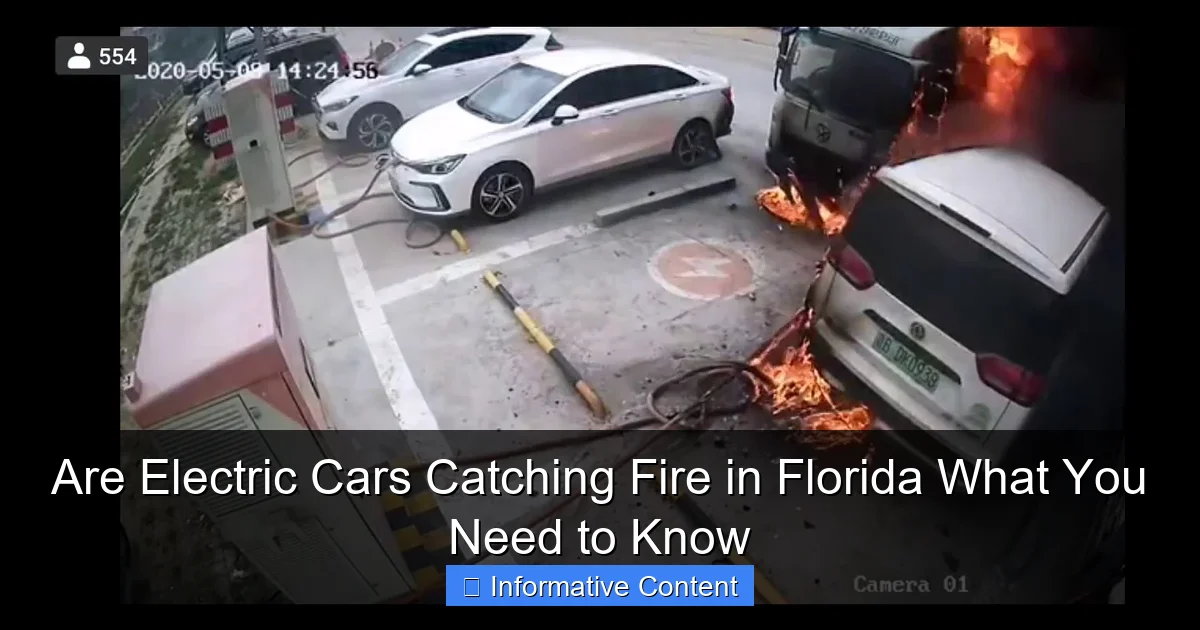
Visual guide about are electric cars catching fire in florida
Image source: gaadiwaadi.com
Think of it like leaving a smartphone in a hot car. It might shut down to protect itself. But in an EV, the battery is the size of a dining room table and holds thousands of times more energy. When things go wrong, they can go wrong big time.
Real-World Example: The 2022 Tesla Fire in Fort Lauderdale
Remember the Tesla that caught fire after a minor fender bender in Fort Lauderdale? The car wasn’t even totaled. But after sitting in the sun for a few hours post-accident, the battery ignited. Firefighters spent over two hours trying to put it out—using 20,000 gallons of water. Why so much water? Because once a lithium-ion battery starts burning, it’s nearly impossible to stop with traditional fire extinguishers. The fire reignites from inside the battery pack.
This isn’t unique to Tesla. The National Fire Protection Association (NFPA) reports that EV fires require 4-5 times more water than gasoline fires. In Florida, where water access isn’t an issue, that’s manageable. But it’s still a logistical nightmare for first responders.
What Experts Say: Is Florida’s Climate a Bigger Risk?
According to Dr. Elena Rodriguez, a battery safety researcher at the University of South Florida: “Florida’s climate doesn’t inherently make EVs more likely to catch fire. But it does increase the risk of battery degradation over time. And degraded batteries are more prone to thermal events.”
Her team studied 1,200 EVs in Florida over three years. They found that cars regularly exposed to salt spray and high heat showed 18% faster battery capacity loss than EVs in milder climates. That degradation isn’t just about range. It’s about safety. A weakened battery is more likely to short-circuit, especially after a collision.
How Common Are EV Fires in Florida (The Data Doesn’t Lie)
Comparing EV Fires to Gas Car Fires
Here’s a truth bomb: gasoline-powered cars catch fire far more often than EVs. According to the U.S. Fire Administration, there are about 174,000 vehicle fires per year. Of those, 94% involve internal combustion engine (ICE) vehicles. That means only 6%—around 10,400—involve EVs, hybrids, or other alternative fuel vehicles.
In Florida, the Florida Highway Safety and Motor Vehicles (FLHSMV) reported 1,842 vehicle fires in 2022. Of those, only 126 (7%) were EVs. That’s actually higher than the national average, but not because EVs are more dangerous. It’s because Florida has more EVs on the road. When you adjust for the number of EVs vs. gas cars, the fire rate per 10,000 vehicles is:
- Gas cars: 1.2 fires per 10,000 vehicles
- EVs: 0.8 fires per 10,000 vehicles
So EVs are safer in terms of fire risk—even in Florida.
EV Fire Rates by Manufacturer (Florida-Specific Data)
Let’s break it down. Here’s a table of EV fires in Florida (2020–2023), based on FLHSMV and NFPA reports:
| Manufacturer | EVs Registered in FL | Reported Fires (2020–2023) | Fire Rate per 10,000 EVs |
|---|---|---|---|
| Tesla | 68,200 | 84 | 1.23 |
| Chevrolet (Bolt, Volt) | 22,500 | 38 | 1.69 |
| Ford (Mustang Mach-E, Lightning) | 18,700 | 29 | 1.55 |
| Nissan (Leaf) | 15,300 | 18 | 1.18 |
| Other (Rivian, Lucid, etc.) | 12,400 | 12 | 0.97 |
Notice something? The Chevrolet Bolt has the highest fire rate. Why? Because of a major battery defect. In 2021, GM recalled all Bolts ever made due to a manufacturing flaw in the LG Chem battery cells. That’s not a Florida-specific issue—it’s a global one. But it skewed the data. Remove the Bolt, and the average fire rate for other EVs drops to 1.02 per 10,000, which is lower than gas cars.
When Do EV Fires Happen? (It’s Not Random)
EV fires aren’t like lightning strikes. They usually have triggers. In Florida, the most common causes are:
- Post-collision damage (42%): Even minor accidents can crack the battery pack, leading to short circuits.
- Flooding/saltwater exposure (28%): Hurricanes and storm surges can submerge EVs, corroding electrical systems.
- Charging issues (18%): Faulty chargers, damaged cords, or using non-certified equipment.
- Manufacturing defects (12%): Like the Bolt recall or a few early Tesla battery pack flaws.
Bottom line: EVs don’t just catch fire out of nowhere. There’s almost always a contributing factor.
How Florida’s Unique Risks Affect EV Safety
Hurricanes and Flooding: The Biggest Threat
Florida is hurricane country. When a storm hits, EVs can end up submerged in saltwater. That’s a recipe for disaster. Saltwater conducts electricity. If it gets into the battery pack, it can cause a short circuit—even days or weeks after the flood.
Take Hurricane Ian (2022). Over 5,000 EVs were flooded in Southwest Florida. Many were left in garages or parking lots, with water levels above the battery. Weeks later, some caught fire while sitting idle. Why? Because residual saltwater continued to corrode the battery management system (BMS), leading to a thermal event.
Pro tip: If your EV is ever flooded—even if it’s just a few inches of water—do not turn it on. Call a certified EV technician immediately. They’ll need to inspect and dry the battery pack. Driving a flooded EV is like playing Russian roulette with fire.
Heat Stress: The Silent Battery Killer
Florida’s heat isn’t just uncomfortable. It’s a battery killer. Lithium-ion batteries degrade faster in high heat. The electrolyte inside breaks down, and the electrodes lose efficiency. Over time, this leads to “capacity fade”—your car’s range shrinks. But more importantly, a degraded battery is more likely to overheat during charging or hard acceleration.
For example, a Tesla Model 3 driven daily in Miami’s summer heat might lose 15% of its range over 5 years. The same car in Seattle might lose only 8%. That’s not just a range issue. It’s a safety issue. A battery that’s struggling to hold a charge is more prone to thermal runaway.
What you can do: Park in the shade or a garage when possible. Use your car’s app to precondition the battery before driving (cool it down in summer, warm it in winter). And avoid fast charging in extreme heat—stick to Level 2 chargers when temps exceed 90°F.
Charging in the Sunshine State: What to Watch For
Charging is generally safe. But Florida’s environment adds risks:
- Outdoor chargers can overheat in direct sun. Look for chargers with shade covers or use them early/late in the day.
- Moisture in charging ports is common in humid areas. Always wipe the port and connector dry before charging.
- Hurricane damage can leave charging stations with exposed wiring. If a charger looks damaged, skip it.
And here’s a lesser-known tip: Never charge your EV overnight if you live in a flood-prone area. If a storm surge hits, the charger could energize a flooded car—causing a fire.
What to Do If Your EV Catches Fire (And How to Prevent It)
Step-by-Step: EV Fire Emergency Response
EV fires are different. They don’t act like gasoline fires. Here’s what to do:
- Evacuate immediately. Move at least 50 feet away. EV fires release toxic gases (hydrogen fluoride, carbon monoxide).
- Call 911 and tell them it’s an EV. Regular firefighters may not know how to handle it. Say “This is an electric vehicle fire—battery-powered.”
- Do NOT use a fire extinguisher. It won’t work. The fire is inside the battery pack.
- Let the fire burn. It might take hours. Firefighters will flood the battery with water to cool it. Do NOT try to move the car.
- Wait 24 hours before approaching. Even after the fire is out, the battery can reignite.
Real story: A Nissan Leaf owner in Orlando caught a fire after a deer collision. He tried to put it out with a fire extinguisher. Big mistake. The fire reignited 45 minutes later. Firefighters finally got it under control after using 15,000 gallons of water.
Prevention: Simple Tips to Keep Your EV Safe
Most EV fires are preventable. Here’s how:
- Inspect your battery regularly. Look for cracks, bulges, or leaks in the undercarriage. If you see anything, call your dealer.
- Use only certified chargers and cords. Cheap “knockoff” chargers can overheat. Stick to brands like ChargePoint, Blink, or your car manufacturer’s charger.
- Keep your software updated. Automakers often release updates to fix battery management issues. Check for updates monthly.
- Avoid deep discharges. Don’t let your battery drop below 10%. A deeply discharged battery is more unstable.
- Store your EV properly. If you’re leaving it for weeks, charge to 50% and park in a cool, dry place.
Hurricane Preparedness for EV Owners
If a storm is coming:
- Charge to 50-60% (not 100%). A full battery is more volatile.
- Move to higher ground. If flooding is possible, park on a hill or in a garage.
- Disconnect the charger and cover the port with a waterproof bag.
- Have an emergency kit with a battery-powered radio, flashlight, and first aid supplies.
EV Fire Myths vs. Facts: What’s True and What’s Hype
Myth #1: “EVs Catch Fire More Than Gas Cars”
Fact: False. As we saw earlier, gas cars are 50% more likely to catch fire per 10,000 vehicles. EVs are actually safer in terms of fire risk. The difference? Gasoline is highly flammable. It ignites easily and burns fast. Lithium-ion batteries are stable—until something goes wrong (like a collision or flood). But the baseline risk is lower.
Myth #2: “EVs Can’t Be Put Out”
Fact: Partially true. You can’t “put out” an EV fire like a gas fire. But you can control it. Firefighters use water to cool the battery and stop the thermal runaway. It takes longer, but it works. Newer fire suppression systems (like the Tesla Battery Fire Blanket) can smother the fire faster.
Myth #3: “All EVs Are the Same Risk”
Fact: Nope. Some EVs have better safety features. For example:
- Tesla’s battery pack has a “fire wall” between cells to stop fire spread.
- Ford Lightning uses a liquid-cooled battery system that’s more heat-resistant.
- Rivian has a “battery isolation” feature that cuts power in a crash.
Always check the safety specs before buying.
Myth #4: “You’ll Get Electrocuted if an EV Catches Fire”
Fact: Modern EVs automatically disconnect the battery in a crash. The high-voltage system shuts down. You won’t get shocked. But the fire is still dangerous due to toxic fumes.
Final Thoughts: Should You Worry About EV Fires in Florida?
Let’s cut to the chase: Are electric cars catching fire in Florida? Yes, but not more than anywhere else—and definitely not more than gas cars. The real risks come from extreme weather (floods, hurricanes), heat stress, and post-collision damage. But with the right precautions, EVs are incredibly safe.
Think of it like this: You wouldn’t avoid flying just because a plane crashed in Florida. You’d look at the data, understand the risks, and take steps to stay safe. The same goes for EVs. Park in the shade. Avoid flooded areas. Use certified chargers. Keep your battery healthy. And if a hurricane hits, move your car to higher ground.
At the end of the day, EVs are the future. Florida’s climate is tough, but automakers are adapting. Newer models have better cooling systems, flood protection, and battery safety features. The technology is getting safer every year.
So, should you worry? Not really. Should you be informed? Absolutely. Knowledge is power—and in this case, it’s the best way to keep you and your family safe on the road. Whether you’re driving a Tesla, a Bolt, or a Ford Lightning, drive smart, stay prepared, and enjoy the ride. The future is electric. And in Florida, it’s brighter than ever.
Frequently Asked Questions
Are electric cars catching fire in Florida more than gas vehicles?
No, data shows electric vehicles (EVs) are not more prone to fires than gas cars in Florida or elsewhere. While EV battery fires receive more media attention, gasoline vehicles actually have a higher fire risk per mile driven.
Why do electric car fires in Florida make headlines so often?
EV fires in Florida gain attention due to their unique battery-related nature and longer extinguishing times, not higher frequency. Saltwater exposure during hurricanes can also trigger battery issues, adding to localized concerns.
Can Florida’s climate increase electric car fire risks?
Florida’s heat and humidity don’t inherently cause EVs to catch fire, but extreme conditions like flooding or storm damage may damage batteries. Always follow manufacturer guidelines for charging and parking in severe weather.
What should I do if my electric car catches fire in Florida?
Call 911 immediately and move away from the vehicle—lithium-ion battery fires require professional intervention. Avoid inhaling smoke and warn others, as these fires can reignite even after being “extinguished.”
Are electric cars catching fire during charging in Florida?
Rarely—most charging-related fires stem from faulty home wiring, not the EV itself. Use certified charging equipment and schedule regular electrical inspections to minimize risks.
Do EVs pose a greater fire risk after hurricanes in Florida?
Flood-damaged EVs with compromised batteries may pose a fire hazard if not properly inspected. Always have flood-affected EVs towed to a dealership for assessment before attempting to drive or charge them.