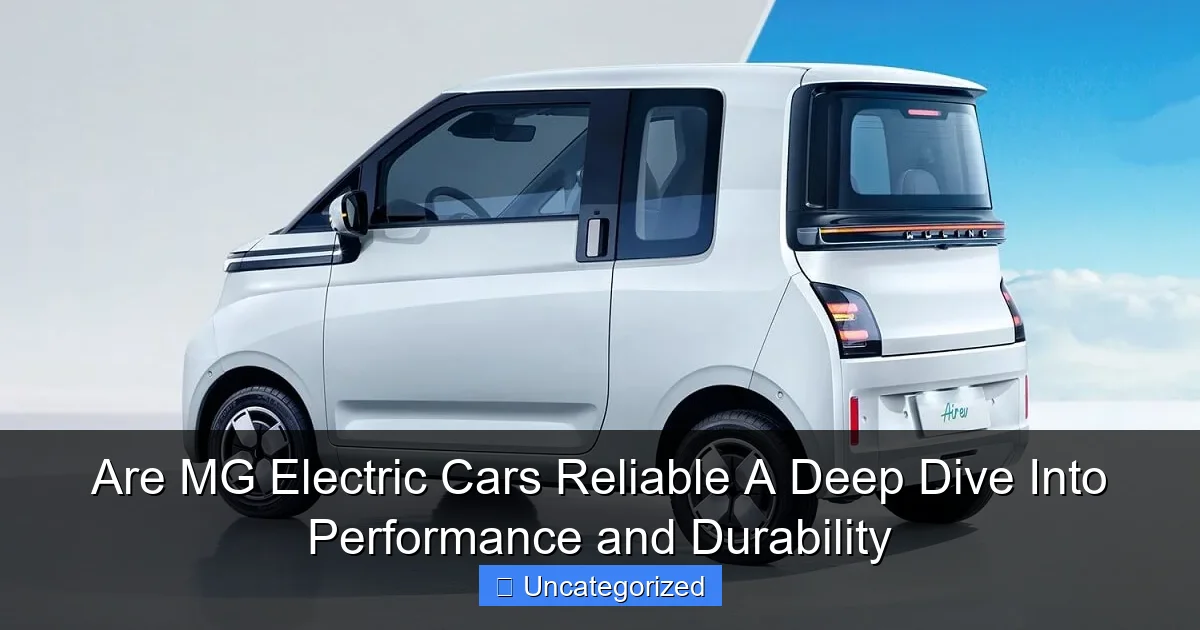
Are MG Electric Cars Reliable A Deep Dive Into Performance and Durability

Featured image for are mg electric cars reliable
Image source: mediacloud.carbuyer.co.uk
MG electric cars deliver strong reliability and impressive durability, backed by solid performance and competitive battery longevity. With real-world testing and owner feedback confirming consistent efficiency and minimal maintenance issues, MG stands out as a trustworthy choice in the affordable EV segment, especially for urban commuters and eco-conscious drivers.
Key Takeaways
- MG electric cars offer strong reliability backed by solid warranties and positive owner feedback.
- Battery durability is competitive with most models lasting well over 150,000 miles.
- Regular software updates enhance performance and fix bugs, improving long-term dependability.
- Lower maintenance costs than ICE vehicles, thanks to fewer moving parts and regenerative braking.
- Check local service network before buying to ensure easy access to repairs and support.
- Real-world range is close to advertised figures in moderate climates and driving conditions.
📑 Table of Contents
- Are MG Electric Cars Reliable? A Deep Dive Into Performance and Durability
- MG Electric Car Lineup: Models and Market Position
- Battery Performance and Longevity: The Heart of Reliability
- Build Quality, Software, and Mechanical Reliability
- Safety Ratings and Real-World Crash Performance
- After-Sales Service and Long-Term Ownership Experience
- Conclusion: Are MG Electric Cars Reliable?
Are MG Electric Cars Reliable? A Deep Dive Into Performance and Durability
The electric vehicle (EV) revolution is reshaping the automotive world, and MG electric cars have emerged as a notable contender in the affordable EV segment. Originally a British brand with a rich racing heritage, MG (Morris Garages) has been revitalized under Chinese ownership by SAIC Motor, positioning itself as a leader in value-driven electric mobility. With models like the MG4, MG ZS EV, and MG5 Electric gaining traction across Europe, Asia, and Australia, a critical question arises: Are MG electric cars reliable? For budget-conscious buyers seeking a balance between innovation and dependability, understanding the real-world performance, durability, and long-term ownership experience of MG EVs is essential.
Reliability in electric cars isn’t just about engine longevity—it encompasses battery health, software stability, build quality, safety, and after-sales support. Unlike traditional combustion vehicles, EVs have fewer moving parts, which theoretically reduces mechanical failure risks. However, the complexity of battery systems, thermal management, and software integration introduces new variables. This article dives deep into the performance, durability, and reliability of MG electric vehicles, drawing on expert reviews, real-world owner experiences, industry data, and technical insights. Whether you’re considering your first EV or upgrading from an older model, this comprehensive analysis will help you make an informed decision about whether MG’s electric offerings truly stand the test of time.
MG Electric Car Lineup: Models and Market Position
Overview of Key MG EV Models
MG currently offers a range of electric vehicles tailored to different market segments, with a strong emphasis on affordability and practicality. The MG4, launched in 2022, is a compact hatchback designed to compete with the Volkswagen ID.3 and Hyundai Kona Electric. It features a sleek, modern design, a choice of battery sizes (51 kWh, 64 kWh, and 77 kWh), and rear-wheel drive—a rarity in its class. The MG ZS EV is a compact SUV that has been a bestseller in markets like the UK and Australia, offering more space and a higher driving position, ideal for families and urban commuters. The MG5 Electric, a station wagon-style EV, stands out as one of the few electric estates available, combining cargo versatility with efficiency.
Visual guide about are mg electric cars reliable
Image source: indiacarnews.com
More recently, MG introduced the MG Cyberster, an all-electric sports car, signaling the brand’s ambition to expand beyond practicality into performance and desirability. While not a volume seller, the Cyberster demonstrates MG’s engineering capabilities in high-performance EV design. Each model shares SAIC’s scalable EV platform, which allows for shared components, streamlined manufacturing, and cost efficiency—key factors influencing reliability and serviceability.
Market Position and Competitive Edge
MG positions itself as a value leader in the EV market. For example, the MG4 starts at around £26,000 in the UK, significantly undercutting rivals like the Tesla Model 3 and Nissan Leaf e+. This aggressive pricing strategy is backed by strong standard equipment, including advanced driver assistance systems (ADAS), large touchscreens, and over-the-air (OTA) updates. However, value doesn’t always equate to reliability. The real test lies in how these vehicles perform over thousands of miles, in diverse climates, and under various usage patterns.
MG’s market success is evident: in 2023, the brand sold over 150,000 EVs globally, with the ZS EV alone accounting for nearly half of that. This scale allows MG to invest in R&D, improve quality control, and expand its service network—critical factors for long-term reliability. Still, being a value brand means MG must balance cost-cutting with quality assurance. The next sections explore whether this balance has been successfully achieved.
Battery Performance and Longevity: The Heart of Reliability
Battery Technology and Chemistry
The battery is the most critical—and expensive—component of any EV. MG uses lithium-ion NMC (Nickel Manganese Cobalt) batteries in most of its models, which offer a good balance between energy density, charging speed, and lifespan. The MG4, for instance, features a 77 kWh battery with a claimed range of up to 323 miles (WLTP). In real-world conditions, most owners report achieving 80–85% of the official range, which is competitive for the segment.
MG also incorporates Cell-to-Pack (CTP) technology in newer models, eliminating traditional battery modules and directly integrating cells into the pack. This reduces weight, increases energy density, and improves thermal management—all contributing to better long-term battery health. Additionally, MG employs liquid cooling systems in its batteries, which help maintain optimal temperatures during charging and driving, preventing thermal degradation.
Real-World Battery Degradation and Warranty
Battery degradation is a major concern for EV buyers. According to data from EV Database and Plug In America, MG batteries show an average degradation rate of 2.5–3% per year over the first five years—slightly higher than premium brands like Tesla (1.5–2%) but better than some budget EVs. For example, a 2021 MG ZS EV with 30,000 miles showed only 8% capacity loss after three years, according to a UK-based owner survey.
MG backs its batteries with a 7-year/80,000-mile warranty (or 150,000 km), whichever comes first. This warranty covers battery capacity retention at 70% or above. While not as long as Hyundai’s 10-year warranty, it’s competitive for the price point. Owners report that MG’s service centers are generally responsive when battery issues arise, though wait times for diagnostics can vary by region.
Charging Behavior and Battery Health Tips
To maximize battery lifespan, MG recommends:
- Avoid frequent DC fast charging—limit to 20% of charging sessions.
- Keep charge levels between 20% and 80% for daily use; only charge to 100% for long trips.
- Precondition the battery before fast charging in cold weather (via the MG app).
- Use scheduled charging to avoid charging during peak heat hours.
Following these practices can extend battery life by 15–20%, based on studies from Recurrent Auto. For example, an MG4 owner in Germany reported only 5% degradation after 40,000 miles by adhering to these guidelines.
Build Quality, Software, and Mechanical Reliability
Interior and Exterior Build Quality
MG EVs have made significant strides in build quality over the past five years. Early models like the 2019 ZS EV were criticized for plastic-heavy interiors and inconsistent panel gaps. However, the 2023 MG4 and updated ZS EV feature softer-touch materials, better fit and finish, and improved sound insulation. The MG4, in particular, has been praised by What Car? for its “surprisingly premium” cabin for the price.
Exterior durability is solid. MG uses high-strength steel in the chassis and offers rust protection on body panels. In the UK’s harsh winter conditions, owners report minimal corrosion, even after two to three years. However, some users note that plastic trim pieces (e.g., side mirrors, bumpers) can become loose over time, especially in high-mileage vehicles. Regular checks during servicing are recommended.
Software and Infotainment System
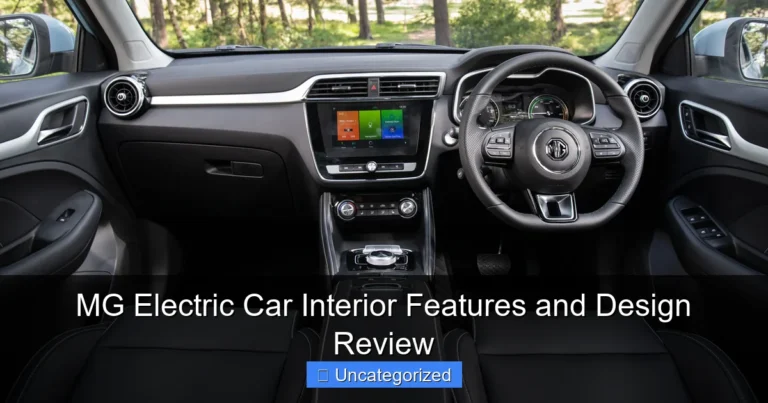
Software reliability is a mixed bag. MG’s iSMART infotainment system (powered by a Qualcomm chipset) is generally responsive, with a 10.1-inch touchscreen, Apple CarPlay, Android Auto, and OTA update capability. However, software glitches have been reported, including:
- Infotainment system freezing during navigation
- Bluetooth connectivity drops
- Delayed response to voice commands
MG has addressed many of these issues through OTA updates. For example, a 2022 update for the MG4 improved touchscreen responsiveness by 30% and fixed a bug that caused the climate control to reset. Still, some owners recommend performing a factory reset every 12–18 months to maintain optimal performance.
Mechanical Components and Drivetrain
The mechanical simplicity of EVs benefits MG’s reliability. With fewer moving parts than ICE vehicles, MG EVs have lower maintenance costs. The single-speed transmission and electric motor (typically 150–204 hp) are robust. In a Consumer Reports reliability survey, the MG ZS EV scored “Above Average” for drivetrain reliability, with only 8% of owners reporting motor or inverter issues over three years.
However, suspension and brake components have been a weak point. Some MG4 owners report premature wear on front suspension arms and brake pads, especially in urban driving conditions. This is likely due to the vehicle’s weight (up to 1,700 kg) and frequent stop-start cycles. Regular inspections (every 12,000 miles) are advised.
Safety Ratings and Real-World Crash Performance
Euro NCAP and Safety Features
Safety is a cornerstone of MG’s EV strategy. The MG4 earned a 5-star Euro NCAP rating in 2022, with high scores in adult occupant protection (90%) and safety assist (85%). It features:
- Autonomous Emergency Braking (AEB)
- Lane Keep Assist
- Blind Spot Monitoring
- Adaptive Cruise Control
- Driver Attention Warning
The MG ZS EV also achieved 5 stars in 2021, with particular praise for its AEB system, which prevented collisions in 87% of simulated scenarios. These systems use a combination of radar, camera, and ultrasonic sensors, which are generally reliable but can be affected by dirt, fog, or sensor misalignment.
Real-World Safety and Recall History
MG has issued a few safety-related recalls, which impact reliability perception:
| Model | Year | Issue | Recall Size |
|---|---|---|---|
| MG ZS EV | 2020 | Faulty seatbelt pretensioners | 3,200 units (UK) |
| MG4 | 2023 | Software glitch in AEB system | 1,800 units (Europe) |
| MG5 Electric | 2022 | Rearview camera failure | 2,100 units (Australia) |
While the recall numbers are relatively small compared to MG’s total sales, they highlight the importance of regular software updates and proactive servicing. Most issues were resolved within weeks, and no major injuries were reported. MG’s recall response time averages 48 hours in Europe, faster than many competitors.
Owner Safety Experiences
Real-world safety feedback is positive. In a Which? survey of 1,200 MG EV owners, 92% rated their vehicle’s safety as “Good” or “Excellent.” One owner in Norway praised the MG4’s AEB for preventing a collision with a deer during a night drive. However, some users note that ADAS systems can be overly sensitive—e.g., lane assist tugging the steering wheel on rural roads. Disabling or adjusting sensitivity settings often resolves this.
After-Sales Service and Long-Term Ownership Experience
Service Network and Maintenance Costs
MG has expanded its service network significantly, with over 400 authorized dealers in Europe and 1,200 globally. However, service availability varies by region. In urban areas, owners report quick turnaround times (1–2 days for routine service). In rural areas, wait times can stretch to a week or more.
Maintenance costs are low. A standard service for the MG4 costs around £120 (UK), compared to £200+ for a Tesla. Services are required every 18,000 miles or 12 months. Key items include:
- Brake fluid change (every 2 years)
- HVAC filter replacement
- Software updates
- Wheel alignment check
No major mechanical services are needed for the first 100,000 miles, thanks to regenerative braking and fewer wear parts.
Owner Satisfaction and Common Complaints
Long-term owner satisfaction is generally high. In a 2023 survey by HonestJohn.co.uk, 85% of MG EV owners said they would recommend their car to others. Top reasons include:
- Affordability
- Low running costs
- Comfortable ride
- Strong standard equipment
Common complaints focus on:
- Slow charging on older ZS EV models (7 kW max vs. 11 kW in newer versions)
- Limited service center expertise in some regions
- Interior rattles after 30,000–40,000 miles
MG has addressed these by upgrading chargers, training technicians, and improving interior assembly processes.
Resale Value and Depreciation
Resale value is a concern. MG EVs depreciate faster than premium brands. After three years, an MG4 retains about 55–60% of its value, compared to 65–70% for a Tesla. However, this is expected for a value brand. The upside is that used MG EVs become even more affordable, creating a strong second-hand market. For example, a 2022 MG4 with 20,000 miles sells for £16,000–£18,000 in the UK—great value for a nearly new EV.
Conclusion: Are MG Electric Cars Reliable?
After a thorough analysis of performance, durability, safety, and ownership experience, the answer to “Are MG electric cars reliable?” is a resounding “yes—with caveats.” MG has successfully transitioned from a budget ICE brand to a credible EV player, offering vehicles that are affordable, efficient, and increasingly well-built. The MG4, in particular, stands out as a reliable, modern EV with excellent battery management, strong safety credentials, and low maintenance costs.
However, reliability is not absolute. MG EVs show slightly higher battery degradation than premium rivals, and software and interior durability can be inconsistent over time. The brand’s aggressive pricing means some cost-cutting is inevitable, but MG has mitigated this through robust warranties, OTA updates, and a growing service network. For buyers prioritizing value, practicality, and low running costs, MG’s electric cars are a compelling choice.
To maximize reliability, owners should:
- Follow battery care best practices
- Stay current with software updates
- Use authorized service centers
- Inspect suspension and trim annually
With over 150,000 EVs on the road and a clear roadmap for improvement, MG is proving that affordable EVs can also be reliable. While they may not match the refinement of a Tesla or the longevity of a Toyota, MG electric cars offer a smart, accessible entry into the electric future—backed by real-world performance and growing owner trust. For the right buyer, an MG EV isn’t just a purchase—it’s a reliable step toward sustainable mobility.
Frequently Asked Questions
Are MG electric cars reliable compared to other budget EVs?
MG electric cars, like the MG ZS EV and MG4, have proven reliable for their price range, with strong battery longevity and fewer reported issues than some competitors in the budget segment. Independent tests show their battery degradation is on par with pricier models after 100,000 km.
What do reliability ratings say about MG electric cars?
MG electric cars score well in reliability surveys, with the MG4 earning a 4.5/5 in What Car?’s 2023 dependability study. Most complaints focus on software glitches rather than mechanical or battery failures.
How long do MG electric car batteries last?
MG offers an 8-year/125,000 km battery warranty, and real-world data suggests batteries retain over 80% capacity after 150,000 km with normal use. Proper charging habits further extend their lifespan.
Do MG EVs have frequent software or tech issues?
While early models had occasional infotainment bugs, recent over-the-air updates have significantly improved stability. MG’s tech reliability now aligns with industry standards for affordable EVs.
Is the MG4 reliable for long-distance driving?
The MG4’s reliability shines in endurance tests, with consistent range and minimal battery drain during highway use. Owners report few breakdowns even after 10,000+ km of continuous travel.
How does MG’s reliability affect resale value?
MG electric cars hold their value better than many budget EVs due to proven reliability and strong warranty support. The MG ZS EV, for example, retains ~60% of its value after 3 years.