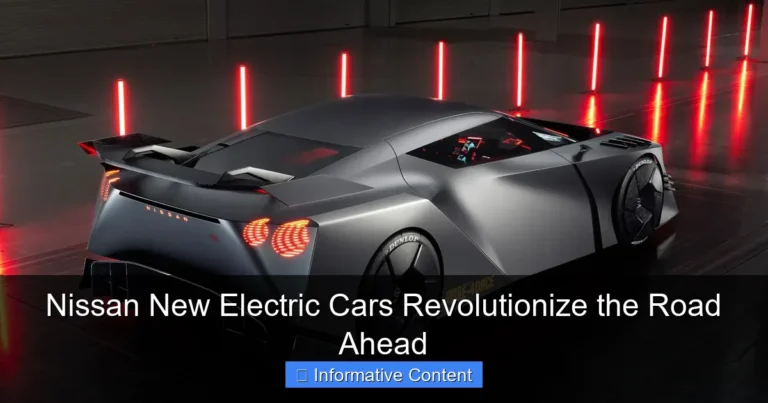
Are Nissan Electric Cars Good A Deep Dive Into Performance and Reliability

Featured image for are nissan electric cars good
Image source: 3.bp.blogspot.com
Nissan electric cars, especially the Leaf and Ariya, deliver strong reliability and practical performance for daily driving. With proven battery longevity, low maintenance costs, and improved range in newer models, Nissan stands out as a dependable choice in the affordable EV market.
Key Takeaways
- Nissan EVs offer strong reliability: Proven track record with minimal long-term issues.
- Affordable pricing: Competitive cost compared to other mainstream electric vehicles.
- Efficient daily performance: Ideal for city commutes with smooth acceleration.
- Charging infrastructure gaps: Slower DC fast charging than rivals like Tesla.
- ProPilot Assist excels: Advanced driver aids enhance highway safety and comfort.
- Battery longevity proven: Real-world data shows minimal degradation over time.
📑 Table of Contents
- Are Nissan Electric Cars Good? A Deep Dive Into Performance and Reliability
- 1. Nissan’s Electric Vehicle Lineup: From Leaf to Ariya
- 2. Performance and Driving Experience
- 3. Battery Technology, Range, and Charging
- 4. Reliability, Safety, and Ownership Costs
- 5. Interior, Tech, and Comfort
- 6. How Nissan Compares to the Competition
- Conclusion: Are Nissan Electric Cars Good?
Are Nissan Electric Cars Good? A Deep Dive Into Performance and Reliability
Electric vehicles (EVs) have taken the automotive world by storm, with manufacturers racing to offer sustainable, high-performance alternatives to traditional gas-powered cars. Among the early pioneers in the EV space is Nissan, a brand that made history with the Nissan Leaf, the world’s first mass-market electric car. Since its debut in 2010, the Leaf has sold over 600,000 units globally, cementing Nissan’s reputation as a trailblazer in the EV revolution. But in a rapidly evolving market filled with new competitors like Tesla, Hyundai, Kia, and Ford, the question remains: Are Nissan electric cars good?
To answer this, we need to look beyond the hype and examine key factors such as performance, battery technology, driving range, reliability, cost-effectiveness, and real-world ownership experiences. Nissan’s lineup, while not as expansive as some rivals, includes not only the Leaf but also the newer Ariya, a sleek electric crossover that aims to compete in the premium EV segment. In this comprehensive analysis, we’ll explore what Nissan brings to the table, where it excels, and where it may fall short compared to the competition. Whether you’re a first-time EV buyer or considering a switch from another brand, this deep dive will help you determine if Nissan electric cars are the right fit for your lifestyle and needs.
1. Nissan’s Electric Vehicle Lineup: From Leaf to Ariya
Nissan’s electric vehicle journey began over a decade ago with the Nissan Leaf, a compact hatchback designed for urban commuters. Fast forward to today, and the lineup has evolved to include the Nissan Ariya, a modern, tech-forward SUV that represents Nissan’s ambition to compete in the higher-end EV market. Let’s break down the current offerings and what each model brings to the table.

Visual guide about are nissan electric cars good
Image source: wordwallscreens.azureedge.net
The Nissan Leaf: The Pioneer of Mass-Market EVs
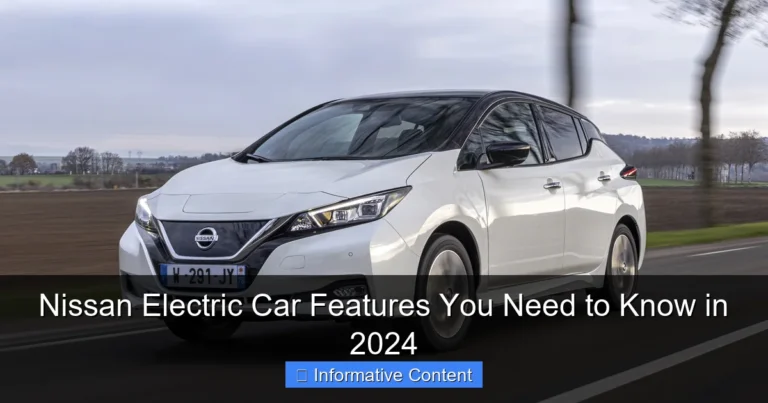
The Leaf has undergone several generations of improvements since its launch. The current 2023–2024 Nissan Leaf comes in two main trims: the Leaf S/Leaf SV with a 40 kWh battery and the Leaf SL/Leaf SV Plus with a 62 kWh battery. The base model delivers an EPA-estimated range of 149 miles, while the Leaf Plus offers up to 212 miles—a significant jump from early versions that struggled with sub-100-mile ranges.
- Best for: City drivers, short commutes, and budget-conscious buyers.
- Notable features: e-Pedal (one-pedal driving), ProPILOT Assist (semi-autonomous driving), 8-inch touchscreen, and Apple CarPlay/Android Auto.
- Real-world example: A Leaf owner in Portland, Oregon, reports using the car daily for a 40-mile round trip with plenty of range to spare, charging at home overnight.
While the Leaf isn’t a long-range EV, it excels in practicality, affordability, and ease of use—especially for first-time EV owners.
The Nissan Ariya: Nissan’s Leap Into the Premium EV Segment
The Nissan Ariya, launched in 2022, marks a bold step forward. With a starting price around $43,000, the Ariya targets buyers who want more space, style, and range. It offers multiple configurations:
- Front-wheel drive (FWD): 63 kWh or 87 kWh battery, up to 304 miles of range (EPA).
- All-wheel drive (AWD): Dual-motor setup, 87 kWh battery, up to 272 miles of range.
The Ariya features a futuristic design, a minimalist interior with dual 12.3-inch displays, and advanced driver-assistance systems (ADAS) like ProPILOT Assist 2.0, which supports hands-free driving on highways under certain conditions.
Practical tip: If you’re considering the Ariya, opt for the 87 kWh battery and AWD if you frequently drive in hilly or snowy regions—dual motors provide better traction and stability.
What’s Missing? A Mid-Sized SUV or Pickup
While the Leaf and Ariya cover compact hatchback and midsize crossover segments, Nissan currently lacks an electric SUV larger than the Ariya or an electric pickup truck. Competitors like Ford (F-150 Lightning), Hyundai (Ioniq 5, Ioniq 7), and Tesla (Model Y, Cybertruck) are filling these gaps, so Nissan may need to expand its lineup to remain competitive.
2. Performance and Driving Experience
When evaluating whether Nissan electric cars are good, performance is a critical factor—covering acceleration, handling, ride comfort, and driving dynamics. Let’s see how the Leaf and Ariya stack up.
Acceleration and Power
The Nissan Leaf Plus delivers 214 horsepower and 250 lb-ft of torque, allowing it to go from 0 to 60 mph in around 6.5 seconds. That’s not sports-car fast, but it’s more than adequate for city driving and highway merging. The base Leaf (147 hp) is noticeably slower but still responsive in urban environments.
The Ariya raises the bar significantly. The FWD version produces 238 hp, while the AWD e-4ORCE model boasts 389 hp and 442 lb-ft of torque, hitting 0–60 mph in about 5.1 seconds. That’s on par with many premium EVs like the Kia EV6 and Hyundai Ioniq 5.
Tip: If you enjoy spirited driving or frequently carry passengers and cargo, the Ariya AWD is worth the extra cost for its punchy acceleration and balanced power delivery.
Handling and Ride Quality
The Leaf has a soft, comfortable suspension tuned for city roads. It absorbs bumps well but leans noticeably in corners, making it better suited for relaxed, everyday driving. Steering is light and precise, ideal for parking and maneuvering in tight spaces.
The Ariya, by contrast, offers a more refined driving experience. Its e-4ORCE dual-motor system actively manages torque between the front and rear axles, improving cornering stability and reducing understeer. The ride is firm but not harsh, and the low center of gravity (thanks to the underfloor battery) enhances balance.
- Real-world insight: A reviewer from Colorado noted that the Ariya handled icy roads better than expected, with minimal wheel slip and strong regenerative braking.
Regenerative Braking and One-Pedal Driving
One of Nissan’s standout features is e-Pedal, which allows drivers to accelerate and decelerate using just the accelerator pedal. When released, the car slows down aggressively using regenerative braking, reducing wear on physical brakes and increasing efficiency.
Pro tip: New drivers should spend time adjusting to e-Pedal—it takes a few days to master, but once you do, it makes city driving smoother and more energy-efficient.
3. Battery Technology, Range, and Charging
Range anxiety remains a top concern for EV buyers. Nissan has made strides in battery efficiency, but how do its electric cars compare in real-world conditions?
Battery Options and Real-World Range
As mentioned, the Leaf offers 149–212 miles of range, while the Ariya ranges from 272 to 304 miles. However, real-world range can vary significantly based on:
- Temperature (cold weather reduces range by 20–30%)
- Driving style (aggressive acceleration drains the battery faster)
- Use of climate control (heating/cooling systems consume significant energy)
For example, a 2023 Ariya FWD with 87 kWh battery might deliver 260–280 miles in mild weather but drop to 190–210 miles in sub-freezing conditions with heated seats and defrosters running.
Charging Speeds and Infrastructure Compatibility
Nissan supports both Level 2 (AC) charging and DC fast charging:
- Level 2 (240V): Adds about 25 miles per hour of charging. A full charge takes 7–8 hours for the Leaf and 10–12 hours for the Ariya.
- DC Fast Charging (CCS1): The Leaf can charge from 15% to 80% in about 45 minutes (max 50 kW). The Ariya supports up to 130 kW, reaching 15–80% in roughly 30 minutes.
Important note: Unlike Tesla, Nissan uses the CCS1 charging standard, which is widely available at public stations but not compatible with Tesla Superchargers without an adapter.
Tip: Use apps like PlugShare or ChargeHub to locate nearby fast chargers, especially on road trips. Many Ariya owners report smooth charging experiences at Electrify America and EVgo stations.
Battery Longevity and Warranty
Nissan offers an 8-year/100,000-mile battery warranty on both the Leaf and Ariya, covering defects and capacity loss below 70%. This is standard among most EV manufacturers.
Long-term data shows that Leaf batteries degrade at about 5–8% per year, depending on usage and climate. Nissan has improved thermal management in newer models, which helps slow degradation.
Ownership tip: Avoid keeping the battery at 100% or 0% for extended periods. For daily use, charge to 80–90% to maximize battery lifespan.
4. Reliability, Safety, and Ownership Costs
Reliability is a make-or-break factor for any car purchase. How do Nissan electric cars fare in long-term dependability and ownership satisfaction?
Reliability Ratings and Common Issues
According to Consumer Reports and J.D. Power, the Nissan Leaf has a mid-tier reliability score (3/5 in 2023), with some recurring issues:
- Early models (2011–2017) had battery cooling problems in hot climates.
- Some owners reported infotainment glitches and HVAC system failures.
- The Ariya, being newer, has limited long-term data, but early reviews suggest strong build quality with minor software bugs.
However, Nissan has addressed many of these issues in newer generations. The 2020+ Leaf and 2023+ Ariya have improved software, better cooling systems, and more durable materials.
Safety Features and Crash Test Ratings
Both the Leaf and Ariya come with Nissan Safety Shield 360, a suite of driver-assistance technologies:
- Automatic emergency braking (AEB) with pedestrian detection
- Blind-spot monitoring
- Rear cross-traffic alert
- Lane departure warning and intervention
- ProPILOT Assist (adaptive cruise + lane centering)
The 2023 Nissan Ariya earned a Top Safety Pick+ rating from the IIHS, with superior crashworthiness and advanced safety tech. The Leaf received a Top Safety Pick in 2023, though it lacks the top-tier rating due to headlight performance in some trims.
Ownership Costs: Insurance, Maintenance, and Incentives
EVs generally have lower maintenance costs due to fewer moving parts. Nissan electric cars are no exception:
- Maintenance: No oil changes, spark plugs, or transmission fluid. Annual service averages $300–$500.
- Insurance: Slightly higher than gas cars (10–15%) due to higher repair costs, but varies by region and driver profile.
- Tax incentives: In the U.S., the Ariya qualifies for the full $7,500 federal tax credit (as of 2024), and many states offer additional rebates.
Example: A California buyer could save over $10,000 in combined federal and state incentives on an Ariya, making it a compelling value proposition.
5. Interior, Tech, and Comfort
Beyond performance and range, the daily driving experience depends heavily on cabin quality, tech features, and comfort.
Cabin Design and Materials
The Leaf has a functional but dated interior compared to newer EVs. The 2023 model updated the dashboard with a larger screen, but materials remain mostly hard plastics. It’s practical but not luxurious.
The Ariya, however, feels premium. It features:
- Soft-touch surfaces and available leather upholstery
- Heated and ventilated front seats (optional)
- Panoramic sunroof and ambient lighting
- Spacious rear seats with 37.2 inches of legroom
Interior noise levels are low, thanks to good insulation and the quiet electric motor.
Infotainment and Connectivity
Both models use Nissan’s latest infotainment system:
- 8-inch (Leaf) or 12.3-inch (Ariya) touchscreen
- Wireless Apple CarPlay and Android Auto
- Built-in navigation with EV route planning
- NissanConnect app for remote start, climate control, and charging status
Tip: The Ariya’s dual-screen setup (digital gauge + infotainment) is intuitive, but the touch-sensitive buttons below the screen can be hard to use while driving. Voice commands help.
Cargo Space and Practicality
The Leaf offers 23.6 cu ft of cargo space behind the rear seats, expanding to 30 cu ft with seats folded. The Ariya provides 22.8 cu ft (rear) and 59.7 cu ft (seats down), plus a small frunk (front trunk) for charging cables.
Ownership insight: The Ariya’s sloping roofline reduces vertical space compared to boxier SUVs, but it’s still sufficient for most families and weekend gear.
6. How Nissan Compares to the Competition
To determine if Nissan electric cars are good, we must benchmark them against key rivals.
| Model | Starting Price | Range (EPA) | 0–60 mph | Fast Charging Speed | Warranty |
|---|---|---|---|---|---|
| Nissan Leaf SV Plus | $38,000 | 212 miles | 6.5 sec | 50 kW | 8 yr/100k mi (battery) |
| Nissan Ariya Engage FWD | $43,000 | 304 miles | 7.2 sec | 130 kW | 8 yr/100k mi |
| Hyundai Ioniq 5 SE RWD | $42,000 | 303 miles | 7.4 sec | 350 kW | 10 yr/100k mi |
| Tesla Model Y Long Range | $48,000 | 330 miles | 4.8 sec | 250 kW | 8 yr/120k mi |
| Kia EV6 Wind RWD | $43,000 | 310 miles | 7.2 sec | 350 kW | 10 yr/100k mi |
Key takeaways:
- Nissan offers competitive pricing and solid range, especially with the Ariya.
- However, charging speeds lag behind Hyundai/Kia (E-GMP platform) and Tesla.
- Warranty coverage is standard, but Hyundai and Kia offer longer battery warranties.
- Nissan’s ProPILOT Assist is user-friendly but less advanced than Tesla Autopilot or GM Super Cruise.
Verdict: Nissan electric cars are good for buyers prioritizing affordability, proven reliability (Leaf), and a balanced blend of tech and comfort (Ariya). But if you need ultra-fast charging, cutting-edge autonomy, or maximum range, rivals may offer better value.
Conclusion: Are Nissan Electric Cars Good?
After a thorough analysis, the answer is a resounding “yes”—with caveats. Nissan electric cars are excellent choices for specific buyer profiles:
- First-time EV buyers will appreciate the Leaf’s simplicity, low maintenance, and proven track record.
- Urban and suburban families seeking a stylish, comfortable, and tech-rich SUV will find the Ariya highly competitive.
- Budget-conscious drivers can benefit from federal and state incentives, especially on the Ariya.
However, Nissan isn’t the best in every category. Its charging speeds, interior materials (Leaf), and lack of a long-range or performance-focused model mean it doesn’t dominate the premium EV space like Tesla or the charging infrastructure like Hyundai/Kia.
Ultimately, Nissan electric cars are good because they deliver reliable, practical, and increasingly sophisticated EV experiences. They may not be the flashiest or fastest, but they’re built to last, easy to live with, and backed by over a decade of real-world electric driving data. For drivers who value substance over hype, Nissan remains a compelling and trustworthy option in the electric future.
Frequently Asked Questions
Are Nissan electric cars good in terms of performance?
Nissan electric cars, like the Leaf and Ariya, deliver smooth acceleration and responsive handling, making them great for city driving. Their instant torque and quiet motors provide a comfortable, efficient ride for daily commutes.
How reliable are Nissan electric cars compared to other brands?
Nissan electric cars have a solid reputation for reliability, with the Leaf being one of the longest-running EVs on the market. While newer models like the Ariya show promise, long-term data is still emerging compared to rivals like Tesla.
Do Nissan electric cars have good range for long trips?
The Nissan Leaf offers 149–212 miles per charge, while the Ariya reaches up to 304 miles, making them better suited for urban use or short highway trips. For frequent long-distance travel, competitors may offer more range.
Are Nissan electric cars good value for the price?
Yes, Nissan EVs are competitively priced, with the Leaf being one of the most affordable new electric cars. The Ariya adds premium features at a mid-range cost, offering strong value for budget-conscious EV buyers.
What do owners say about Nissan electric car battery life?
Most Nissan Leaf owners report minimal battery degradation over time, especially in moderate climates. Nissan’s 8-year/100,000-mile battery warranty also provides peace of mind for long-term ownership.
Are Nissan electric cars good for first-time EV buyers?
Absolutely! Nissan’s intuitive tech, affordable pricing, and widespread charging network support make them ideal for EV newcomers. The Leaf’s simplicity and low maintenance further enhance its appeal.