Audi A6 e-tron 2026: Essential EV
The 2026 Audi A6 e-tron is a premium electric sedan that offers a glimpse into the future of luxury EVs. With its sleek design, advanced technology, and impressive performance, it’s set to compete with established players in the electric vehicle market. This article will explore its key features, expected pricing, and what makes it a compelling option for EV enthusiasts.
So, you’ve got your hands on a shiny new electric car, and you’re loving the smooth ride and eco-friendly cruising. But then, a little voice in the back of your head whispers, “What if I get a flat tire?” It’s a common concern, especially for first-time EV owners who might not have the same familiarity with traditional car maintenance. Don’t worry, though! Dealing with a flat tire in your electric Audi A6 e-tron 2026 isn’t as daunting as it might seem. We’re here to walk you through it, step by step, with clear instructions and helpful tips.
This guide is designed specifically for you – the new EV driver who wants to feel confident and prepared. We’ll break down the process into simple, easy-to-follow steps. You don’t need to be a car expert to handle this. We’ll cover everything from what tools you’ll need to how to safely change a tire. By the end of this article, you’ll know exactly what to do if you encounter a flat, ensuring you can get back on the road safely and quickly.
Introducing the 2026 Audi A6 e-tron: A New Era of Electric Luxury
The automotive world is buzzing with the anticipation of the 2026 Audi A6 e-tron. Audi, a brand synonymous with sophisticated design and cutting-edge technology, is poised to make a significant impact in the premium electric sedan segment with this new model. The A6 e-tron isn’t just another electric car; it represents a bold step forward for Audi’s electrification strategy, blending the brand’s signature luxury with the silent, powerful performance of electric propulsion. It’s built on the brand-new Premium Platform Electric (PPE) developed in collaboration with Porsche, promising a platform that’s optimized from the ground up for electric vehicles. This means enhanced battery packaging, improved aerodynamics, and a driving experience that’s both dynamic and refined.
Visually, the A6 e-tron is expected to turn heads. While official production models may differ slightly from concept cars, the design language points towards a sleek, coupe-like silhouette with clean lines and a distinctive front-end that eschews a traditional grille for a more aerodynamic and futuristic appearance. The interior is anticipated to continue Audi’s tradition of high-quality materials, minimalist design, and intuitive technology, likely featuring a large infotainment screen and a digital driver’s display. For drivers transitioning to electric vehicles, the A6 e-tron aims to offer a seamless and luxurious experience, making the switch not just practical but desirable.
Key Features and Innovations of the Audi A6 e-tron
The 2026 Audi A6 e-tron is packed with features that set it apart in the competitive EV landscape. Audi is known for its technological prowess, and the A6 e-tron is expected to be a showcase of their latest innovations. Here are some of the highlights:
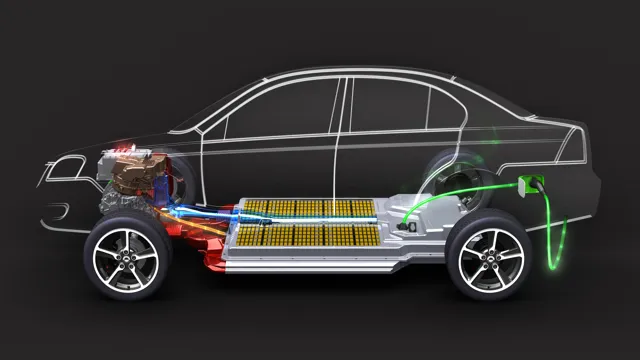
- PPE Platform: As mentioned, the dedicated PPE platform is a game-changer. It allows for a flat underfloor battery, maximizing interior space and providing a low center of gravity for superior handling. This platform also supports 800-volt architecture, enabling ultra-fast charging.
- Powertrain Options: Expect multiple powertrain configurations, including rear-wheel drive and all-wheel drive (quattro) variants. Performance figures are anticipated to be impressive, with acceleration that rivals or surpasses traditional gasoline-powered A6 models. Audi has hinted at performance variants that will offer exhilarating speed.
- Battery Technology and Range: The A6 e-tron is set to feature a substantial battery pack, likely exceeding 100 kWh, offering a projected range of over 400 miles on a single charge. This long range addresses one of the primary concerns for EV buyers, making it a viable option for longer journeys.
- Charging Capabilities: Thanks to the 800-volt system, the A6 e-tron will be capable of incredibly fast charging. Audi claims that adding up to 180 miles of range could take as little as 10 minutes at a compatible DC fast charger. This significantly reduces downtime on road trips.
- Advanced Driver-Assistance Systems (ADAS): Audi consistently integrates advanced safety and convenience features, and the A6 e-tron will be no exception. Expect features like adaptive cruise control, lane keeping assist, automated parking systems, and enhanced surround-view cameras.
- Digital Innovations: The interior will likely feature Audi’s latest MMI touch response system, potentially with augmented reality navigation, and a sophisticated digital cockpit. Over-the-air updates will ensure the car’s software remains current.
- Aerodynamics: The sleek, coupe-like design is not just for looks; it’s highly functional. Audi has focused on aerodynamic efficiency to maximize range and reduce wind noise, contributing to a quieter cabin experience.
Expected Pricing and Market Positioning
While official pricing for the 2026 Audi A6 e-tron is yet to be confirmed, industry estimates place it in the premium electric sedan segment, competing with vehicles like the Tesla Model S, Mercedes-Benz EQE, and BMW i5. Given Audi’s positioning and the advanced technology featured, it’s reasonable to expect a starting price in the range of $70,000 to $80,000 USD, with higher trims and performance variants potentially exceeding $90,000.
This pricing strategy aligns with Audi’s brand image and the premium features offered. The A6 e-tron aims to appeal to buyers who are looking for a luxurious, technologically advanced, and performance-oriented electric vehicle that doesn’t compromise on style or driving dynamics. It’s a significant investment, but one that promises a refined and future-proof driving experience.
What to Do If You Get a Flat Tire in Your Audi A6 e-tron 2026
Even with the advanced technology of the 2026 Audi A6 e-tron, flat tires can still happen. Road hazards like nails, glass, or even hitting a pothole hard can lead to a puncture. The good news is that changing a tire on an EV is fundamentally the same as on a gasoline car, with a few EV-specific considerations. Your Audi A6 e-tron will likely come equipped with a tire repair kit or a temporary spare tire, along with the necessary tools.
Here’s a step-by-step guide to help you navigate a flat tire situation safely and efficiently:
Step 1: Find a Safe Place to Pull Over

This is the absolute first and most crucial step. As soon as you notice your tire is flat or your car’s warning system indicates a low-pressure issue, resist the urge to brake hard or swerve. Instead, gently ease off the accelerator and steer the car to the side of the road. Look for a level, stable surface away from traffic. A parking lot, a wide shoulder, or a quiet side street is ideal. Avoid soft ground or inclines, as these can make jacking up the car unstable.
Why this is important: Your safety is paramount. A flat tire can affect your car’s handling, making it harder to control. Pulling over safely prevents further damage to your vehicle and, more importantly, protects you from passing traffic. A stable surface ensures the jack won’t slip.
Step 2: Engage the Parking Brake and Turn Off the Car
Once you’ve found a safe spot, engage your car’s parking brake firmly. If your A6 e-tron has an electronic parking brake, follow the car’s instructions to activate it. Then, turn off the car’s main power. For an EV, this means ensuring the vehicle is in park and the “ready” system is deactivated. Some EVs may require a specific sequence to ensure all high-voltage systems are safely disengaged. Consult your owner’s manual for specific instructions.
Why this is important: Engaging the parking brake prevents the car from rolling while you’re working on it. Turning off the car ensures no power is being sent to the drivetrain, which is a safety precaution, especially when working near the wheels and suspension components.
Step 3: Locate Your Tire Change Tools and Spare/Repair Kit
Your Audi A6 e-tron 2026 will come with specific tools for tire changes. These are usually located in the trunk or under the cargo floor. You’ll need to find:
- Jack: This device lifts the car.
- Lug Wrench: Used to loosen and tighten the lug nuts that hold the wheel on.
- Spare Tire or Tire Repair Kit: Depending on your car’s configuration, you might have a full-size spare, a compact spare (often called a “donut”), or a sealant and inflation kit.
- Owner’s Manual: Keep this handy for specific instructions related to your EV model.
Note: Many modern EVs, including potentially the A6 e-tron, may opt for a tire repair kit over a spare tire to save weight and space. Familiarize yourself with your car’s specific setup before you need it.
Why this is important: You can’t change a tire without the right equipment. Knowing where everything is stored beforehand saves valuable time and reduces stress in an emergency situation.
Step 4: Loosen the Lug Nuts
Before you lift the car, you need to loosen the lug nuts on the flat tire. Use the lug wrench and turn the nuts counter-clockwise. You might need to apply significant force. If they’re very tight, you can try using your foot to push down on the wrench handle, but be careful not to slip. Loosen each nut about half a turn to a full turn. Do not remove them completely yet.
Why this is important: Loosening the lug nuts while the tire is still on the ground prevents the wheel from spinning freely once the car is jacked up, making it much easier and safer to remove them. Trying to loosen them with the wheel in the air is extremely difficult and potentially dangerous.
Step 5: Position the Jack and Lift the Vehicle
Your owner’s manual will show you the specific jacking points for your Audi A6 e-tron. These are reinforced areas on the car’s frame designed to safely support the weight of the vehicle. Improper jacking can damage your car or cause the jack to slip.
Place the jack under the designated jacking point closest to the flat tire. Slowly and steadily operate the jack to raise the vehicle. Lift the car high enough so that the flat tire is completely off the ground, with enough clearance to remove it and install the spare.
Why this is important: Using the correct jacking points ensures the weight of the car is distributed safely, preventing damage to the undercarriage and maintaining stability. Lifting the car high enough allows for the tire to be removed and the spare to be fitted without obstruction.
Step 6: Remove the Lug Nuts and the Flat Tire
Now that the car is safely lifted, you can completely unscrew the lug nuts you loosened earlier. Keep them together in a safe place, like your pocket or a hubcap, so you don’t lose them. Once all the lug nuts are removed, grasp the flat tire firmly with both hands and pull it straight towards you. It might be a bit heavy, so be prepared. Lay the flat tire on its side under the car near the jack as an extra safety precaution.
Why this is important: Removing the lug nuts completely allows you to take the wheel off. Placing the flat tire under the car acts as a secondary safety measure; if the jack were to fail, the car would land on the old tire, not directly on the ground or you.
Step 7: Mount the Spare Tire
Align the spare tire with the wheel studs. Push it onto the studs until it sits flush against the hub. Replace the lug nuts and tighten them by hand as much as you can. Ensure the spare tire is centered correctly.
Why this is important: Properly aligning and seating the spare tire is crucial for safe driving. Hand-tightening the lug nuts ensures they are correctly positioned before you use the wrench.
Step 8: Lower the Vehicle and Tighten the Lug Nuts
Slowly lower the car using the jack until the spare tire is firmly on the ground, but the full weight of the car is not yet on it. Now, use the lug wrench to tighten the lug nuts in a star pattern (e.g., top, bottom, left, right, then in-between). Tighten them firmly. Once the tire is supporting some weight, lower the car completely. With the car fully on the ground, give the lug nuts a final, firm tightening in the same star pattern.
Why this is important: Tightening the lug nuts in a star pattern ensures the wheel is evenly seated against the hub, preventing wobbling and potential damage. Tightening them fully once the car is on the ground allows you to apply sufficient torque for a secure fit.
Step 9: Stow Your Tools and Flat Tire
Put the flat tire, jack, and lug wrench back in their designated storage locations. Double-check that everything is secure. If you used a tire repair kit, follow its instructions for cleanup and storage.
Why this is important: Keeping your trunk tidy and your tools accessible is important for future use and prevents items from shifting around while you drive.
Step 10: Check Tire Pressure and Drive Cautiously
If you used a spare tire, especially a compact “donut” spare, check its tire pressure immediately. These spares often require higher inflation pressures than regular tires. Drive cautiously and at a reduced speed (usually around 50 mph or 80 km/h, check the spare tire’s sidewall for limits). Compact spares are for temporary use only and are not designed for long distances or high speeds.
Why this is important: Compact spares have limitations for safety and performance. Driving too fast or too far on one can be dangerous and can damage the spare tire or your vehicle. It’s essential to get your original tire repaired or replaced as soon as possible.
Using a Tire Repair Kit (If Applicable)
If your Audi A6 e-tron 2026 came with a tire sealant and inflation kit instead of a spare tire, the process is different:
- Locate the Kit: Find the sealant bottle and the air compressor/inflator.
- Connect to Tire Valve: Remove the valve cap from the flat tire and connect the sealant bottle’s hose to the valve stem.
- Inject Sealant: Follow the kit’s instructions to inject the sealant into the tire. This usually involves pressing a button or valve on the sealant bottle.
- Inflate the Tire: Once the sealant is in, connect the air compressor to the tire valve (or the sealant bottle’s output, depending on the kit design) and inflate the tire to the recommended pressure. Your car’s door jamb sticker will have this information.
- Drive to Distribute Sealant: Drive the car slowly for a few miles (e.g., 5-10 miles or 8-16 km) at a moderate speed to allow the sealant to spread evenly inside the tire and seal the puncture.
- Re-check Pressure: After driving, check the tire pressure again and add more air if needed.
- Visit a Professional: A tire repair kit is a temporary fix. You must visit a tire professional as soon as possible to have the tire inspected and permanently repaired or replaced.
Important Note: Tire repair kits are generally effective for small punctures in the tread area of the tire. They may not work for sidewall damage or larger holes.
Why this is important: Tire repair kits offer a convenient way to temporarily fix a flat, allowing you to reach a service center without needing to change the tire. However, they are not a permanent solution and require professional inspection.
EV-Specific Considerations for Tire Changes
While the core process is similar, there are a few EV-specific points to keep in mind:
- Weight: EVs can be heavier than comparable gasoline cars due to their large battery packs. Ensure your jack is rated for the weight of your Audi A6 e-tron and that it’s placed on a stable surface.
- High-Voltage Systems: Be aware that EVs have high-voltage cables running through the vehicle. While these are typically well-insulated and located away from the wheels, it’s always best practice to avoid touching any components near the battery or drivetrain unless you are certain they are safe. Your owner’s manual will highlight any specific safety precautions.
- Regenerative Braking: The strong regenerative braking in EVs can sometimes feel like engine braking. When changing a tire, ensure the car is fully powered down and the parking brake is engaged to prevent any unexpected movement.
- Tire Pressure Monitoring System (TPMS): Your A6 e-tron will have a sophisticated TPMS. After changing a tire, the system may need to be reset or recalibrated. Check your owner’s manual for instructions on how to do this.
When to Call for Roadside Assistance
While this guide aims to empower you, there are situations where calling for professional help is the best course of action:
- Unsafe Location: If you cannot find a safe place to pull over, do not attempt a tire change.
- Damaged Jack Points: If you can’t locate or if the jacking points appear damaged, do not proceed.
- Stuck Lug Nuts: If the lug nuts are severely rusted or seized and you cannot loosen them with reasonable force.
- No Tools or Spare: If you discover you are missing essential tools or the spare tire/repair kit.
- Personal Discomfort or Inability: If you are physically unable to perform the task or feel unsafe.
- Sidewall Damage: If the flat tire has damage to the sidewall, a repair kit likely won’t work, and you’ll need a replacement.
Your Audi A6 e-tron 2026 will likely come with roadside assistance coverage. A quick call to your provider can get a tow truck to help you get to a tire shop.
Maintaining Your Audi A6 e-tron Tires
Preventing flats is always better than dealing with them. Here are some tips for maintaining your EV’s tires:
- Regularly Check Tire Pressure: Use a reliable tire pressure gauge and check your tires at least once a month, and before long trips. The correct pressure is crucial for safety, tire longevity, and optimal EV range. You can find the recommended pressure on a sticker in the driver’s side doorjamb or in your owner’s manual.
- Inspect for Wear and Damage: Periodically look for any signs of unusual wear patterns, cuts, bulges, or embedded objects in your tires.
- Tire Rotation: Follow Audi’s recommended schedule for tire rotations. This helps ensure even wear, extending the life of your tires and maintaining balanced handling. EVs can sometimes cause faster tire wear due to their instant torque and heavier weight.
- Wheel Alignment: If you notice your car pulling to one side or uneven tire wear, have your wheel alignment checked.
For more information on tire maintenance, you can refer to resources from organizations like the National Highway Traffic Safety Administration (NHTSA), which offers comprehensive guidance on tire safety.
Frequently Asked Questions (FAQ)
Q1: Will changing a tire on my 2026 Audi A6 e-tron damage the car’s battery or electrical system?
A1: No, if you follow the correct procedure and use the designated jacking points, changing a tire on your Audi A6 e-tron will not damage the battery or electrical system. EVs have safety systems in place to isolate high-voltage components. Always refer to your owner’s manual for specific instructions on jacking and safety precautions related to the high-voltage system.
Q2: How do I know if my Audi A6 e-tron has a spare tire or a tire repair kit?
A2: The best way to know for sure is to check your vehicle’s trunk or cargo area. Look for a spare tire (which might be a smaller “donut” type) or a compartment containing a tire sealant and inflation kit. Your owner’s manual will also clearly state what is included with your specific model and where to find it.
Q3: What is the difference between a compact spare tire and a regular tire?
A3: A compact spare tire, often called a “donut,” is significantly smaller and lighter than a full-size tire. It’s designed for temporary use only to get you to a repair shop. They typically have lower speed and distance limitations (e.g., maximum 50 mph or 80 km/h for a limited number of miles). Regular tires are designed for normal driving conditions.
Q4: Can I drive long distances on a compact spare tire?
A4: No, it is strongly advised against driving long distances on a compact spare tire. These tires are not built for extended use or high speeds. Driving on one for too long can be dangerous, compromise your car’s handling, and potentially damage the tire or your vehicle. Get your original tire repaired or replaced as soon as possible.
Q5: My tire repair kit didn’t work. What should I do?
A5: If the tire repair kit fails to seal the puncture or inflate the tire sufficiently, or if the damage is too severe for the kit, your best option is to call for roadside assistance. They can arrange for a tow to the nearest tire service center where the tire can be properly inspected and repaired or replaced.
Q6: How often should I check the tire pressure on my Audi A6 e-tron?
A6: It’s recommended to check your tire pressure at least once a month and before any long journeys. Tire pressure can fluctuate with temperature changes, and maintaining the correct pressure is vital for safety, tire longevity, and maximizing your EV’s range. Your car’s TPMS will alert you to significant pressure drops, but regular manual checks are still a good practice.
Q7: Are EV tires different from regular car tires?
A7: Yes, EV tires often have specific characteristics. They are typically designed to be more durable to handle the instant torque and heavier weight of EVs, and they often have lower rolling resistance to help maximize range. Some may also feature noise-dampening technology to compensate for the lack of engine noise. However, the fundamental process of changing them remains the same.
Conclusion: Drive with Confidence
The 2026 Audi A6 e-tron represents a significant step forward in luxury electric mobility, combining stunning design, advanced technology, and impressive performance. While the thought of a flat tire might seem intimidating, especially in a new and sophisticated vehicle, the process of changing one is manageable for any owner. By understanding the basic steps, knowing where your tools are, and prioritizing safety, you can confidently handle this common roadside issue.
Remember to always consult your Audi A6 e-tron’s owner’s manual for model-specific instructions. Familiarizing yourself with these steps before you encounter a flat tire will make a world of difference. Drive safely, enjoy the future of driving with your A6 e-tron, and rest assured that you’re prepared for the unexpected.