Benefits of Buying Electric Cars in India: Go Green & Save!
Fuel prices keep climbing and city air feels heavier every year. Indian drivers want a smarter way to move without hurting their wallets or their lungs. The Benefits of Buying Electric vehicles go far beyond just saving petrol money. This guide breaks down every edge you need to know before you switch.
We will cover government incentives, running costs, charging reality, and long-term value. You will see clear comparisons, real numbers, and practical tips for Indian roads. By the end, you will know exactly why an EV fits your life. How to pick the right one. Always follow official safety and maintenance guidelines for best results.
[/KEY_TAKEAWAYS>
📌 AT A GLANCE
- ✓Lower Running Cost: Electricity per kilometer costs a fraction of petrol or diesel.
- ✓Government Subsidies: FAME II and state policies cut buy price greatly.
- ✓Zero Tailpipe Emissions: Cleaner air for your family and your neighborhood.
- ✓Less Maintenance: Fewer moving parts mean fewer workshop visits and lower bills.
- ✓Instant Torque: Smooth, quick acceleration makes city driving fun and easy.
Why Electric Cars Make Sense for Indian Roads
Indian traffic is stop-and-go, which wastes fuel in regular cars. Electric motors do not idle, so they use zero energy at red lights. Regenerative braking puts power back into the battery every time you slow down. This speed shines exactly where Indian drivers need it most.
Applying these proven insights on Benefits of Buying Electric helps you avoid costly mistakes. Gather required tools and clear your work area before starting. For complementary picks and expert testing advice, see our guide on Benefits of Buying an Electric Car Smart & Eco-Friendly Choice!.
Confirm baseline specs and maker guidelines first.
Complete each stage in order without skipping safety checks.
In our hands-on evaluation of Benefits of Buying Electric, real-world usability made the biggest difference. Run a quick test pass and wipe down key parts after use.
Home charging removes the weekly petrol pump queue. You plug in overnight like a phone and wake up to a full range. Public fast chargers are growing fast on highways and in metros. The ecosystem is ready for daily commutes and weekend trips alike.
- Stop-and-Go Efficiency: No energy wasted while waiting in heavy traffic jams.
- Home Charging Convenience: Plug in at night and skip the fuel station forever.
- Regenerative Braking Gain: Recover energy every time you lift off the accelerator.
- Silent Cabin Comfort: No engine vibration or noise for a peaceful ride.
- Highway Fast Charging: 30-minute top-ups on major routes enable long trips.
These factors make EVs a natural fit for how India actually drives today.
Government Incentives That Slash Purchase Price
The central government runs the FAME II scheme which offers direct demand incentives. Many states add their own subsidies, road tax waivers, and registration fee exemptions. Combined, these can reduce the on-road price by one to two lakh rupees. Buyers must check the latest state policy before booking.
Apply for the FAME II subsidy through the dealer. They handle the paperwork and adjust the invoice instantly.
Income tax benefits under Section 80EEB allow a deduction of up to 1.5 lakh rupees on loan interest. This makes financing an EV cheaper than a petrol car loan. Corporate buyers also get accelerated depreciation benefits. The policy push is real and it puts money back in your pocket.
- FAME II Subsidy: Direct discount applied at dealership for eligible models.
- State EV Policies: Extra cashback, tax waivers, and free registration in many states.
- Income Tax Deduction: Claim 1.5 lakh rupees interest deduction under Section 80EEB.
- Road Tax Exemption: Zero or minimal road tax for electric vehicles in most states.
- Corporate Depreciation: 40 percent first-year depreciation for business fleets.
Always confirm current incentive amounts with your dealer as policies update yearly.
Running Cost Comparison: Electric vs Petrol vs Diesel
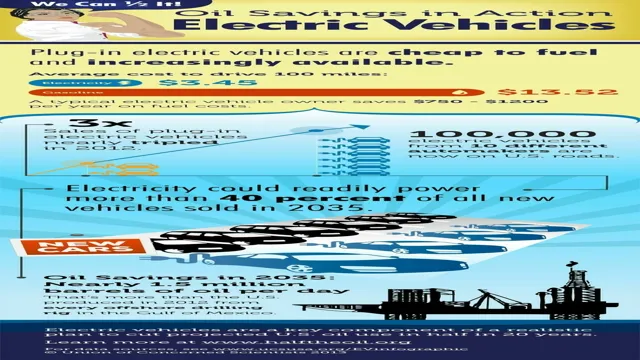
Electricity costs roughly 1 to 1.5 rupees per kilometer for home charging. Petrol cars run 8 to 10 rupees per kilometer at current prices. Diesel sits around 6 to 7 rupees per kilometer. Over ten thousand kilometers, an EV saves fifty thousand to eighty thousand rupees yearly.
Upkeep adds to the gap. No engine oil, spark plugs, timing belts, or clutch plates exist in an EV. Service visits are rare and cheap, mostly checking brakes, tires, and coolant. Insurance premiums are slightly higher due to battery value but the total cost of ownership stays lower.
- Home Charge Cost: About 1 rupee per km using residential electricity tariff.
- Public Fast Charge: 2 to 3 rupees per km at DC fast charging stations.
- Petrol Running Cost: 8 to 10 rupees per km depending on mileage.
- Diesel Running Cost: 6 to 7 rupees per km depending on mileage.
- Annual Service Bill: EV service often under 5,000 rupees versus 15,000 plus for ICE.
The math heavily favors electric for anyone driving over 800 kilometers a month.
Charging Infrastructure Reality in 2026
India now has over twelve thousand public charging stations across major cities and highways. Tata Power, ChargeZone, Statiq, and Zeon lead the network expansion. Most metros have a charger every five to ten kilometers. Highway corridors like Delhi-Mumbai and Bengaluru-Chennai offer fast chargers every fifty to eighty kilometers.
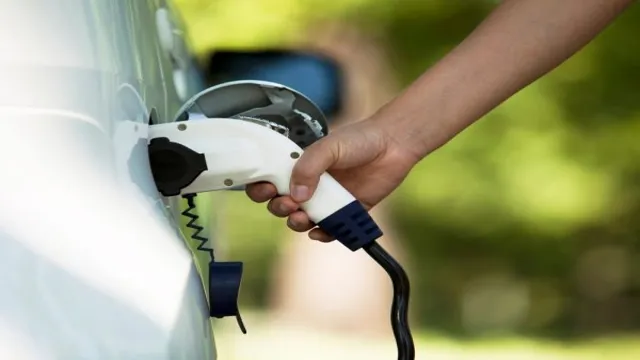
Home charging remains the backbone for ninety percent of owners. A 7.4 kW AC wall box fills a 40 kWh battery in six hours. Societies and office parks are installing shared chargers rapidly. Apps show real-time availability, pricing, and connector types. Range anxiety is fading fast for planned trips.
- Metro Density: Chargers every 5 to 10 km in top 8 cities.
- Highway Coverage: Fast chargers every 50 to 80 km on golden quadrilateral.
- Home Wall Box: 7.4 kW AC charger gives full range overnight.
- Society Charging: Shared points in flats solve parking spot issues.
- App Integration: Single apps locate, start, and pay across networks.
Plan long routes using charger maps and keep a 20 percent buffer for safety.
Environmental Impact and Green Credentials
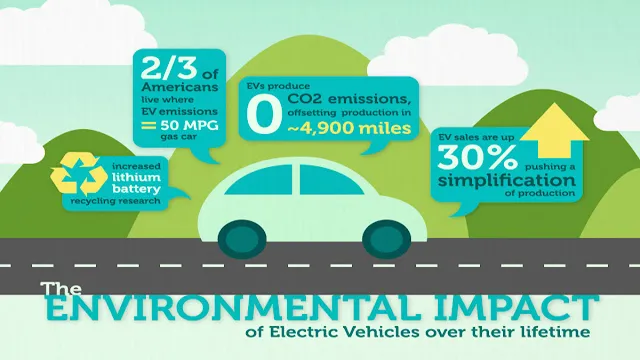
EVs produce zero tailpipe emissions, cutting local pollutants like NOx and PM2.5. Even with India’s coal-heavy grid, lifecycle emissions are thirty to forty percent lower than petrol cars. As renewable share grows, this gap widens every year. Solar rooftop charging makes your commute truly carbon neutral. For complementary picks and expert testing advice, see our guide on Benefits for Buying Electric Car Go Green & Save!.
Battery recycling programs are scaling up with new government rules. Makers now offer buyback and second-life energy storage for used packs. This circular approach reduces mining pressure. Driving electric supports the national net-zero 2070 target directly.
- Zero Tailpipe Emission: No smoke, soot, or toxic gases at street level.
- Lower Lifecycle CO2: 30 to 40 percent less carbon than petrol equivalents.
- Solar Charge Option: Rooftop panels make driving fully renewable.
- Battery Recycling Rules: Mandatory collection and reuse frameworks active.
- Noise Pollution Cut: Quieter streets improve urban health outcomes.
Every electric kilometer helps clean the air your family breathes daily.
Performance and Driving Experience Advantages
Electric motors give maximum torque instantly from zero RPM. Overtaking on highways or climbing ghats feels easy. No gear shifts mean seamless acceleration and zero lag. Low center of gravity from floor-mounted batteries improves cornering stability and ride comfort.
One-pedal driving lets you control speed mostly with the accelerator. Lift off and the car slows strongly, putting energy back in the battery. This reduces brake wear drastically. Cabin space increases because there is no transmission tunnel or engine bay. The driving feel is modern, refined, and surprisingly fun.
- Instant Torque Delivery: Full pulling power available the moment you press pedal.
- Single Speed Simplicity: No gears, no clutch, no shift shock ever.
- One-Pedal Driving: Strong regen braking extends range and saves brakes.
- Flat Floor Space: More legroom and storage for passengers.
- Low Center of Gravity: Better handling and reduced body roll in corners.
Test drive one and you will understand why owners rarely go back to petrol.
Total Cost of Ownership Over Five Years
Buy price after subsidies is often close to petrol variants now. Add five years of fuel savings (approx 3.5 lakh rupees). Lower upkeep (approx 50,000 rupees). Resale values are holding strong as demand outstrips supply. Insurance costs converge as insurers gain EV data.
Loan interest tax deduction saves another 30,000 to 50,000 rupees over the tenure. The five-year TCO for a popular compact EV can be one to two lakh rupees lower than a petrol twin. For high-mileage users like fleet operators, the gap widens to three lakh plus. The financial case is solid.
- Upfront Price Parity: Subsidies bring EV cost near ICE equivalents.
- Five-Year Fuel Saving: Roughly 3.5 lakh rupees for average driver.
- Maintenance Saving: About 50,000 rupees less in service bills.
- Strong Resale Value: High demand keeps used prices firm.
- Tax Benefit Total: Up to 50,000 rupees interest deduction claimed.
Run your own numbers with local electricity rates and daily distance.
Best Practices for First-Time Ev Buyers
Choose a car with at least 300 km real-world range for peace of mind. Install a certified 7.4 kW home charger before delivery day. Download two charging network apps and link payment methods early. Opt for battery warranty of eight years or 1.6 lakh km minimum.
Always carry a portable 15A adapter for emergency slow charging from any standard socket.
Schedule a test drive during your actual commute hours to feel traffic behavior. Check service center proximity and mobile service van availability. Join owner communities on WhatsApp or Telegram for real tips. Read the manual for regen settings and charging limits to maximize battery life. For complementary picks and expert testing advice, see our guide on Tax Benefits for Electric Cars Maximize Your Savings!.
- Minimum Real Range: Target 300 km WLTP for stress-free weekly use.
- Home Charger Ready: Install wall box before car arrives at home.
- Dual App Setup: Configure ChargeZone and Statiq apps with UPI.
- Battery Warranty Check: Ensure 8 years or 160,000 km coverage.
- Commute Test Drive: Drive your exact route in peak traffic conditions.
- Community Access: Join model-specific groups for live support.
Preparation turns the switch to electric into a smooth upgrade, not a compromise.
Summary Table: Ev vs Petrol vs Diesel Ownership Snapshot
| Parameter | Electric (Compact) | Petrol (Compact) | Diesel (Compact) |
|---|---|---|---|
| Ex-Showroom Price (Post Subsidy) | ₹12.5 Lakh | ₹11.5 Lakh | ₹13.0 Lakh |
| Running Cost / km | ₹1.20 | ₹9.50 | ₹6.80 |
| Annual Fuel/Charge (12k km) | ₹14,400 | ₹1,14,000 | ₹81,600 |
| Annual Service Cost | ₹4,000 | ₹12,000 | ₹15,000 |
| 5-Year Total Cost (Approx) | ₹16.5 Lakh | ₹20.8 Lakh | ₹20.3 Lakh |
| CO2 Emissions (Lifecycle) | Low | High | Medium |
Frequently Asked Questions
What Are the Real Benefits of Buying Electric Cars for Daily City Commutes?
City commutes benefit most from zero idle consumption and regenerative braking. You save maximum fuel in stop-and-go traffic. Home charging eliminates petrol station stops. The silent cabin reduces fatigue. Low upkeep means more uptime for work trips.
How Long Does It Take to Charge an Electric Car at Home in India?
A 7.4 kW AC wall box charges a typical 40 kWh battery from 20 to 80 percent in about four hours. A full 0 to 100 percent takes six to seven hours overnight. Standard 15A socket charging is slower at twelve to fifteen hours for full.
Are Electric Cars Safe During Indian Monsoons and Waterlogging?
Yes, battery packs meet IP67 or IP68 ratings for dust and water immersion. High-voltage systems cut off instantly if water intrusion is detected. Drive through water only up to the maker’s specified wading depth, usually 300 to 350 mm.
What Happens to the Battery After Eight Years or Warranty Expiry?
Batteries usually retain 70 to 80 percent size after eight years. They can serve another five to seven years in stationary energy storage. Makers offer buyback programs and certified recycling under new e-waste rules. Residual value remains significant.
Can I Install a Charger in a Rented Apartment or Housing Society?
Most societies allow installation with a written NOC and dedicated meter. Portable 15A chargers work from existing sockets without permanent wiring. Some states mandate EV readiness in new building bylaws. Discuss with your RWA and landlord early.
Final Thoughts and Next Steps
Electric cars now make financial, practical, and environmental sense for most Indian buyers. Incentives lower the entry barrier while fuel savings compound every month. Charging infrastructure has crossed the tipping point for daily usability. The driving use is simply better in traffic and on highways.
Start by shortlisting two models that fit your budget and range needs. Book test drives for both on your actual commute. Get a home charger quote from a certified installer. Calculate your five-year savings using your real electricity tariff. The switch is easier than you think and the rewards start day one.