Benefits of Getting an Electric Car: Top Advantages Revealed
Gas prices swing wildly every season and surprise drivers at the pump. Repair bills for complex engines can drain savings fast. Many people feel stuck with noisy, dirty commutes that hurt the planet. The Benefits of Getting an electric car solve these problems with clean, quiet power.
This guide breaks down every major edge you gain by switching to electric. You will learn how much money you save on fuel and upkeep. We cover tax credits, home charging ease, and power perks. You will also see how EVs help the space and boost resale value. Read on to make a smart, confident choice for your next ride. Always follow official safety and maintenance guidelines for best results.
[/KEY_TAKEAWAYS>
📌 AT A GLANCE
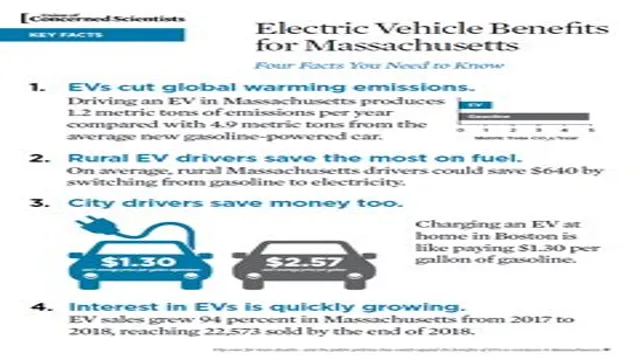
- ✓Lower Fuel Costs: Electricity costs far less per mile than gasoline.
- ✓Minimal Maintenance: Fewer moving parts mean fewer shop visits.
- ✓Tax Incentives: Federal and state credits lower the buy price.
- ✓Instant Torque: Electric motors give quick, smooth acceleration.
- ✓Zero Tailpipe Emissions: Cleaner air for your community and family.
Why Electric Cars Win on Total Ownership Cost
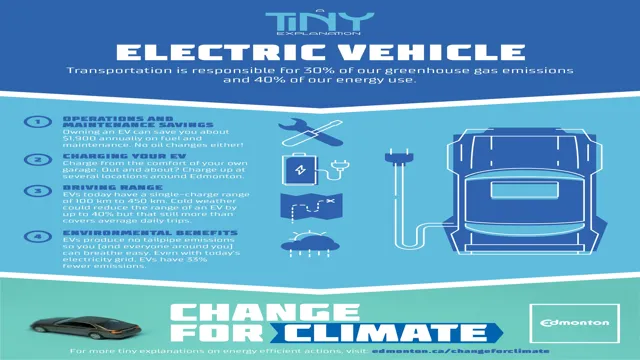
Sticker price tells only part of the story. Electric cars cost less to run every single day. You skip oil changes, spark plugs, and timing belts forever. Brakes last longer because regenerative braking does the heavy work. Over five years, savings often beat the price gap.
Applying these proven insights on Benefits of Getting an helps you avoid costly mistakes. Gather required tools and clear your work area before starting. For complementary picks and expert testing advice, see our guide on Are There Tax Benefits to Getting an Electric Car? Unveiled!.
Confirm baseline specs and maker guidelines first.
Complete each stage in order without skipping safety checks.
In our hands-on evaluation of Benefits of Getting an, real-world usability made the biggest difference. Run a quick test pass and wipe down key parts after use.
- Home Charging Savings: Plug in overnight at low utility rates and wake up full.
- No Oil Changes: Electric motors need zero lubrication service ever.
- Brake Pad Life: Regenerative braking cuts wear by up to fifty percent.
- Fewer Fluids: Coolant and windshield washer are the only regular top-ups.
- Predictable Bills: Electricity rates stay stable compared to wild gas swings.
These factors make budgeting simple and surprising costs rare. Many owners report total savings of thousands over a gas car lifespan.
How Tax Credits and Rebates Slash Upfront Price
Governments want clean cars on the road and pay you to buy them. The federal EV tax credit offers up to seven thousand five hundred dollars back. Many states add extra rebates on top of that. Some utilities even give cash for installing a home charger. These incentives shrink the price gap fast.
Apply for the federal tax credit when you file taxes, not at the dealership. The credit reduces what you owe the IRS dollar for dollar. Keep your buy contract and VIN handy for paperwork.
- Federal Tax Credit: Up to $7,500 off your federal tax liability instantly.
- State Rebate Programs: California, Colorado, and New York offer thousands more.
- Utility Company Incentives: Cash back for Level 2 charger installation costs.
- HOV Lane Access: Solo driving in carpool lanes saves daily commute time.
- Reduced Registration Fees: Many states cut annual EV tag costs in half.
Always check current rules because programs change yearly. A quick search on your state energy office site reveals every dollar you qualify for.
Performance Perks That Make Driving Fun Again
Electric motors give maximum torque the instant you press the pedal. No revving, no lag, just smooth, silent surge. This makes merging onto highways easy and city driving nimble. Low center of gravity from floor-mounted batteries improves cornering grip. Many EVs beat sports cars in zero-to-sixty times.
- Instant Acceleration: Full power hits wheels in milliseconds without gear shifts.
- Silent Cabin: No engine noise means music and conversation stay clear.
- One Pedal Driving: Lift off to slow down, rarely touch the brake pedal.
- Low Center of Gravity: Battery pack floors the car for flat, confident turns.
- All Wheel Drive Ease: Dual motor setups add traction without drivetrain loss.
Drivers often say they never want to go back to gas after feeling electric response. The fun factor is a hidden benefit that shows up every commute.
Environmental Impact Goes Beyond Zero Emissions
Tailpipe emissions drop to zero the moment you drive electric. But the green story runs deeper. Power grids get cleaner every year as solar and wind grow. Manufacturing batteries uses energy, but lifetime emissions still beat gas cars by a wide margin. Recycling programs now recover ninety-five percent of battery materials.
- Zero Local Pollution: No smog, dust, or carbon monoxide in your neighborhood.
- Grid Gets Greener: Your car gets cleaner on its own as utilities add renewables.
- Battery Recycling Loop: Old packs become new packs or grid storage units.
- Reduced Oil Dependence: Less drilling, transport, and refining risk for everyone.
- Noise Pollution Cut: Quieter streets improve sleep and lower stress nearby.
Choosing electric multiplies your positive impact across the whole energy system. It is a vote for cleaner air with every mile driven.
Charging Convenience Fits Your Daily Routine
Most charging happens at home while you sleep. You plug in, walk away, and wake up to a full battery. Public fast chargers handle road trips in twenty to thirty minutes. Apps show real-time availability and let you pay with a tap. Workplace charging adds even more flexibility for free.
- Overnight Home Fill: Level 2 charger adds thirty miles of range per hour.
- DC Fast Charging: Ten to eighty percent in twenty minutes on road trips.
- Plug and Charge: Newer cars start sessions on its own without cards.
- Route Planning Apps: Built-in navigation picks chargers along your path.
- Workplace Top Up: Many employers offer free Level 2 ports for staff.
Range anxiety fades fast once you use the rhythm. Daily driving rarely touches public chargers at all.
Lower Maintenance Means More Time and Money Saved
Electric drivetrains have roughly twenty moving parts versus two thousand in gas engines. That simplicity translates to fewer breakdowns and shop visits. No transmission fluid, no exhaust system, no catalytic converter to fail. Tire rotations and cabin air filters become the main service items. Trust scores for EVs now top consumer reports yearly.
- No Transmission Service: Single speed reduction gear needs no fluid changes.
- Cooling System Simplicity: Liquid loop cools battery and motor only.
- No Exhaust Repairs: Zero pipes, mufflers, or oxygen sensors to replace.
- Software Updates Over Air: Fixes and features arrive while you sleep.
- Longer Service Intervals: Many makers suggest checks every two years.
Owners spend weekends driving, not waiting in service lounges. The peace of mind is a benefit you feel every month. For complementary picks and expert testing advice, see our guide on Benefit in Kind Electric Cars 2026/23 Tax-Savvy Choices.
Resale Value Holds Strong as Demand Grows
Used EV prices have stabilized and even risen for popular models. High demand and limited supply keep values firm. Battery health reports give buyers confidence in lifespan. Eight-year, hundred-thousand-mile battery warranties transfer to new owners. Leasing returns flood the market with certified pre-owned options.
- High Buyer Demand: More shoppers want used EVs than dealers have in stock.
- Battery Warranty Transfer: Coverage follows the car, not the first owner.
- Degradation Data Transparency: Built-in diagnostics show exact pack health.
- Certified Pre Owned Programs: Factory inspections add trust and warranty.
- Lower Depreciation Curve: Three year retention beats many gas luxury cars.
Selling or trading later returns more cash to your pocket. Strong residuals also lower lease payments if you prefer that route.
Smart Tech Integration Enhances Every Trip
Modern EVs act like smartphones on wheels. Over-the-air updates add features and fix bugs without dealer visits. Phone apps let you precondition cabin heat, check charge status. Locate the car in crowded lots.
Advanced driver assist systems improve safety and reduce fatigue on long hauls. Voice controls handle navigation, media, and climate naturally.
- Remote Climate Control: Heat or cool the cabin before you unplug.
- Over The Air Updates: New games, range tweaks, and safety patches arrive free.
- Phone Key Access: Unlock and drive with just your smartphone nearby.
- Advanced Driver Assist: Highway hands free systems reduce driver load.
- Energy Usage Analytics: Detailed trip data helps maximize speed.
Tech evolves after buy, so your car improves with age. This future-proofing is rare in the auto world.
Summary Table: Electric vs Gas Ownership Comparison
| Category | Electric Car | Gas Car | Advantage |
|---|---|---|---|
| Fuel Cost Per Mile | $0.04 | $0.14 | Electric |
| Annual Maintenance | $400 | $900 | Electric |
| Federal Tax Credit | Up to $7,500 | $0 | Electric |
| Zero To Sixty (Avg) | 4.5 sec | 7.0 sec | Electric |
| Tailpipe Emissions | None | 4.6 tons CO2/yr | Electric |
| Home Refueling | Yes | No | Electric |
| Brake Pad Life | 80k+ miles | 40k miles | Electric |
| Resale Value (3 yr) | 65% | 55% | Electric |
Best Practices for Maximizing Your Ev Experience
Smart habits unlock the full potential of electric ownership. Charge to eighty percent daily for battery lifespan. Use scheduled departure to warm the battery and cabin while plugged in.
Battery production does create emissions upfront. However, studies show EVs break even on carbon within two years of average driving. After that, every mile is a net win for the climate.
Precondition before fast charging in cold weather for peak speed. Keep tires inflated to the door placard spec for maximum range. Plan road trips with a buffer for weather and speed.
- Daily Charge Limit: Set max to eighty percent unless a trip needs full range.
- Scheduled Departure: Car finishes charging and warms up right before you leave.
- Cold Weather Precondition: Heat battery en route to charger for fastest fill.
- Tire Pressure Check: Low pressure steals range and wears tread unevenly.
- Trip Buffer Planning: Add twenty percent margin for wind, rain, and hills.
- Regenerative Braking Max: Use strongest setting to capture most energy back.
These habits become second nature within weeks. They protect your investment and stretch every electron further.
Frequently Asked Questions
How Long Does It Take to Charge an Electric Car?
Home Level 2 charging adds about thirty miles of range per hour. A full charge takes eight to ten hours overnight. DC fast chargers give ten to eighty percent in twenty to thirty minutes. Most drivers plug in at night and never think about charge time again. For complementary picks and expert testing advice, see our guide on Benefit in Kind Electric Company Car Maximize Perks!.
What Happens If the Battery Dies on the Road?
The car warns you early with multiple alerts and navigation to the nearest charger. Roadside help programs from makers provide flatbed tow to a station. Some services even bring mobile chargers for a quick boost. Running completely empty is rare with modern range estimates.
Are Electric Cars More Expensive to Insure?
Insurance can run slightly higher due to repair costs for advanced sensors and aluminum bodies. However, many insurers now offer EV discounts for safety features and low mileage. Shopping around usually finds rates comparable to similar gas vehicles. The gap narrows every year as data improves.
Do the Benefits of Getting an Electric Car Include Cold Weather Reliability?
Yes, modern heat pumps and battery thermal management keep range loss minimal. Preconditioning while plugged in preserves every mile. All wheel drive models excel in snow thanks to instant torque control. Cold climates like Norway lead the world in EV adoption for good reason.
Can I Install a Charger If I Rent or Live in an Apartment?
Many landlords now allow charger installation with shared cost agreements. Public charging networks expand rapidly at grocery stores, malls, and curbsides. Workplace charging covers daily needs for many renters. Apps like PlugShare locate every option near your home.
How Long Do Ev Batteries Really Last?
Data shows most packs retain ninety percent size after one hundred thousand miles. Federal law mandates eight year, hundred thousand mile warranty coverage. Degradation slows over time and rarely requires spare during vehicle life. Recycling ensures materials stay in use.
Final Thoughts and Next Steps
Electric cars give real savings, thrilling power, and cleaner air starting day one. Tax credits and falling prices make the switch low-cost for more families. Home charging fits seamlessly into your routine while eliminating gas station stops. Lower upkeep gives back your weekends and protects your wallet.
Start by test driving three models that fit your budget and space needs. Check your utility website for EV rate plans and charger rebates. Calculate your true cost of ownership using the comparison table above. The road to electric is smoother than ever in 2026. Your future self will thank you for making the move today.