Best Chinese Electric Car Brands: A Comprehensive Guide
Remember the days when Chinese-made meant cheap and unreliable? Those days are long gone. Today, China is a global leader in electric vehicle technology, and choosing among the best Chinese electric car brands can be overwhelming. This guide will help you navigate the market, understand the key players, and find the perfect electric car for your needs. You’ll learn about features, performance, pricing, and more, making your decision significantly easier.
Top Chinese Electric Car Brands to Consider
This section delves into some of the most prominent and reputable Chinese electric car brands, examining their strengths, weaknesses, and market positions. We’ll cover models, technologies, and overall brand reputation to assist you in your search.
BYD (Build Your Dreams)
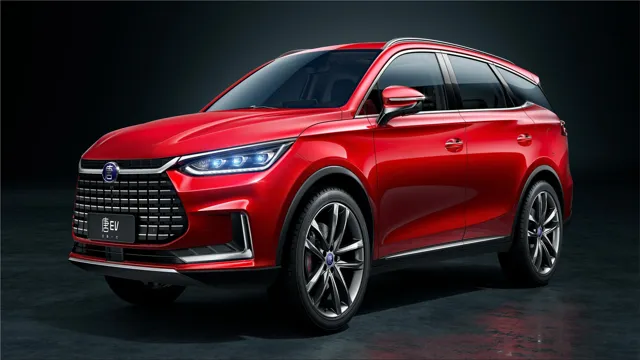
- BYD is a giant in the Chinese electric car market, offering a wide range of models from budget-friendly to luxury. Their Blade Battery technology is a standout, promising improved safety and energy density compared to traditional lithium-ion batteries. It’s known for its innovation and vertical integration, controlling much of its supply chain.
- BYD’s success is partly due to its diverse product line. They cater to a broad range of budgets and preferences, from compact city cars to larger SUVs and even luxury sedans. This range allows them to reach a wider customer base than many competitors.
BYD’s success is partially attributed to their vertical integration, controlling much of their supply chain from battery production to vehicle assembly. This allows them to maintain tighter quality control and potentially lower costs compared to brands reliant on external suppliers. A recent study indicated that BYD holds over 30% market share in its domestic market.
NIO (NextEV)
- NIO focuses on premium electric vehicles, competing directly with Tesla in terms of technology and luxury. Their battery swap technology is particularly innovative, allowing drivers to quickly replace depleted batteries at designated swap stations, minimizing downtime.
- Beyond the vehicles themselves, NIO cultivates a strong community around its brand through exclusive events and services. This fosters brand loyalty and sets it apart from many other EV makers.
NIO’s battery swap technology is a unique selling point. Unlike other electric cars requiring hours to recharge, NIO users can swap their battery in minutes, addressing range anxiety concerns. This is complemented by their superior customer service and extensive charging network.
XPeng
- XPeng is known for its advanced driver-assistance systems (ADAS). They’re constantly improving their autonomous driving capabilities, striving to match or exceed those of Tesla and other leading brands. Its focus on technological advancements makes it a key player in the future of driving.
- XPeng is also making strides in integrating smart technology into its vehicles. Their infotainment systems are usually praised for being intuitive and responsive. This makes the driving experience more engaging and technologically advanced.
XPeng’s commitment to developing advanced autonomous driving features positions it as a strong competitor. Features such as XPILOT, their advanced driver-assistance system, constantly receives software updates, pushing the boundaries of what’s possible. This continuous improvement is a major draw for tech-savvy buyers.
Li Auto
- Li Auto distinguishes itself by focusing on extended-range electric vehicles (EREVs). These vehicles combine an electric motor with a small gasoline engine that acts as a range extender, addressing concerns about driving range and charging infrastructure limitations.
- Li Auto targets a slightly more affluent customer base than some of its competitors. Its vehicles are often more luxurious and offer a premium driving experience, justifying their higher price tags. The extended-range technology also appeals to customers hesitant to fully commit to battery-electric vehicles.
Li Auto’s unique approach with EREVs represents a middle ground between pure battery electric vehicles and traditional gasoline cars. This makes it particularly appealing to buyers who are interested in electric vehicles but want the added security of a range extender. This design allows for longer trips without range anxiety, a significant factor for many potential EV buyers.
Technological Advancements in Chinese Electric Cars
This section will explore the innovations driving the success of Chinese electric car brands, focusing on key technological features and their impact on the market.
Battery Technology
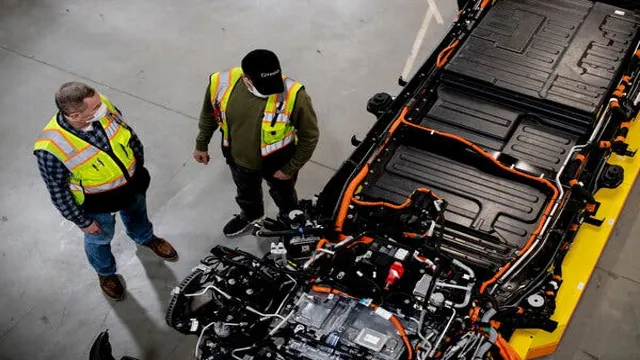
- Blade Battery (BYD): This innovative battery technology offers increased energy density and improved safety features compared to traditional lithium-ion batteries, resulting in longer ranges and reduced risk of thermal runaway.
- Solid-State Batteries: Several Chinese manufacturers are investing heavily in research and development of solid-state batteries, which promise even higher energy density, faster charging times, and improved longevity than current lithium-ion batteries.
The advancements in battery technology are crucial for the future of electric vehicles. Longer ranges and faster charging times address two major consumer concerns, making EVs more practical and appealing to a wider audience. Solid-state batteries, still in the developmental stage for many, could revolutionize the EV industry in the coming years.
Autonomous Driving Systems
- XPILOT (XPeng): XPeng’s advanced driver-assistance system offers a competitive suite of features, constantly being updated with improvements through over-the-air updates.
- NIO Pilot: NIO is also heavily invested in autonomous driving, constantly working on enhancing its features and reliability through software updates and hardware advancements.
The development of advanced driver assistance systems (ADAS) is a key area of competition among Chinese EV brands. These systems are becoming increasingly sophisticated, aiming to eventually offer fully autonomous driving capabilities. This race towards autonomous driving is shaping the industry’s direction and improving safety features in existing vehicles.
Charging Infrastructure and Battery Swapping
- NIO Battery Swap Technology: NIO’s battery swap stations allow drivers to quickly replace depleted batteries, significantly reducing charging time compared to traditional charging methods.
- Extensive Charging Networks: Chinese EV makers are investing heavily in the expansion of their charging networks, addressing range anxiety concerns and making long-distance travel more convenient.
Addressing range anxiety is paramount for the wider adoption of electric vehicles. Innovative charging solutions, such as battery swapping, along with the expansion of charging networks are crucial elements to ensure a smooth and convenient EV ownership experience.
Challenges and Opportunities for Chinese Electric Car Brands
Despite their rapid growth, Chinese electric car brands face certain challenges while simultaneously enjoying significant opportunities for expansion.
Global Market Penetration
- Brand Recognition: While strong domestically, some brands still face challenges establishing strong brand recognition in international markets, requiring targeted marketing and distribution strategies.
- Regulatory Hurdles: Navigating differing regulations and safety standards in various countries can prove complex and costly.
Expanding into global markets requires careful planning and adaptation to local preferences and regulations. Overcoming brand recognition challenges and successfully navigating international regulations are key to achieving sustained global success.
Competition and Innovation
- Intense Competition: The electric vehicle market is extremely competitive, with established players and new entrants constantly vying for market share.
- Continuous Innovation: Maintaining a competitive edge requires ongoing investment in research and development to stay ahead of the technological curve.
The dynamic nature of the EV market demands continuous innovation and adaptation. Staying competitive necessitates significant investment in R&D and the ability to swiftly respond to market changes and evolving consumer preferences.
Supply Chain Management
- Raw Material Dependence: Many EV manufacturers rely on specific raw materials and components, making them vulnerable to supply chain disruptions.
- Geopolitical Factors: Global political events can impact supply chains, affecting production and delivery timelines.
Securing a stable and reliable supply chain is crucial for consistent production and timely deliveries. Mitigating risks associated with raw material dependence and geopolitical instability is vital for maintaining consistent operations.
Debunking Myths About Chinese Electric Cars
Myth 1: Chinese electric cars are unreliable.
While some early Chinese-made cars may have had reliability issues, many leading brands today meet or exceed international safety and quality standards, often incorporating advanced technology and rigorous testing.
Myth 2: Chinese electric cars lack range.
Many modern Chinese electric cars offer comparable or superior ranges to those from other major manufacturers, especially with advancements in battery technology. Range is not a significant disadvantage compared to other leading brands.
Myth 3: Chinese electric cars are only affordable options.
This is untrue. While some brands offer budget-friendly models, others focus on the premium market, directly competing with luxury brands from other countries. There’s a wide spectrum of prices available.
FAQ
What is the average price range for a Chinese electric car?
Prices vary widely depending on the brand, model, and features. You can find models ranging from budget-friendly options to luxury vehicles costing well over $50,000.
What are the main advantages of buying a Chinese electric car?
Advantages often include competitive pricing, advanced technology features, and strong performance. Many offer innovative battery technologies and driver-assistance systems.
How do Chinese EV brands compare to Tesla?
Chinese brands are increasingly competing with Tesla in terms of technology, performance, and pricing. Some offer unique features, such as battery swapping, that Tesla currently does not offer.
What are the available warranties for Chinese electric cars?
Warranty terms vary by manufacturer and model. It’s crucial to review the specific warranty details for each car you are considering before purchasing.
Are spare parts easily available for Chinese electric cars?
Availability of spare parts varies depending on the brand and location. It’s advisable to check the availability of service centers and parts before making a purchase, especially if living outside of major metropolitan areas.
Where can I find reviews and comparisons of different Chinese electric car brands?
Several online automotive review websites and magazines offer detailed reviews and comparisons of different Chinese electric car models. It’s recommended to consult multiple sources for a balanced perspective.
What safety features are typically included in Chinese electric cars?
Safety features vary by model and brand, but many include features such as advanced driver-assistance systems (ADAS), multiple airbags, and robust structural designs meeting or exceeding international standards. Always check the specific safety features of the model you’re considering.
Final Thoughts
The rise of Chinese electric car brands signifies a significant shift in the global automotive landscape. By understanding the strengths and weaknesses of different brands, researching available technologies, and carefully considering your own needs, you can confidently navigate the market and choose the best Chinese electric car to meet your personal preferences and budget. Begin your research today and explore the exciting world of electric vehicles from China!