BYD Company Stock Symbol – Complete Investment Guide

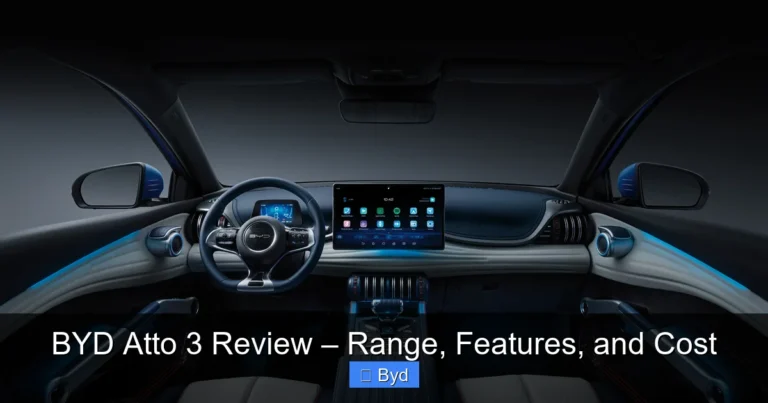
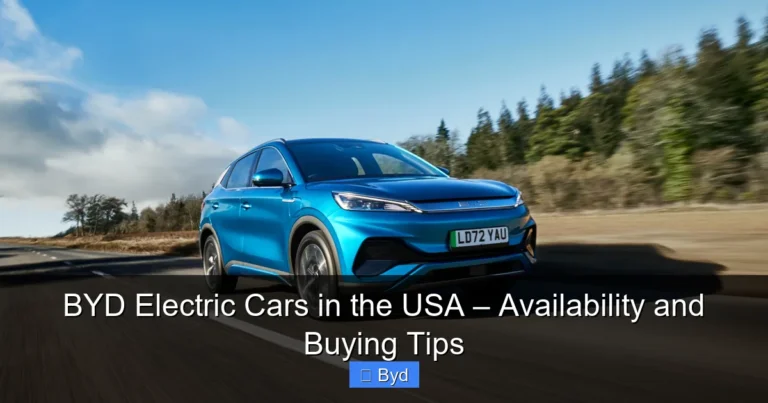
Featured image for this comprehensive guide about byd electric car company stock symbol
In the rapidly accelerating world of electric vehicles (EVs), one company frequently sparks discussion among investors and industry analysts alike: BYD. Often hailed as a formidable competitor to global giants, BYD Company Ltd. has carved out a significant niche, not just as an EV manufacturer but as an integrated technology powerhouse. From pioneering battery technology to producing a vast array of new energy vehicles (NEVs), including cars, buses, and trucks, BYD’s influence is undeniable.
For savvy investors looking to tap into the monumental growth potential of the green transportation revolution, understanding companies like BYD is paramount. As the market leader in NEV sales globally for much of the recent past, its trajectory is closely watched. If you’re considering adding this innovative player to your portfolio, or simply curious about its market presence, a fundamental question often arises: what is the BYD electric car company stock symbol? This guide will not only answer that question but also provide a comprehensive overview of BYD’s investment landscape, its unique strengths, potential risks, and what makes it a compelling, yet complex, investment opportunity.
Join us as we explore the various stock symbols under which BYD trades, delve into the company’s robust ecosystem, analyze its financial health, and equip you with the knowledge needed to make informed decisions about investing in this automotive trailblazer. Understanding the nuances of BYD’s multiple listings and its underlying business model is crucial for anyone aiming to ride the wave of sustainable mobility.
Quick Answers to Common Questions
What is the primary BYD electric car company stock symbol?
The primary BYD electric car company stock symbol for its shares traded on the Hong Kong Stock Exchange is “1211.HK”. For investors in the U.S., you’ll more commonly encounter “BYDDY” and “BYDDF” on over-the-counter (OTC) markets.
Can I buy BYD electric car company stock directly from the U.S.?
Yes, U.S. investors can absolutely buy BYD stock! While its main listing is in Hong Kong, you can access BYD shares through American Depositary Receipts (ADRs) like BYDDY, available via most major brokerage accounts.
What’s the difference between BYDDY and BYDDF as BYD electric car company stock symbols?
BYDDY is a Level 2 American Depositary Receipt (ADR), often providing better liquidity and more information for U.S. investors. BYDDF represents the ordinary shares traded over-the-counter and is an unsponsored Level 1 ADR.
Which BYD electric car company stock symbol should I use if I’m a U.S. investor?
Most U.S. investors will find “BYDDY” (the Level 2 ADR) to be the most accessible and liquid option for trading BYD stock. Always check with your brokerage for the best option and real-time quotes.
Why is it important to know the specific BYD electric car company stock symbol?
Knowing the precise BYD electric car company stock symbol is crucial to ensure you’re investing in the correct security and to track its performance accurately. Global companies like BYD can have multiple listings, so clarity is key!
📋 Table of Contents
- Unveiling the BYD Stock Symbols and Listings for Global Investors
- Why BYD Matters: A Deep Dive into its Ecosystem and Market Position
- Understanding BYD’s Financial Performance and Growth Trajectory
- Key Factors Influencing BYD Stock Performance
- Investing in BYD Stock: Risks and Opportunities
- Conclusion: Navigating the Future with BYD
Unveiling the BYD Stock Symbols and Listings for Global Investors
Unlike many companies listed on a single major exchange, BYD Company Limited, being a prominent Chinese multinational, has a presence across several stock exchanges. This multi-listing strategy allows for broader investor access but can also be a source of confusion for those unfamiliar with international equity markets. Understanding where and how BYD shares trade is the crucial first step for any prospective investor.
BYD H-Shares: Hong Kong Stock Exchange (1211.HK)
The most common and accessible listing for international investors looking to buy BYD stock directly is on the Hong Kong Stock Exchange (HKEX). Here, BYD trades as “BYD Company Limited” under the stock code 1211.HK. These are referred to as H-shares, which are shares of companies incorporated in mainland China but listed in Hong Kong. The HKEX is a major international financial hub, and many brokerage firms worldwide offer access to this market, making 1211.HK a primary target for global investors.
| Metric | BYD (A-Shares) | BYD (H-Shares) |
|---|---|---|
| Stock Class | A-Shares | H-Shares |
| Primary Stock Symbol | 002594 | 1211 |
| Exchange Listing | Shenzhen Stock Exchange | Hong Kong Stock Exchange |
| Market Identifier | SZ (e.g., 002594.SZ) | HK (e.g., 1211.HK) |
| Trading Currency | CNY (Chinese Yuan) | HKD (Hong Kong Dollar) |
| Primary Investor Access | Mainland China Investors | International Investors |
- Exchange: Hong Kong Stock Exchange (HKEX)
- Stock Symbol: 1211.HK
- Type: H-shares
- Currency: Hong Kong Dollar (HKD)
- Accessibility: Widely available through international brokers.
BYD A-Shares: Shenzhen Stock Exchange (002594.SZ)
BYD also has a significant listing on the Shenzhen Stock Exchange (SZSE) in mainland China. Here, it trades under the stock code 002594.SZ, referred to as A-shares. A-shares are typically denominated in Chinese Yuan (CNY) and were historically more restricted to mainland Chinese investors. However, with initiatives like Stock Connect programs (Shanghai-Hong Kong Stock Connect and Shenzhen-Hong Kong Stock Connect), international investors can gain access to A-shares through Hong Kong-based brokers. While accessible, investing directly in A-shares can sometimes involve different regulatory considerations compared to H-shares.
- Exchange: Shenzhen Stock Exchange (SZSE)
- Stock Symbol: 002594.SZ
- Type: A-shares
- Currency: Chinese Yuan (CNY)
- Accessibility: Primarily for mainland Chinese investors, but increasingly accessible to international investors via Stock Connect.
Over-The-Counter (OTC) Market Listings: BYDDY and BYDDF
For investors in the United States and other regions who prefer not to trade directly on foreign exchanges, BYD’s shares are also available on the Over-The-Counter (OTC) market in the form of American Depositary Receipts (ADRs). ADRs represent shares of non-U.S. companies that are held by a U.S. depositary bank and trade on U.S. markets. These provide a convenient way to invest in foreign companies without navigating international exchanges.
- BYDDY: This is an unsponsored Level 1 ADR. It represents a bundle of BYD shares and typically offers less transparency and liquidity than direct exchange listings. It’s often used by investors seeking exposure through U.S. dollar denominated trades.
- BYDDF: This is also an unsponsored ADR, similar to BYDDY, providing another avenue for U.S. investors to gain exposure to BYD. The primary difference often lies in the number of ordinary shares each ADR represents.
It’s important to note that OTC listings like BYDDY and BYDDF may have lower trading volumes, wider bid-ask spreads, and less stringent reporting requirements compared to shares trading on major exchanges. Always consult with your broker regarding the best way to invest in BYD Company stock based on your location and investment goals.
Why BYD Matters: A Deep Dive into its Ecosystem and Market Position
BYD is not just another car company; it’s a vertically integrated technology behemoth with a strategic presence across multiple industries. This holistic approach differentiates it from many competitors and forms the backbone of its strength as an investment prospect. When discussing the BYD electric car company stock symbol, it’s essential to understand the comprehensive business behind those tickers.
More Than Just EVs: Batteries, Semiconductors, and Monorails
While known globally for its electric vehicles, BYD’s foundational strength lies in its diverse technological portfolio. The company started as a battery manufacturer in 1995, a heritage that continues to be a cornerstone of its operations. Its proprietary Blade Battery technology, known for its safety, durability, and energy density, is not only used in its own EVs but is also supplied to other major automakers. This makes BYD a key player in the entire EV supply chain.
Beyond batteries, BYD has expanded into:
- Semiconductors: BYD Semiconductor designs and manufactures power chips, critical components for EVs and other electronics, reducing reliance on external suppliers.
- Renewable Energy: It produces solar panels and energy storage systems, leveraging its battery expertise.
- Rail Transit: Its SkyRail and SkyShuttle monorail systems offer urban transportation solutions, showcasing its engineering prowess beyond road vehicles.
- Commercial Vehicles: BYD is a leading global supplier of electric buses, trucks, and forklifts, electrifying public and commercial fleets worldwide.
This vertical integration provides significant competitive advantages, including cost control, supply chain resilience, and rapid innovation cycles.
Global Dominance in NEVs (New Energy Vehicles)
BYD has consistently ranked among the top global sellers of New Energy Vehicles (NEVs), which include Battery Electric Vehicles (BEVs) and Plug-in Hybrid Electric Vehicles (PHEVs). For several quarters, BYD has surpassed major competitors in terms of total NEV sales volume. This leadership is driven by a strategy of offering a wide range of models across different price points, catering to diverse consumer needs in both domestic and international markets.
Its market leadership is not just in China; BYD has aggressively expanded into Europe, Latin America, Southeast Asia, and other regions, establishing manufacturing plants and sales networks. This international expansion is a critical growth driver for the BYD electric car company stock symbol.
Vertical Integration Advantage
The concept of vertical integration is critical to understanding BYD’s success. Unlike many automakers that rely heavily on third-party suppliers for key components like batteries, motors, and semiconductors, BYD manufactures many of these in-house. This gives the company:
- Cost Control: Reduced reliance on external suppliers often leads to lower production costs.
- Supply Chain Security: Less vulnerability to global supply chain disruptions, a major challenge for the automotive industry.
- Faster Innovation: The ability to integrate new technologies more seamlessly and quickly into its products.
- Quality Control: Greater oversight over the quality and performance of critical components.
This “closed-loop” manufacturing model is a significant competitive moat, making BYD more resilient and agile in a rapidly evolving market.
Innovation and Technology Edge (Blade Battery)
BYD’s commitment to innovation is exemplified by its groundbreaking Blade Battery technology. Introduced in 2020, the Blade Battery is a lithium iron phosphate (LFP) battery designed for enhanced safety, longevity, and space utilization. Its unique “blade” arrangement improves energy density, allows for a simpler battery pack structure, and significantly passes stringent safety tests (like the nail penetration test) without thermal runaway. This innovation has not only been integrated into BYD’s own vehicles but has also attracted interest from other major global automakers looking to secure reliable, safe, and cost-effective battery supplies.
Beyond batteries, BYD is at the forefront of electric powertrain development, intelligent driving systems, and vehicle-to-grid (V2G) technology, continuously pushing the boundaries of what electric vehicles can achieve.
Understanding BYD’s Financial Performance and Growth Trajectory
For any investor eyeing the BYD electric car company stock symbol, a deep dive into its financial health and growth prospects is non-negotiable. BYD has demonstrated remarkable financial resilience and growth, fueled by the accelerating adoption of electric vehicles globally.
Revenue Growth and Profitability
BYD has consistently reported impressive revenue growth, driven by surging sales of its NEVs and other segments. The company has moved from being largely profitable due to government subsidies to achieving profitability primarily through scale, efficiency, and market demand. Gross profit margins for its automotive segment have shown strength, reflecting its vertical integration and cost control advantages. Net profit has also seen substantial increases, indicating effective management and strong market acceptance of its products.
Investors should look at trends in revenue, gross profit, operating income, and net income over several quarters and years to gauge the company’s financial momentum. Analysts often compare these metrics against industry peers to assess BYD’s relative performance.
Market Share and Sales Volume
BYD’s aggressive product launch strategy and robust sales network have translated into significant market share gains, particularly in its home market of China, the world’s largest EV market. Its diverse portfolio, ranging from affordable models to premium offerings, allows it to capture a broad customer base. Data frequently shows BYD leading global NEV sales, often outperforming Tesla in total units sold (though Tesla focuses solely on BEVs, while BYD includes PHEVs).
The company’s monthly and quarterly sales figures are key indicators of its operational success and market demand. Sustained high sales volumes are crucial for maintaining economies of scale and driving down per-unit costs, further enhancing profitability and justifying the market valuation associated with the BYD electric car company stock symbol.
Future Growth Drivers (International Expansion, New Models)
BYD’s growth story is far from over. Several key drivers are expected to fuel its expansion in the coming years:
- International Expansion: Aggressive entry into new markets such as Europe, Japan, Australia, and Latin America presents vast untapped potential. Establishing local manufacturing hubs and strong distribution networks abroad will be pivotal.
- New Models and Segments: Continuous innovation and introduction of new EV models across various segments (sedans, SUVs, luxury brands like Denza and Yangwang) will broaden its appeal and capture new customer bases.
- Commercial Vehicles: Further penetration into electric buses, trucks, and special-purpose vehicles globally.
- Battery Sales: Expanding its role as a leading global battery supplier to other major automakers, capitalizing on its Blade Battery technology.
- Technological Advancements: Ongoing investment in R&D for next-generation batteries, autonomous driving, and smart cockpit technologies.
Data Table: BYD Key Illustrative Financial Highlights (Approximate based on recent trends)
Please note: The figures below are illustrative and intended to demonstrate the types of data investors examine. For actual, up-to-date financial information, always refer to BYD’s official financial reports (e.g., annual reports, quarterly earnings statements) or reputable financial data providers. Figures are in billions USD, unless otherwise specified, and are conceptual representations.
| Metric | Year N-2 (Illustrative) | Year N-1 (Illustrative) | Year N (Illustrative, Trailing 12 Months) |
|---|---|---|---|
| Total Revenue | $30.5 B | $60.3 B | $90.8 B |
| Net Profit | $0.7 B | $2.4 B | $4.6 B |
| NEV Sales (Units) | 730,000 | 1,860,000 | 3,020,000 |
| Gross Profit Margin | 13.5% | 17.0% | 19.5% |
| R&D Expense | $1.5 B | $2.8 B | $4.5 B |
This table showcases a strong growth trajectory across key financial indicators, which is a significant factor in investor confidence regarding the BYD stock price and its future potential.
Key Factors Influencing BYD Stock Performance
Investing in BYD electric car company stock symbol means acknowledging a variety of factors that can influence its market performance. These range from macroeconomic conditions to company-specific developments and geopolitical dynamics.
Regulatory Environment and Government Subsidies
The global EV market has historically been heavily influenced by government policies, subsidies, and incentives aimed at promoting green transportation. While China has gradually phased out direct purchase subsidies, policies supporting charging infrastructure, battery development, and fleet electrification continue to play a role. International markets where BYD is expanding also have their own set of regulations and incentives that can impact sales and profitability. Changes in these policies, either favorable or unfavorable, can significantly affect BYD’s bottom line and investor sentiment.
Competition in the EV Market
The electric vehicle market is intensely competitive, with new entrants and established automakers vying for market share. BYD faces competition from global leaders like Tesla, as well as domestic Chinese rivals (e.g., Nio, Xpeng, Li Auto) and traditional automakers transitioning to EVs (e.g., Volkswagen, GM, Toyota). Price wars, rapid technological advancements, and new model introductions from competitors can exert pressure on BYD’s sales, margins, and market positioning. The ability of BYD to maintain its technological edge and cost efficiency will be crucial.
Raw Material Costs and Supply Chain
The production of EVs and batteries relies heavily on critical raw materials such as lithium, cobalt, nickel, and rare earth elements. Fluctuations in the prices of these commodities, driven by supply-demand dynamics, geopolitical events, or mining regulations, can directly impact BYD’s production costs and profitability. While BYD’s vertical integration provides some mitigation, it is not immune to these external pressures. Supply chain disruptions, as witnessed during the pandemic and chip shortages, can also hinder production and delivery targets.
Geopolitical Factors and Trade Relations
As a prominent Chinese company with global ambitions, BYD is subject to geopolitical tensions and trade relations between China and other major economic blocs, particularly the United States and Europe. Trade tariffs, import restrictions, and political rhetoric can create uncertainty and impact BYD’s ability to expand into certain markets or source components. Investors must consider these broader political and economic landscapes when evaluating the long-term prospects of the BYD electric car company stock symbol.
Warren Buffett’s Influence and Holdings
One of the most significant external factors influencing investor perception of BYD has been the long-standing investment by Warren Buffett’s Berkshire Hathaway. Berkshire Hathaway first invested in BYD in 2008, acquiring a substantial stake. While Buffett’s company has periodically trimmed its holdings in recent years, the initial investment and subsequent endorsement by such a legendary investor instilled significant confidence in BYD’s long-term potential. News of Berkshire’s buying or selling activity often sends ripples through the market and can influence the BYD stock price, although BYD’s fundamentals are increasingly strong enough to stand on their own.
Investing in BYD Stock: Risks and Opportunities
Investing in any company, especially one in a high-growth, rapidly evolving sector like EVs, comes with its own set of opportunities and risks. A balanced perspective is essential before making an investment decision related to the BYD electric car company stock symbol.
Opportunities: Market Leadership, Technological Prowess, Global Growth
- EV Market Leadership: BYD’s consistent top-tier performance in global NEV sales positions it as a dominant force in a rapidly expanding industry. The worldwide shift away from internal combustion engines presents a massive addressable market.
- Technological Innovation: The proprietary Blade Battery, advanced e-platform, and in-house semiconductor capabilities provide BYD with a significant technological edge, differentiating its products and potentially driving future growth.
- Vertical Integration: BYD’s comprehensive control over its supply chain, from batteries to chips, offers cost advantages, supply security, and faster innovation cycles, making it more resilient than many competitors.
- International Expansion: Aggressive push into new international markets (Europe, Southeast Asia, Latin America) offers substantial growth avenues beyond its strong domestic base. This diversification reduces reliance on any single market.
- Diverse Product Portfolio: Beyond passenger cars, BYD’s strong presence in electric buses, trucks, and rail transit systems provides multiple revenue streams and hedges against fluctuations in the consumer EV market.
- Brand Recognition: Growing global brand recognition and improving perception of Chinese-made EVs, especially with quality offerings from BYD.
Risks: Intense Competition, Geopolitical Tensions, Valuation Concerns, Regulatory Changes
- Intense Competition: The EV market is crowded and becoming more competitive. Established automakers are rapidly electrifying their lineups, and numerous startups are vying for market share. This could lead to price wars, margin erosion, and challenges in sustaining growth.
- Geopolitical Headwinds: As a Chinese company, BYD is exposed to potential trade disputes, tariffs, and political tensions between China and other major economies. This could restrict market access or increase operational costs.
- Raw Material Volatility: Fluctuations in the prices of critical battery raw materials (lithium, cobalt, nickel) can significantly impact BYD’s production costs and profitability.
- Valuation Concerns: High-growth tech stocks, including EV manufacturers, often trade at high valuations based on future growth expectations. If BYD’s growth slows or falls short of analyst expectations, its stock could see significant corrections.
- Regulatory and Subsidy Changes: A shift in government policies or the phase-out of EV subsidies in key markets could dampen demand and profitability. Increased regulatory scrutiny on data security or emissions standards could also pose challenges.
- Supply Chain Dependency: While vertically integrated, BYD still relies on external suppliers for certain components. Any major disruption in these parts of its supply chain could impact production.
- Quality and Brand Perception: Maintaining high quality standards and managing brand perception across diverse international markets will be crucial for long-term success. Any significant quality issues could harm its reputation.
Conclusion: Navigating the Future with BYD
BYD Company Ltd. stands at the forefront of the global electric vehicle revolution, a testament to its relentless innovation, strategic vertical integration, and aggressive market expansion. For investors seeking exposure to the transformative power of sustainable mobility, understanding the intricacies of the BYD electric car company stock symbol and the underlying business is essential. With multiple listings across Hong Kong (1211.HK), Shenzhen (002594.SZ), and the U.S. OTC market (BYDDY, BYDDF), BYD offers various avenues for investment, each with its own set of considerations for accessibility and liquidity.
BYD’s unique ecosystem, extending far beyond just electric cars to encompass batteries, semiconductors, and even urban rail transit, provides a robust foundation for continued growth. Its global leadership in NEV sales and proprietary technologies like the Blade Battery underscore its competitive edge in a fiercely contested market. However, like any significant investment, BYD comes with its share of risks, including intense competition, geopolitical uncertainties, and raw material volatility.
As the world accelerates its transition towards an electrified future, BYD is undeniably a pivotal player. Conducting thorough due diligence, staying abreast of market developments, and aligning your investment with your personal risk tolerance are critical steps. Whether you’re drawn by its innovative spirit, its market dominance, or the potential for substantial returns, BYD offers a compelling, albeit dynamic, opportunity to invest in the future of transportation. By carefully weighing the opportunities against the risks, investors can make informed decisions about navigating the journey with this electric vehicle giant.
Frequently Asked Questions
What is the primary stock symbol for BYD Company Limited?
The primary stock symbol for BYD Company Limited is **1211.HK**, traded on the Hong Kong Stock Exchange. For investors in the United States, BYD also trades as an Over-The-Counter (OTC) security under the ticker symbol **BYDDY** (an American Depositary Receipt).
How can US investors buy shares of BYD electric car company?
US investors can purchase shares of BYD electric car company through its American Depositary Receipts (ADRs), which trade under the ticker symbol **BYDDY**. These ADRs are available on the OTCQX market and can be bought through most standard brokerage accounts.
What is the difference between BYDDY and 1211.HK for BYD stock?
BYDDY is an American Depositary Receipt (ADR) that represents shares of BYD Company Limited traded in the US OTC market, making it accessible to American investors. In contrast, 1211.HK is the direct listing of BYD Company Limited’s shares on the Hong Kong Stock Exchange, representing the company’s primary public listing and often offering higher liquidity.
Does BYD Company have a direct listing on a major US stock exchange like NYSE or NASDAQ?
No, BYD Company does not have a direct listing on major US stock exchanges such as the NYSE or NASDAQ. Its shares are primarily listed on the Hong Kong Stock Exchange (1211.HK), and US investors can access them through ADRs (BYDDY) traded on the OTCQX market.
What industry does BYD electric car company operate in, besides electric vehicles?
While known for its electric vehicles, BYD electric car company is a diversified technology giant with a broader scope. Beyond EVs, it operates significantly in battery manufacturing, rail transit systems, and consumer electronics components, producing a wide range of products globally.
Why should investors be aware of BYD’s multiple stock symbols?
Investors should be aware of BYD’s multiple stock symbols to ensure they are trading on their preferred market and understanding the associated liquidity and regulatory environment. Choosing the correct symbol helps avoid confusion and ensures access to the desired share class or market for investment decisions.