BYD Electric Car in USA – Models, Dealers, and Launch Plans
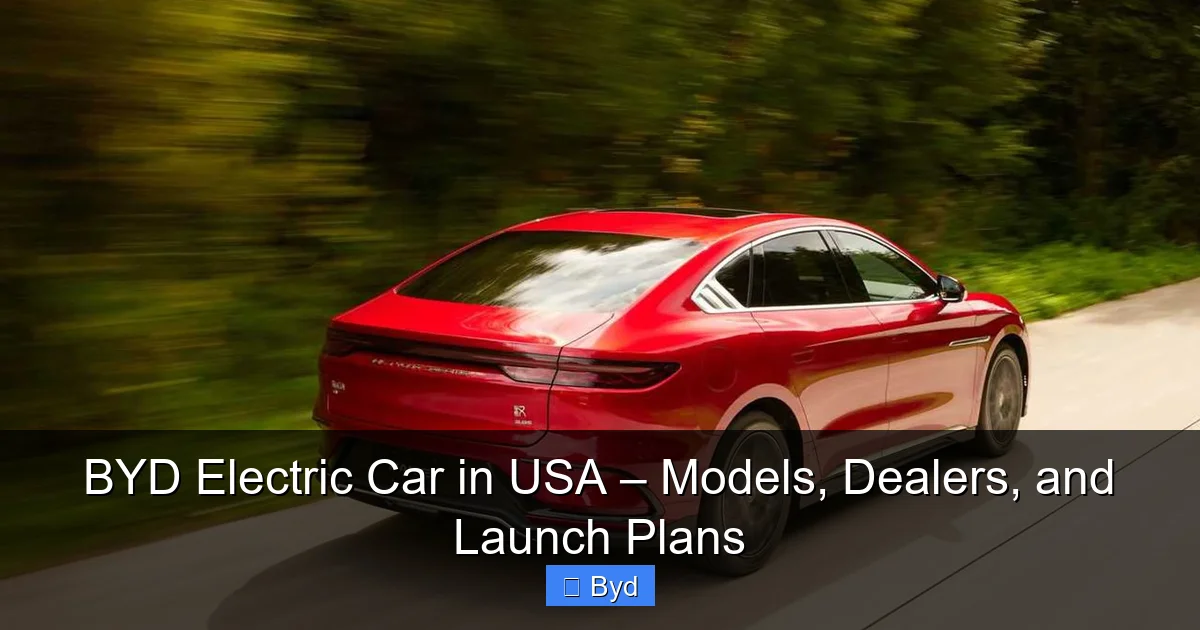
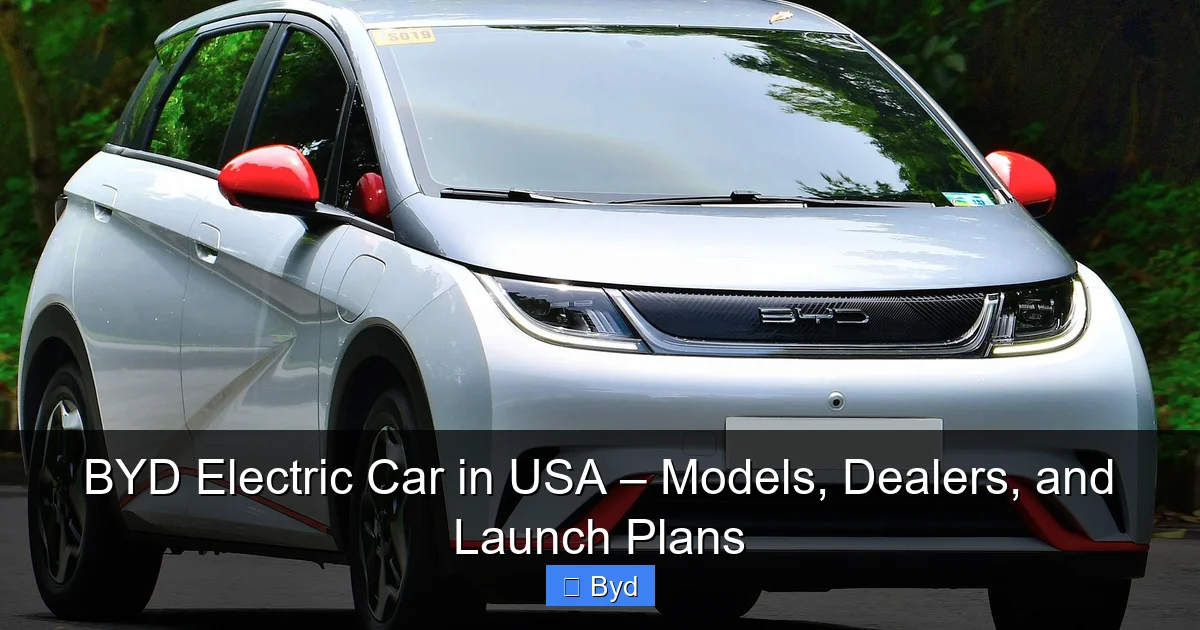
Featured image for this comprehensive guide about byd electric car usa
Image source: cdn.motor1.com
The electric vehicle (EV) revolution is in full swing, and while names like Tesla, Ford, and Hyundai dominate the American landscape, a quiet giant from China has been making monumental waves across the globe. We’re talking about BYD – Build Your Dreams – a company that has not only become a leading manufacturer of electric vehicles but also a major player in battery technology. Globally, BYD’s sales figures are astounding, consistently challenging and often surpassing established EV brands.
Yet, for many American consumers, the sight of a BYD electric car in USA traffic remains a rarity, almost a phantom. This raises a crucial question: With such global success and innovation, why isn’t BYD’s impressive lineup of passenger EVs widely available in the United States? Is the world’s leading EV maker on the verge of entering the highly competitive American market, and if so, what would that mean for consumers, competition, and the future of sustainable transportation? This comprehensive guide delves into BYD’s global dominance, its existing, albeit limited, presence in the USA, and what the future might hold for BYD electric cars in America.
Join us as we explore the intricate details of BYD’s potential launch plans, the models most likely to make an impact, the logistical hurdles they face, and what American drivers can anticipate from this formidable EV contender. Get ready to build your understanding of BYD’s journey to potentially redefine the electric car landscape in the USA.
Quick Answers to Common Questions
Are BYD electric cars currently sold to consumers in the USA?
Not yet for the general public! While BYD is a global EV giant, their exciting passenger electric car models aren’t widely available through traditional dealerships for individual buyers in the USA.
Which BYD electric car models could we see in the USA?
Specific launch models aren’t confirmed, but globally popular vehicles like the BYD Atto 3 (Yuan Plus) or the sleek BYD Seal are strong contenders if BYD decides to enter the US passenger vehicle market.
Are any BYD vehicles available in the USA right now?
Absolutely! BYD has a significant commercial presence in the USA, manufacturing electric buses, trucks, and forklifts for fleets and public transit, even with a plant in California. Just not the passenger cars you might be thinking of!
When might BYD electric cars officially launch for US buyers?
A firm timeline for a broad consumer launch of BYD electric cars in the USA hasn’t been announced yet, as BYD continues to evaluate market entry strategies. Keep an eye on industry news for future updates!
How would I buy a BYD electric car in the USA if they launch?
If BYD launches passenger cars, they would likely establish a new, dedicated dealer network or adopt a direct-to-consumer sales model, similar to other emerging EV brands. Currently, there are no traditional dealerships selling BYD electric cars to individual US consumers.
📋 Table of Contents
- BYD’s Global Ascent: A Powerhouse Beyond Borders
- BYD’s Current Footprint in the USA: The Commercial Angle
- The Anticipated Arrival: What’s Holding Back BYD Passenger Cars in the USA?
- Potential BYD Models for the US Market: A Glimpse into the Future
- The “BYD Electric Car USA” Experience: What to Expect When (and If) They Arrive
- Conclusion: The Future of BYD Electric Cars in the USA
BYD’s Global Ascent: A Powerhouse Beyond Borders
Before diving into its American ambitions, it’s essential to understand the sheer scale and influence of BYD on the global stage. What started as a battery manufacturer in 1995 has transformed into a diversified technology conglomerate with a formidable presence in automotive, electronics, new energy, and rail transit. In the EV sector, BYD isn’t just a participant; it’s a leader, consistently pushing boundaries in innovation, affordability, and market penetration worldwide.
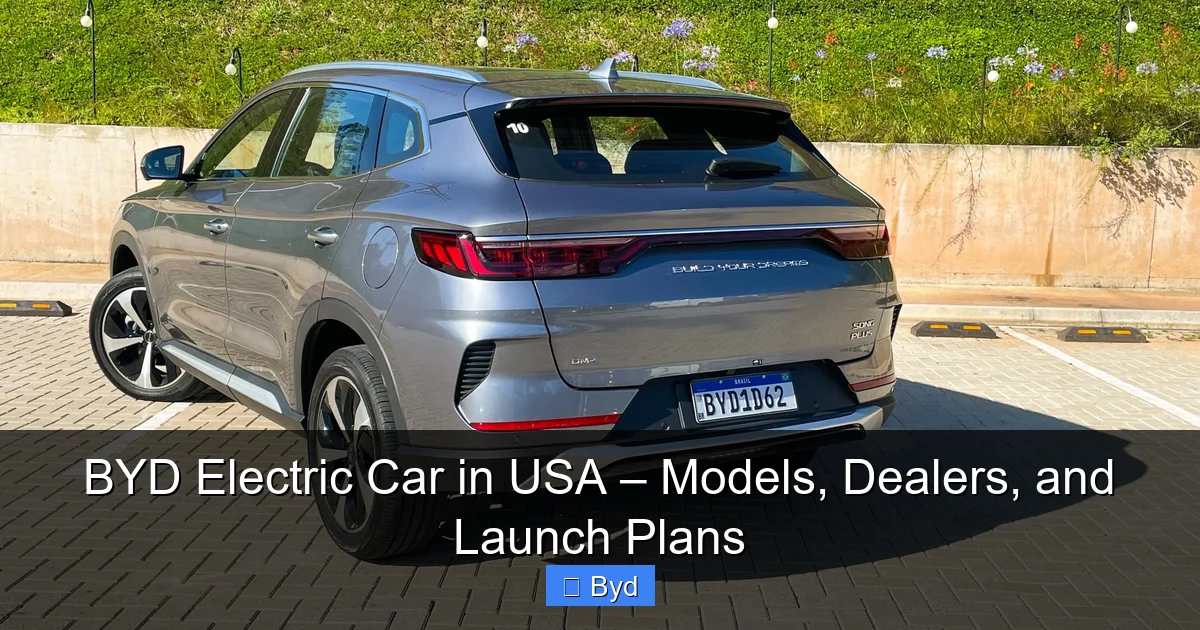
Learn more about byd electric car usa – BYD Electric Car in USA – Models, Dealers, and Launch Plans
Image source: automaistv.com.br
From Batteries to Global EV Leader
BYD’s journey into the automotive world began with conventional cars, but its strategic pivot to new energy vehicles (NEVs), particularly electric cars, has been nothing short of spectacular. Leveraging its expertise in battery technology – specifically its groundbreaking Blade Battery – BYD has created a compelling ecosystem of electric vehicles. This vertical integration, from battery production to vehicle assembly, gives BYD a significant competitive edge, allowing for greater cost control, faster innovation cycles, and robust supply chain resilience.
| Aspect | BYD’s Status in USA (Passenger EVs) | Key Comparison/Challenge | Notes/Impact |
|---|---|---|---|
| Market Entry Strategy | Primarily focused on commercial vehicles (buses, trucks); no direct consumer sales of passenger EVs. | Established competitors (e.g., Tesla, GM, Ford) have significant market share and brand loyalty. | Building consumer trust and a sales network from scratch is a major hurdle. |
| Product Availability | Popular global models (e.g., Atto 3, Seal, Dolphin) not officially sold to US consumers. | US market has specific safety, emissions, and consumer preference standards. | Significant vehicle homologation and adaptation would be required for entry. |
| Manufacturing Presence | Has a bus/truck manufacturing plant in Lancaster, CA. No current passenger car production. | “Made in USA” is crucial for consumer perception and eligibility for federal incentives (e.g., IRA tax credits). | Establishing US passenger EV manufacturing would require substantial investment. |
| Regulatory & Political Climate | Faces high import tariffs (e.g., 27.5%) on Chinese-made vehicles. | US government incentives (IRA) heavily favor North American-assembled EVs and battery components. | Geopolitical tensions influence market access and investment decisions. |
| Brand Perception | Relatively low brand awareness for passenger cars among average US consumers. | Consumers often prioritize established brands with proven reliability and service networks. | Requires extensive marketing and a strong value proposition to build trust. |
- Battery Innovation: The Blade Battery, known for its safety, longevity, and space utilization, is a cornerstone of BYD’s success. It has passed extreme nail penetration tests without thermal runaway, offering a new benchmark for EV battery safety.
- Diverse Product Portfolio: BYD offers a wide array of electric vehicles, from compact hatchbacks and sedans to SUVs and luxury models, catering to various consumer segments and price points across different continents.
- Unprecedented Sales Growth: In Q4 2023, BYD famously surpassed Tesla as the world’s largest seller of battery electric vehicles (BEVs) globally, delivering over 526,000 units compared to Tesla’s 484,507. For the full year 2023, BYD sold approximately 3.02 million NEVs, with BEVs accounting for over 1.57 million of those. This underscores its massive global market share and operational scale.
Key Models Dominating International Markets
BYD’s passenger car lineup is extensive, with several models gaining significant traction in markets like Europe, Australia, Asia, and Latin America. These vehicles are celebrated for their modern design, advanced technology, impressive range, and competitive pricing. Here are a few prominent examples:
- BYD ATTO 3 (Yuan Plus): A compact crossover SUV that has become a bestseller in many international markets, lauded for its stylish interior, comfortable ride, and solid range. It’s often seen as a direct competitor to popular compact EVs.
- BYD Seal: A sleek, sporty electric sedan designed to rival premium offerings like the Tesla Model 3. It boasts dynamic performance, sophisticated design, and impressive technological features, showcasing BYD’s capabilities in the performance segment.
- BYD Dolphin: An affordable and compact urban hatchback, perfect for city driving. It offers excellent value, surprising practicality, and sufficient range for daily commutes, making EV ownership accessible to a broader audience.
- BYD Han: A premium full-size sedan, representing BYD’s luxury aspirations with advanced features and a refined driving experience.
These models, among others, demonstrate BYD’s ability to produce high-quality, desirable electric vehicles that resonate with diverse international consumers. The question then becomes, can this success translate to the American market?
BYD’s Current Footprint in the USA: The Commercial Angle
While the BYD electric car USA passenger vehicle presence is largely non-existent, it would be inaccurate to say BYD has no operations in the United States. In fact, BYD has quietly established a significant footprint in the commercial electric vehicle sector, demonstrating its ability to navigate American manufacturing, regulatory, and labor landscapes. This commercial foundation provides valuable insights into BYD’s capabilities and potential future strategies for passenger vehicles.
Learn more about byd electric car usa – BYD Electric Car in USA – Models, Dealers, and Launch Plans
Image source: blogger.googleusercontent.com
Buses, Trucks, and Forklifts: A Silent Revolution
For years, BYD has been a key supplier of electric buses, trucks, and forklifts to various municipalities, transit agencies, and businesses across the United States. You might have ridden on a BYD electric bus without even realizing it. These heavy-duty vehicles represent a crucial part of the electrification of public transit and logistics, where BYD has proven its reliability and technological prowess.
- Electric Buses: BYD has delivered thousands of electric buses to cities and transit authorities nationwide, including Los Angeles, Long Beach, and Albuquerque. These buses are known for their quiet operation, zero emissions, and robust performance in urban environments.
- Electric Trucks: From refuse trucks to yard tractors, BYD’s electric truck division is helping companies reduce their carbon footprint in freight and logistics operations.
- Electric Forklifts: In warehouses and industrial settings, BYD’s electric forklifts offer emission-free, quiet, and efficient material handling solutions.
This commercial segment, though less glamorous than passenger cars, has allowed BYD to build relationships with American suppliers, understand local regulations for large vehicles, and gain experience in after-sales service and support within the US market.
Manufacturing Facilities in the US (Lancaster, CA)
Crucially, BYD doesn’t just import these commercial vehicles; it manufactures many of them right here in the United States. BYD’s electric bus manufacturing plant in Lancaster, California, opened in 2013, is a testament to its commitment to local production and job creation. This facility assembles buses and trucks for the North American market, employing American workers and adhering to US manufacturing standards. The plant has expanded several times, showcasing BYD’s long-term investment in the region.
- Local Production: Manufacturing in Lancaster helps BYD meet “Buy America” requirements for public transit contracts, which are vital for securing bids from government agencies.
- Job Creation: The plant provides hundreds of manufacturing jobs in the Antelope Valley area of California, contributing to the local economy.
- Experience with US Labor: Operating a unionized plant in the US provides BYD with invaluable experience in American labor relations and human resources, knowledge that would be critical for any passenger car entry.
Why Commercial First?
The “commercial-first” strategy for BYD in the US isn’t accidental. It’s a calculated move. The regulatory landscape for commercial vehicles, while stringent, often differs from the highly scrutinized passenger car market. Public contracts often prioritize local manufacturing and sustainability, areas where BYD excels. Furthermore, the brand perception challenges might be less pronounced in B2B transactions compared to direct-to-consumer sales for passenger cars, allowing BYD to build a solid foundation and reputation over time.
This existing infrastructure and experience give BYD a unique advantage should they decide to introduce a BYD electric car in USA passenger market, as they wouldn’t be starting entirely from scratch.
The Anticipated Arrival: What’s Holding Back BYD Passenger Cars in the USA?
Despite BYD’s global dominance and existing commercial presence in the US, the passenger vehicle market remains elusive. Why the delay? Entering the highly competitive and regulated American passenger car market is a monumental undertaking, fraught with challenges extending far beyond simply shipping cars across the Pacific. Several complex factors are at play, making the decision for BYD electric car USA entry a delicate balancing act.
Navigating US Regulations and Safety Standards
The United States has some of the most rigorous automotive safety and emissions standards in the world, managed by organizations like the National Highway Traffic Safety Administration (NHTSA) and the Environmental Protection Agency (EPA). Adapting a global vehicle platform to meet these specific requirements is a costly and time-consuming process. This involves extensive re-engineering, crash testing, and certification for every model intended for sale.
- Federal Motor Vehicle Safety Standards (FMVSS): BYD vehicles would need to undergo comprehensive testing to ensure compliance with all FMVSS regulations, which can differ significantly from European or Chinese standards.
- Emissions and EV Mandates: While electric vehicles have zero tailpipe emissions, they still need to meet various regulatory requirements related to battery safety, electromagnetic compatibility, and charging standards specific to North America.
- Software and Data Security: With increasing concerns over data privacy and cybersecurity, especially regarding foreign-made vehicles, BYD would need to demonstrate robust security protocols for its vehicle software and data handling.
Building a Dealer Network and Service Infrastructure
Unlike Tesla’s direct-to-consumer sales model, most legacy automakers in the US rely on an extensive network of independent dealerships for sales, service, and parts. Establishing such a network from scratch is a colossal logistical and financial challenge. It requires:
- Dealership Investment: Recruiting and supporting dealers who are willing to invest heavily in new showrooms, service bays, training, and parts inventory for an unknown brand.
- After-Sales Support: Ensuring a robust supply chain for spare parts and having skilled technicians trained to service BYD’s specific EV technologies (including the Blade Battery and e-Platform 3.0). Without reliable service, consumer confidence will be low.
- Charging Infrastructure: While not unique to BYD, ensuring compatibility with the existing North American charging infrastructure (CCS1 and increasingly NACS) and potentially developing proprietary charging solutions (or partnerships) is crucial.
Overcoming Geopolitical and Brand Perception Challenges
Perhaps the most significant non-technical hurdles are related to geopolitics and consumer perception. The current political climate between the US and China is tense, with tariffs and trade restrictions frequently in the news. Furthermore, there’s a prevalent perception among some American consumers regarding the quality and origin of Chinese-made goods, which BYD would need to actively combat.
- Tariffs and Trade Policy: High tariffs on imported Chinese goods could significantly inflate the price of BYD vehicles, eroding their competitive edge on affordability.
- “Made in China” Perception: Despite BYD’s global success and quality, overcoming preconceived notions about Chinese manufacturing among American buyers will require substantial marketing and public relations efforts.
- National Security Concerns: Some policymakers and consumers may raise concerns about data collection and potential national security risks associated with vehicles from a Chinese manufacturer.
Pricing Strategy and EV Subsidies (IRA Implications)
Finally, any BYD electric car USA launch would need a finely tuned pricing strategy. A key aspect of this is navigating the Inflation Reduction Act (IRA), which offers substantial federal tax credits for EVs. These credits currently favor vehicles assembled in North America and whose batteries source critical minerals from the US or its free-trade partners. Imported BYD vehicles from China would likely not qualify, putting them at a significant price disadvantage against domestic or qualifying international competitors.
This incentivizes BYD to consider localizing production for passenger cars, similar to its bus operations, but that represents an even greater investment and longer timeline.
Potential BYD Models for the US Market: A Glimpse into the Future
Should BYD overcome the formidable challenges and decide to launch a BYD electric car in USA, which models are most likely to lead the charge? Based on their international success, technological prowess, and strategic market positioning, certain vehicles stand out as prime candidates to introduce the BYD brand to American consumers. Each model brings a unique set of features and targets a different segment of the burgeoning US EV market.
The ATTO 3 (Yuan Plus) – A Crossover Contender
The BYD ATTO 3, known as the Yuan Plus in China, is arguably the most logical candidate for an initial US market entry. As a compact crossover SUV, it hits a sweet spot in one of the most popular vehicle segments in America. It offers a compelling blend of modern design, practical space, and solid EV performance.
- Segment Appeal: Crossover SUVs dominate US car sales, making the ATTO 3 a familiar and desirable form factor for many buyers.
- Key Features: Internationally, it boasts a stylish, fitness-inspired interior, a rotating 12.8-inch infotainment screen, advanced driver-assistance systems (ADAS), and a range of approximately 260 miles (WLTP) on its larger 60.48 kWh Blade Battery.
- Value Proposition: The ATTO 3 is competitively priced in other markets, offering a strong value proposition that could disrupt the entry-to-mid-level EV segment in the US.
The BYD Seal – Tesla Model 3 Rival
For those seeking a sportier, more performance-oriented electric sedan, the BYD Seal presents a formidable challenger. It’s often compared directly to the Tesla Model 3 and would directly target this lucrative segment, appealing to drivers looking for dynamic handling and sleek aesthetics.
- Performance and Design: The Seal features striking “Ocean Aesthetic” design language, available in rear-wheel-drive and all-wheel-drive configurations. The dual-motor AWD version can accelerate from 0-60 mph in under 4 seconds.
- Advanced Technology: Built on BYD’s e-Platform 3.0, it integrates the Blade Battery as a structural component (Cell-to-Body technology), enhancing rigidity and safety. It offers ranges of over 300 miles (WLTP) with its larger battery options.
- Premium Experience: The Seal aims for a more premium feel with high-quality materials and advanced infotainment, positioning it against established luxury EV sedans.
The BYD Dolphin – Affordable Urban EV
To capture the budget-conscious and urban-dwelling consumer, the BYD Dolphin could be a game-changer. This compact hatchback emphasizes affordability, practicality, and efficiency, making EV ownership more accessible.
- Accessibility: The Dolphin’s lower price point in international markets makes it one of the most affordable EVs available, a segment that is still relatively underserved in the US.
- Urban Agility: Its compact size, nimble handling, and sufficient range (around 210-260 miles WLTP depending on battery size) make it ideal for city commutes and tight parking.
- Youthful Appeal: With vibrant color options and a modern interior, the Dolphin could attract a younger demographic or those looking for a second family EV.
What About Premium Brands like Denza or Yangwang?
Beyond the core BYD brand, the company also owns and operates premium sub-brands like Denza (a joint venture with Mercedes-Benz) and the ultra-luxury Yangwang. While a direct launch of these brands in the US would be even more challenging, their existence demonstrates BYD’s technological breadth and aspirational goals. Should BYD successfully establish its mainstream brand, these luxury offerings could follow, competing at the very top end of the EV market with cutting-edge features like independent wheel motors and advanced suspension systems.
The entry of any of these models as a BYD electric car in USA would signify a major shift in the American EV landscape, offering consumers more choices and intensifying competition across various price points and segments.
The “BYD Electric Car USA” Experience: What to Expect When (and If) They Arrive
Assuming BYD makes the leap and introduces its passenger vehicles to the American market, what can US consumers truly expect? Beyond the specific models, understanding the broader “BYD experience” is crucial. This encompasses their technological philosophy, value proposition, and the practical considerations of ownership that will define their success or failure in a demanding market.
Cutting-Edge Technology: Blade Battery and e-Platform
One of BYD’s biggest selling points is its proprietary technology. Their vertical integration means they control many core components, leading to innovative and efficient systems:
- Blade Battery Safety: As mentioned, the lithium iron phosphate (LFP) Blade Battery is renowned for its safety and durability. This focus on safety, coupled with excellent thermal management, should provide peace of mind for American consumers.
- e-Platform 3.0: This dedicated EV platform is designed for optimal performance, range, and intelligence. It integrates the powertrain, battery, and electronic controls, leading to more compact vehicle structures, enhanced safety, and greater efficiency. Expect impressive ranges and potentially faster charging capabilities.
- Intelligent Cockpit: BYD vehicles typically feature intuitive infotainment systems, over-the-air (OTA) updates, and advanced connectivity, keeping them competitive with modern EV offerings. The rotating central screen is a signature BYD feature that often surprises and delights users.
Value Proposition: Affordability Meets Innovation
Internationally, BYD is synonymous with offering high-quality EVs at competitive prices. If they can replicate this strategy in the US, even without federal tax credits initially, it could be a significant disruptive force.
- Competitive Pricing: BYD’s scale and vertical integration allow them to produce EVs at lower costs. If they can pass these savings on to consumers, they could offer compelling alternatives to existing EVs from Tesla, GM, Ford, and Hyundai.
- Standard Features: BYD often includes a generous list of standard features and safety technologies that might be optional extras on competitor vehicles, enhancing the overall value proposition.
- Diverse Offerings: From entry-level hatchbacks to premium sedans and SUVs, BYD offers a range of options to suit various budgets and needs, potentially filling gaps in the current US EV market.
Service, Parts, and Charging Infrastructure Concerns
These are the critical practical challenges for any new automotive entrant, especially for an EV brand. A smooth ownership experience hinges on robust support infrastructure.
- Dealer Network & Service Centers: As discussed, a widespread and competent dealer and service network will be paramount. Consumers will demand readily available parts and skilled technicians for maintenance and repairs.
- Charging Standards: BYD vehicles currently use the CCS charging standard in most international markets, which is prevalent in the US. However, the shift towards the North American Charging Standard (NACS) adopted by Tesla and increasingly by other manufacturers will require BYD to either adapt their vehicles, offer adapters, or plan for future NACS integration.
- Warranty and Roadside Assistance: Comprehensive warranties and reliable roadside assistance will be crucial for building consumer trust in a new brand.
What Consumers Can Do Now
For those eagerly awaiting a BYD electric car in USA, staying informed is key. Here are some actionable tips:
- Follow Industry News: Keep an eye on automotive news outlets for any official announcements or credible leaks regarding BYD’s US entry plans.
- Research Global Models: Familiarize yourself with BYD’s international lineup and specifications to understand what they offer.
- Express Interest: Engage with online forums, social media, and surveys if opportunities arise, signaling consumer demand for more affordable and diverse EV options.
- Consider Alternatives: While waiting, explore the increasing range of EVs available in the US market to understand the current competitive landscape and what features are important to you.
The potential arrival of BYD passenger EVs in the US is more than just another brand entering the market; it signifies a pivotal moment for increased competition, potential price disruption, and a further acceleration of EV adoption.
Conclusion: The Future of BYD Electric Cars in the USA
BYD’s journey from a battery manufacturer to a global electric vehicle powerhouse is a testament to its relentless innovation and strategic vision. While the company has firmly established its commercial vehicle presence in the United States, the passenger car market remains an exciting, yet unfulfilled, frontier. The question isn’t if BYD has the technological capability or the manufacturing scale to compete in the US, but rather when and how they choose to navigate the complex regulatory, geopolitical, and logistical landscape.
The potential entry of a BYD electric car in USA would undoubtedly shake up the automotive industry, offering American consumers compelling new choices that blend advanced Blade Battery technology, modern design, and potentially disruptive pricing. Models like the ATTO 3, Seal, and Dolphin could redefine expectations for value and performance across various EV segments. However, overcoming challenges related to safety certifications, building a robust dealer network, mitigating geopolitical concerns, and strategically addressing EV subsidies will be critical to their success.
As the electric revolution continues its rapid pace, the prospect of BYD building its dreams directly for American drivers is a compelling vision. It promises a future with more accessible, diverse, and innovative electric vehicles, ultimately benefiting everyone. Keep a close watch on this global giant, as its next move could very well reshape the American EV landscape. The era of the BYD electric car in USA might be closer than you think, and when it arrives, it’s bound to make an impact.
Frequently Asked Questions
Are BYD electric cars currently available for purchase in the USA?
While BYD has a strong presence in the commercial electric vehicle market (buses, trucks) in the USA, their passenger electric cars are not yet widely available for general consumer purchase. The company is actively exploring launch plans for specific passenger models.
Which BYD electric car models are expected to launch in the USA?
BYD has showcased several popular models globally, such as the Seal, Atto 3 (Yuan Plus), and Dolphin. While no definitive passenger car lineup for the US market has been officially announced, these models are strong contenders based on their international success and appeal.
Where can I find a BYD electric car dealer in the USA?
Currently, there are no established dealer networks for BYD passenger electric cars in the USA for individual consumers. BYD primarily operates through business-to-business sales for its commercial vehicles. Future plans for passenger car entry would involve setting up a dedicated sales and service infrastructure.
What is BYD’s strategy for entering the USA passenger electric car market?
BYD is taking a strategic approach, focusing first on specific market segments and potential partnerships before a broader consumer launch. They aim to leverage their advanced Blade Battery technology and integrated manufacturing capabilities to offer compelling BYD electric car options in the USA.
Will BYD electric cars sold in the USA be eligible for federal tax credits?
Eligibility for federal clean vehicle tax credits in the USA depends on several factors, including vehicle manufacturing origin, battery component sourcing, and price caps. It is uncertain if initial BYD electric car models in the USA would meet all criteria, as many are currently designed for global markets.
How do BYD electric cars compare to other EVs already in the USA market?
BYD electric cars are known for their innovative Blade Battery technology, competitive range, and attractive pricing in other global markets. When they officially enter the USA, they will compete with established players like Tesla, Hyundai, and Kia, offering consumers more diverse and technologically advanced choices.