BYD EV Car Lineup – Best Picks for 2025

Featured image for this comprehensive guide about byd co stock
The automotive world is undergoing a seismic shift, with electric vehicles (EVs) leading the charge towards a sustainable future. At the forefront of this revolution stands BYD (Build Your Dreams), a Chinese multinational manufacturing company that has rapidly evolved from a battery producer into a global EV powerhouse. Once a name primarily recognized within industry circles, BYD has now captured international attention, outselling Tesla in global EV sales in Q4 2023 and cementing its position as a dominant force.
For investors, this rapid ascent raises a critical question: what does the future hold for BYD Co Stock? Beyond the headlines and sales figures, understanding the company’s strategic vision, technological advancements, and burgeoning EV lineup is paramount. This deep dive will explore BYD’s journey, analyze its key EV models driving current and future growth, and provide an investor-centric perspective on the factors influencing its stock performance. Whether you’re a seasoned investor or simply curious about the next big player in the EV space, buckle up as we navigate the exciting, and sometimes complex, world of BYD.
From its innovative Blade Battery technology to an increasingly diverse portfolio of passenger vehicles and commercial solutions, BYD’s trajectory is undoubtedly compelling. But how do these innovations translate into shareholder value, and what should prospective investors consider when evaluating BYD Co Stock? Let’s peel back the layers and examine the forces shaping one of the most talked-about companies in the global automotive landscape.
Quick Answers to Common Questions
What is BYD Co stock?
BYD Co stock represents ownership in BYD Company Limited, a global leader in electric vehicles, batteries, and other high-tech industries. It’s how investors can get a piece of their booming success, especially in the EV space!
Where can I buy BYD Co stock?
You can typically purchase BYD Co stock through major online brokerages that offer access to international markets, like the Hong Kong Stock Exchange, or via American Depositary Receipts (ADRs) on OTC markets in the U.S. Just check with your preferred broker!
What’s the ticker symbol for BYD Co stock?
The primary ticker symbol for BYD Co stock on the Hong Kong Stock Exchange is **1211.HK**. For U.S. investors, you might look for its OTC ticker, **BYDDY**, which represents its ADRs.
Why is BYD Co stock important if I’m interested in their cars?
Understanding BYD Co stock gives you insight into the financial health and investor confidence behind the company producing those fantastic EVs. Its performance often reflects market sentiment and the company’s strategic direction regarding its vehicle lineup.
What makes BYD Co stock stand out in the EV market?
BYD Co stock is unique because the company doesn’t just make EVs; they also produce their own batteries (like the Blade Battery) and even semiconductors, giving them a significant vertical integration advantage. This diversified approach often makes them a compelling choice for investors in the EV sector.
📋 Table of Contents
- The Meteoric Rise of BYD: From Battery Giant to EV Powerhouse
- Decoding BYD’s EV Lineup: Innovation Driving Growth and Stock Performance
- Key Factors Influencing BYD Co Stock Performance
- BYD’s Global Expansion and Future Prospects: What Investors Need to Know
- Assessing the Risks and Opportunities of Investing in BYD
- Is BYD Co Stock a Smart Play for 2025 and Beyond?
- Key BYD EV Models and Their Market Impact (2023-2024 Projections)
The Meteoric Rise of BYD: From Battery Giant to EV Powerhouse
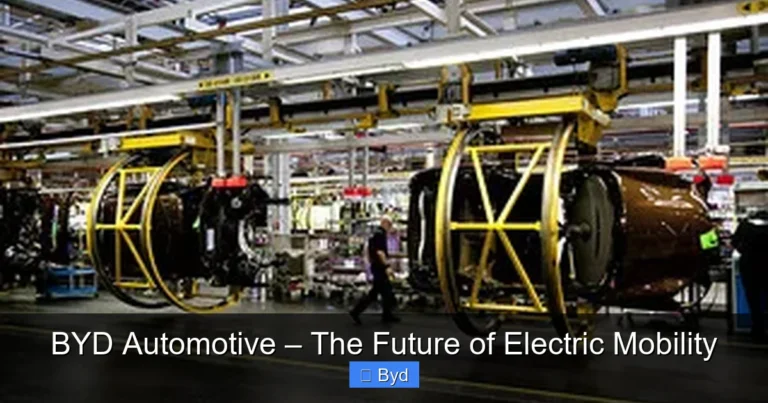
BYD’s journey began in 1995 as a rechargeable battery manufacturer, a foundation that would prove invaluable for its future in electric vehicles. For years, the company supplied batteries to tech giants, meticulously building expertise in energy storage. This foundational knowledge became BYD’s secret weapon, allowing it to develop its own cutting-edge battery technology, which is now a core competitive advantage in the EV market.
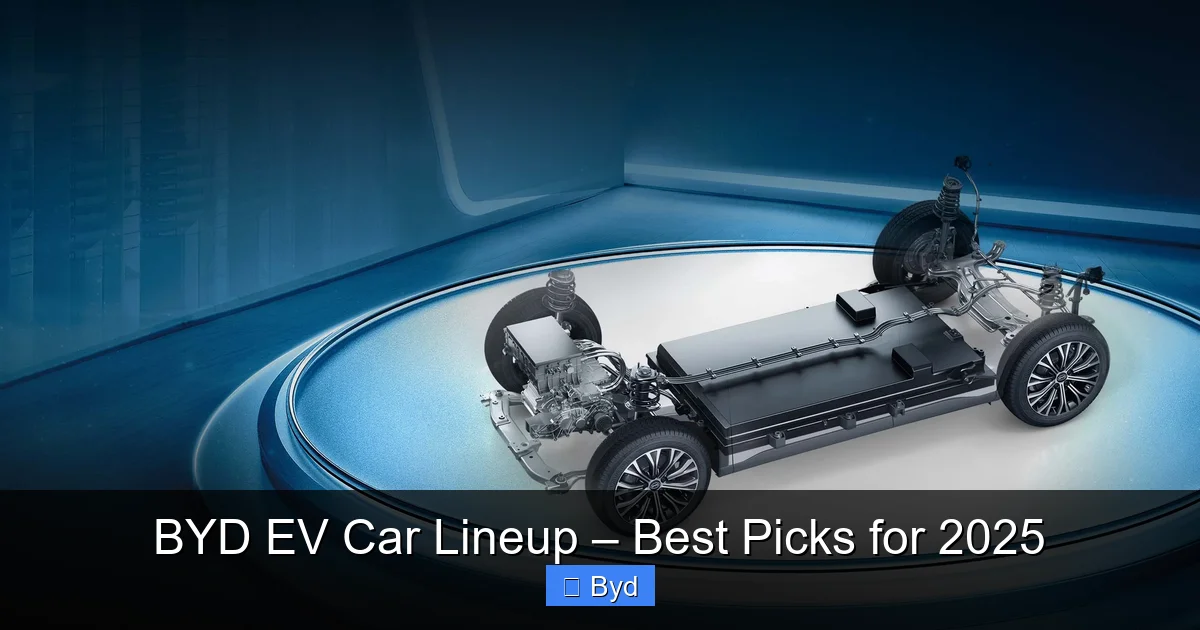
Learn more about byd co stock – BYD EV Car Lineup – Best Picks for 2025
Image source: byd.com
The pivot to automotive manufacturing wasn’t instantaneous but rather a strategic evolution. BYD entered the automotive sector in 2003, initially focusing on conventional internal combustion engine (ICE) vehicles. However, foreseeing the inevitable shift towards electrification, the company quickly began to invest heavily in electric vehicle research and development. This foresight, combined with its in-house battery production capabilities, allowed BYD to integrate its entire EV supply chain, from raw materials to finished vehicles, offering unparalleled cost control and innovation speed.
| Key Metric | Value / Data | Context / Details |
|---|---|---|
| Primary Listing (H-Shares) | 1211.HK | Hong Kong Stock Exchange |
| U.S. OTC Symbol (ADR) | BYDDY | American Depositary Receipt |
| Approx. Market Capitalization | ~$95 Billion USD | As of early 2024 (subject to change) |
| Trailing P/E Ratio (approx.) | 28x | Reflects earnings per share over past 12 months |
| Core Business Segments | EVs, Batteries, Electronics | Diversified technology conglomerate |
Today, BYD is not just an EV manufacturer; it’s an integrated energy solutions provider. Its diverse business segments include automobiles, rail transit, new energy, and electronics. This broad portfolio provides a degree of diversification that many pure-play EV manufacturers lack. The company’s commitment to vertical integration, particularly with its revolutionary Blade Battery and DM-i hybrid technology, has been a game-changer, enabling BYD to offer competitive pricing without compromising on range or safety. This comprehensive strategy has been instrumental in BYD’s market penetration and its impressive financial performance, directly impacting the sentiment and value of BYD Co Stock.
Decoding BYD’s EV Lineup: Innovation Driving Growth and Stock Performance
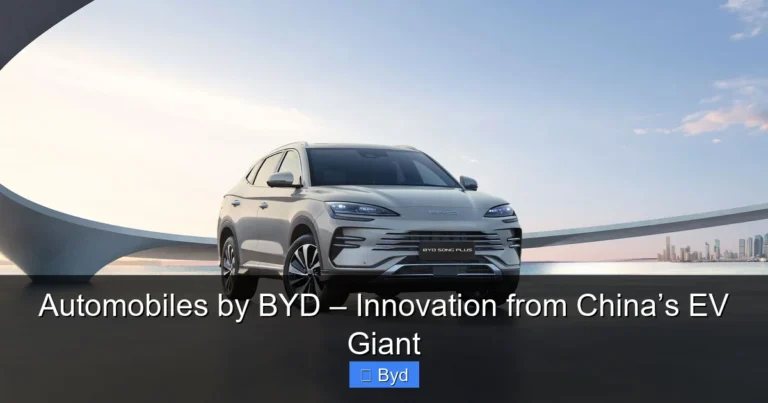
The backbone of BYD’s recent success, and a primary driver for the performance of BYD Co Stock, is its impressive and rapidly expanding EV lineup. Far from offering a handful of models, BYD boasts a diverse portfolio spanning sedans, SUVs, and even luxury vehicles, catering to a wide range of consumer preferences and budgets. This broad appeal allows BYD to capture significant market share across various segments.
The Dynasty Series: Flagships and Market Leaders
- BYD Han: A sleek, performance-oriented executive sedan that showcases BYD’s design prowess and advanced technology. Available in both EV and DM-i (Dual Mode, intelligent) plug-in hybrid variants, the Han offers impressive range, acceleration, and a premium interior, directly challenging established luxury brands.
- BYD Tang: A mid-size SUV that has been a consistent bestseller. The Tang combines spaciousness, power, and the versatility of both EV and DM-i powertrains, making it an attractive option for families and those seeking robust performance.
- BYD Qin Plus DM-i: This compact sedan is a testament to BYD’s ability to deliver value. Its highly efficient DM-i hybrid system provides exceptional fuel economy and range, making it incredibly popular in markets where charging infrastructure is still developing, and offering a compelling entry point into electrification.
The Ocean Series: Fresh Designs and Global Ambitions
The Ocean series represents BYD’s newer design language and a strong push into international markets. These models are characterized by their “ocean aesthetics,” featuring smoother lines and a more contemporary appeal.
- BYD Seal: Positioned as a direct competitor to the Tesla Model 3, the Seal is a sporty electric sedan built on BYD’s e-Platform 3.0. It features cell-to-body (CTB) technology, integrating the Blade Battery into the vehicle’s structure for enhanced safety and rigidity. Its performance and competitive pricing make it a global contender.
- BYD Dolphin: A compact and urban-friendly hatchback, the Dolphin is an affordable yet stylish EV designed for city dwellers. Its cheerful design, practical size, and competitive range make it a popular choice for first-time EV buyers.
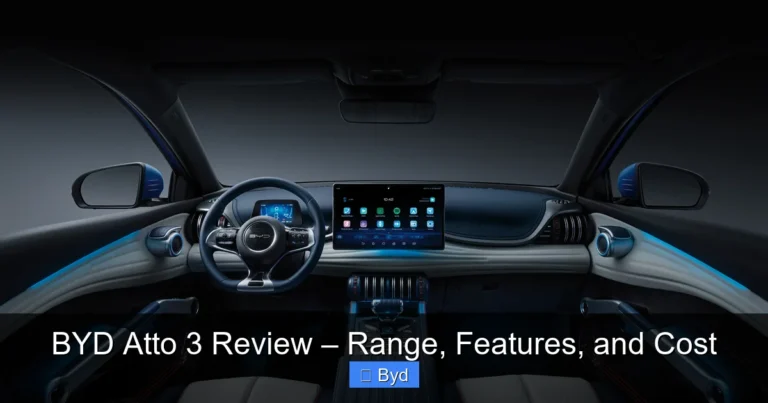
- BYD Atto 3 (Yuan Plus): This compact SUV has become BYD’s global bestseller, particularly in markets like Australia, Europe, and Asia. Its spacious interior, modern features, and strong safety ratings have resonated with international consumers, proving BYD’s capability to compete outside its home market. The Atto 3’s success is a significant indicator of BYD’s global market penetration and its positive impact on BYD Co Stock.
Emerging Luxury and Speciality Vehicles
BYD is also expanding into higher-end segments with brands like Denza and its ultra-luxury Yangwang brand, featuring vehicles like the Yangwang U8 SUV and U9 supercar. These ventures demonstrate BYD’s technological prowess and ambition to compete across the entire spectrum of the automotive market, further diversifying its revenue streams and enhancing its brand image.
Key Technologies Underpinning the Lineup
- Blade Battery: BYD’s proprietary lithium iron phosphate (LFP) battery technology offers superior safety, durability, and energy density compared to traditional LFP batteries, all while maintaining a competitive cost. This innovation is a cornerstone of BYD’s EV strategy.
- DM-i Super Hybrid Technology: This plug-in hybrid system prioritizes electric driving and offers exceptional fuel efficiency, extended range, and lower emissions, making BYD’s hybrids a strong alternative to pure EVs in specific markets and consumer segments.
- e-Platform 3.0: A dedicated EV platform designed for intelligent, high-performance electric vehicles, offering greater flexibility, enhanced safety, and improved efficiency for BYD’s next generation of EVs.
The continuous innovation and strategic expansion of BYD’s EV lineup are directly translating into increased sales volumes, higher market share, and ultimately, a more robust valuation for BYD Co Stock. Each successful model reinforces BYD’s brand, strengthens its manufacturing capabilities, and opens new avenues for growth.
Key Factors Influencing BYD Co Stock Performance
Understanding the dynamics of BYD Co Stock requires looking beyond just vehicle sales. Several intertwined factors, both internal and external, play a significant role in shaping the company’s financial health and investor sentiment.
1. Global EV Market Growth and Competition
The overall growth rate of the global EV market is a primary tailwind for BYD. As more countries adopt stricter emissions regulations and consumers shift towards sustainable transportation, the demand for EVs continues to surge. However, this growth also attracts intense competition from established automakers (e.g., Volkswagen, GM, Toyota) and other EV pure-plays (e.g., Tesla, Nio, XPeng). BYD’s ability to maintain its competitive edge through innovation, cost efficiency, and market expansion is crucial.
2. Technological Leadership and Battery Innovation
BYD’s vertical integration, particularly its Blade Battery technology, is a significant differentiator. Its safety, longevity, and cost-effectiveness provide a tangible advantage. Continued investment in R&D for next-generation batteries (e.g., sodium-ion, solid-state) and autonomous driving features will be vital for sustaining its lead. Any breakthroughs or setbacks in these areas can have a direct impact on BYD Co Stock.
3. International Expansion Strategy
While dominant in China, BYD’s global growth hinges on its success in key international markets like Europe, Southeast Asia, Australia, and Latin America. Establishing strong distribution networks, manufacturing facilities (e.g., in Thailand, Brazil, Hungary), and adapting models to local preferences are critical. Geopolitical tensions or trade barriers could pose risks to this expansion.
4. Raw Material Costs and Supply Chain Management
The cost and availability of critical raw materials for batteries (lithium, nickel, cobalt) can significantly impact BYD’s profitability. BYD’s efforts in securing long-term supply agreements and exploring new battery chemistries help mitigate some of these risks. Efficient supply chain management, especially in a volatile global economic climate, is paramount.
5. Government Policies and Subsidies
Government policies, including EV subsidies, tax incentives, and charging infrastructure development, play a crucial role in stimulating EV adoption. Changes in these policies, particularly in BYD’s home market of China or target international markets, can affect sales volumes and profitability. For example, the phasing out of certain EV subsidies in China has led to price competition.
6. Financial Performance and Profit Margins
Investors closely scrutinize BYD’s financial reports, focusing on revenue growth, net profit, gross profit margins per vehicle, and cash flow. While sales volumes are impressive, maintaining healthy profit margins amidst intense competition and pricing pressures is key to sustainable growth for BYD Co Stock. The mix of higher-margin luxury vehicles versus more affordable models will also influence overall profitability.
7. Brand Perception and Quality Control
As BYD expands globally, building a strong brand reputation for quality, reliability, and customer service becomes increasingly important. Any major quality issues or recalls could damage consumer trust and impact sales, subsequently affecting investor confidence in BYD Co Stock.
BYD’s Global Expansion and Future Prospects: What Investors Need to Know
BYD’s ambition extends far beyond China’s borders. The company has explicitly stated its goal to become a truly global automotive brand, and its recent actions underscore this commitment. This global push is perhaps the most significant long-term growth driver for BYD Co Stock.
Strategic Market Entries and Manufacturing Hubs
BYD has made significant inroads into several key international markets. In Europe, it has launched models like the Atto 3, Han, and Seal, establishing a presence in countries like Germany, the UK, and Sweden. The company is also building a new EV factory in Hungary, signaling its long-term commitment to the European market. In Southeast Asia, BYD is rapidly gaining market share, with a new plant in Thailand to serve the ASEAN region. Latin America and Australia are also seeing robust growth for BYD vehicles.
Diversification Beyond Passenger Cars
While passenger EVs capture headlines, BYD’s “three green dreams” strategy also includes electric buses, trucks, and forklifts. BYD is a leading global supplier of electric buses, with a significant presence in public transport fleets worldwide. This commercial vehicle segment provides a stable revenue stream and further diversifies BYD’s overall business, making it less reliant solely on passenger car sales. The ongoing electrification of commercial fleets presents a substantial growth opportunity.
Innovation in Energy Storage and Charging
Leveraging its battery expertise, BYD is also a major player in stationary energy storage solutions. As renewable energy adoption grows, the demand for grid-scale battery storage will skyrocket. BYD’s capabilities in this area position it favorably within the broader energy transition. Furthermore, the company is actively involved in developing advanced charging technologies and infrastructure solutions, which will be crucial for accelerating EV adoption globally.
Autonomous Driving and Software Development
Like all major automotive players, BYD is investing heavily in autonomous driving capabilities and in-car software. While perhaps not as vocal as some competitors, BYD is steadily integrating advanced driver-assistance systems (ADAS) into its vehicles and collaborating with technology partners to enhance its intelligent cockpit experiences. Future differentiation will increasingly come from software and connectivity, and BYD’s ability to compete in this space will be vital for long-term growth and maintaining a premium valuation for BYD Co Stock.
Future Outlook: Scale and Ecosystem
BYD’s future prospects are bolstered by its massive scale, vertical integration, and comprehensive ecosystem. As the world transitions to a fully electric future, BYD aims to be a one-stop shop for battery technology, electric vehicles (from scooters to buses), and energy storage. This holistic approach provides resilience and multiple avenues for growth, differentiating it from many competitors. The company’s continued expansion into new geographies and technological domains makes a compelling case for its long-term potential.
Assessing the Risks and Opportunities of Investing in BYD
Investing in any company, especially one in a rapidly evolving sector like EVs, comes with its own set of opportunities and risks. For those considering BYD Co Stock, a balanced perspective is essential.
Opportunities for Growth
- Dominant Market Position: BYD has established itself as a global leader in EV sales, particularly in its home market of China, which is the world’s largest EV market. This leadership provides a strong foundation for continued growth.
- Technological Superiority: The Blade Battery and DM-i hybrid technology give BYD a significant competitive edge in terms of safety, cost, and efficiency, attracting a broad range of consumers.
- Vertical Integration: BYD’s control over its entire supply chain, from batteries to semiconductors, offers better cost control, supply security, and flexibility in innovation compared to many rivals.
- Global Expansion: Successful penetration into European, Southeast Asian, and other international markets represents massive untapped potential and diversification away from reliance on the Chinese market.
- Diversified Business Model: Beyond passenger cars, BYD’s involvement in electric buses, trucks, forklifts, and energy storage solutions provides multiple revenue streams and hedges against fluctuations in any single segment.
- Government Support: While subsidies may be phasing out, governments worldwide continue to support EV adoption through infrastructure development and other incentives, benefiting BYD.
Risks to Consider
- Intense Competition: The EV market is becoming increasingly crowded with new entrants and established automakers pouring billions into electrification. Price wars and aggressive marketing could compress profit margins.
- Geopolitical Risks: As a Chinese company expanding globally, BYD faces potential headwinds from trade disputes, tariffs, and increased scrutiny from Western governments, which could impact its international operations.
- Reliance on Chinese Market: Despite global expansion, China remains BYD’s largest market. Any significant economic slowdown or policy changes in China could disproportionately affect BYD’s sales and profitability.
- Raw Material Volatility: Prices of key battery materials like lithium, nickel, and cobalt can be highly volatile. While BYD has strategies to mitigate this, sustained price hikes could impact profitability.
- Supply Chain Disruptions: Global supply chain issues, such as semiconductor shortages or logistics challenges, could hinder production and delivery, leading to missed sales targets.
- Technological Obsolescence: The EV and battery landscape is rapidly evolving. Failure to keep pace with emerging technologies or consumer preferences could diminish BYD’s competitive advantage.
- Brand Perception in New Markets: Building trust and a strong brand image in diverse international markets takes time and significant investment. Overcoming perceptions tied to its Chinese origin might be a challenge in some regions.
Understanding these opportunities and risks is paramount for any investor contemplating a position in BYD Co Stock. A thorough due diligence process that considers both the bright spots and potential pitfalls will lead to more informed investment decisions.
Is BYD Co Stock a Smart Play for 2025 and Beyond?
Having explored BYD’s impressive EV lineup, its strategic vision, and the myriad factors influencing its stock, we arrive at the pivotal question: what does the future hold for BYD Co Stock, and is it a wise investment for 2025 and beyond?
BYD has undeniably positioned itself as a titan in the global electric vehicle market. Its journey from a battery manufacturer to a vertically integrated EV powerhouse is a testament to its strategic foresight and relentless innovation. The company’s diverse and compelling EV lineup, backed by proprietary technologies like the Blade Battery and DM-i hybrid system, resonates with a broad spectrum of consumers worldwide. This robust product offering is a fundamental pillar supporting the potential growth of BYD Co Stock.
Key Takeaways for Investors:
- Strong Fundamentals: BYD’s vertical integration, in-house battery production, and established scale provide significant cost advantages and resilience in its supply chain.
- Global Growth Trajectory: The company’s aggressive international expansion, coupled with localized manufacturing and sales strategies, opens up vast new markets for revenue growth.
- Diversified Portfolio: Beyond passenger EVs, BYD’s leadership in electric buses and its foray into energy storage and rail transit provide multiple engines for growth and a more stable revenue base.
- Innovation Pipeline: Continued investment in R&D for next-generation batteries, autonomous driving, and smart cockpit features ensures BYD remains at the cutting edge of automotive technology.
- Market Leadership: Overtaking global EV sales leaders indicates strong execution and market acceptance of BYD’s products and strategies.
Considerations for Long-Term Value:
While the outlook appears bright, investors must remain mindful of the dynamic nature of the EV sector. Intense competition, evolving regulatory landscapes, and potential geopolitical challenges are constant factors that can influence BYD’s trajectory. Profitability per vehicle, especially as global expansion accelerates, will be a key metric to watch, as will the company’s ability to adapt its product strategy to diverse international consumer preferences.
For investors with a long-term perspective, BYD Co Stock offers exposure to a rapidly growing sector led by a company with significant competitive advantages. Its integrated approach, technological prowess, and global ambitions paint a compelling picture for future growth. However, as with all investments, potential investors should conduct their own thorough research, consider their risk tolerance, and perhaps consult with a financial advisor before making any decisions. The road ahead for BYD is undoubtedly exciting, promising continued innovation and a significant role in shaping the future of mobility.
Key BYD EV Models and Their Market Impact (2023-2024 Projections)
This table provides a snapshot of key BYD EV models and their estimated market impact, reflecting their contribution to BYD’s overall market share and investor sentiment.
| Model Name | Vehicle Type | Primary Market Contribution | Key Competitive Edge | Market Segment Impact |
|---|---|---|---|---|
| BYD Atto 3 (Yuan Plus) | Compact SUV | Global Bestseller, particularly in export markets. | Balanced performance, competitive pricing, high safety ratings. | Mass-market appeal, strong growth in Europe/APAC. |
| BYD Seal | Mid-size Sedan | Direct competitor to premium EVs (e.g., Tesla Model 3). | e-Platform 3.0, CTB tech, sporty design, performance. | Premium EV sedan segment, brand image uplift. |
| BYD Dolphin | Compact Hatchback | Affordable entry-level EV, strong urban appeal. | Urban practicality, value for money, distinctive design. | Entry-level EV market, encourages first-time EV adoption. |
| BYD Han | Executive Sedan | Flagship model, showcasing luxury and technology. | Premium interior, strong performance (EV/DM-i), advanced features. | Luxury/executive EV segment, elevates brand perception. |
| BYD Qin Plus DM-i | Compact Sedan | High-volume sales in China (PHEV dominance). | Exceptional fuel efficiency, long range (DM-i hybrid). | Hybrid/PHEV market, addresses range anxiety. |
The success of these models, particularly their ability to capture market share in competitive segments and perform well in international markets, directly influences the revenue streams and growth projections that underpin the valuation of BYD Co Stock.
🎥 Related Video: Premium Electric cars BYD Seal 600km range #byd #sedan #seal #ev #electriccar
📺 Technology expert drive
Frequently Asked Questions
What are BYD’s most anticipated EV models shaping up for 2025?
BYD is expected to continue expanding its popular Dynasty and Ocean series, with refreshed models and new additions like potentially updated Seal, Dolphin, and Atto 3 (Yuan Plus) variants. Keep an eye out for potential luxury offerings under the Denza and Yangwang brands, showcasing advanced technology and premium features.
How does BYD’s battery technology give its upcoming 2025 EV lineup a competitive edge?
BYD’s proprietary Blade Battery technology is a significant differentiator, offering enhanced safety, longevity, and space efficiency. This in-house innovation allows BYD to produce highly competitive EVs with impressive range and reliability, which could positively influence the **BYD Co stock** outlook.
How is BYD positioned to compete with global EV giants like Tesla in 2025?
BYD is uniquely positioned as a vertically integrated EV manufacturer, controlling everything from batteries to semiconductors. This allows for greater cost control and rapid innovation, giving its 2025 lineup a strong competitive stance globally in terms of price, features, and range.
What makes BYD EVs a strong consideration for car buyers in 2025, beyond just the price point?
Beyond competitive pricing, BYD EVs offer a compelling blend of advanced technology, safety features, and a growing global service network. Consumers can expect well-appointed interiors, efficient powertrains, and the proven reliability of BYD’s integrated manufacturing capabilities, making them attractive options.
Will BYD’s expanded 2025 EV lineup likely impact **BYD Co stock** performance?
A strong and diverse EV lineup in 2025 is crucial for BYD’s continued market share growth and global expansion, which directly influences investor confidence. Successful product launches and increased sales volumes from these new models are key drivers that could positively affect **BYD Co stock** performance.
What are the key market trends BYD’s 2025 EV lineup aims to capitalize on?
BYD’s 2025 lineup is designed to tap into growing demand for affordable yet feature-rich EVs, expanding into new international markets, and catering to the premium segment with its luxury sub-brands. The focus will likely remain on enhancing range, charging speeds, and smart connectivity to meet evolving consumer expectations.