BYD Seal U DM-i – Plug-in Hybrid Specs

Featured image for this comprehensive guide about byd cars in usa
BYD Seal U DM-i – Plug-in Hybrid Specs: A Deep Dive into BYD Cars in USA
The global automotive landscape is buzzing with innovation, and at the forefront of this revolution stands BYD. Hailing from China, this automotive giant has rapidly ascended to become a leading force in the electric vehicle (EV) and plug-in hybrid electric vehicle (PHEV) sectors, challenging established players and redefining expectations worldwide. While its commercial vehicles, like buses and trucks, have quietly operated in various sectors across the United States for years, the prospect of BYD cars in USA entering the mainstream passenger car market has ignited considerable excitement and speculation. This isn’t just about another car brand; it’s about a technological powerhouse poised to offer compelling alternatives in sustainable transportation.
For American consumers increasingly seeking greener, more efficient, and technologically advanced vehicles, the potential arrival of BYD’s passenger car lineup represents a significant development. Among the most anticipated models is the BYD Seal U DM-i, a sophisticated plug-in hybrid SUV that perfectly embodies BYD’s commitment to cutting-edge design, advanced battery technology, and exceptional fuel efficiency. This vehicle is more than just a car; it’s a statement of intent, showcasing what modern PHEVs can achieve. But what exactly does this mean for the competitive US auto market, and what makes the Seal U DM-i a vehicle to watch?
In this comprehensive post, we’ll delve deep into the world of BYD cars in USA, focusing specifically on the impressive specifications and innovative technology behind the BYD Seal U DM-i. We’ll explore BYD’s journey to global dominance, dissect its revolutionary DM-i hybrid system, analyze its potential impact on American drivers, and provide a detailed look at what makes this PHEV a compelling option for the future of sustainable driving.
Quick Answers to Common Questions
Are BYD cars sold in the USA right now?
Not for private passenger vehicles, unfortunately. While BYD does have a significant presence in the US with electric buses and trucks, their popular passenger car lineup isn’t officially sold here yet.
Why aren’t we seeing BYD cars in USA showrooms?
There are several factors at play, including complex regulatory requirements, stiff competition from established brands, and ongoing trade discussions that make market entry for BYD cars in USA challenging.
Will BYD cars ever come to the USA market?
It’s certainly a possibility, as BYD has expressed interest in the past, but there’s no official timeline or concrete plan for passenger car sales in the USA yet. They are currently prioritizing other global markets.
What kind of BYD cars would likely come to the USA if they entered the market?
Given their global success, we would likely see a mix of their cutting-edge EVs and efficient plug-in hybrids, similar to the BYD Seal U DM-i or Atto 3 models, which are proving very popular elsewhere.
Can I import a BYD car into the USA myself?
For a brand-new vehicle, it’s incredibly difficult and generally not legal for individuals due to strict federal safety and emissions standards. It’s much simpler to wait for BYD cars in USA to have an official presence.
📋 Table of Contents
- The Global Powerhouse: BYD’s Journey to Automotive Dominance
- Introducing the BYD Seal U DM-i: A Game-Changer for the USA?
- Under the Hood: Unpacking BYD’s DM-i Super Hybrid Technology
- The Road Ahead: BYD’s Strategy and the US Market Landscape
- Detailed Specifications: A Closer Look at the BYD Seal U DM-i
- The Future of BYD in the USA: What to Expect
The Global Powerhouse: BYD’s Journey to Automotive Dominance
Before we dissect the specifics of the BYD Seal U DM-i, it’s essential to understand the sheer scale and ambition of BYD (Build Your Dreams). Founded in 1995 as a rechargeable battery manufacturer, BYD quickly expanded into the automotive sector, leveraging its expertise in battery technology to become a pioneer in new energy vehicles (NEVs). Today, BYD isn’t just a car manufacturer; it’s an end-to-end solutions provider, involved in everything from semiconductors and electronics to urban rail transit and solar energy storage. This comprehensive approach gives BYD a unique advantage, allowing for vertical integration and control over crucial components, especially batteries, which are the heart of any EV or PHEV.
Globally, BYD has surpassed major automakers in NEV sales, consistently ranking among the top manufacturers. Its diverse portfolio includes sedans, SUVs, minivans, and commercial vehicles, all underpinned by a commitment to innovation and sustainability. The company’s vision extends beyond just selling cars; it aims to accelerate the world’s transition to clean energy, a mission that resonates strongly with evolving consumer demands in markets like the USA. This global success story lays the groundwork for understanding the serious intent behind any potential entry of BYD cars in USA.
| Aspect | Status in USA | Explanation/Impact |
|---|---|---|
| **Passenger Vehicle Sales** | Not available for general consumer purchase | BYD has chosen not to sell its passenger cars to the US public, primarily due to high tariffs on Chinese-made vehicles and complex regulatory hurdles. |
| **Commercial Vehicle Sales** | Active (e.g., electric buses, trucks, forklifts) | BYD operates manufacturing facilities in Lancaster, CA, producing electric buses for public transit agencies and electric trucks for fleets. |
| **Battery Manufacturing & Supply** | Investment and potential expansion for specific applications | BYD is a global leader in EV battery production (Blade Battery) and supplies batteries for its US-made commercial vehicles and energy storage solutions. |
| **Consumer Brand Recognition** | Low for passenger vehicles | Despite being a top global EV manufacturer, BYD’s passenger car brand is largely unknown to the average American consumer due to its limited presence. |
| **Market Entry Barriers (Passenger Cars)** | Significant (tariffs, regulations, competition) | US tariffs on imported Chinese vehicles (currently 27.5%) and stringent safety/emissions standards make direct import unviable for passenger cars. |
BYD’s Commercial Foothold in America
While passenger BYD cars in USA are still mostly a topic of future speculation, BYD is by no means a stranger to American roads. For years, BYD North America has been a significant player in the commercial vehicle sector. Their electric buses, trucks, and forklifts are already in operation across numerous cities and businesses, demonstrating BYD’s robust engineering, reliability, and commitment to zero-emission transport solutions. This established commercial presence provides a critical foundation, offering insights into regulatory compliance, local manufacturing (e.g., Lancaster, California bus plant), and operational logistics within the US market. It’s a quiet but powerful testament to BYD’s capability to adapt and thrive in demanding environments, paving the way for eventual passenger car market entry.
The Revolutionary Blade Battery
A cornerstone of BYD’s automotive success, and a key differentiator for any potential BYD cars in USA, is its groundbreaking Blade Battery technology. Unlike traditional bulky battery packs, the Blade Battery utilizes a long, thin “blade” shape for its lithium iron phosphate (LFP) cells, arranged directly into the battery pack without modules. This design offers several significant advantages:
- Enhanced Safety: The Blade Battery has passed extreme nail penetration tests, demonstrating superior thermal stability and resistance to thermal runaway, a critical safety concern for EVs.
- Improved Space Utilization: Its compact design allows for better integration into the vehicle chassis, increasing volumetric energy density and maximizing interior space.
- Longer Lifespan: LFP chemistry generally offers a longer cycle life compared to NMC (Nickel Manganese Cobalt) batteries, translating to greater durability over the vehicle’s lifetime.
- Cost-Effectiveness: LFP batteries are typically more affordable to produce, contributing to competitive pricing for BYD vehicles.
This proprietary battery technology is not just an incremental improvement; it’s a fundamental shift that underpins the performance, safety, and economic viability of BYD’s vehicles, including the BYD Seal U DM-i.
Introducing the BYD Seal U DM-i: A Game-Changer for the USA?
The BYD Seal U DM-i stands as a prime example of BYD’s advanced engineering and design prowess, representing a strong contender should BYD cars in USA make a full-scale passenger vehicle entry. As a mid-size SUV, it taps into one of the most popular and competitive segments in the American market. It’s designed to offer a blend of electric-first driving, efficient hybrid performance, and a family-friendly package, making it highly relevant for US consumers who might be hesitant to go full-electric but are eager for significant fuel savings and reduced emissions.
Globally recognized for its elegant aesthetics and robust performance, the Seal U DM-i distinguishes itself with a sleek, modern design philosophy that aims to appeal to a broad audience. It’s not just about functionality; it’s about a premium experience.
Design Philosophy and Interior Comfort
The exterior of the BYD Seal U DM-i features BYD’s “Ocean Aesthetics” design language, characterized by smooth lines, a dynamic profile, and a sophisticated presence. It boasts a confident stance, striking LED lighting signatures, and aerodynamic elements that contribute to both its visual appeal and efficiency. This design language creates a sense of harmony and fluidity, distinguishing it from more utilitarian SUVs.
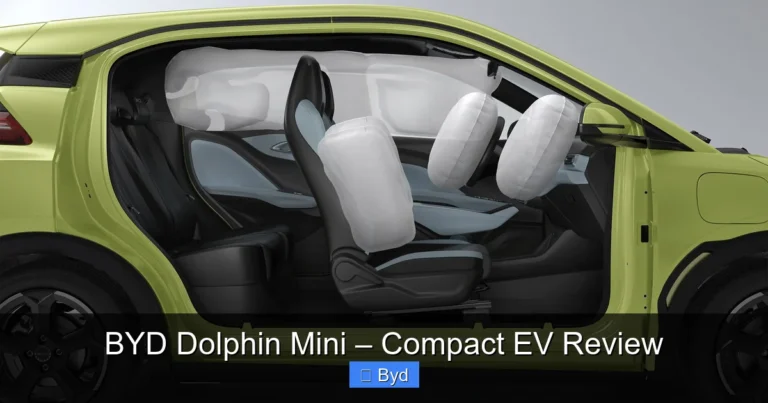
Inside, the Seal U DM-i prioritizes comfort, spaciousness, and a high-tech ambiance. The cabin is meticulously crafted with high-quality materials, offering a premium feel that belies its potentially accessible price point. Key interior features include:
- Generous Cabin Space: Ample legroom and headroom for both front and rear passengers, ensuring comfort on long journeys.
- Panoramic Sunroof: Enhances the feeling of openness and provides abundant natural light.
- Ergonomic Seating: Designed for support and comfort, with options for heating and ventilation.
- Flexible Cargo Area: A versatile rear cargo space that can be expanded by folding down the rear seats, catering to family needs and various lifestyles.
The thoughtful interior design makes the BYD Seal U DM-i a practical yet luxurious choice for everyday commutes and family adventures, making it a strong contender among BYD cars in USA.
Advanced Infotainment and Safety Features
In today’s automotive market, technology and safety are paramount. The BYD Seal U DM-i comes equipped with a suite of advanced features designed to keep drivers connected, entertained, and safe. Central to the user experience is BYD’s intelligent cockpit:
- Rotating Touchscreen: A signature BYD feature, the large central touchscreen (typically 12.8-inch or 15.6-inch) can rotate between portrait and landscape orientations, offering unparalleled flexibility for navigation, media, and vehicle settings.
- Digital Instrument Cluster: A crisp, customizable display provides essential driving information at a glance.
- Voice Control: Natural language voice commands for hands-free operation of various vehicle functions.
- Connectivity: Seamless integration with popular smartphone platforms and over-the-air (OTA) updates for continuous improvement.
Safety is also a top priority, with the Seal U DM-i incorporating a comprehensive array of advanced driver-assistance systems (ADAS). These features are crucial for building trust with US consumers and meeting rigorous safety standards:
- Adaptive Cruise Control (ACC)
- Lane Keep Assist (LKA)
- Blind Spot Detection (BSD)
- Automatic Emergency Braking (AEB)
- 360-degree Panoramic Camera
- Traffic Sign Recognition
These technologies combine to offer a secure and confidence-inspiring driving experience, making the BYD Seal U DM-i a compelling package for the discerning American buyer seeking BYD cars in USA.
Under the Hood: Unpacking BYD’s DM-i Super Hybrid Technology
The heart of the BYD Seal U DM-i, and indeed a major highlight for any BYD cars in USA discussion, is its revolutionary DM-i (Dual Mode intelligence) Super Hybrid technology. This proprietary system is a significant advancement over traditional plug-in hybrids, designed to prioritize electric driving and deliver exceptional fuel efficiency without range anxiety. Unlike many conventional hybrids that primarily use the gasoline engine with electric assist, DM-i is fundamentally electric-centric.
The DM-i system intelligently integrates a highly efficient gasoline engine, a high-power electric motor, and BYD’s Blade Battery. The system’s intelligence lies in its ability to seamlessly switch between different drive modes to optimize performance and efficiency in real-time, depending on driving conditions, battery state, and driver input.
Electric-First Driving Experience
One of the most appealing aspects of the DM-i system is its capability for extensive electric-only driving. The BYD Seal U DM-i is engineered to operate predominantly in EV mode for most daily commutes. This means that for many drivers, their everyday driving will be emissions-free and exceptionally quiet, leveraging the immediate torque and smooth acceleration of the electric motor. The gasoline engine primarily acts as a range extender or to provide peak power when needed, making it feel very much like an EV for much of the time.
Maximizing Efficiency and Range
When the electric range is depleted or when higher speeds/power demands require it, the DM-i system seamlessly transitions to hybrid mode. The gasoline engine can either drive the wheels directly, generate electricity for the motor, or charge the battery. This intelligent management ensures optimal fuel consumption across various scenarios, from city driving to highway cruising. The result is a vehicle that offers not only an impressive electric range but also outstanding combined fuel economy, significantly reducing running costs and environmental impact. This focus on efficiency is precisely what many US consumers are looking for in new BYD cars in USA.
Charging Convenience for a Plug-in Lifestyle
As a plug-in hybrid, the BYD Seal U DM-i offers the flexibility of external charging. Drivers can charge the vehicle at home using a standard Level 2 (240V) charger or at public charging stations. This allows owners to maximize their electric driving and minimize gasoline consumption. The relatively smaller battery capacity compared to a pure EV means charging times are also shorter, making it a convenient option for those new to the plug-in lifestyle. The combination of electric range, hybrid efficiency, and convenient charging makes it an ideal bridge between traditional gasoline vehicles and full battery EVs.
The Road Ahead: BYD’s Strategy and the US Market Landscape
The potential full-scale entry of BYD cars in USA into the passenger vehicle market represents both a monumental opportunity and a significant challenge. The US automotive market is fiercely competitive, with established domestic and international brands, stringent regulations, and discerning consumers. However, BYD’s global success, technological prowess, and commitment to sustainable mobility position it uniquely.
Navigating the Competitive US Auto Market
Entering the US passenger vehicle market requires more than just great cars; it demands a robust distribution network, comprehensive service and parts infrastructure, and significant brand investment. BYD would face direct competition from a wide range of automakers, including:
- Traditional US Giants: Ford, General Motors (Chevy, Cadillac, GMC), Stellantis (Jeep, Ram, Chrysler).
- Established International Players: Toyota, Honda, Hyundai, Kia, Volkswagen, BMW, Mercedes-Benz.
- EV Specialists: Tesla, Rivian, Lucid.
The BYD Seal U DM-i would specifically compete in the popular compact/mid-size SUV segment, against strong PHEV offerings like the Toyota RAV4 Prime, Hyundai Tucson Plug-in Hybrid, and Kia Sportage Plug-in Hybrid. BYD’s ability to offer compelling value, advanced features, and superior efficiency would be key differentiators.
The Importance of Brand Building and Trust
While BYD is a recognized name in global EV circles, its brand recognition among average American consumers for passenger cars is relatively low. Building trust, establishing a strong brand identity, and communicating its value proposition effectively will be crucial. This involves:
- Marketing and Awareness Campaigns: Highlighting BYD’s innovation, safety, and sustainability credentials.
- Dealer Network Development: Partnering with established dealerships or building new sales and service centers.
- Customer Service Excellence: Providing top-tier support to build long-term relationships.
- Overcoming Geopolitical Challenges: Navigating trade tensions and consumer perceptions related to Chinese manufacturing.
Successful entry of BYD cars in USA would hinge on overcoming these hurdles and demonstrating a long-term commitment to the market.
Potential Impact on US Consumers
If BYD successfully brings its passenger cars, like the BYD Seal U DM-i, to the US, the impact could be significant:
- Increased Competition: More options for consumers in the growing PHEV and EV segments.
- Competitive Pricing: BYD’s vertical integration and scale could lead to more affordable advanced vehicles.
- Accelerated EV Adoption: Offering high-quality, efficient alternatives could help push more drivers towards sustainable choices.
- Technological Innovation: BYD’s advanced battery and hybrid systems could spur further innovation across the industry.
Ultimately, the arrival of BYD cars in USA promises to shake up the status quo, offering exciting new choices for American drivers.
Detailed Specifications: A Closer Look at the BYD Seal U DM-i
While exact US specifications and trim levels for the BYD Seal U DM-i are still pending an official announcement, we can look at its global iterations to understand what an American version might offer. These specs highlight its competitive positioning as a modern, efficient, and technologically advanced SUV, making it a strong contender among future BYD cars in USA.
Performance Metrics and Driving Dynamics
The BYD Seal U DM-i is designed to offer a balanced driving experience, combining spirited acceleration with smooth, comfortable cruising. Its DM-i Super Hybrid system ensures responsive power delivery.
- Combined System Power: Expect robust power output, typically around 160-200 kW (215-268 hp), depending on the specific powertrain configuration (e.g., FWD or AWD with additional electric motor on rear axle).
- Acceleration (0-60 mph): Estimated to be in the 7-8 second range, offering confident merging and overtaking capabilities.
- Top Speed: Electronically limited, typically around 105-110 mph (170-180 km/h).
- Driving Modes: Multiple modes (EV, HEV, Sport, Eco) allowing drivers to tailor the vehicle’s response to their preferences and driving conditions.
Battery and Charging Capabilities
The efficiency and range are standout features of the Seal U DM-i, thanks to BYD’s advanced battery technology.
Here’s a summary of the expected specifications based on global models:
| Feature | Specification (Estimated/Global) |
|---|---|
| Battery Type | BYD Blade Battery (LFP) |
| Battery Capacity (Usable) | Approximately 18.3 kWh to 26.6 kWh (multiple options available globally) |
| All-Electric Range (WLTP/EPA est.) | Roughly 50-80 miles (80-130 km) electric-only, depending on battery size and conditions. EPA estimates generally lower than WLTP. |
| Combined Fuel Economy (EPA est.) | Expected to be well over 100 MPGe (miles per gallon equivalent) when leveraging electric range. |
| Total Combined Range | Up to 600-700 miles (965-1125 km) with a full tank and charged battery. |
| AC Charging (Level 2) | Up to 7 kW onboard charger. Full charge in 2.5 – 4 hours depending on battery size. |
| DC Fast Charging | Some variants offer DC fast charging, up to 18 kW or more, allowing 30-80% charge in ~30 minutes. |
| V2L (Vehicle-to-Load) Functionality | Yes, capable of powering external devices up to 3.3 kW, adding versatility. |
These specifications position the BYD Seal U DM-i as a highly competitive and versatile PHEV, offering a compelling blend of electric range, fuel efficiency, and charging convenience for families and individuals looking to embrace more sustainable transportation with BYD cars in USA.
The Future of BYD in the USA: What to Expect
While the full-scale entry of BYD cars in USA remains a dynamic situation, especially concerning passenger vehicles, the groundwork is undoubtedly being laid. BYD’s global ambition, technological leadership, and established commercial presence in the US strongly suggest that a broader push into the passenger car market is a matter of when, not if. The BYD Seal U DM-i exemplifies the kind of sophisticated, efficient, and technologically advanced vehicle that could resonate deeply with American consumers seeking alternatives to traditional gasoline cars and even pure EVs.
For consumers, the prospect of more options in the PHEV and EV segments means increased competition, potentially leading to more innovation, better features, and more competitive pricing. The Seal U DM-i, with its impressive electric range, seamless hybrid system, and modern amenities, addresses many common concerns regarding electric vehicle adoption, offering a practical stepping stone towards a fully electric future. It provides the best of both worlds: zero-emission commuting with the flexibility of a gasoline engine for longer trips.
As BYD continues its global expansion, its strategic approach to the US market will be fascinating to watch. Whether through direct sales, partnerships, or a phased introduction, BYD has the potential to become a significant player in shaping the future of sustainable mobility in America. The journey of BYD cars in USA is just beginning, and the BYD Seal U DM-i is set to be a pioneering force in this exciting evolution.
🎥 Related Video: NEW BYD Seal U review – does China make the best hybrid car? | What Car?
📺 What Car?
WhatCar #BYD #SealU #NewBYDEV Save thousands on your next new car with What Car? at …
Frequently Asked Questions
Are BYD cars currently available for purchase in the USA?
Currently, BYD’s passenger cars are not directly available for purchase by consumers in the USA. While BYD is a global leader in electric vehicles, their primary focus in the US market has been on commercial vehicles like electric buses and trucks.
Will the BYD Seal U DM-i be sold in the USA?
There have been no official announcements or plans indicating that the BYD Seal U DM-i plug-in hybrid SUV will be sold in the USA. This model is primarily targeted at markets in Europe and other regions where BYD is expanding its passenger vehicle presence.
What is BYD’s strategy for entering the passenger car market in the USA?
BYD has indicated a cautious approach to entering the passenger car market in the USA, citing complex regulatory environments and established competition. Their current strategy appears to prioritize other international markets before a full-scale passenger vehicle launch in the US.
Does BYD have any existing operations or sales in the USA?
Yes, BYD has a significant presence in the USA, particularly in the electric bus and truck sector, with manufacturing facilities in Lancaster, California. They also supply battery technology and energy storage solutions, but these are distinct from direct consumer passenger car sales.
What are the key plug-in hybrid specifications of the BYD Seal U DM-i?
The BYD Seal U DM-i features BYD’s advanced DM-i (Dual Mode intelligent) plug-in hybrid technology, combining a gasoline engine with electric motors for impressive efficiency and power. It typically offers a substantial all-electric range, allowing for zero-emission commuting before the petrol engine extends the total driving distance.
What are the main challenges for BYD cars in USA regarding market entry?
Key challenges for BYD cars in USA include navigating strict safety and emissions regulations, establishing a robust charging and service infrastructure, and overcoming geopolitical factors. Building brand recognition and trust among American consumers in a highly competitive market also presents a significant hurdle.