BYD United States Operations – Expansion Update
Featured image for this comprehensive guide about byd united states
Image source: m.blog.hu
The automotive world is undergoing a seismic shift, with electric vehicles (EVs) leading the charge towards a sustainable future. At the forefront of this global transformation stands BYD (Build Your Dreams), a Chinese multinational manufacturing company that has rapidly ascended to become the world’s largest EV producer, surpassing even industry titans in recent sales figures. While its name might not yet be a household staple across all of America, BYD United States operations have been quietly but steadily building a significant presence, particularly within the commercial vehicle and energy storage sectors.
This isn’t just a story about selling cars; it’s about a company with an ambitious vision, a diversified portfolio, and a nuanced approach to one of the most competitive and politically sensitive markets on the planet. From electric buses traversing city streets to battery storage solutions powering homes and grids, BYD in America is a multifaceted entity navigating a complex landscape of innovation, regulation, and consumer perception. The question isn’t if BYD will impact the US market, but how profoundly, and in which areas its expansion will continue to unfold.
Join us as we delve into the current state of BYD United States operations, explore its strategic moves, analyze the challenges and opportunities it faces, and offer insights into what the future might hold for this global EV powerhouse on American soil. This comprehensive update will shed light on BYD’s journey, its technological prowess, and the strategic decisions shaping its trajectory in a market ripe for electrification.
Quick Answers to Common Questions
Is BYD United States selling passenger cars to the public right now?
Currently, BYD United States focuses on commercial vehicles like buses, trucks, and forklifts for its primary operations. While they have a strong global passenger car presence, those models are not yet widely available for consumer purchase here.
What types of vehicles does BYD United States currently offer for sale?
BYD United States specializes in electric buses, trucks, and forklifts, serving transit agencies, businesses, and fleet operators. They are a significant player in the commercial EV sector across the country.
Does BYD United States have manufacturing facilities in the US?
Yes, BYD United States operates a significant electric bus manufacturing plant in Lancaster, California. This facility produces vehicles specifically for the North American market, creating local jobs and bolstering domestic production.
What’s the latest on BYD United States’ expansion plans?
BYD United States is actively expanding its footprint, particularly in commercial vehicle sales and charging infrastructure projects. They are continuously seeking new partnerships and projects to grow their presence in key markets.
Are there plans for BYD United States to bring passenger cars to the consumer market?
While BYD has not yet announced a definitive timeline for widespread consumer passenger car sales in the US, they are certainly evaluating opportunities. For now, their focus remains on expanding their successful commercial vehicle division.
📋 Table of Contents
- BYD’s Current Footprint in the United States: A Foundation of Innovation
- Navigating the American EV Landscape: Challenges and Opportunities for BYD
- BYD’s Strategy for Passenger Vehicles in the US: A Cautious Approach?
- Beyond Vehicles: BYD’s Broader Technological Impact in the US
- The Future of BYD in the United States: What’s Next?
BYD’s Current Footprint in the United States: A Foundation of Innovation
While many American consumers might primarily associate BYD with its passenger car dominance in other global markets, BYD United States initially carved out its niche by focusing on the commercial sector and energy solutions. This strategic entry point allowed BYD to establish a robust foundation, building trust and demonstrating its technological capabilities away from the highly competitive and often scrutinized passenger vehicle market.

Learn more about byd united states – BYD United States Operations – Expansion Update
Image source: ev.iphonemod.net
Electric Buses and Trucks: Driving Commercial Electrification
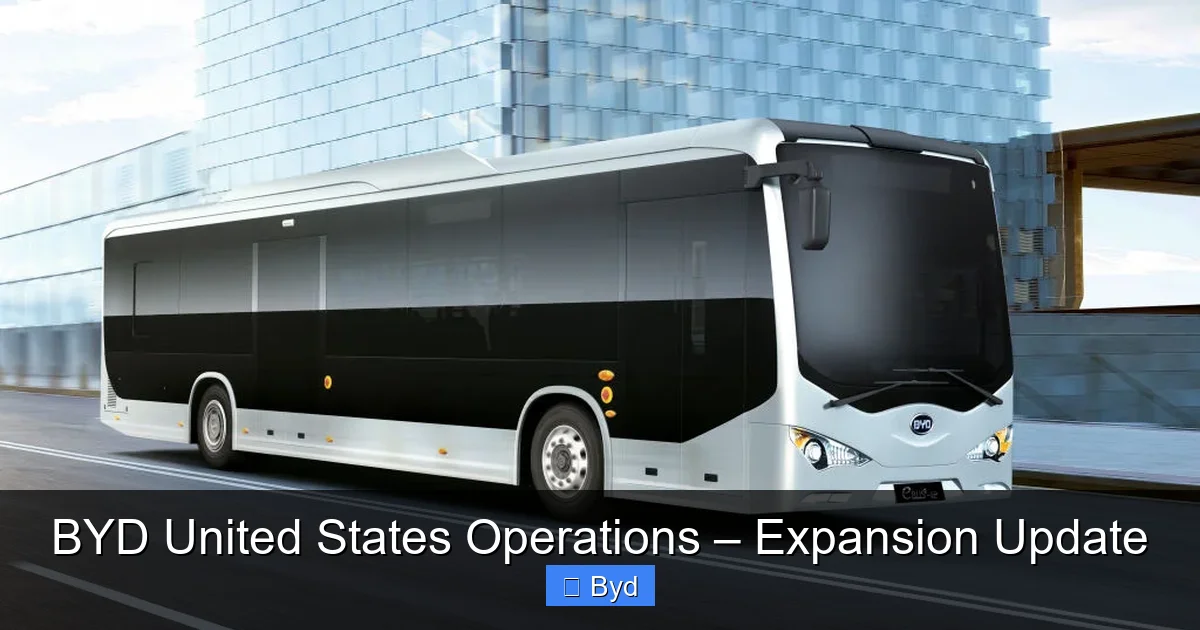
BYD’s journey in the US began decisively with its electric bus division. Recognizing the immense potential for fleet electrification, BYD established its first North American manufacturing plant in Lancaster, California, in 2013. This move was pivotal, allowing the company to produce “Buy America” compliant vehicles, which are essential for many public transit agencies receiving federal funding. Since then, BYD has delivered thousands of electric buses to over 50 transit agencies, university campuses, and corporate fleets across the nation, from Los Angeles to Atlanta.
| Area of Operation | Key Activities/Products in US | Current Status/Impact |
|---|---|---|
| Electric Buses | Design, assembly, and delivery of battery-electric transit buses. | Manufacturing plant in Lancaster, CA. Over 1,000 buses delivered/ordered across 40+ US states and cities, a significant player in US e-bus market. |
| Electric Trucks | Production and sales of various medium and heavy-duty electric trucks (e.g., drayage, refuse, delivery). | Assembled in Lancaster, CA. Growing fleet sales to companies and municipalities, contributing to port electrification and logistics decarbonization. |
| Battery Energy Storage Systems (BESS) | Supply of grid-scale and commercial battery storage solutions. | Deployed in numerous US projects, contributing to grid stability and renewable energy integration (e.g., California, Hawaii). |
| Passenger Vehicles Strategy | No direct consumer sales of passenger EVs currently. Focus remains on commercial sector and battery technology. | Entry into the US passenger car market faces high barriers (tariffs, intense competition); no immediate plans for direct mass-market sales announced. |
| US Manufacturing & HQ | North American HQ in Los Angeles, CA; bus & truck manufacturing plant in Lancaster, CA. | Employs hundreds of American workers. Strategic base for North American commercial operations and local economic contribution. |
The Lancaster facility has been a cornerstone of BYD US operations, manufacturing not only buses but also electric trucks. These trucks range from drayage trucks used in ports to refuse trucks and delivery vehicles, all contributing to cleaner air and reduced operational costs for businesses. The commitment to local production and job creation has been a key element of BYD’s strategy, helping to mitigate some of the trade-related concerns often directed at foreign manufacturers.
- Key Products in the US:
- Electric Transit Buses (e.g., K9M, K8M)
- Electric School Buses
- Electric Coaches
- Electric Class 8 Trucks (drayage, refuse, yard hostlers)
- Electric Medium-Duty Trucks (delivery vans)
- Manufacturing Hub: Lancaster, California, serving as the primary production site for commercial vehicles destined for the North American market.
Energy Storage and Forklifts: Powering Industry and Homes
Beyond transportation, BYD United States has also made significant inroads with its advanced battery technology. As a vertically integrated company, BYD is not just an EV manufacturer; it’s a battery powerhouse. Its energy storage solutions (ESS) division provides battery systems for a wide range of applications, including utility-scale projects, commercial and industrial backup power, and even residential energy storage. These systems leverage BYD’s proprietary Blade Battery technology, known for its safety, longevity, and energy density.
Another often-overlooked but critical segment of BYD’s US operations is its electric forklift division. BYD electric forklifts offer superior battery life, faster charging times, and zero emissions, making them an attractive option for warehouses, distribution centers, and manufacturing plants seeking to electrify their material handling equipment. This diverse product portfolio underscores BYD’s ambition to be a comprehensive clean energy solutions provider, rather than just an automotive company.
Navigating the American EV Landscape: Challenges and Opportunities for BYD
The BYD United States expansion journey is not without its complexities. The American market, while offering immense opportunities for EV growth, also presents unique challenges, blending economic, political, and cultural factors that shape foreign entrants’ success.
Learn more about byd united states – BYD United States Operations – Expansion Update
Image source: ev.iphonemod.net
Challenges: Tariffs, Geopolitics, and Brand Perception
One of the most significant hurdles for BYD in America, particularly concerning passenger vehicles, has been the geopolitical climate. Tariffs on imported Chinese goods, including vehicles, significantly increase costs, making products less competitive. Recent announcements regarding potential further tariff increases on Chinese-made EVs further complicate the landscape, forcing companies like BYD to consider domestic production or alternative strategies.
Beyond tariffs, there’s the broader issue of brand perception. While BYD is a respected name in commercial fleets and among clean energy experts, it lacks the widespread brand recognition and established dealer networks that legacy automakers or even newer entrants like Tesla possess in the US passenger vehicle market. Consumer trust and familiarity are built over time, requiring substantial marketing investment and a robust service infrastructure. Furthermore, data security concerns and calls for “decoupling” from China occasionally cast a shadow on Chinese-owned companies operating in sensitive sectors.
Key Challenges for BYD US:
- Regulatory Hurdles & Tariffs: High import duties on Chinese-made vehicles make passenger car entry financially challenging.
- Geopolitical Tensions: Concerns over supply chain security and data privacy can impact market acceptance and policy.
- Intense Competition: Facing well-established domestic (Tesla, GM, Ford) and international (Hyundai, Kia, VW) EV players.
- Brand Recognition & Trust: Lower consumer awareness for passenger vehicles compared to its commercial sector reputation.
- Dealer Network & Service Infrastructure: Building out a comprehensive sales and service network for passenger cars is a monumental task.
Opportunities: Growing Demand, Technological Prowess, and Diversification
Despite the challenges, the opportunities for BYD United States are substantial. The overarching demand for electric vehicles continues to surge, driven by environmental concerns, government incentives, and advancements in battery technology. This growing market creates ample room for multiple players, especially those offering innovative and cost-effective solutions.
BYD’s technological prowess, particularly in battery manufacturing, is a major advantage. Its Blade Battery is celebrated for its safety and longevity, differentiating it from competitors. This core competency allows BYD to offer compelling value propositions across its product lines, from high-performance buses to durable forklifts. Moreover, BYD’s diversified portfolio means it isn’t solely reliant on passenger car sales. Its strength in commercial vehicles, battery storage, and even rail transit positions it as a holistic clean energy provider, resilient to fluctuations in any single market segment.
Actionable Insights for Businesses:
- For businesses considering fleet electrification, BYD offers proven, reliable electric buses and trucks that can significantly reduce fuel and maintenance costs.
- Industrial operations can benefit from BYD’s electric forklifts, which boast extended battery life and rapid charging, optimizing workflow efficiency.
- Companies and utilities looking for robust energy storage solutions should evaluate BYD’s battery systems for grid stability, peak shaving, and renewable energy integration.
BYD’s Strategy for Passenger Vehicles in the US: A Cautious Approach?
Given BYD’s global dominance in passenger EV sales, many wonder why its widely acclaimed electric cars haven’t yet landed in US showrooms in significant numbers. The answer lies in a combination of strategic prudence, market analysis, and the very challenges outlined above. Rather than rushing into a highly competitive and politically charged environment, BYD has opted for a measured, opportunistic approach.
Learning from Others and Prioritizing Growth Markets
BYD has observed the challenges other foreign automakers have faced trying to break into the American passenger vehicle market. It’s a landscape dominated by fiercely loyal brands and sophisticated marketing. Instead of a direct, head-on assault, BYD has wisely focused its passenger car expansion efforts on markets where it can achieve quicker growth and market penetration with fewer regulatory obstacles. Europe, Latin America, Southeast Asia, and Australia have seen a rapid influx of BYD passenger models, where they are quickly gaining market share and establishing the brand.
This strategy allows BYD to refine its global passenger car strategy, optimize its supply chains, and build brand equity on a massive scale before tackling the unique complexities of the BYD United States passenger market. It’s a long-game approach, demonstrating that BYD is not merely chasing short-term sales but building a sustainable global presence.
Potential Entry Points and Future Considerations
While a full-scale passenger vehicle launch isn’t imminent, BYD is not ignoring the American consumer market entirely. There are several potential pathways and considerations for future entry:
- Strategic Partnerships: Collaborating with an established American automaker or a third-party distributor could provide instant access to dealer networks, service infrastructure, and local market expertise, while potentially mitigating some political headwinds.
- Niche Market Entry: Instead of competing directly with mass-market sedans or SUVs, BYD could introduce specific models that fill unique market gaps or cater to particular segments, similar to how it started with commercial vehicles.
- Local Manufacturing: The most significant long-term play would be to establish passenger vehicle manufacturing in the US, similar to its bus plant. This would bypass tariffs, create local jobs, and position BYD as a “Made in America” option, albeit requiring substantial investment and time.
- Technology Licensing: BYD’s advanced battery and powertrain technology could be licensed to other US manufacturers, generating revenue and indirectly increasing its presence without the direct risks of selling vehicles.
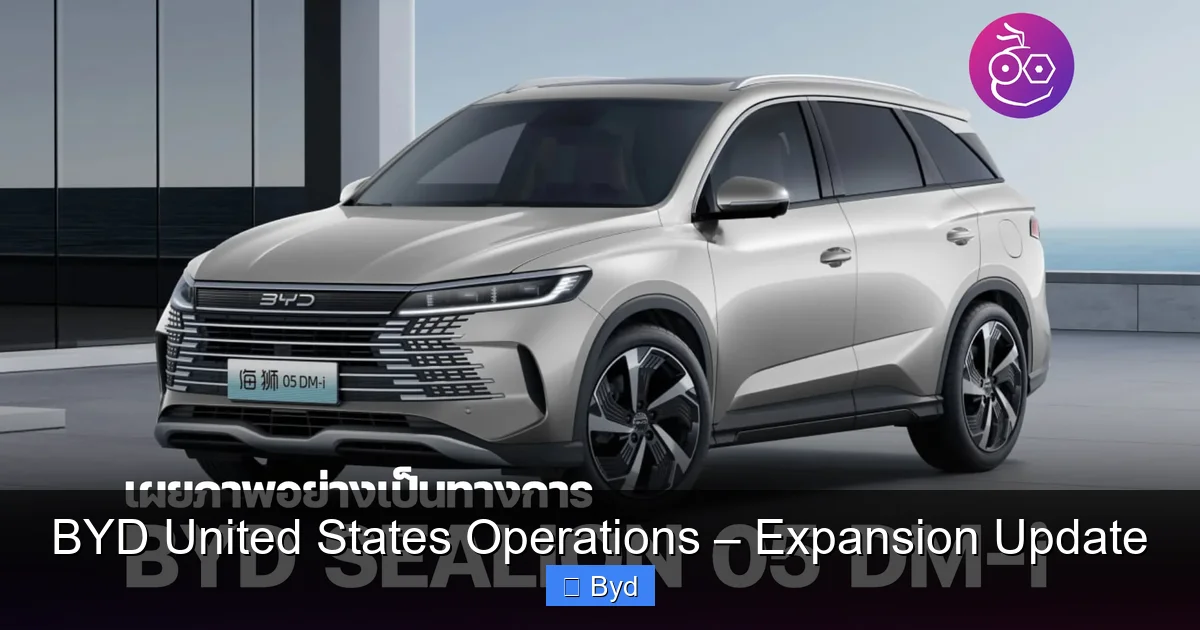
Models like the BYD Seal, Atto 3 (Yuan Plus), or Dolphin, which have been successful globally, could eventually find a receptive audience in the US, particularly if offered at competitive price points and backed by a robust service promise. However, any such move would likely be part of a carefully orchestrated, multi-year plan by BYD in America.
Beyond Vehicles: BYD’s Broader Technological Impact in the US
To truly understand BYD United States, one must look beyond its vehicles and appreciate its comprehensive technological ecosystem. BYD positions itself as a total solution provider for new energy, encompassing not only transportation but also energy generation, storage, and management. This holistic approach makes its impact on the US far more pervasive than just the number of buses or forklifts it sells.
Energy Storage Solutions: Powering the Grid and Beyond
As the demand for renewable energy sources like solar and wind grows, so does the critical need for efficient and reliable energy storage. This is where BYD’s prowess as the world’s largest manufacturer of rechargeable batteries truly shines. BYD’s US operations for energy storage are rapidly expanding, providing solutions across various scales:
- Utility-Scale Storage: Large battery energy storage systems (BESS) are crucial for grid stability, integrating intermittent renewable energy, and providing backup power. BYD’s projects in this sector help utilities manage demand peaks and enhance grid resilience.
- Commercial & Industrial Storage: Businesses use BYD’s ESS to reduce peak demand charges, ensure power continuity, and integrate with their own solar installations, leading to significant cost savings and increased energy independence.
- Residential Storage: While less prominent than its utility and commercial offerings in the US, BYD’s battery technology is a foundational component for many home energy storage systems offered by other brands, implicitly extending its reach into American homes.
The safety, longevity, and performance of BYD’s Blade Battery technology are key differentiators in this rapidly growing market. By providing essential infrastructure for the clean energy transition, BYD in America is playing a critical, albeit often unseen, role in the nation’s energy future.
Data Table: Snapshot of BYD US Milestones (Illustrative)
Below is an illustrative table highlighting some key aspects of BYD United States operations. Please note that specific numbers can fluctuate and are subject to change based on company reporting and market dynamics.
| Category | Metric/Example | Details/Significance |
|---|---|---|
| US Manufacturing | Lancaster, CA Plant Est. | 2013, primary hub for electric buses and trucks for North America. |
| Electric Buses Delivered | 50+ Transit Agencies | Servicing major cities and campuses nationwide. |
| US Job Creation | Hundreds of Jobs | Primarily in manufacturing, engineering, and sales at Lancaster and other offices. |
| Energy Storage Capacity | Multi-MWh Projects | Deployment of utility-scale, commercial, and industrial battery solutions. |
| Product Diversity | Buses, Trucks, Forklifts, ESS | Broad portfolio targeting diverse segments of the clean energy economy. |
| Passenger Vehicle Sales | Limited/None (Direct) | No widespread direct sales of BYD-branded passenger cars to date. |
Other Innovations: Material Handling and Smart Solutions
BYD’s reach extends further into material handling with its highly efficient electric forklifts, which are gaining traction in various industries due to their lower operating costs and environmental benefits. Additionally, BYD is a significant player in areas like monorail systems (SkyRail/SkyShuttle), though these have not seen widespread deployment in the US yet. However, the underlying technological expertise in propulsion, battery management, and smart city solutions remains relevant, indicating potential for future integration or partnerships as urban infrastructure evolves.
This diversified approach highlights that BYD is not just an EV company; it’s a technology conglomerate focused on building a comprehensive “ecosystem” for new energy. This strategy provides resilience and multiple avenues for growth for BYD United States, even if certain market segments remain challenging.
The Future of BYD in the United States: What’s Next?
Predicting the future of any major player in the rapidly evolving clean energy sector is challenging, but for BYD United States, several trajectories seem plausible, underpinned by its established strengths and the dynamic market conditions.
Continued Growth in Commercial and Energy Sectors
The most immediate and certain path for BYD in America is the continued expansion of its commercial vehicle and energy storage divisions. The transition to electric fleets for transit agencies, school districts, and logistics companies is accelerating, driven by environmental mandates, economic incentives, and the proven performance of vehicles like BYD’s. The demand for robust, reliable, and cost-effective battery energy storage solutions will only intensify as renewable energy penetration increases and grid modernization becomes paramount.
Expect to see more BYD electric buses and trucks on American roads, more utility-scale battery projects leveraging BYD technology, and a growing presence of its electric forklifts in industrial settings. This steady, foundational growth will continue to solidify BYD United States as a critical player in America’s clean energy infrastructure.
The Passenger Vehicle Conundrum: A Long-Term Play
The question of BYD passenger cars in the US remains a fascinating and complex one. While a full-scale launch akin to its European offensive is unlikely in the short term due to tariffs and geopolitical factors, BYD is undoubtedly assessing various long-term strategies. It’s improbable that a global EV leader would permanently ignore the world’s second-largest automotive market. Future scenarios could include:
- Gradual Entry via Premium Niche: Potentially introducing a higher-end brand (like its Denza sub-brand) or a specific, technologically advanced model to test the waters and build brand cachet.
- “Made in USA” Passenger Cars: If political and economic conditions favor it, an expansion of its US manufacturing footprint to include passenger vehicles, though this would be a multi-billion dollar, multi-year undertaking.
- OEM Partnerships: Supplying batteries or powertrain components to American automakers, subtly integrating its technology into the US passenger vehicle market.
For consumers and industry watchers, the key takeaway is patience. BYD’s US strategy for passenger vehicles is likely to be a marathon, not a sprint, characterized by strategic patience and a willingness to adapt to evolving market conditions.
Actionable Insights for Stakeholders:
- For Policy Makers: Understanding BYD’s multifaceted operations, particularly in energy storage and commercial EVs, is crucial for developing comprehensive clean energy and transportation policies.
- For Investors: Focus on BYD’s proven track record in commercial electrification and battery technology in the US, which represents a stable growth vector irrespective of immediate passenger car plans.
- For Competitors: BYD’s technological advancements and vertical integration serve as a benchmark, urging continuous innovation in battery tech and supply chain management.
In conclusion, BYD United States is not a monolithic entity but a dynamic force steadily expanding its influence across critical sectors of the American economy. Its journey reflects a strategic blend of technological innovation, localized manufacturing, and patient market entry. While the road ahead will undoubtedly present new challenges, BYD’s commitment to building a cleaner, more sustainable future, one electric bus, battery storage unit, and forklift at a time, ensures its enduring and growing impact on American soil.
🎥 Related Video: BYD just told more electric vehicles in Europe than Tesla
📺 Bloomberg Opinion
BYD Co. sold more #electricvehicles in #Europe than #Tesla Inc. for the first time, overtaking the American brand that long led the …
Frequently Asked Questions
What are BYD’s current operations in the United States?
BYD primarily operates in the commercial electric vehicle sector in the U.S., manufacturing electric buses, trucks, and forklifts. They also provide battery energy storage systems and other new energy solutions, with a significant manufacturing presence in Lancaster, California.
Does BYD United States plan to introduce passenger electric vehicles to the consumer market?
While BYD has a dominant global presence in passenger EVs, their U.S. focus has historically been on commercial vehicles. Recent announcements suggest a growing interest and potential future plans to explore the passenger vehicle market, though specific timelines for widespread consumer sales are still emerging.
Where does BYD manufacture its products for the U.S. market?
BYD has a significant manufacturing facility located in Lancaster, California, where it produces electric buses for various transit agencies across the country. This local production underscores BYD’s commitment to creating jobs and contributing to the U.S. economy.
What is the “BYD United States Operations – Expansion Update” specifically about?
This update likely pertains to BYD’s strategic growth initiatives within the U.S., potentially including plans for increased manufacturing capacity, expansion into new vehicle segments like passenger cars, or forging new partnerships. It highlights the company’s evolving presence and future ambitions in the American market.
How does BYD contribute to job creation and local economies in the U.S.?
Through its U.S. manufacturing facilities, particularly the electric bus plant in Lancaster, California, BYD directly creates American jobs in manufacturing, engineering, and support services. The company’s operations also support a broader supply chain, indirectly boosting local economies.
What makes BYD’s electric vehicle technology stand out in the U.S. market?
BYD is known for its vertically integrated approach, manufacturing its own batteries, motors, and vehicle control systems. This allows for tight quality control and innovation, offering reliable and high-performance electric vehicles designed to meet the rigorous demands and standards of the U.S. market.