Chevy Electric Car Fire Safety Tips and Prevention Guide
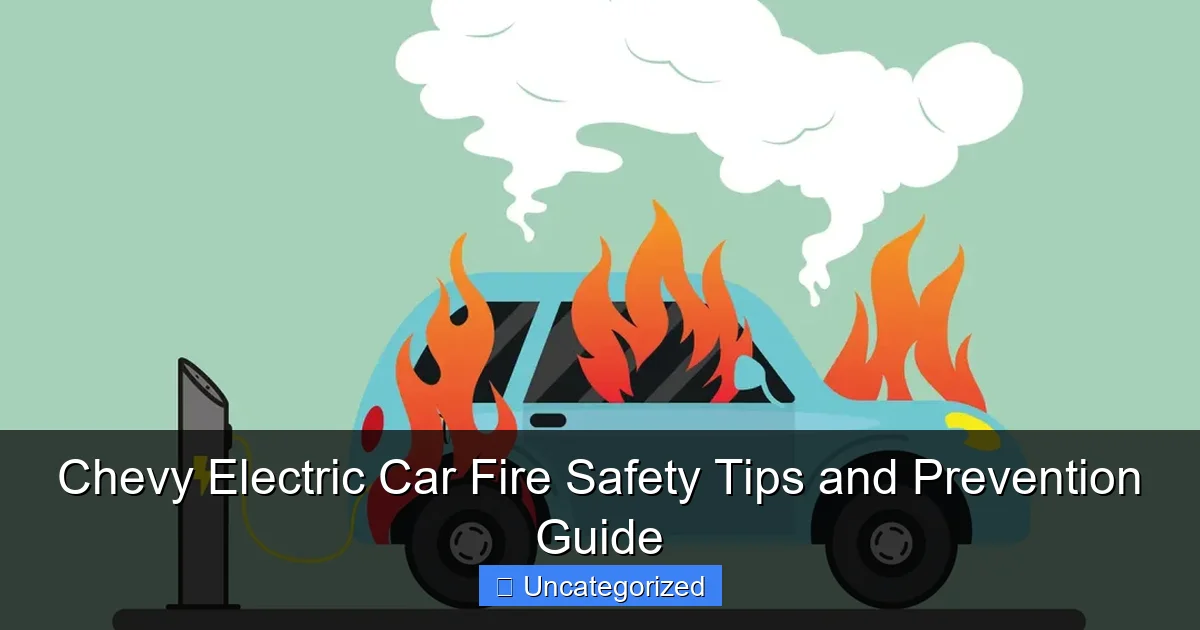
Featured image for chevy electric car fire
Image source: electriccarspedia.com
Electric car fires in Chevy models are rare but require proactive safety measures to minimize risks. Always follow manufacturer charging guidelines, avoid overcharging, and park in well-ventilated areas to reduce the chance of thermal runaway and battery-related incidents. Regular maintenance and using certified charging equipment are essential for safe, long-term performance.
Key Takeaways
- Regularly inspect charging equipment to prevent electrical faults and overheating risks.
- Use manufacturer-approved chargers for safe, reliable charging every time.
- Park away from flammable materials to reduce fire spread potential.
- Monitor battery health with routine diagnostics and software updates.
- Install a home fire extinguisher rated for electric vehicle battery fires.
- Evacuate and call 911 immediately if you notice smoke or battery issues.
📑 Table of Contents
- Understanding the Risks: Chevy Electric Car Fire Incidents and Safety Concerns
- How and Why Chevy Electric Car Fires Occur
- Chevrolet’s Response: Recalls, Repairs, and Safety Updates
- Preventive Measures for Chevy EV Owners
- What to Do If a Chevy Electric Car Fire Occurs
- Future Outlook: Safer Chevy EVs and Industry Trends
- Conclusion: Driving Confidently with Chevy EVs
Understanding the Risks: Chevy Electric Car Fire Incidents and Safety Concerns
Electric vehicles (EVs) have revolutionized the automotive industry, offering eco-friendly, efficient, and technologically advanced alternatives to traditional internal combustion engines. Chevrolet, a long-standing leader in American automotive innovation, has embraced this shift with models like the Chevy Bolt EV and Bolt EUV, which have gained popularity for their affordability, range, and reliability. However, as with any emerging technology, electric vehicles—including Chevy’s offerings—are not without risks. One of the most pressing concerns for consumers, manufacturers, and regulators alike is the Chevy electric car fire issue, which has sparked widespread discussion, recalls, and safety investigations.
While the overall rate of EV fires remains lower than that of gasoline-powered vehicles, the nature of battery-related fires presents unique challenges. Unlike traditional car fires, which often stem from fuel leaks or electrical shorts in the engine bay, electric car fires can originate in the high-voltage lithium-ion battery pack, leading to intense, long-burning, and difficult-to-extinguish blazes. In recent years, several Chevy electric car fire incidents have been reported, prompting General Motors (GM) to issue multiple recalls, including a major one in 2021 affecting over 140,000 Bolt vehicles due to potential battery defects. These events have raised important questions about EV safety, battery chemistry, charging practices, and emergency response. This guide aims to provide a comprehensive overview of Chevy electric car fire risks, safety measures, and prevention strategies to help current and prospective owners drive with confidence and peace of mind.
How and Why Chevy Electric Car Fires Occur
Root Causes of EV Battery Fires
The primary source of Chevy electric car fire incidents lies in the lithium-ion battery pack—a complex system composed of hundreds of individual cells. When these cells malfunction, they can undergo a process called thermal runaway, a self-sustaining chain reaction where heat from one failing cell triggers adjacent cells to overheat and ignite. This phenomenon is particularly dangerous because it can occur spontaneously, even when the vehicle is parked, charging, or not in use.

Visual guide about chevy electric car fire
Image source: casinoshunter.com
For the Chevy Bolt, investigations by the National Highway Traffic Safety Administration (NHTSA) and internal GM studies identified two main manufacturing defects as the culprits: folded anode tabs and broken cathode tabs within the battery cells produced by LG Energy Solution. These microscopic flaws can lead to internal short circuits, especially under stress conditions like fast charging, deep discharges, or physical damage. In one documented case, a 2020 Bolt EV caught fire in a residential garage while parked overnight—no external ignition source was involved, highlighting the unpredictable nature of battery fires.
Contributing Factors Beyond Manufacturing Defects
While manufacturing flaws were central to the Bolt recalls, other factors can also increase the risk of a Chevy electric car fire:
- Physical damage to the battery: Accidents, potholes, or improper towing can compromise the battery enclosure, leading to short circuits.
- Overcharging or improper charging habits: Using damaged cables, non-certified chargers, or leaving the vehicle at 100% charge for extended periods can stress the battery.
- Extreme temperatures: Prolonged exposure to high heat (e.g., desert climates) or freezing conditions can degrade battery chemistry and increase instability.
- Software or BMS (Battery Management System) failures: The BMS monitors cell voltage, temperature, and state of charge. If it malfunctions, it may fail to detect or respond to dangerous conditions.
For example, a 2022 incident in Florida involved a Bolt EV that caught fire after being charged using a third-party Level 2 charger that lacked proper thermal monitoring. The vehicle’s BMS failed to shut down charging despite rising cell temperatures, leading to thermal runaway. This underscores the importance of using manufacturer-recommended charging equipment and maintaining up-to-date software.
Chevrolet’s Response: Recalls, Repairs, and Safety Updates
Major Recalls and Their Scope
In response to the Chevy electric car fire crisis, General Motors launched one of the most extensive EV recalls in automotive history. In August 2021, GM announced a recall of all 2017–2022 Bolt EV and EUV models, totaling over 140,000 vehicles. The recall was later expanded to include 2019–2022 models due to continued fire reports. The root cause was traced to defective battery modules manufactured at LG’s Ochang, South Korea plant.
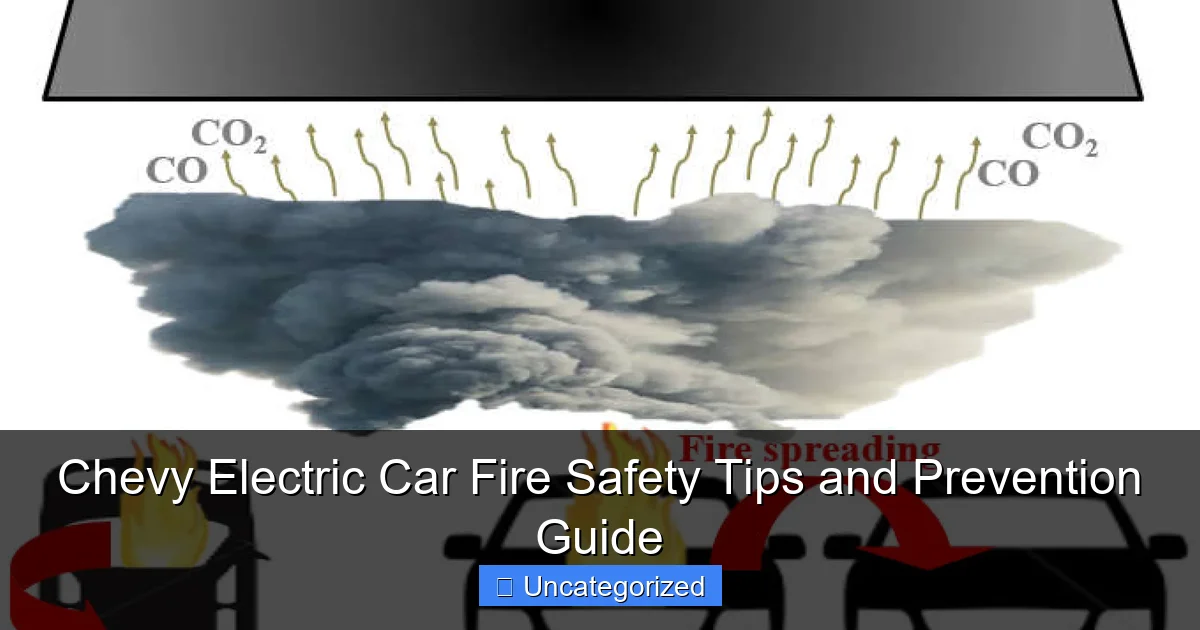
Visual guide about chevy electric car fire
Image source: pub.mdpi-res.com
The recall involved two key phases:
- Phase 1 (Software Update): GM deployed a software update that limited charging to 80% capacity and introduced enhanced diagnostics to detect abnormal cell behavior. This reduced the risk of thermal runaway while engineers developed a permanent fix.
- Phase 2 (Battery Module Replacement): Affected owners were offered free replacement of defective battery modules. In some cases, entire battery packs were replaced at no cost. GM also provided loaner vehicles, charging allowances, and extended warranties to maintain customer trust.
Ongoing Safety Enhancements and New Models
Beyond recalls, Chevrolet has implemented several safety improvements in its newer EVs, including the 2023 Bolt EV/EUV (which resumed production after a 10-month pause) and upcoming Ultium-based models like the Blazer EV and Equinox EV. Key enhancements include:
- Improved battery cell design: New cells feature reinforced separators and redesigned electrode tabs to prevent internal shorting.
- Advanced BMS with AI-driven diagnostics: The updated system can predict potential failures by analyzing charging patterns and cell degradation over time.
- Thermal management upgrades: Enhanced liquid cooling systems maintain optimal battery temperature, reducing stress during fast charging.
- Remote monitoring and alerts: Owners receive real-time notifications if the system detects abnormal battery behavior, such as rapid temperature spikes.
For instance, the 2023 Bolt EV now includes a feature called “Battery Health Mode”, which automatically adjusts charging behavior based on environmental conditions and driving history. This proactive approach reflects GM’s commitment to preventing future Chevy electric car fire incidents.
Preventive Measures for Chevy EV Owners
Safe Charging Practices
Charging is one of the most critical areas where owners can reduce fire risk. Follow these best practices to minimize the chance of a Chevy electric car fire:
- Use only GM-approved charging equipment: Avoid third-party chargers unless they are UL-listed and compatible with your vehicle’s specifications.
- Limit charging to 80% for daily use: Keeping the battery between 20% and 80% extends its life and reduces thermal stress. Use the “Daily Charge Limit” setting in the MyChevrolet app.
- Avoid fast charging in extreme temperatures: High heat or cold can degrade battery performance. If necessary, precondition the battery by driving for 10–15 minutes before fast charging.
- Never charge unattended for long periods: While modern EVs have safety cutoffs, it’s wise to monitor charging, especially overnight.
- Inspect charging cables and ports regularly: Look for fraying, melting, or discoloration—signs of overheating or electrical faults.
Example: A Bolt owner in Arizona reported that their vehicle’s charging port began smoking after using a non-certified Level 2 charger. They immediately unplugged the car and contacted GM. Inspection revealed that the charger’s voltage regulator had failed, sending excessive current to the port. The vehicle was undamaged thanks to the BMS shutdown, but the incident could have escalated without prompt action.
Parking and Storage Recommendations
Where and how you park your Chevy EV matters. Consider these tips:
- Avoid parking near flammable materials: Keep at least 15 feet from wood, gasoline, or dry vegetation.
- Park outdoors when possible: If you must park in a garage, ensure it’s well-ventilated and equipped with a Class D fire extinguisher (designed for metal and electrical fires).
- Do not park over debris or sharp objects: Road debris can puncture the battery pack, leading to short circuits.
- Use a battery disconnect switch (if available): Some aftermarket systems allow you to isolate the high-voltage battery when the car is stored for long periods.
Regular Maintenance and Software Updates
Stay proactive with maintenance:
- Update your vehicle’s software regularly: GM frequently releases updates that improve battery safety and diagnostics. Use the MyChevrolet app or visit a dealership.
- Schedule annual battery health checks: Dealerships can perform deep diagnostics to identify early signs of cell degradation.
- Inspect underbody for damage: After off-roading or hitting a pothole, have the battery enclosure checked for cracks or dents.
What to Do If a Chevy Electric Car Fire Occurs
Immediate Response Steps
Despite all precautions, emergencies can happen. If you suspect or witness a Chevy electric car fire, act quickly and safely:
- Evacuate immediately: Move at least 150 feet away from the vehicle. Do not attempt to open the hood or trunk.
- Call 911: Inform dispatchers that it’s an electric vehicle fire—this ensures firefighters arrive with the proper equipment.
- Do not use water or standard fire extinguishers: Lithium-ion fires require specialized suppression. Use a Class D extinguisher only if trained and safe to do so.
- Disconnect the 12V battery (if accessible and safe): This cuts power to non-essential systems but does not affect the high-voltage battery.
- Warn others and cordon off the area: EV fires can reignite hours or even days later due to residual thermal activity.
Firefighting Protocols for First Responders
Fire departments must treat EV fires differently than gasoline fires. Key protocols include:
- Use large volumes of water (1,000+ gallons): Water is effective at cooling the battery and suppressing thermal runaway. Foam is less effective.
- Submerge the battery if possible: In extreme cases, firefighters may place the entire vehicle in a container of water to fully submerge the battery pack.
- Monitor for reignition: EV fires can reignite up to 24 hours after initial suppression. Use thermal imaging cameras to detect hotspots.
- Isolate the vehicle after extinguishing: Store it outdoors, away from structures, for at least 48 hours.
Example: In 2021, firefighters in New Jersey responded to a Bolt EV fire in a parking garage. They used over 2,000 gallons of water and kept the vehicle isolated for 72 hours due to repeated thermal events. This case highlighted the importance of extended monitoring.
Future Outlook: Safer Chevy EVs and Industry Trends
Advancements in Battery Technology
Chevrolet and GM are investing heavily in next-generation battery tech to eliminate fire risks. The Ultium platform, used in the Blazer EV and Silverado EV, features:
- NCMA (Nickel-Cobalt-Manganese-Aluminum) cathodes: More stable than traditional NMC, reducing thermal runaway potential.
- Prismatic cell design: More robust packaging than pouch cells, reducing puncture risk.
- Solid-state battery research: GM is partnering with companies like SolidEnergy Systems to develop solid-state batteries, which eliminate flammable liquid electrolytes.
By 2025, GM plans to phase out cobalt in most of its batteries, further improving safety and sustainability. These innovations aim to make future Chevy electric car fire incidents exceedingly rare.
Regulatory and Industry Standards
Government agencies and industry groups are tightening EV safety standards:
- UN GTR 20 (Global Technical Regulation): Sets international benchmarks for EV battery safety, including fire resistance and crash testing.
- SAE J2929: Standard for lithium-ion battery system safety, now adopted by most automakers.
- Enhanced emergency response training: Fire departments nationwide are receiving EV-specific training through programs like the National Fire Protection Association (NFPA).
Data Table: Chevy Bolt EV Fire Recall Timeline and Statistics
| Year | Event | Number of Vehicles Affected | Key Actions Taken |
|---|---|---|---|
| 2020 | First fire reports surface | ~10,000 | GM launches internal investigation |
| 2021 (Aug) | Initial recall announced | 140,000+ | Software update to limit 80% charging |
| 2021 (Oct) | Recall expanded to 2019–2022 models | Additional 73,000 | Free battery module replacement program |
| 2022 | Production paused for 10 months | All Bolt EV/EUV | New battery cell design implemented |
| 2023 | Bolt EV resumes production | New models | Enhanced BMS, thermal management, and safety features |
Conclusion: Driving Confidently with Chevy EVs
The Chevy electric car fire issue has been a challenging chapter in the evolution of electric mobility, but it has also driven significant improvements in safety, transparency, and technology. While no vehicle is 100% immune to fire risk, the steps taken by Chevrolet—from large-scale recalls to cutting-edge battery innovations—demonstrate a commitment to putting customer safety first. For current and future Chevy EV owners, the key to minimizing risk lies in awareness, proactive maintenance, and adherence to best practices.
By following the preventive measures outlined in this guide—safe charging, proper parking, regular updates, and emergency preparedness—you can significantly reduce the likelihood of a Chevy electric car fire. Moreover, the industry’s shift toward safer battery chemistries, stricter regulations, and advanced monitoring systems promises a future where EV fires are not just rare, but preventable. Electric vehicles are not just the future of transportation—they are becoming the safer future. With informed ownership and ongoing innovation, you can enjoy the benefits of a Chevy EV with confidence, knowing that safety is built into every volt, cell, and mile.
Frequently Asked Questions
What causes a Chevy electric car fire?
Chevy electric car fires are typically caused by battery malfunctions, electrical system failures, or damage after a collision. While rare, these incidents often stem from thermal runaway in lithium-ion batteries. Proper maintenance and avoiding aftermarket modifications can reduce risks.
How can I prevent a Chevy electric car fire?
To prevent a Chevy electric car fire, follow manufacturer charging guidelines, inspect wiring regularly, and avoid overcharging. Park in well-ventilated areas and use certified charging stations to minimize hazards. Always address recall notices promptly.
Are Chevy electric cars more prone to fires than gas vehicles?
No, data shows electric vehicles, including Chevy models, are not inherently more prone to fires than gasoline-powered cars. However, EV fires require specialized firefighting techniques due to high-voltage battery systems. Risks are comparable when considering total vehicle miles traveled.
What should I do if my Chevy electric car catches fire?
Evacuate the vehicle immediately and call 911. Warn others to stay at least 150 feet away, as battery fires can reignite. Never use water on an EV fire—firefighters must use specialized extinguishing methods for Chevy electric car fire incidents.
Does Chevy offer fire protection features in its electric cars?
Yes, Chevy electric vehicles include safety features like battery thermal management systems, automatic disconnects during collisions, and fire-resistant materials. These technologies help mitigate risks and slow the spread of a Chevy electric car fire.
Can extreme weather increase the risk of a Chevy EV fire?
Extreme heat or cold can stress batteries but doesn’t directly cause fires. However, rapid temperature changes may damage charging components. Always park in shaded or temperature-controlled areas when possible to maintain battery health.