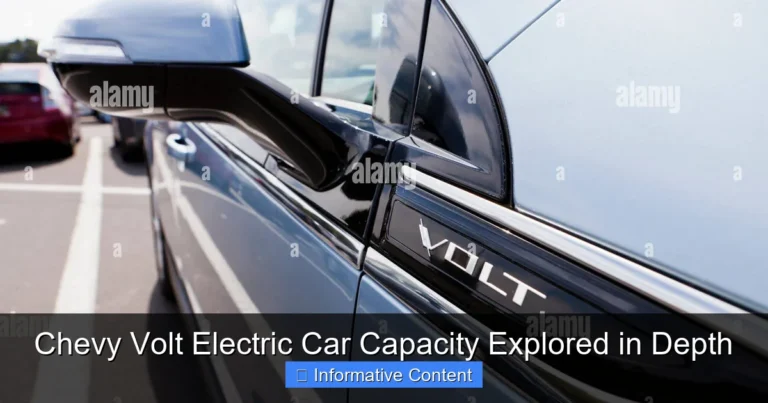
Chevy Electric Cars 2019 A Complete Guide to Performance and Value

Featured image for chevy electric cars 2019
Image source: adaptnetwork.com
The 2019 Chevy electric car lineup, led by the Bolt EV, delivers impressive range and value, offering up to 238 miles on a single charge at a competitive price point. With quick acceleration, a tech-rich interior, and strong safety ratings, Chevy’s 2019 electric models strike a smart balance between performance and affordability, making them a top choice for eco-conscious drivers seeking practicality without compromise.
Key Takeaways
- 2019 Chevy Bolt EV offers 238-mile range, ideal for daily commutes and road trips.
- Affordable pricing starts under $37,000, with federal tax credits enhancing value.
- Regenerative braking boosts efficiency and reduces wear on traditional brakes.
- Spacious interior seats five with 16.9 cu-ft cargo space for practicality.
- 10.2-inch touchscreen standard with Apple CarPlay and Android Auto integration.
- DC fast charging available, adding 90 miles of range in 30 minutes.
📑 Table of Contents
- Chevy Electric Cars 2019: A Complete Guide to Performance and Value
- 1. The Chevy Bolt EV: The Flagship of 2019
- 2. Charging Infrastructure and Real-World Usability
- 3. Technology and Safety Features
- 4. Ownership Costs and Incentives
- 5. Competitors and Alternatives in 2019
- 6. The Future of Chevy’s Electric Lineup
Chevy Electric Cars 2019: A Complete Guide to Performance and Value
As the automotive world pivots toward sustainability and innovation, Chevrolet has positioned itself as a key player in the electric vehicle (EV) market, especially with its 2019 lineup. While Tesla often dominates the conversation around electric cars, Chevy offers a compelling alternative with its blend of affordability, practicality, and American engineering. The 2019 Chevy electric cars, particularly the Chevy Bolt EV, stand out as a testament to General Motors’ commitment to electrification. With a range that rivals more expensive models, a spacious interior, and a price point that makes EV ownership accessible to a broader audience, Chevy’s offerings in 2019 are worth a closer look.
This guide dives deep into the world of Chevy electric cars 2019, exploring their performance, value, technology, and real-world usability. Whether you’re a first-time EV buyer or a seasoned enthusiast considering a switch from gas-powered vehicles, this comprehensive analysis will help you understand what Chevy brings to the table. From the Bolt EV’s impressive specs to the nuances of charging infrastructure and ownership costs, we’ll cover everything you need to know to make an informed decision. Buckle up—this is your roadmap to the future of driving, as defined by Chevrolet in 2019.
1. The Chevy Bolt EV: The Flagship of 2019
Performance and Range
The Chevy Bolt EV 2019 is the undisputed star of Chevy’s electric lineup, and for good reason. With an EPA-estimated 238 miles of range on a single charge, the Bolt EV outpaces many competitors in its price range, including the Nissan Leaf and the BMW i3. This range is powered by a 60 kWh lithium-ion battery pack and a 200-horsepower electric motor, which delivers 266 lb-ft of torque. The result? A 0-60 mph time of around 6.5 seconds, making it one of the zippiest compact EVs on the market.

Visual guide about chevy electric cars 2019
Image source: assets.pandaily.com
But the Bolt EV isn’t just about raw numbers. Its real-world performance shines in urban environments, where its instant torque provides smooth, responsive acceleration—perfect for stop-and-go traffic. The car’s single-speed transmission ensures seamless power delivery, while regenerative braking allows for one-pedal driving, a feature that many drivers love for its efficiency and convenience.
Interior and Practicality
Inside, the Bolt EV offers a surprisingly spacious cabin for its compact footprint. With 16.9 cubic feet of cargo space (expandable to 56.6 cubic feet with the rear seats folded), it’s a practical choice for daily errands or weekend getaways. The interior design is modern and minimalist, with a 10.2-inch touchscreen infotainment system as the centerpiece. The screen is intuitive and responsive, with Apple CarPlay, Android Auto, and a built-in Wi-Fi hotspot standard across all trims.
One standout feature is the rearview camera mirror, which provides a clear, unobstructed view of the road behind you—a godsend in crowded city streets. The Bolt EV also offers ample legroom for rear passengers, a rarity in many EVs of its size. Whether you’re a solo commuter or a small family, the Bolt EV’s interior is designed to accommodate your needs without feeling cramped.
Trim Levels and Pricing
The 2019 Bolt EV comes in two trims: the base LT and the top-tier Premier. The LT starts at around $37,495 (before federal and state incentives), while the Premier trim bumps the price to $41,895. The Premier adds luxury touches like leather upholstery, heated front and rear seats, and a premium audio system, but the core performance and range remain unchanged.
For budget-conscious buyers, the LT trim offers exceptional value. It includes all the essential features, from advanced safety tech to a robust infotainment system. However, if you’re willing to stretch your budget, the Premier trim’s additional comforts make long drives even more enjoyable. Pro tip: Always check for local and federal EV incentives, which can reduce the effective price by thousands of dollars.
2. Charging Infrastructure and Real-World Usability
Charging Options: Home vs. Public
One of the biggest hurdles for EV adoption is charging, but the Chevy Bolt EV 2019 makes it as painless as possible. The car supports both Level 1 (120V) and Level 2 (240V) charging, with the latter being the preferred choice for most owners. A Level 2 charger can replenish the Bolt’s battery in about 9.5 hours, making overnight charging a breeze.

Visual guide about chevy electric cars 2019
Image source: turbo.fr
For public charging, the Bolt EV is compatible with the SAE Combo DC fast charging standard, which allows it to charge up to 90 miles in 30 minutes at a DC fast charger. This is a game-changer for road trips, as it significantly reduces downtime. Chevy also provides a free 240V charging station (or a $750 credit toward installation) with every Bolt EV purchase, easing the transition to home charging.
Chevy’s Charging Network and Partnerships
Chevy has partnered with ChargePoint and EVgo to provide Bolt EV owners with access to thousands of public charging stations across the U.S. The myChevrolet app makes it easy to locate and pay for charging, with real-time availability and pricing information. Additionally, Chevy offers a complimentary 2-year charging plan at EVgo stations, which includes unlimited 30-minute fast charging sessions—a huge perk for frequent travelers.
For long-distance trips, the Bolt EV’s range and fast-charging capability make it a viable option, though planning ahead is key. Apps like PlugShare and ChargeHub can help you map out charging stops along your route, ensuring you never run low on juice.
Real-World Charging Tips
- Charge to 80% daily: For optimal battery health, avoid charging to 100% unless you’re planning a long trip. Most daily commutes require only 50-80% of the battery.
- Use off-peak hours: Many utilities offer lower rates for charging between midnight and 6 a.m., saving you money.
- Precondition your battery: Before a long drive, use the app to heat or cool the cabin while the car is still plugged in, preserving battery range.
3. Technology and Safety Features
Infotainment and Connectivity
The Chevy Bolt EV 2019 is packed with tech features designed to enhance the driving experience. The centerpiece is the Chevrolet Infotainment 3 Plus system, which includes:
- A 10.2-inch touchscreen with pinch-to-zoom capability
- Apple CarPlay and Android Auto integration
- OnStar with 4G LTE Wi-Fi hotspot (up to 7 devices)
- Voice-activated navigation and climate control
The system is user-friendly and responsive, though some drivers may find the menu layout slightly cluttered. The built-in Wi-Fi hotspot is a standout feature, especially for families with kids who need to stay connected on the go.
Driver Assistance and Safety
Safety is a priority in the Bolt EV, which comes standard with a suite of advanced driver assistance systems (ADAS), including:
- Forward Collision Alert and Automatic Emergency Braking: Alerts you to potential frontal collisions and can apply the brakes if necessary.
- Lane Keep Assist with Lane Departure Warning: Helps keep the car centered in its lane.
- Rear Cross Traffic Alert: Warns of approaching vehicles when backing out of parking spaces.
- Teen Driver Mode: A handy feature for parents, allowing them to set speed limits and receive report cards on their teen’s driving habits.
<
The Premier trim adds adaptive cruise control, blind-spot monitoring, and rear parking sensors, making it one of the safest EVs in its class. The Bolt EV also earned a 5-star overall safety rating from the NHTSA, further solidifying its credentials.
Over-the-Air Updates
Unlike many EVs, the Bolt EV doesn’t yet support over-the-air (OTA) software updates, meaning you’ll need to visit a dealership for system upgrades. While this is a minor inconvenience, Chevy’s infotainment system is robust enough to remain relevant for years to come. The company has hinted at future OTA capabilities, so this could change in later models.
4. Ownership Costs and Incentives
Upfront and Long-Term Costs
The Chevy Bolt EV 2019 is one of the most affordable EVs on the market, but ownership costs extend beyond the sticker price. Here’s a breakdown of what to expect:
- Upfront cost: $37,495 (LT trim) to $41,895 (Premier trim), before incentives.
- Federal tax credit: Up to $7,500 (though Chevy’s eligibility was phased out in 2019, so check your state’s incentives).
- State/local incentives: Vary widely—California offers up to $2,000, while Colorado provides a $5,000 tax credit.
- Charging station installation: $500-$1,000 for a Level 2 charger, but Chevy’s credit can offset this.
Over the long term, the Bolt EV’s lower maintenance costs (no oil changes, fewer moving parts) and cheaper “fuel” (electricity vs. gas)** make it a cost-effective choice. A 2019 study by Consumer Reports found that EV owners save an average of $6,000-$10,000 over the life of the vehicle compared to gas-powered cars.
Resale Value and Depreciation
EVs historically suffer from faster depreciation than gas cars, but the Bolt EV holds its value better than most. According to Kelley Blue Book, a 2019 Bolt EV retains about 50% of its value after 3 years, thanks to its strong range and practicality. To maximize resale value, keep the car in good condition, maintain service records, and avoid excessive wear on the battery.
Insurance and Financing
EV insurance rates are typically 10-20% higher than comparable gas cars due to the cost of repairs and battery replacement. However, many insurers offer EV-specific discounts, so shop around. For financing, Chevy often provides competitive lease rates and low APR loans, especially for qualified buyers. Pro tip: Consider leasing if you’re unsure about long-term EV ownership, as it lets you upgrade to newer tech every few years.
5. Competitors and Alternatives in 2019
Comparing the Bolt EV to Key Rivals
The 2019 EV market was heating up, with several competitors vying for the Bolt EV’s crown. Here’s how it stacks up:
| Model | Range (EPA) | Starting Price | Key Advantages | Key Drawbacks |
|---|---|---|---|---|
| Chevy Bolt EV | 238 miles | $37,495 | Long range, practical interior, affordable | No OTA updates, dated infotainment |
| Nissan Leaf Plus | 226 miles | $38,510 | ProPilot Assist, cheaper base model | Less cargo space, slower acceleration |
| Hyundai Kona Electric | 258 miles | $37,190 | Longer range, 10-year battery warranty | Smaller back seat, limited availability |
| BMW i3 | 153 miles (180 with REx) | $44,450 | Luxury interior, carbon-fiber body | Short range, expensive |
The Bolt EV’s range and price combo make it a standout, though the Kona Electric offers slightly more range for a similar price. The Leaf Plus is a solid alternative if you prioritize driver assistance tech, while the i3 appeals to luxury buyers willing to sacrifice range.
Why Choose the Bolt EV?
- Best-in-class range for the price: Few EVs offer 238 miles under $40,000.
- Spacious and practical: More cargo and passenger room than most rivals.
- Strong charging network: Chevy’s partnerships with EVgo and ChargePoint are a major plus.
6. The Future of Chevy’s Electric Lineup
Beyond the Bolt EV
While the Bolt EV dominated Chevy’s 2019 electric lineup, GM had bigger plans on the horizon. The company announced the Chevy Bolt EUV (Electric Utility Vehicle) in 2021, a slightly larger and more premium version of the Bolt EV with added features like Super Cruise (hands-free driving). This signaled Chevy’s intent to expand its EV offerings beyond the compact hatchback segment.
Even more exciting was the reveal of the Chevy Silverado EV, an all-electric pickup truck with a projected range of 400+ miles. While not available in 2019, the Silverado EV showcased Chevy’s commitment to electrifying its most iconic models, appealing to truck buyers who wanted to go green without sacrificing capability.
Lessons from 2019 and What’s Next
The 2019 Bolt EV laid the groundwork for Chevy’s future EVs by proving that long-range, affordable electric cars could succeed in the U.S. market. Its success influenced GM’s Ultium battery platform, which powers newer models like the Chevy Blazer EV and Equinox EV. These vehicles promise even greater range, faster charging, and more advanced tech—building on the Bolt EV’s legacy.
For buyers, the Bolt EV’s 2019 iteration remains a smart choice, especially as used models become more affordable. Its blend of range, value, and practicality ensures it will hold up well against newer competitors.
The Chevy electric cars 2019 lineup, led by the Bolt EV, represents a pivotal moment in the transition to electric mobility. With its 238-mile range, spacious interior, and competitive pricing, the Bolt EV delivers exceptional value for everyday drivers. Whether you’re navigating city streets or embarking on a road trip, its performance, charging flexibility, and advanced tech make it a standout choice. While newer EVs may boast longer ranges or flashier features, the Bolt EV’s balance of affordability and functionality ensures its relevance for years to come. For anyone considering an EV in 2019—or today—the Chevy Bolt EV is a testament to the fact that going electric doesn’t mean sacrificing practicality or performance. The future of driving is here, and Chevy is leading the charge.
Frequently Asked Questions
What are the best Chevy electric cars 2019 models available?
The 2019 Chevy electric lineup is headlined by the Bolt EV, offering 238 miles of range and a starting price under $37,000. It remains the only all-electric model from Chevrolet for 2019, emphasizing practicality and affordability.
How does the 2019 Chevy Bolt EV perform compared to other EVs?
The 2019 Chevy Bolt EV delivers strong performance with a 200-hp motor, achieving 0-60 mph in 6.5 seconds—competitive for its class. Its 60 kWh battery and 238-mile range rival pricier EVs like the Nissan Leaf Plus.
What is the driving range of Chevy electric cars 2019?
The 2019 Chevy Bolt EV provides an EPA-estimated 238 miles on a full charge, making it ideal for daily commutes and longer trips. Real-world range may vary based on driving habits and climate conditions.
Are there any incentives for buying a 2019 Chevy electric car?
Yes, the 2019 Chevy Bolt EV qualifies for a federal tax credit of up to $7,500, with additional state and local incentives possible. Check eligibility, as credits phase out after a manufacturer hits 200,000 EV sales.
How long does it take to charge a 2019 Chevy Bolt EV?
Using a Level 2 charger (240V), the 2019 Bolt EV charges fully in about 9.5 hours. A DC fast charger can replenish up to 90 miles of range in 30 minutes, ideal for quick top-offs.
Is the 2019 Chevy Bolt EV a good value for the price?
The 2019 Bolt EV offers excellent value with its long range, tech-rich interior, and low operating costs. Starting under $37,000 before incentives, it’s a budget-friendly option among 200+ mile EVs.