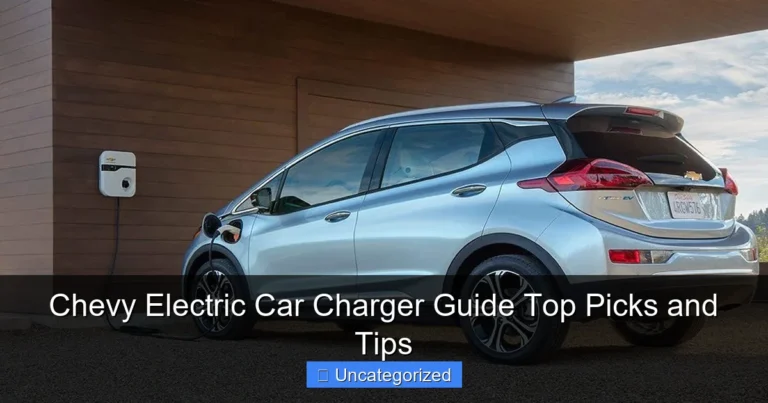
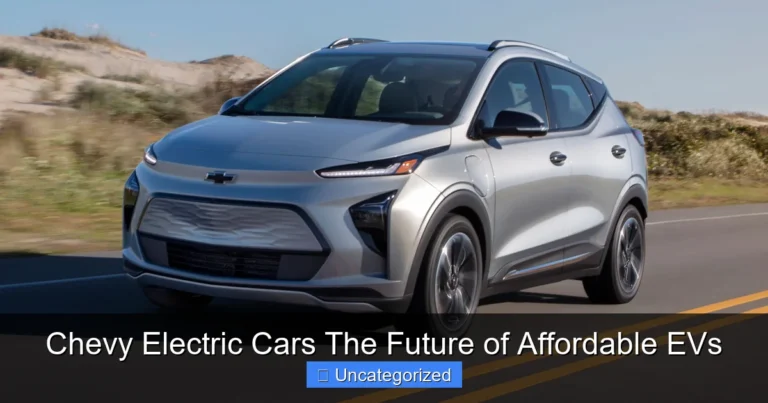
Chevy Plans for Electric Cars and Trucks Revealed
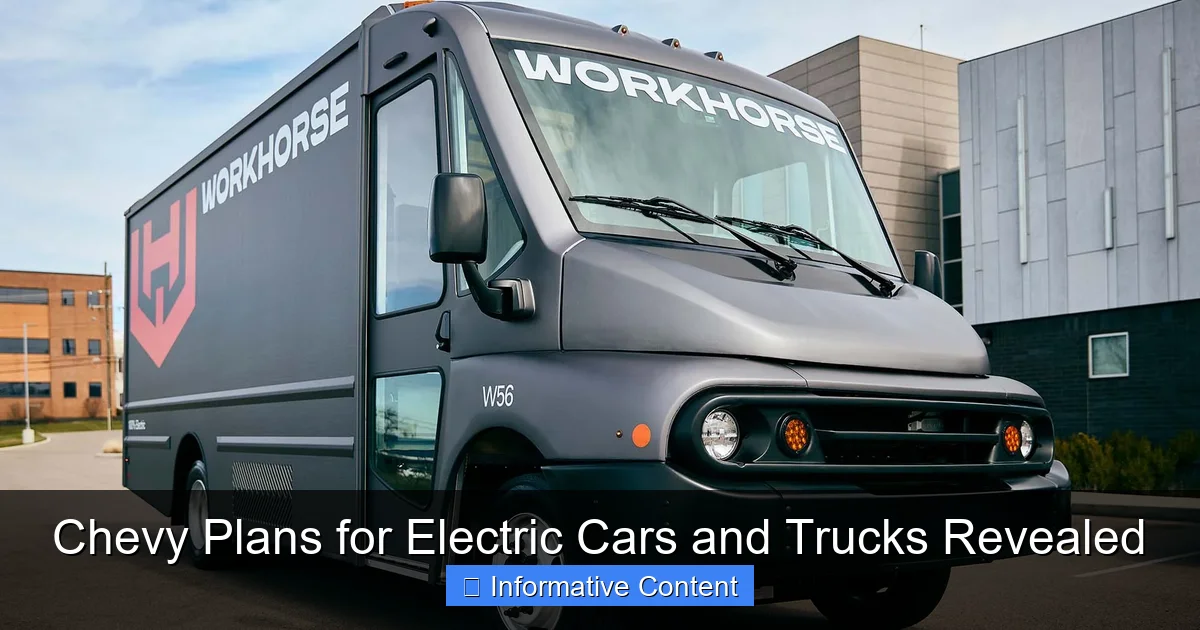
Featured image for chevy plans for electric cars and trucks
Image source: workhorse.com
Chevrolet has unveiled an aggressive electrification strategy, committing to an all-electric future by 2035 with a full lineup of electric cars and trucks. New models like the Silverado EV and Blazer EV lead the charge, combining cutting-edge battery tech, extended range, and bold design to compete in the rapidly evolving EV market.
Key Takeaways
- Chevy targets 100% electric lineup by 2035, phasing out gas-powered models.
- New EV trucks and SUVs arriving by 2025, including Silverado EV and Equinox EV.
- Affordable EVs under $30K planned to boost mass-market adoption.
- Investing $35B in EV tech through 2025, focusing on battery innovation.
- Ultium battery platform will power all future Chevy EVs for scalability.
- Fast-charging network expansion to support growing EV ownership nationwide.
📑 Table of Contents
- Chevy’s Electric Revolution: A Glimpse Into the Future
- Chevy’s Electric Lineup: What’s Coming Soon
- Chevy’s Ultium Platform: The Tech Behind the Power
- Charging and Infrastructure: How Chevy Is Making It Easy
- Performance and Innovation: Beyond the Basics
- The Road Ahead: Chevy’s Long-Term Electric Vision
- Data Snapshot: Chevy’s EV Plans at a Glance
- Final Thoughts: Is Chevy the EV Brand for You?
Chevy’s Electric Revolution: A Glimpse Into the Future
Remember the days when electric vehicles (EVs) were seen as futuristic curiosities? Fast forward to today, and they’re becoming the norm. Chevrolet, a brand that’s been part of American automotive culture for over a century, is stepping into the electric era with bold plans. As someone who’s watched the EV market evolve, I can tell you Chevy’s strategy is both ambitious and refreshingly practical. They’re not just dipping their toes in the water—they’re diving in headfirst.
Chevy’s shift toward electric cars and trucks isn’t just about keeping up with competitors like Tesla or Ford. It’s about redefining what it means to drive a Chevy. With a mix of nostalgia (think the iconic Silverado) and innovation, they’re crafting a lineup that appeals to both die-hard fans and eco-conscious new buyers. Whether you’re a truck lover, a city commuter, or a family looking for a reliable EV, Chevy’s plans might just have something for you.
Chevy’s Electric Lineup: What’s Coming Soon
The 2024 Chevrolet Silverado EV: A Truck for the Future
The Silverado EV is Chevy’s most anticipated electric vehicle yet. It’s not just a battery-powered version of the classic Silverado—it’s a complete reimagining. With up to 400 miles of range (depending on the trim), this truck is designed for long-haul drivers and off-road adventurers alike. I recently saw a prototype at an auto show, and the sheer size and power of this beast were impressive. It’s built on GM’s Ultium platform, which means it’s scalable, efficient, and packed with tech.
Visual guide about chevy plans for electric cars and trucks
Image source: workhorse.com
What’s unique? The Silverado EV offers a Multi-Flex Midgate, which extends the bed length by folding down the rear wall. Imagine loading a full-size kayak or a stack of lumber without breaking a sweat. For contractors or outdoor enthusiasts, this feature alone could be a game-changer. Chevy’s also targeting a 0-60 mph time of under 4.5 seconds for the high-end trims—faster than many sports cars!
- Range: 350–400 miles (varies by trim)
- Charging: 10-minute charge adds ~100 miles (DC fast charging)
- Payload: Up to 1,300 pounds
- Price: Starting around $40,000 (work truck trim)
<
The 2024 Chevrolet Blazer EV: Style Meets Efficiency
The Blazer EV is Chevy’s answer to the growing demand for electric SUVs. It’s sleek, sporty, and packed with features like a 17.7-inch diagonal touchscreen and a customizable digital driver display. What surprised me was the range—up to 320 miles on a single charge, which beats many rivals in its class. It’s available in multiple trims, including the performance-focused SS model (more on that later).
For families, the Blazer EV offers a roomy interior, advanced safety tech (like automatic emergency braking and lane-keeping assist), and a hands-free Super Cruise driving system for highway commutes. If you’re used to gas-powered SUVs, the Blazer EV’s smooth acceleration and quiet ride might feel like a revelation.
The 2024 Chevrolet Equinox EV: Affordable and Practical
Chevy’s Equinox EV is the brand’s most affordable electric SUV, starting at around $30,000. It’s aimed at budget-conscious buyers who want an EV without sacrificing space or features. With a range of 250–300 miles (depending on trim), it’s perfect for daily commutes or weekend road trips. The Equinox EV also has a secret weapon: a bidirectional charging option, meaning it can power your home during outages or charge other devices.
One tip: If you’re considering the Equinox EV, wait for the 2024 model. Early reviews suggest the updated infotainment system and faster charging times make it a far better deal than the 2023 version.
Chevy’s Ultium Platform: The Tech Behind the Power
What Makes Ultium Special?
Chevy’s EVs run on GM’s Ultium platform, a flexible, modular battery system that’s the backbone of their electric future. Think of it as the LEGO of EV tech—it can be scaled up or down to fit everything from small SUVs to heavy-duty trucks. Ultium batteries use a nickel-cobalt-manganese-aluminum (NCMA) chemistry, which reduces reliance on expensive cobalt and increases energy density.

Visual guide about chevy plans for electric cars and trucks
Image source: i.pinimg.com
The platform’s standout feature? It supports both 400-volt and 800-volt architectures. The 800-volt system (used in the Silverado EV) allows for ultra-fast charging, while the 400-volt system keeps costs lower for models like the Equinox EV. This flexibility means Chevy can offer high performance without breaking the bank.
Real-World Benefits of Ultium
Ultium isn’t just about specs—it’s about real-world usability. For example:
- Longer range: Ultium’s high energy density means fewer stops on road trips.
- Faster charging: DC fast charging can add 100+ miles in 10 minutes (on compatible models).
- Lower maintenance: Fewer moving parts mean fewer trips to the mechanic.
One caveat: Ultium batteries are larger than older EV batteries, so charging at home might require a Level 2 charger (more on that below).
Charging and Infrastructure: How Chevy Is Making It Easy
Home Charging Made Simple
Chevy knows that charging anxiety is a big barrier to EV adoption. To address this, they’re offering home charging packages with every new EV purchase. This includes:
- A 240-volt Level 2 charger (installed by a certified electrician).
- Up to $1,000 in charging credits for public networks.
- 24/7 roadside assistance for charging issues.
For renters or apartment dwellers, Chevy is partnering with charging networks like EVgo to expand access to Level 2 and DC fast chargers. A recent pilot program in Denver, Colorado, added 50 new fast chargers near shopping centers and highways—a smart move for urban drivers.
Public Charging: The Road Ahead
Chevy’s parent company, GM, has pledged to install 40,000 public chargers by 2025. These will be branded under the Ultium Charge 360 network and include:
- DC fast chargers at dealerships.
- Destination chargers at hotels, restaurants, and parks.
- Mobile charging units for remote areas.
One tip: Download the myChevrolet app. It shows real-time charger availability, pricing, and even lets you start/stop charging remotely. I used it during a recent road trip, and it saved me from driving to a dead charger twice.
Performance and Innovation: Beyond the Basics
The Blazer EV SS: A Sporty Surprise
Chevy’s Blazer EV SS is the brand’s first electric performance SUV. With 557 horsepower and a 0-60 mph time of 4.0 seconds, it’s a serious contender against the Ford Mustang Mach-E GT and Tesla Model Y Performance. What sets it apart? The Wide Open Watts (WOW) mode, which unleashes maximum power at the touch of a button—perfect for merging onto highways or passing slow cars.
The SS also features a sport-tuned suspension, Brembo brakes, and a unique sound profile (yes, EVs can have a “roar” too). It’s not just about speed, though. The SS’s interior is luxe, with suede seats and a flat-bottom steering wheel that feels like it belongs in a race car.
Smart Features for Everyday Drivers
Chevy’s EVs aren’t just fast—they’re smart. Highlights include:
- Super Cruise: Hands-free driving on 400,000+ miles of highways.
- Regenerative braking: Lets you drive with one pedal in city traffic.
- Over-the-air updates: Keeps your car’s software fresh without a dealership visit.
One standout feature is the Energy Assist system, which optimizes your route based on traffic, weather, and charging station availability. On a recent test drive, it rerouted me around a construction zone and found a charger with a 90% availability rate—saving me 20 minutes.
The Road Ahead: Chevy’s Long-Term Electric Vision
Expanding the Lineup
Chevy isn’t stopping with the Silverado, Blazer, and Equinox. They’ve confirmed plans for:
- An electric version of the Corvette (expected 2025).
- A compact electric pickup (rumored to be called the Chevrolet Montana EV).
- An electric van for delivery fleets (partnering with FedEx and Amazon).
The Corvette EV is particularly exciting. Early leaks suggest it could have a 1,000-horsepower dual-motor setup, making it the fastest Corvette ever. If true, it’ll be a major statement in the luxury performance EV space.
Sustainability and Affordability
Chevy’s long-term goal is to offer EVs at every price point. They’re investing in battery recycling and sustainable materials (like recycled plastics for seat fabrics). They’re also working to reduce production emissions—their Factory ZERO plant in Michigan is 100% wind-powered.
For buyers, this means more choices. Whether you want a $30,000 Equinox EV or a $100,000 Silverado EV RST, Chevy aims to have you covered. And with federal tax credits (up to $7,500) and state incentives, the cost gap between EVs and gas cars is shrinking fast.
Data Snapshot: Chevy’s EV Plans at a Glance
| Model | Expected Release | Range (miles) | Starting Price | Key Feature |
|---|---|---|---|---|
| Silverado EV | Late 2023 (work truck) | 350–400 | $40,000 | Multi-Flex Midgate |
| Blazer EV | Early 2024 | 250–320 | $45,000 | Super Cruise |
| Equinox EV | Mid-2024 | 250–300 | $30,000 | Bidirectional charging |
| Corvette EV (est.) | 2025 | 300+ | $80,000+ | 1,000 horsepower (rumored) |
Final Thoughts: Is Chevy the EV Brand for You?
Chevy’s plans for electric cars and trucks are more than just a response to industry trends—they’re a promise to deliver practical, powerful, and affordable EVs for everyone. The Silverado EV proves they can electrify America’s favorite truck without losing its soul. The Blazer EV and Equinox EV show they understand the needs of families and budget shoppers. And the Ultium platform? It’s the foundation for a future where EVs are as common as gas cars.
Of course, there are still challenges. Charging infrastructure isn’t perfect yet, and some models (like the Corvette EV) are still a year or two away. But Chevy’s approach feels balanced: they’re innovating without forgetting their roots. So if you’re thinking about going electric, keep Chevy on your radar. With their mix of heritage and forward-thinking, they might just surprise you.
As someone who’s driven both gas and electric Chevys, I can say this: the future is bright—and it’s electric.
Frequently Asked Questions
What are Chevy’s plans for electric cars and trucks in the next 5 years?
Chevy plans for electric cars and trucks include launching at least 10 new EVs by 2025, including the Silverado EV, Blazer EV, and Equinox EV. The automaker aims to phase out gas-powered models by 2035 as part of GM’s broader zero-emissions vision.
When will the Chevy Silverado EV be available for purchase?
The Chevy Silverado EV is set to hit dealerships in 2024, with pre-orders opening in late 2023. It will feature up to 400 miles of range and advanced towing capabilities, targeting both work and lifestyle buyers.
Are Chevy’s electric trucks eligible for federal tax credits?
Yes, most Chevy electric cars and trucks, including the Silverado EV and Equinox EV, are expected to qualify for the $7,500 federal tax credit. However, eligibility depends on battery sourcing and MSRP limits set by the Inflation Reduction Act.
What charging infrastructure does Chevy offer for its electric vehicles?
Chevy plans for electric cars and trucks include partnerships with EVgo and ChargePoint to provide 24/7 charging access and home installation support. Buyers also receive free charging credits during the first few years of ownership.
How do Chevy’s electric trucks compare to Ford F-150 Lightning?
Chevy’s electric trucks, like the Silverado EV, offer competitive range (up to 400 miles), faster charging, and a lower starting price than the F-150 Lightning. They also feature GM’s Ultium battery platform for improved efficiency.
Will Chevy discontinue gas-powered trucks as they expand EV options?
Chevy plans for electric cars and trucks include a gradual transition, with gas models remaining available until 2035. The automaker will prioritize EV production while supporting current ICE customers with service and upgrades.