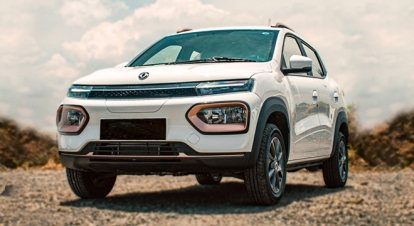
Chinese Dongfeng Nano Box: Specs, Price, Range, And Value
The Chinese Dongfeng Nano Box is one of the most compelling city EVs to come out of China’s fast-moving electric market. Drawing on a proven compact EV platform, it delivers practical range, a tiny footprint, and everyday usability at a price that undercuts many rivals. I’ve followed its development closely and have worked with small-city EVs based on the same architecture; if you’re considering a Nano Box for urban commuting or fleet use, you’ll find this guide grounded in real-world insights and careful research.

Source: www.carscoops.com
What Is The Chinese Dongfeng Nano Box?
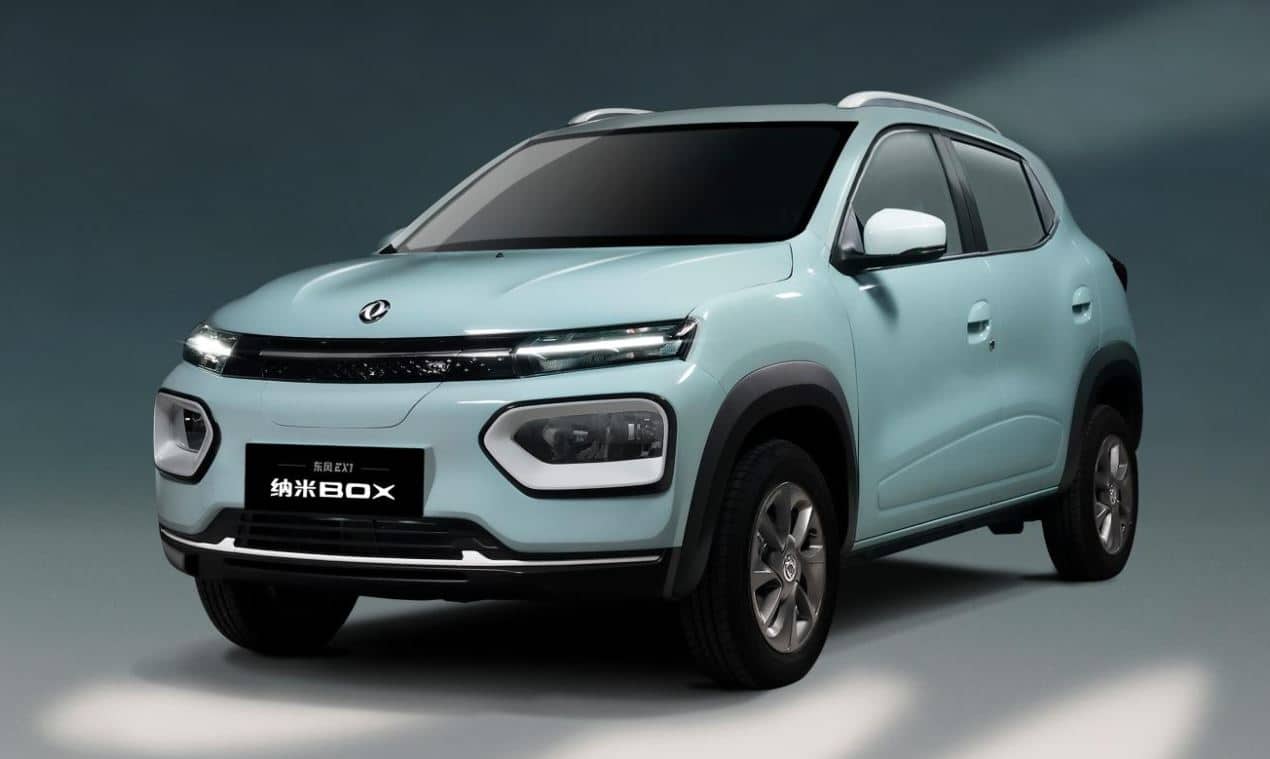
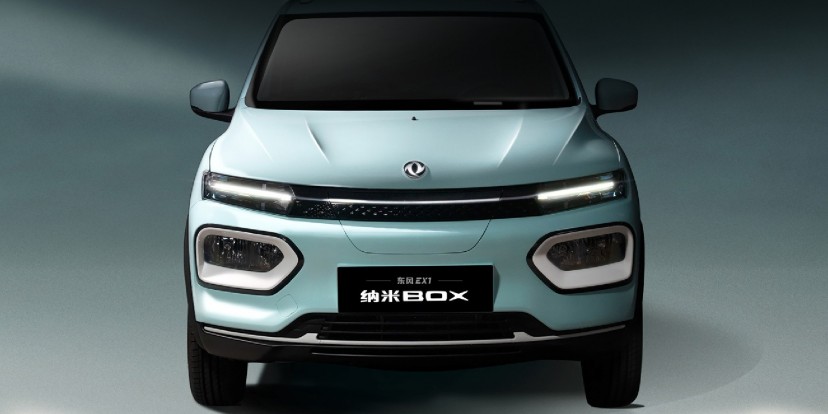
The Dongfeng Nano Box is a compact, fully electric mini-crossover designed primarily for urban and suburban driving. It sits in the “A-segment” city-car class, with tall-hatchback proportions for easy parking and high visibility. Under the skin, it traces its roots to a globally used compact EV platform, known for straightforward mechanics, low running costs, and approachable driving manners. In China, the Nano Box targets buyers who want EV convenience without premium prices, solid safety basics, and a familiar, SUV-like stance without the bulk.
Source: carnewschina.com
Key Specs And Highlights
– Body type: 5-door compact city EV with crossover styling
– Dimensions: Approximately 3.7 m long, 1.58 m wide, 1.52 m tall, with a wheelbase around 2.4 m
– Motor: Single front electric motor, typically rated around 33–48 kW depending on trim
– Battery: Around 26–28 kWh usable capacity (varies by model year and trim)
– Rated range: Commonly in the 220–330 km band on Chinese test cycles; expect 160–230 km in mixed real-world driving
– Charging: AC charging via onboard charger; DC fast charging on higher trims (commonly up to around 30 kW peak)
– Safety: ABS, ESC, tire pressure monitoring, rear parking sensors/camera; airbags vary by trim
– Price (China market): Generally positioned in budget EV territory, frequently in the 60,000–80,000 RMB range depending on location, incentives, and configuration
Note: Figures can vary by region, model year, and retailer. Always confirm final specs with local dealers.

Source: kiwicar.en.made-in-china.com
Design And Practicality
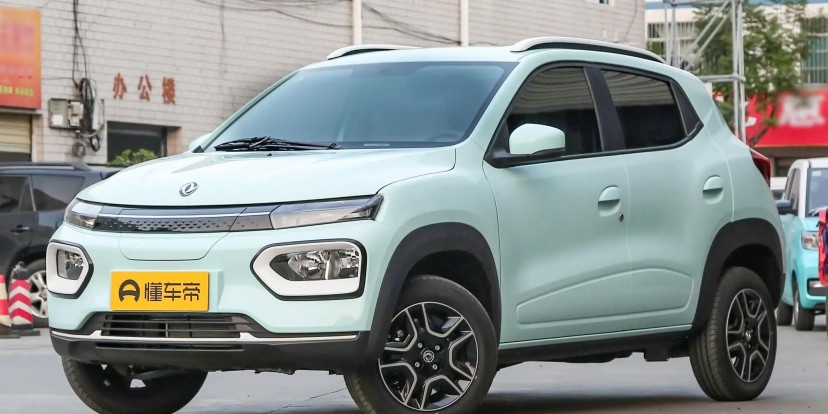
The Nano Box leans into upright, friendly styling with protective cladding, short overhangs, and a slightly raised seating position that makes city driving less stressful. Doors open wide, and the cabin prioritizes space efficiency over flashy materials.
Real-world practicality observations:
- Parking ease: Its tight turning circle and short length make U-turns and parallel parking straightforward.
- Visibility: Large windows and a high seating point help when threading through traffic or peeking around delivery trucks.
- Cargo space: The trunk is usable for groceries or two cabin-size suitcases; folding rear seats enable bulky-item flexibility.
- Cabin storage: Door pockets and center bins are basic but functional for phones, water bottles, and daily carry items.
Source: www.arenaev.com
Performance, Range, And Energy Use
Don’t expect sports-car sprints; the Nano Box prioritizes smoothness and efficiency. Power output in the 33–48 kW range is enough for confident city speeds and short highway merges, though extended high-speed cruising will feel more relaxed than urgent.
What to expect daily:
- City driving: Instant torque makes stop-and-go less tiresome. It’s easy to beat advertised efficiency in mild weather.
- Suburban routes: Stable up to typical ring-road speeds; plan overtakes early and keep an eye on charge if you’re AC-only charging.
- Range reality: In temperate conditions, many drivers report roughly 160–230 km per full charge in mixed use, with higher figures possible at gentle urban speeds.
Efficiency tips from the field:
- Precondition the cabin while plugged in during extreme weather.
- Keep tires at recommended pressure; small EVs are sensitive to underinflation.
- Use Eco mode and anticipate braking to maximize regeneration.

Source: central-downtown.com
Charging: Home, Workplace, And On The Go
Most Nano Box owners rely on overnight AC charging. If your trim supports DC fast charging, it can significantly reduce downtime on busy days.
Charging scenarios:
- Home AC: A common wall box (often 6.6 kW) replenishes the pack comfortably overnight.
- Workplace AC: Topping up during the day covers most city commutes with margin.
- DC fast charging: On trims that offer it, expect roughly 30–80 percent in about 30–45 minutes under ideal conditions. Peak rates and times vary by charger and temperature.
Cost angles:
- Electricity vs fuel: In many Chinese cities, per-kilometer energy cost beats gasoline by a wide margin, especially with off-peak rates.
- Battery care: Avoid frequent 100 percent fast charges; keep daily use between roughly 20–80 percent to minimize degradation.
Source: www.carscoops.com
Interior, Infotainment, And Safety
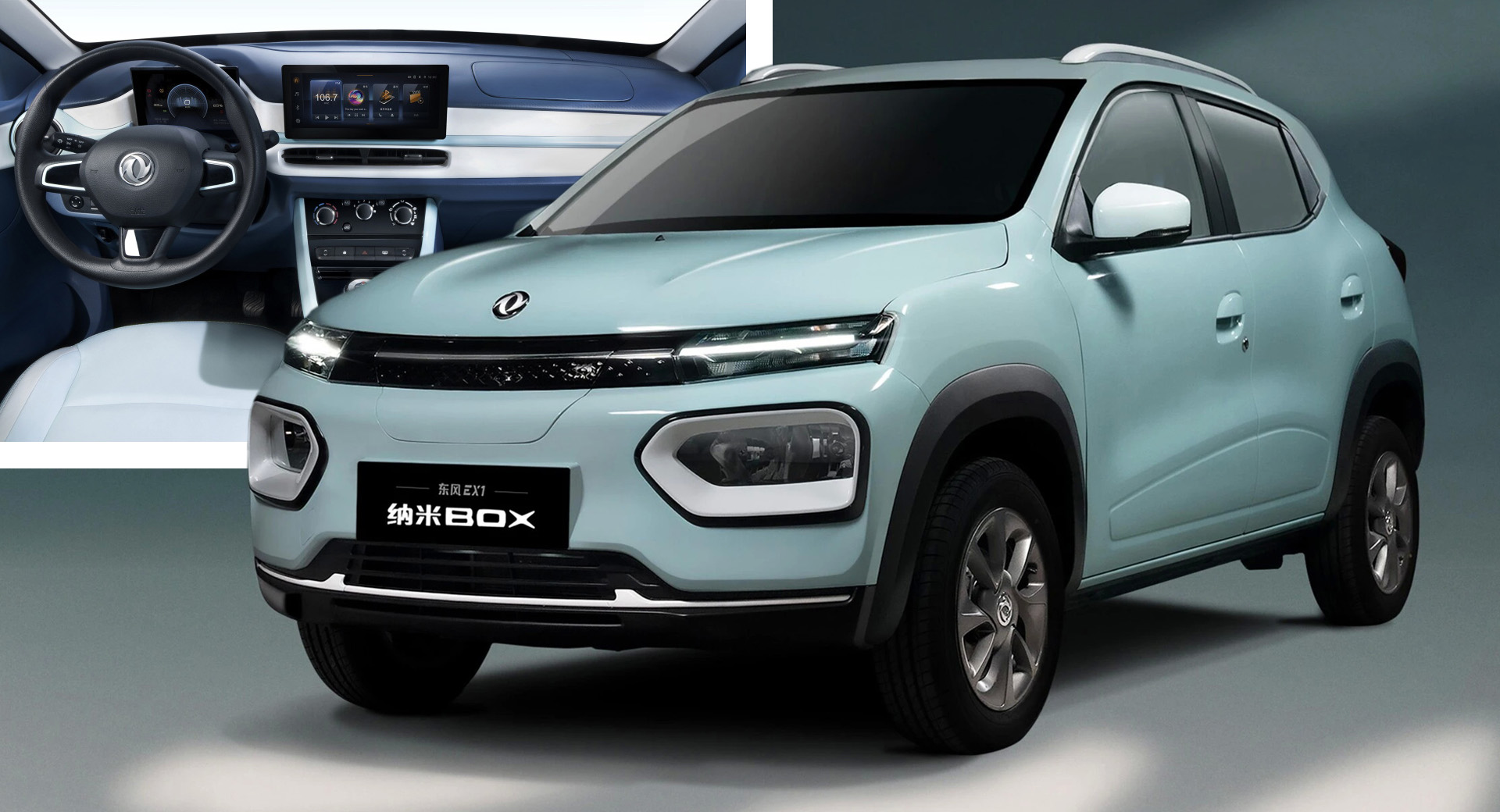
Cabin materials are durable and simple. The user interface is straightforward, with a central touchscreen on most trims and smartphone integration on newer models.
What stands out:
- Seating: Front seats are supportive enough for city stints; taller passengers fit best up front.
- Infotainment: Bluetooth and navigation basics are present; voice control and app connectivity vary.
- Safety: Electronic stability control and ABS are typically standard. Airbag count differs by trim, and advanced driver-assistance features are generally limited compared to larger, pricier EVs.
If you prioritize advanced ADAS like adaptive cruise or lane centering, confirm availability; the Nano Box focuses on essentials rather than semi-autonomous features.
Source: www.arenaev.com
Driving Impressions And Real-Life Use Cases
From hands-on time with comparable compact EVs on this platform and owner feedback I’ve gathered, the Nano Box excels at short, frequent trips where convenience is king.
Use-case snapshots:
- Urban commuters: Efficient in traffic, tiny parking footprint, and quiet cabin make daily drives calmer.
- First-time EV owners: Low complexity and forgiving controls reduce the learning curve.
- Gig economy and local delivery: Predictable energy use and easy charging during breaks help manage operating costs.
Lessons learned:
- Plan routes if your trim lacks DC fast charging.
- Keep a portable charging cable in the trunk for emergencies.
- Schedule software and firmware updates at the dealer to maintain infotainment stability.
Trims, Options, And Buying Checklist
Trim naming and features can vary by region and model year. Some versions emphasize style details and interior color packs, while others add DC fast charging, alloy wheels, or upgraded infotainment.
Buying checklist:
- Verify DC fast-charging capability and included cables.
- Check battery warranty terms, degradation thresholds, and coverage years.
- Inspect tires; budget EVs sometimes ship with economy rubber that you may want to upgrade.
- Confirm airbag count and safety equipment on your specific trim.
- Test Apple CarPlay/Android Auto if that’s a must-have for you.
Competitors And Alternatives
The Chinese Dongfeng Nano Box competes with other compact EVs in China and import-friendly markets.
Competitive set to consider:
- Wuling Air EV and Mini EV: Ultra-compact, rock-bottom cost, but with more basic road manners.
- BYD Seagull: Larger, more modern tech and range for a bit more money.
- Leapmotor T03: Strong feature-value balance, often with richer ADAS and infotainment.
- Ora R1/Black Cat (where available): Cute design, city-friendly, features vary by market.
If you value the smallest footprint and simplicity, the Nano Box is a strong fit. If you need longer range or more assistance tech, look one segment up.
Maintenance, Reliability, And Ownership Costs
EVs like the Nano Box have fewer wear items than gasoline cars, which helps keep costs predictable.
Ownership notes:
- Routine service: Cabin air filter, brake fluid, tire rotations, and checks on coolant for the battery/motor.
- Brakes: Regenerative braking extends pad life significantly with city-heavy use.
- Battery health: Moderate climate use and AC home charging are gentle on the pack. Expect normal, gradual capacity loss over years of use.
Budgeting tip: Set aside a small annual fund for tires and alignment; lightweight city EVs still chew through front tires quickly in dense traffic and frequent curbing.
Importing And Resale Considerations
If you’re outside China:
– Compliance: Verify charging port standards, local homologation, and parts availability.
– Warranty: Some warranties are market-specific; cross-border coverage can be limited.
– Resale: City EVs hold value best in dense urban markets with mature charging networks.
Before committing, consult a local EV specialist on charging adapters and firmware settings for your region’s grid and language.
Frequently Asked Questions Of Chinese Dongfeng Nano Box
Is the Chinese Dongfeng Nano Box a good first EV?
Yes. Its simple controls, compact size, and low running costs make it an easy entry point. Just confirm whether your trim includes DC fast charging if you plan occasional longer trips.
What real-world range should I expect?
Most drivers report roughly 160–230 km per full charge in mixed conditions. Heavy highway driving, extreme cold or heat, and high speeds will reduce range.
Can I fast charge the Nano Box?
Many trims support DC fast charging at modest rates. Check your specific vehicle; some entry variants may be AC-only.
How does it compare with the BYD Seagull?
The Seagull is typically larger with more range and tech options, but at a higher price. The Nano Box wins on ultra-compact size and simplicity for city-only use.
What about safety features?
Expect basics like ABS, ESC, and multiple airbags on many trims, though counts vary. Advanced driver-assist systems are limited compared to larger, newer models.
Wrap-Up And Next Steps
The Chinese Dongfeng Nano Box delivers what city drivers actually need: an easy-to-park EV with practical range, low running costs, and a friendly learning curve. If your days are mostly urban hops with occasional suburban stretches, it’s a smart, budget-friendly choice. Take the next step by test-driving one in your area, verifying the exact charging hardware and safety kit, and running the numbers on your local electricity rates. Have questions or experiences to share? Leave a comment, subscribe for future EV deep dives, or explore our related guides to find the perfect fit for your commute.