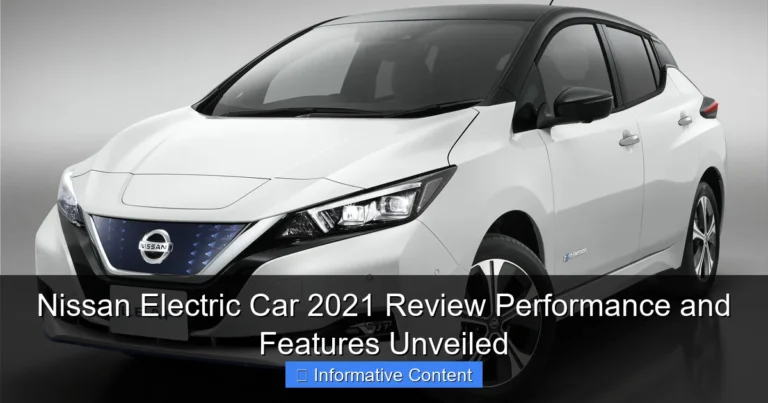
Cost of Nissan Leaf Electric Car What You Need to Know
Featured image for cost of nissan leaf electric car
Image source: opentextbc.ca
The 2024 Nissan Leaf starts at an affordable $28,140, making it one of the most budget-friendly electric cars on the market. With federal tax credits and state incentives, the effective cost can drop below $20,000, offering exceptional value for eco-conscious drivers seeking reliable EV performance.
Key Takeaways
- Compare trims: Choose S, SV, or SL based on budget and features.
- Factor incentives: Federal and state rebates can slash thousands off price.
- Calculate TCO: Include charging, maintenance, and insurance for true cost.
- Lease options: Monthly payments may be lower than buying outright.
- Battery lifespan: 8–10 years; check warranty coverage before purchase.
- Resale value: Research depreciation trends to maximize long-term savings.
📑 Table of Contents
- Understanding the Cost of the Nissan Leaf Electric Car
- Upfront Purchase Price and Trim Levels
- Federal and State Incentives That Reduce the Effective Cost
- Operating and Maintenance Costs: How the Leaf Saves You Money
- Charging Costs: Home, Public, and Fast Charging
- Resale Value and Depreciation
- Total Cost of Ownership Comparison
- Conclusion: Is the Nissan Leaf Worth the Cost?
Understanding the Cost of the Nissan Leaf Electric Car
The electric vehicle (EV) revolution is in full swing, and the Nissan Leaf stands out as one of the most iconic and accessible options for drivers making the switch from gasoline-powered cars. Since its debut in 2010, the Nissan Leaf has become synonymous with affordable, reliable, and eco-friendly transportation. As more consumers prioritize sustainability and lower operating costs, understanding the cost of the Nissan Leaf electric car is essential for making an informed purchase decision. Whether you’re a first-time EV buyer or a seasoned eco-conscious driver, this guide dives deep into every financial aspect of owning a Nissan Leaf—from upfront pricing and available trims to long-term savings, incentives, and resale value.
With rising fuel prices, increasing environmental awareness, and government-backed incentives, the total cost of ownership for EVs like the Nissan Leaf is often more favorable than many realize. However, the sticker price is just the beginning. Hidden costs, tax credits, charging infrastructure, maintenance, and even regional pricing variations all play a role in determining the true value of this popular electric hatchback. In this comprehensive guide, we’ll break down the cost of the Nissan Leaf electric car in detail, helping you understand what you’re paying for—and what you’re saving in the long run.
Upfront Purchase Price and Trim Levels
When evaluating the cost of the Nissan Leaf electric car, the starting point is the manufacturer’s suggested retail price (MSRP). As of 2024, Nissan offers the Leaf in two primary configurations: the Leaf S and the Leaf SV Plus. These trims vary significantly in price, battery capacity, range, and features—making it important to choose the right model based on your needs and budget.

Visual guide about cost of nissan leaf electric car
Image source: cdn.pixabay.com
Base Model: Nissan Leaf S
The 2024 Nissan Leaf S is the most affordable entry point into the Leaf lineup, with a starting MSRP of approximately $28,040 before incentives. This model is powered by a 40-kWh lithium-ion battery pack and delivers an EPA-estimated range of 149 miles on a full charge. While this range is suitable for city driving and short commutes, it may not be ideal for those with longer daily drives or frequent highway use.
Standard features on the Leaf S include:
- 8-inch touchscreen infotainment system
- Apple CarPlay and Android Auto integration
- Automatic emergency braking with pedestrian detection
- Rearview camera and rear parking sensors
- 16-inch steel wheels with wheel covers
- LED headlights and daytime running lights
Despite its lower price, the Leaf S offers a solid foundation of safety and tech features, making it a compelling option for budget-conscious buyers.
Higher Trim: Nissan Leaf SV Plus
For drivers who need more range and premium features, the Nissan Leaf SV Plus is the better choice. Priced from around $37,440, this model features a larger 62-kWh battery that provides an EPA-estimated 212 miles of range—nearly 40% more than the base model. This extended range opens up more possibilities for weekend trips, longer commutes, and reduced charging frequency.
Upgrades on the SV Plus include:
- Leather-wrapped steering wheel and shift knob
- Heated front seats and steering wheel
- ProPILOT Assist (adaptive cruise control with lane centering)
- 8-inch digital instrument cluster
- 17-inch alloy wheels
- Premium audio system with six speakers
- Remote climate control via the NissanConnect app
The SV Plus also includes fast-charging capability (DC fast charging at up to 100 kW), allowing drivers to recharge from 10% to 80% in about 45 minutes at compatible stations. This feature significantly enhances convenience for road trips and high-mileage users.
Optional Packages and Add-Ons
Nissan offers several optional packages that can affect the final cost of the Nissan Leaf electric car. For example, the SV Plus Premium Package (around $1,800) adds:
- ProPILOT Assist with Navi-link (uses map data for smoother driving)
- Intelligent Around View Monitor (360-degree camera)
- Premium Bose audio system
- Power liftgate
Other add-ons include all-weather floor liners, cargo nets, and paint protection films, which can add a few hundred dollars to the total price. While these extras enhance comfort and convenience, they’re not essential for most buyers and should be evaluated based on personal preference and usage.
Federal and State Incentives That Reduce the Effective Cost
One of the most significant factors in the cost of the Nissan Leaf electric car is the availability of government incentives. These programs can dramatically reduce the upfront price, making EVs more accessible to a wider audience. The most impactful incentive is the Federal Electric Vehicle Tax Credit, but many states offer additional rebates and perks.
Federal EV Tax Credit (Up to $7,500)
The Inflation Reduction Act of 2022 revamped the federal EV tax credit, introducing new eligibility requirements based on battery component sourcing and final assembly location. As of 2024, the Nissan Leaf qualifies for the full $7,500 credit, provided the buyer meets the income and vehicle requirements:
- Buyer’s adjusted gross income must not exceed $150,000 (single), $225,000 (head of household), or $300,000 (married filing jointly)
- The vehicle must be new and purchased for personal use (not resale)
- The final assembly must occur in North America (Leaf is assembled in Smyrna, Tennessee)
- The vehicle must meet battery component and critical mineral sourcing thresholds
It’s important to note that the credit is non-refundable, meaning it can only reduce your tax liability to zero. If your tax bill is less than $7,500, you won’t receive the difference as a refund. However, starting in 2024, buyers can transfer the credit to the dealer at the point of sale, effectively reducing the purchase price upfront—a major convenience for many.
State and Local Incentives
Beyond the federal credit, many states offer additional rebates, tax exemptions, or grants. For example:
- California: The Clean Vehicle Rebate Project (CVRP) offers up to $2,000 for the Nissan Leaf, with higher rebates for low- and moderate-income applicants.
- Colorado: The state provides a $5,000 income tax credit for new EV purchases, one of the most generous in the nation.
- New York: The Drive Clean Rebate offers up to $2,000, stackable with the federal credit.
- Oregon: Offers a $750 rebate for new EVs, with additional incentives for low-income buyers.
Some cities and utility companies also offer perks like free public charging, reduced electricity rates for EV owners, or HOV lane access. For example, in Los Angeles, EV owners can receive a $500 credit toward a home charger installation through the LADWP program.
Utility Company Rebates and Charging Incentives
Many regional utility providers offer rebates for Level 2 home chargers or discounted electricity rates during off-peak hours. For instance:
- Con Edison (New York): Offers up to $500 toward a Level 2 charger.
- PG&E (California): Provides a $1,000 rebate for income-qualified customers.
- Austin Energy (Texas): Offers free Level 2 chargers for qualified residential customers.
These incentives can reduce the cost of setting up a home charging station, which typically ranges from $500 to $1,500 depending on installation complexity.
Pro Tip: Always check the Database of State Incentives for Renewables & Efficiency (DSIRE) at dsireusa.org to find all available incentives in your state or zip code.
Operating and Maintenance Costs: How the Leaf Saves You Money
While the cost of the Nissan Leaf electric car includes the purchase price and incentives, the long-term savings on fuel, maintenance, and repairs are where EVs truly shine. Over a 5- to 10-year ownership period, the Leaf can save drivers thousands of dollars compared to a comparable gasoline-powered vehicle.
Fuel Savings: Electricity vs. Gasoline
One of the most immediate benefits of owning a Nissan Leaf is the dramatic reduction in fuel costs. According to the U.S. Department of Energy, the average cost to drive 1,000 miles is:
- Gasoline (25 mpg, $3.50/gallon): $140
- Nissan Leaf (3.6 miles/kWh, $0.14/kWh): $38.89
This means the Leaf costs about 72% less per mile to fuel than a typical gasoline car. For a driver who covers 12,000 miles annually, that’s a savings of over $1,200 per year—or more than $12,000 over a decade.
Home charging is even cheaper if you have access to off-peak electricity rates. Many utilities offer special EV tariffs with nighttime rates as low as $0.08/kWh, further reducing the cost per mile.
Maintenance and Repair Savings
Electric vehicles have fewer moving parts than internal combustion engine (ICE) vehicles, which translates to lower maintenance costs. The Nissan Leaf doesn’t require:
- Oil changes
- Transmission fluid replacements
- Spark plug replacements
- Exhaust system repairs
- Timing belt or chain maintenance
According to a study by Consumer Reports, EVs cost 50% less to maintain over the first five years compared to gas-powered cars. The Leaf’s regenerative braking system also reduces wear on brake pads and rotors, extending their lifespan by up to 50%.
Routine maintenance for the Leaf includes:
- Annual inspection of the battery cooling system
- Tire rotations and pressure checks
- Cabin air filter replacement (every 12,000–15,000 miles)
- Brake fluid replacement (every 2 years)
- 12-volt battery check (every 3 years)
Nissan recommends a 7,500-mile service interval, with an average cost of $100–$150 per visit at dealerships. Independent EV-specialized shops may charge even less.
Insurance and Registration
Insurance costs for the Nissan Leaf are generally comparable to or slightly higher than similar-sized gas-powered hatchbacks, due to the higher repair costs for advanced driver-assistance systems (ADAS). However, many insurers offer discounts for EVs, safe driving habits, or bundling policies. On average, annual insurance for a Leaf ranges from $1,200 to $1,800, depending on location, driving history, and coverage level.
Some states also offer reduced registration fees or tax exemptions for EVs. For example:
- Washington State: Offers a $225 registration fee reduction for EVs.
- Georgia: Charges a $200 annual EV fee to compensate for lost gas tax revenue, but still provides tax credits.
Always check your state’s DMV website for current EV-specific fees and exemptions.
Charging Costs: Home, Public, and Fast Charging
Understanding the cost of charging is essential to evaluating the total cost of the Nissan Leaf electric car. Unlike gasoline, electricity prices vary widely by location, time of day, and charging method. Here’s how different charging options impact your wallet.
Home Charging (Level 2, 240V)
Most Leaf owners charge at home using a Level 2 charger, which provides 25–30 miles of range per hour. Installation costs vary:
- DIY installation: $500–$800 (if you have a 240V outlet)
- Professional installation: $1,000–$1,500 (for new circuit and panel upgrades)
Once installed, the cost to fully charge the 40-kWh Leaf S is:
- At $0.14/kWh: $5.60
- At $0.08/kWh (off-peak): $3.20
For the 62-kWh Leaf SV Plus, it’s:
- At $0.14/kWh: $8.68
- At $0.08/kWh: $4.96
This means a full charge can cost less than a single gallon of gas in many areas.
Public Charging (Level 2 and DC Fast Charging)
Public Level 2 chargers (found at malls, offices, and parking garages) typically cost $1–$2 per hour or $0.20–$0.30 per kWh. Charging the Leaf S at $0.25/kWh would cost $10 for a full charge.
DC fast chargers (like those from Electrify America, EVgo, or ChargePoint) are more expensive but much faster. Rates range from $0.30 to $0.60 per kWh, or a flat fee of $4–$10 per session. Charging the Leaf SV Plus from 10% to 80% (50 kWh) at $0.50/kWh would cost $25, but take only 45 minutes.
Subscription Plans and Membership Discounts
Many charging networks offer monthly membership plans that reduce per-kWh rates. For example:
- Electrify America: $4/month for $0.31/kWh (vs. $0.43/kWh pay-as-you-go)
- EVgo: $7/month for $0.30/kWh (vs. $0.38/kWh)
Nissan also partners with charging networks to offer free charging for a limited time. For example, the 2024 Leaf SV Plus includes 1 year of free charging at Electrify America stations—a value of up to $1,000 depending on usage.
Resale Value and Depreciation
One area where the cost of the Nissan Leaf electric car has historically been a concern is resale value. Early Leaf models (2011–2017) suffered from rapid depreciation due to battery degradation concerns and limited range. However, newer models (2018–present) with improved battery technology and longer range are holding value better.
Current Resale Trends (2020–2023 Models)
According to Kelley Blue Book (KBB) and iSeeCars data:
- A 2020 Leaf S (40 kWh) retains about 45% of its original value after 3 years.
- A 2020 Leaf SV Plus (62 kWh) retains about 50% of its value.
- By comparison, a 2020 Toyota Corolla retains about 60% of its value.
While the Leaf still depreciates faster than some ICE vehicles, it’s a significant improvement over earlier models, which often retained less than 30% of their value after 3 years.
Factors Affecting Resale Value
Several factors influence the resale value of a used Nissan Leaf:
- Battery health: A battery with 80% or higher state of health (SOH) is more desirable.
- Range: The SV Plus (212 miles) commands a higher price than the base S (149 miles).
- Charging capability: Fast-charging models are more valuable.
- Service history: Complete maintenance records and Nissan warranty coverage increase value.
- Location: EVs sell faster and for more in states with strong incentives and charging infrastructure (e.g., California, Washington).
Pro Tip: Use tools like Edmunds True Market Value or CarGurus Instant Market Value to get accurate pricing for your used Leaf based on condition, mileage, and location.
Warranty and Battery Coverage
Nissan offers a strong warranty package for the Leaf:
- 3-year/36,000-mile basic warranty
- 5-year/60,000-mile powertrain warranty
- 8-year/100,000-mile battery warranty (covers capacity loss below 9 bars on the battery gauge)
This long battery warranty provides peace of mind and enhances resale value, as buyers know the battery is protected for nearly a decade.
Total Cost of Ownership Comparison
To fully understand the cost of the Nissan Leaf electric car, let’s compare its 5-year total cost of ownership (TCO) to a comparable gasoline vehicle: the Toyota Corolla LE (MSRP $21,500).
| Category | Nissan Leaf SV Plus | Toyota Corolla LE |
|---|---|---|
| MSRP | $37,440 | $21,500 |
| Federal Tax Credit | –$7,500 | $0 |
| State Incentives (avg.) | –$1,500 | $0 |
| Net Purchase Price | $28,440 | $21,500 |
| Fuel (5 years, 12,000 mi/yr) | $1,944 (electricity) | $8,400 (gasoline) |
| Maintenance (5 years) | $750 | $1,500 |
| Insurance (5 years) | $7,500 | $7,000 |
| Resale Value (after 5 years) | $18,000 (50%) | $12,900 (60%) |
| Net TCO | $20,634 | $25,500 |
As the table shows, despite a higher sticker price, the Nissan Leaf SV Plus has a lower total cost of ownership over five years—saving the owner nearly $5,000 compared to the Corolla. This includes fuel, maintenance, and depreciation, all factored in.
For the base Leaf S, the savings are even more pronounced due to its lower purchase price and similar operating costs.
Conclusion: Is the Nissan Leaf Worth the Cost?
The cost of the Nissan Leaf electric car is more than just a number on a sticker—it’s a comprehensive financial picture that includes purchase price, incentives, fuel, maintenance, charging, and resale value. While the upfront price may seem higher than some gas-powered cars, the long-term savings, environmental benefits, and driving experience make the Leaf a smart investment for the right buyer.
For city dwellers, commuters, and eco-conscious drivers, the Leaf offers:
- Lower operating costs (up to 70% cheaper than gasoline)
- Significant tax incentives (up to $7,500 federal + state rebates)
- Minimal maintenance (no oil changes, fewer moving parts)
- Quiet, smooth driving experience
- Reduced carbon footprint
The Leaf isn’t perfect—range anxiety can still be a concern for the base model, and charging infrastructure varies by region. But with improved battery technology, expanded fast-charging networks, and growing public support for EVs, the Nissan Leaf remains one of the most cost-effective and practical electric cars on the market today.
Before buying, take the time to:
- Calculate your daily driving needs to choose the right trim (S vs. SV Plus)
- Research incentives in your state
- Evaluate home charging feasibility
- Use online TCO calculators to compare the Leaf to other vehicles
With careful planning, the Nissan Leaf can save you money, reduce your environmental impact, and deliver a satisfying driving experience—making its cost not just affordable, but truly worthwhile.
Frequently Asked Questions
What is the starting cost of a Nissan Leaf electric car?
The starting cost of a new Nissan Leaf ranges from $28,140 for the base S model to around $38,140 for the SV Plus trim (before incentives). Prices may vary based on location, options, and dealer fees.
How does the cost of a Nissan Leaf compare to other electric cars?
The Nissan Leaf is one of the most affordable electric vehicles on the market, offering a lower entry price than rivals like the Tesla Model 3 or Chevrolet Bolt. Its cost makes it a popular choice for budget-conscious EV buyers seeking reliable range and features.
Are there tax credits or incentives that reduce the Nissan Leaf’s cost?
Yes, depending on your location, you may qualify for federal tax credits (up to $7,500) or state/local incentives that lower the effective cost. Check current programs, as eligibility and amounts can change based on battery components and manufacturing rules.
What is the average cost of ownership for a Nissan Leaf over 5 years?
The average 5-year ownership cost for a Nissan Leaf is lower than gas-powered cars due to reduced fuel, maintenance, and repair expenses. With electricity costs and minimal upkeep, owners often save thousands compared to traditional vehicles.
Is the cost of a used Nissan Leaf worth it for the savings?
Yes, a used Nissan Leaf offers significant savings, with prices starting under $15,000 for older models. However, check battery health and remaining warranty, as degradation can impact range and long-term value.
Does the Nissan Leaf cost more to insure than a gas-powered car?
Insurance costs for the Nissan Leaf are typically comparable to or slightly higher than gas-powered cars in its class. Factors like location, driving history, and coverage level have a bigger impact than the car being electric.