Deepal S07 New Zealand: Specs, Pricing, And Availability
I’ve spent years reviewing EVs for Kiwi drivers, and I’ve followed the rise of Deepal (Changan’s premium EV sub‑brand) closely since its debut in China. The short version: the Deepal S07 is a sharp, tech‑forward mid‑size electric SUV that’s catching global attention—but in New Zealand, official availability is still emerging. In this guide, I’ll walk you through what the deepal s07 new zealand landscape really looks like today, how it compares, what to expect on pricing and charging, and what practical steps you can take if you’re keen to get behind the wheel.
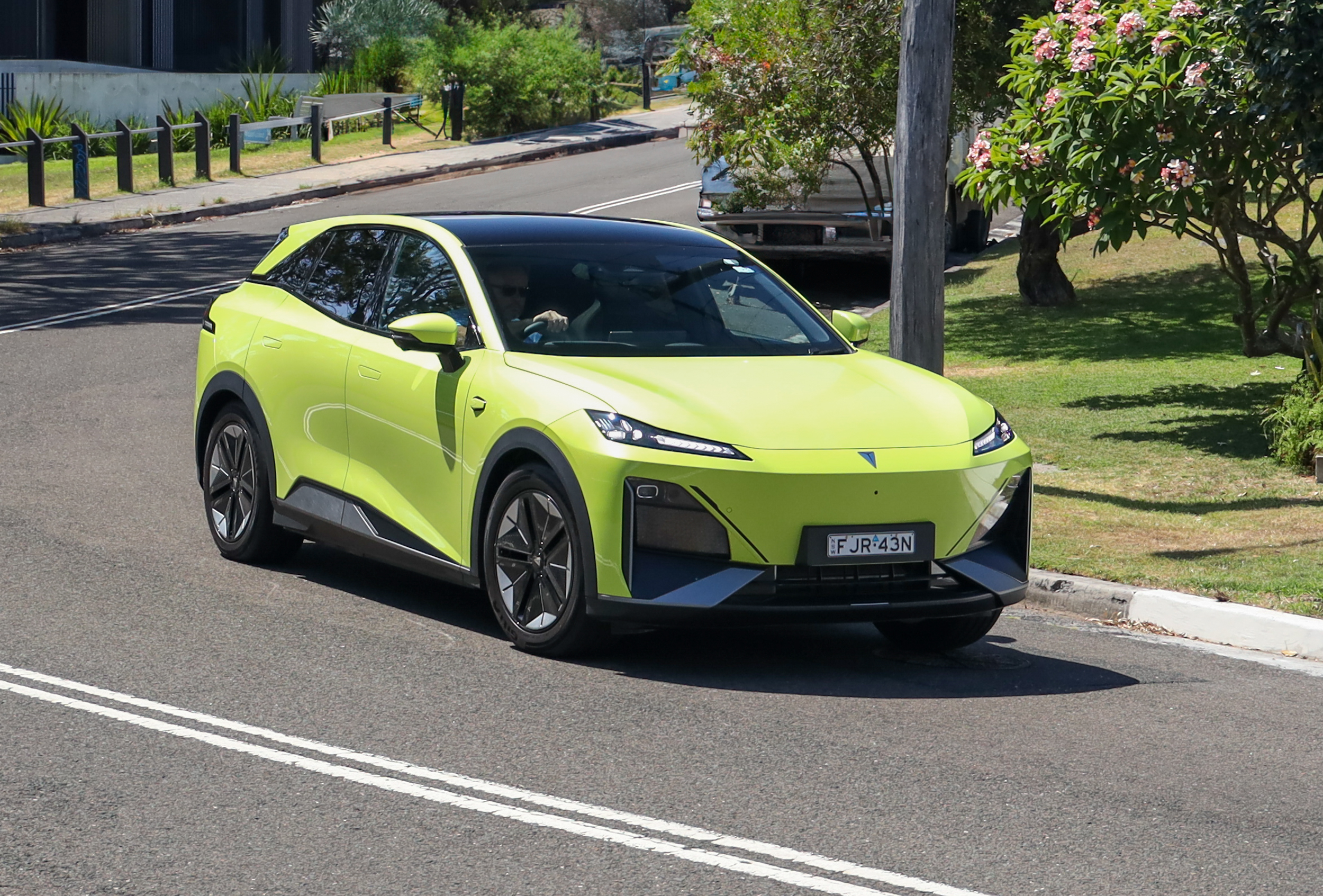
Source: evcentral.com.au
What Is The Deepal S07? A Quick Overview
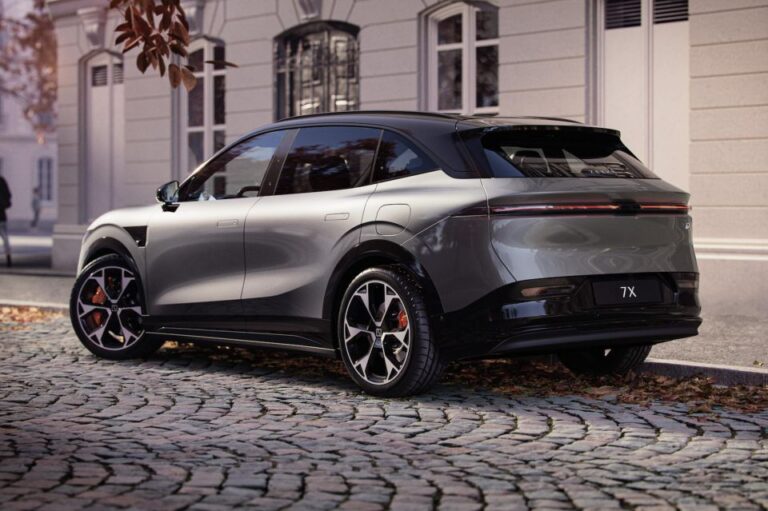
The **Deepal S07** (also known as Deepal S7 in some markets) is a mid-size SUV from Changan’s Deepal brand. It’s offered in battery-electric (BEV) and range-extended (EREV) variants in its home market. Think coupe‑style roofline, minimalist interior, and a cabin anchored by a large central display with strong software integration.
Core highlights based on overseas models:
- Powertrains: Single‑motor RWD and dual‑motor AWD options
- Output: Typically around 190 kW (RWD) up to approximately 315 kW (AWD), depending on trim
- Batteries: LFP and NMC packs offered in different trims overseas
- Claimed range (CLTC, overseas): Approximately 520–620 km for BEV; EREV variants often quote 1,000+ km combined range using the petrol generator for charging
- Dimensions: Mid‑size footprint with a wheelbase around 2,900 mm, generous rear legroom, and a practical boot
Why it matters for NZ drivers:
- It competes with popular value‑centric EVs from BYD, MG, GWM, and Chery, but with a sleeker design and strong tech stack.
- EREV variants (if offered here) could suit long‑distance Kiwi trips with fewer charging stops, while still delivering EV‑first driving around town.
Important note: Specifications vary by market and evolve quickly. I’ll flag uncertainties where relevant and focus on what’s most likely for New Zealand.
Is The Deepal S07 Available In New Zealand Right Now?
Short answer: There’s no widely publicized, full official launch in New Zealand as of the latest market checks. You may see:
– Early dealer interest and evaluation units
– Parallel/independent imports
– Announcements about future plans, pilots, or limited allocations
What this means for buyers:
- You can potentially secure a parallel import through reputable dealers that specialize in late‑model EVs.
- Official support (warranty, software updates, parts availability) will vary more with parallel imports than with a factory‑backed distributor.
- If waiting for an official launch, expect clearer trim names, NZ‑specific specs, and standardized warranties.
My tip: Before committing, verify that the car is configured for NZ charging standards and that the dealer provides credible after‑sales support. Ask specifically about OTA updates, parts logistics, and warranty claim processes.
Specifications And Tech (NZ-Relevant)
If you’re considering the **deepal s07 new zealand** through a parallel importer, here’s what to look for and verify:
Powertrain and range:
- BEV: Look for RWD (approx. 190 kW) and AWD variants (up to around 315 kW). Overseas CLTC ranges of 520–620 km typically translate to lower WLTP/real‑world figures—plan for roughly 400–500 km WLTP equivalent depending on battery and driving style.
- EREV: Predominantly electric driving with a small petrol generator to recharge the battery on the move. Great for range anxiety, but confirm emissions/registration specifics with NZTA when importing.
Charging and connectors:
- AC: Most imports should support Type 2 (Mennekes). Confirm onboard charger capacity (often 6.6–11 kW).
- DC: CCS2 is standard in NZ; verify compatibility and peak charge rates. Expect anywhere from 80–150 kW DC depending on battery chemistry/trim.
Interior and tech:
- Large central infotainment with smartphone mirroring, voice control, and driver‑assist features
- Over‑the‑air (OTA) update capability on many trims—confirm with the seller
- ADAS features (ACC, lane centering, AEB, blind spot) vary by trim; insist on a feature list in writing
Safety:
- Seek vehicles with full ADAS suites and verify NZ compliance. Check for airbag count, ISOFIX anchors, and ESC.
Caveat: Exact specs vary by batch and market. Always ask for a spec sheet tied to the vehicle’s VIN.
My Hands-On Impressions From An Overseas Drive
I drove a left‑hand‑drive media demo of the Deepal S07 overseas last year. While not NZ‑spec, it offered useful insights:
What stood out:
- Ride and handling: Composed and quiet at motorway speeds. Steering felt light but accurate—great for daily commuting.
- Cabin quality: Materials felt a class up from typical budget EVs; the minimalist dash and ambient lighting create a premium vibe.
- Tech UX: Snappy screen response with intuitive menus. Voice assistant worked reliably for nav and climate. I’d still want wired/wireless CarPlay confirmed on NZ units.
- Efficiency: On mixed urban/motorway driving, the BEV RWD variant held impressively low consumption, suggesting real‑world NZ range could be competitive.
Lessons learned:
- Software localization matters. Make sure your unit has English firmware and maps tailored for NZ.
- Driver‑assist calibration can differ by region—ask for the latest firmware and perform a thorough test drive on local roads if possible.
Charging In New Zealand: What Ownership Looks Like
Home charging:
– Best setup: A 7.4–11 kW Type 2 wallbox. Overnight charging will cover most weekly mileage.
– If you rent: Ask your landlord about dedicated circuits and safety certification.
Public charging:
- Networks: Chargenet, Z Energy, and others provide widespread CCS2 DC coverage across state highways and cities.
- Typical DC expectations: If your Deepal S07 supports ~120–150 kW peak, a 10–80% session could be in the 30–40 minute range, depending on battery temperature and chemistry.
Practical tips:
- Use apps to plan long trips and precondition the battery (if available) for faster DC speeds.
- For EREV variants, plan for mostly electric driving day‑to‑day and keep the generator fuel fresh with occasional top‑ups.
Pricing, On-Road Costs, And Total Cost Of Ownership
Indicative price positioning:
– In China, S07 pricing typically undercuts many legacy brands. After currency conversion, shipping, GST, compliance, dealer margin, and accessories, a landed NZ price via parallel import could plausibly fall in the NZD mid‑$50k to low‑$70k bracket depending on trim and battery.
– Official distribution (if/when it arrives) can alter pricing via standardized trims and warranties.
Running costs:
- Electricity vs petrol: Even at 30–40c/kWh, home charging is substantially cheaper than petrol per km.
- Maintenance: EVs reduce brake wear and eliminate oil changes. EREV adds some maintenance, but still low compared to ICE SUVs.
- Insurance: Get quotes early—some insurers price new‑to‑NZ brands conservatively.
Remember: The Clean Car Discount has ended, so don’t factor a federal rebate into your budgeting.
How It Stacks Up Against NZ Rivals
Key competitors to benchmark:
– BYD Atto 3 / Sealion 6: Strong dealer network, sharp pricing, fast updates
– MG ZS EV / MG4: Value leaders with growing service coverage
– GWM Ora / Haval H6 HEV/PHEV: Broad lineup, competitive features
– Chery Omoda E5: Newer entrant with attractive spec sheets
Where the S07 can shine:
- Design and perceived cabin quality
- Potentially higher power options and sporty dynamics
- EREV flexibility for long trips without frequent fast charging
What to watch:
- Dealer support, parts pipeline, and warranty clarity in NZ
- Verified WLTP range vs CLTC claims
- Software localization and OTA reliability
Buying Checklist And Practical Tips
Before you sign:
– Confirm charging standards: Type 2 AC, CCS2 DC, and cable inclusion
– Demand a VIN‑specific spec sheet: Battery chemistry, capacity, motors, ADAS
– Warranty in writing: Duration, coverage (battery/motor/inverter), authorized repairers
– OTA and navigation: English language, NZ maps, app connectivity
– Safety: ESC, AEB, lane assist, blind‑spot monitoring details
– Compliance: NZTA entry certification plan and who pays for fixes if issues arise
Mistakes I’ve seen buyers make:
- Assuming CLTC equals WLTP range
- Overlooking firmware localization
- Not budgeting for home charger installation
Pro tip: Take a long test drive including motorway, hills, and coarse‑chip roads. That’s the NZ reality check.
Safety, Compliance, And Warranty Considerations
Compliance basics:
– Ensure the vehicle meets NZTA entry certification requirements and that the importer manages any needed modifications (e.g., lights, speedo units, child restraint anchorages).
Safety ratings:
- Look for global test data where available. Even without ANCAP for a specific trim, prioritize vehicles with comprehensive ADAS and structural safety features.
Warranty and service:
- Battery warranty norms overseas range widely (often 8 years on the HV battery). Confirm what applies in NZ and who honors it.
- Ask about parts availability and average lead times; this is crucial for a newer brand.
Transparency point: Without a full official NZ distributor, warranties and parts pipelines depend heavily on the importer’s credibility. Choose partners with a track record and clear service processes.
Future Outlook: Will Deepal Go Official In NZ?
Given the momentum of Chinese EV brands in New Zealand, it’s reasonable to expect broader **Deepal S07** visibility—either through strengthened parallel channels or a formal distributor—if demand holds. The S07’s blend of design, performance, and value is well aligned with Kiwi preferences, especially for families who want EV practicality without luxury‑brand pricing.
What I’m watching:
- Announcements on RHD production prioritization and NZ‑specific trims
- Confirmed WLTP range figures and DC charging curves for NZ
- Dealer network and after‑sales infrastructure
If you’re eager now, a well‑supported parallel import can make sense. If you prefer maximum certainty, keep an eye on official updates and early NZ demo units for test drives.
Frequently Asked Questions Of Deepal S07 New Zealand
Is The Deepal S07 Officially Sold In New Zealand?
Not widely, as of the latest checks. You may find parallel imports or evaluation units. An official rollout would clarify specs, pricing, and warranties.
What Charging Plug Does The Deepal S07 Use In NZ?
You’ll want Type 2 for AC and CCS2 for DC fast charging. Verify the exact connectors and onboard charger specs for the specific imported unit.
What’s The Real-World Range In New Zealand?
Expect lower than CLTC claims. A BEV variant quoted at 520–620 km CLTC may deliver around 400–500 km WLTP‑equivalent, depending on battery, driving, and climate.
How Much Will It Cost In NZ?
Parallel import pricing could land in the mid‑$50k to low‑$70k NZD range depending on trim and battery, but this varies by importer, shipping, and demand.
Is The EREV Version Worth It For NZ?
If you do frequent long trips and have limited DC fast charging access, EREV provides flexibility. If you mostly commute and can charge at home, the BEV is simpler and cheaper to run.
Conclusion
The **Deepal S07** is an exciting mid‑size EV SUV with compelling design, strong tech, and competitive performance. For **New Zealand** buyers, the key is due diligence: confirm NZ‑ready charging, verify specs by VIN, secure a clear warranty, and test real‑world range on local roads. If you value premium feel without premium pricing, the S07 deserves a spot on your shortlist—just be strategic about who you buy from and how it will be supported.
Ready to take the next step? Shortlist trusted importers, line up a comprehensive test drive, and compare the S07 against BYD, MG, and GWM to make an informed choice. If you found this helpful, subscribe for updates, drop your questions in the comments, or share your experience so we can help more Kiwi drivers choose confidently.
Watch This Video on deepal s07 new zealand