Does Ford ESP Premium Cover Electric Cars Find Out Here
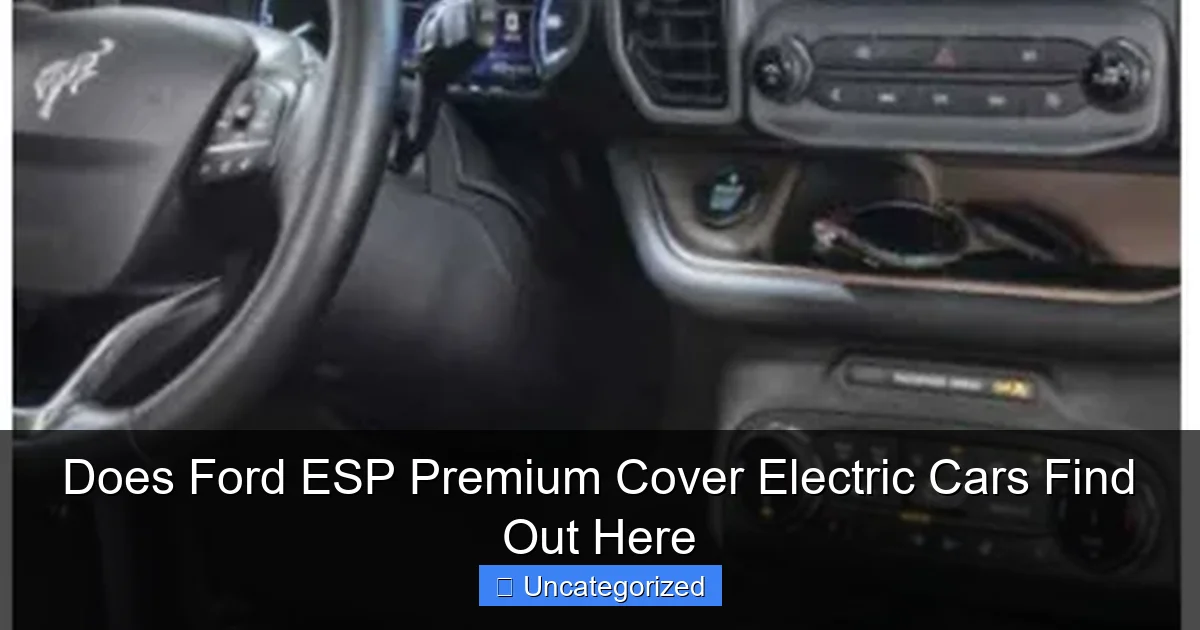
Featured image for does ford esp premium cover electric cars
Image source: factoryplans.com
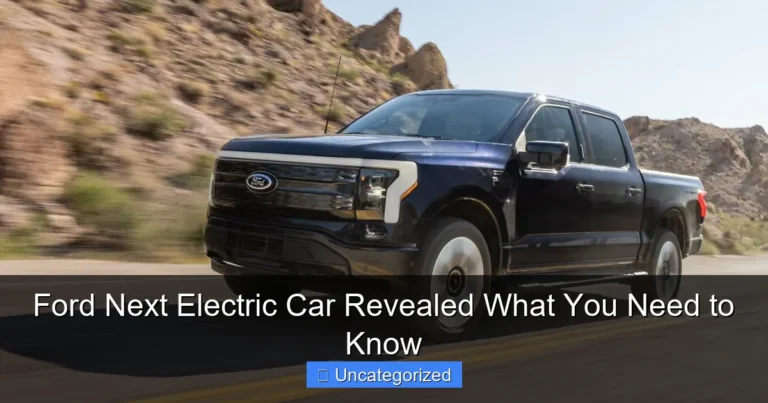
Yes, Ford ESP Premium does cover electric cars, including models like the Mustang Mach-E and F-150 Lightning, offering comprehensive protection for high-voltage batteries, electric motors, and related components. This extended service plan ensures long-term peace of mind by covering costly repairs beyond the factory warranty, making it a smart investment for EV owners.
Key Takeaways
- Ford ESP Premium covers most EVs: Includes battery, motor, and powertrain repairs.
- Check high-voltage component coverage: Confirm specific EV parts are included in your plan.
- Exclusions apply: Wear-and-tear items like tires and brake pads aren’t covered.
- Transferable coverage: Boost resale value by transferring the plan to a new owner.
- Compare with factory warranty: ESP kicks in after the 3-year/36,000-mile bumper-to-bumper warranty.
📑 Table of Contents
- Does Ford ESP Premium Cover Electric Cars? Find Out Here
- Understanding Ford ESP Premium: What Is It?
- Ford ESP Premium and Electric Vehicles: The Core Coverage
- Battery Coverage: The Most Critical Aspect for EV Owners
- Comparing ESP Premium to Other EV Protection Options
- How to Maximize Your Ford ESP Premium for Electric Cars
- Conclusion: Yes, Ford ESP Premium Covers Electric Cars—Here’s Why It Matters
Does Ford ESP Premium Cover Electric Cars? Find Out Here
Electric vehicles (EVs) are no longer a niche segment of the automotive market—they’re a growing force. With Ford’s bold entry into the EV space through models like the Mustang Mach-E, F-150 Lightning, and the upcoming Ford Explorer Electric, many owners are asking a critical question: Does Ford ESP Premium cover electric cars? As more drivers make the switch from traditional internal combustion engines (ICE) to battery-powered vehicles, understanding the scope of extended service plans becomes essential. The Ford Extended Service Plan (ESP) Premium, long trusted by ICE vehicle owners, promises comprehensive coverage, but does it extend its benefits to the unique components of electric vehicles?
This blog post dives deep into the specifics of the Ford ESP Premium, focusing on its applicability to Ford’s electric lineup. Whether you’re a current EV owner, considering a purchase, or simply curious about extended warranties in the age of electrification, this guide will provide clarity. We’ll explore what the Ford ESP Premium covers, how it applies to EVs, the nuances of high-voltage systems and battery warranties, and what gaps might exist—so you can make an informed decision about protecting your investment.
Understanding Ford ESP Premium: What Is It?
Definition and Core Features
The Ford Extended Service Plan (ESP) Premium is a factory-backed extended warranty designed to provide peace of mind beyond the manufacturer’s standard warranty. Unlike third-party service contracts, Ford ESP is backed directly by Ford Motor Company, meaning claims are handled through authorized Ford dealerships with genuine OEM parts. The Premium tier is the most comprehensive level of coverage, offering protection for a wide array of mechanical and electrical components.
Visual guide about does ford esp premium cover electric cars
Image source: factoryplans.com
Key features of Ford ESP Premium include:
- Coverage for over 1,000 components, including engine, transmission, steering, suspension, and electrical systems
- 24/7 roadside assistance with towing to the nearest Ford dealer
- Rental car reimbursement (up to $30 per day for 10 days)
- Trip interruption benefits (up to $100 per day for 3 days if a breakdown occurs more than 100 miles from home)
- Transferability to a subsequent owner, enhancing resale value
- Coverage durations ranging from 5 years/60,000 miles to 8 years/150,000 miles
How It Differs from Standard Warranty
The standard Ford factory warranty covers defects in materials and workmanship for 3 years/36,000 miles (bumper-to-bumper) and 5 years/60,000 miles (powertrain). However, this warranty is limited to manufacturing defects and does not cover wear-and-tear items or mechanical failures due to aging. The Ford ESP Premium fills this gap by offering extended mechanical breakdown coverage, meaning it kicks in after the factory warranty expires and covers failures that occur due to normal use.
For example, if your F-150 Lightning’s high-voltage inverter fails at 75,000 miles—outside the factory warranty window—ESP Premium could cover the repair, assuming the plan is active and the failure is not due to misuse or lack of maintenance.
Eligibility and Purchase Window
Ford ESP Premium can be purchased at any time during the vehicle’s factory warranty period, but it must be bought before the factory warranty expires. For electric vehicles, this is particularly important because certain EV-specific components (like the battery pack) may have longer factory coverage. You can buy the plan at a Ford dealership, often at the time of vehicle purchase, but it can also be added later as long as the factory warranty is still active. Pricing varies based on vehicle model, age, mileage, and desired coverage length.
Ford ESP Premium and Electric Vehicles: The Core Coverage
Does Ford ESP Premium Cover EVs?
Yes, Ford ESP Premium does cover Ford electric vehicles—including the Mustang Mach-E, F-150 Lightning, and E-Transit. This is a critical point for EV owners: Ford recognizes the unique nature of electric drivetrains and has adapted its ESP Premium to include coverage for EV-specific components. The plan is not limited to traditional engine and transmission systems; it explicitly includes high-voltage systems, electric motors, power electronics, and other EV-critical parts.
According to Ford’s official ESP brochure, the Premium plan covers “electric drive units, high-voltage battery management systems, DC-DC converters, electric power steering, regenerative braking systems, and more.” This means that if your Mach-E’s electric motor fails due to a manufacturing defect or mechanical breakdown (not misuse), the ESP Premium will cover the repair or replacement—just as it would for a traditional powertrain component.
Key EV Components Covered Under ESP Premium
Here’s a breakdown of the major electric vehicle systems included in Ford ESP Premium:
- Electric Drive Unit (EDU): Includes the electric motor(s), gearbox, and differential. Covered under ESP Premium if failure occurs due to mechanical or electrical faults.
- High-Voltage Battery Management System (BMS): Monitors battery health, temperature, and charge levels. If the BMS fails and causes system shutdown or charging issues, it’s covered.
- DC-DC Converter: Converts high-voltage DC from the battery to 12V for low-voltage systems (lights, infotainment, etc.). Failures here can disable critical systems—covered by ESP.
- On-Board Charger (OBC): Converts AC from home chargers to DC for the battery. If the OBC fails and prevents Level 1 or Level 2 charging, ESP Premium covers repair.
- Power Electronics Controller (PEC): Manages power flow between the battery and motor. A failure here can cause loss of propulsion—covered under ESP.
- Regenerative Braking System: While the physical brakes are standard, the regenerative braking control module is part of the EV-specific electrical system and is covered.
What’s Not Covered (Limitations)
While the coverage is extensive, Ford ESP Premium—like all extended warranties—has exclusions. For EVs, the following are typically not covered:
- Battery degradation due to normal aging: The battery pack’s gradual loss of capacity over time is considered wear-and-tear, not a mechanical failure. However, if the battery fails catastrophically (e.g., cell failure, thermal runaway, or BMS malfunction), it is covered.
- Software updates and infotainment glitches: While hardware failures in the infotainment system are covered, software bugs or updates are typically handled under the standard warranty or via over-the-air (OTA) updates.
- Damage from improper charging or misuse: Using non-certified charging equipment, frequent fast charging, or exposing the vehicle to extreme conditions may void coverage.
- Wear items: Tires, brake pads (physical), wiper blades, and 12V auxiliary battery are not covered.
Tip: Always use Ford-approved charging equipment and follow the vehicle’s charging guidelines to maintain warranty and ESP eligibility.
Battery Coverage: The Most Critical Aspect for EV Owners
Standard Battery Warranty vs. ESP Premium
One of the biggest concerns for EV buyers is battery longevity. Ford provides a separate 8-year/100,000-mile warranty for the high-voltage traction battery on all its electric vehicles. This warranty covers defects that cause the battery to degrade below 70% of its original capacity during the warranty period. This is a manufacturer guarantee and is not part of the ESP Premium—but it’s crucial to understand how the two interact.
The key distinction is:
- Factory Battery Warranty: Covers degradation due to defects (e.g., manufacturing flaws causing rapid capacity loss).
- Ford ESP Premium: Covers mechanical or electrical failures in the battery system (e.g., BMS failure, cell short circuit, cooling system malfunction).
For example: If your F-150 Lightning’s battery loses 35% capacity after 5 years due to a flawed cell module, the factory battery warranty applies. But if the battery management system fails at 7 years, causing the entire battery pack to shut down, ESP Premium would cover the repair.
When ESP Premium Steps In for Battery-Related Issues
While the factory battery warranty handles capacity loss, ESP Premium covers functional failures that occur after the 8-year/100,000-mile period. Consider these real-world scenarios:
- Scenario 1: At 90,000 miles, the battery cooling pump fails, leading to overheating and shutdown. The factory battery warranty has expired, but ESP Premium (if active) covers the pump and related repairs.
- Scenario 2: At 110,000 miles, a cell in the battery pack short-circuits due to a manufacturing defect not detected earlier. ESP Premium covers the cell replacement, even though the battery is past its factory warranty.
- Scenario 3: The vehicle’s battery management system (BMS) software crashes and prevents charging. If diagnosed as a hardware failure in the BMS module, ESP Premium applies.
Important: Always have battery-related issues diagnosed at a Ford dealership. Third-party repairs may void ESP coverage.
Maximizing Battery Longevity to Reduce ESP Claims
While ESP Premium provides a safety net, proactive maintenance can reduce the likelihood of battery system failures:
- Keep the battery charge between 20% and 80% for daily use; reserve 100% for long trips.
- Avoid frequent DC fast charging; use Level 2 charging when possible.
- Park in shaded or climate-controlled areas to prevent thermal stress.
- Ensure firmware and software are up to date via Ford’s OTA updates.
These habits not only extend battery life but also reduce the risk of triggering a mechanical failure that might require ESP intervention.
Comparing ESP Premium to Other EV Protection Options
Third-Party EV Extended Warranties
Several third-party providers (e.g., Endurance, CarShield, Olive) offer extended warranties for electric vehicles. While these plans may seem cheaper upfront, they come with significant drawbacks compared to Ford ESP Premium:
- Limited OEM parts: Third-party plans often use aftermarket parts, which may not meet Ford’s performance standards.
- Claims process: Reimbursement-based models require you to pay upfront and file claims, which can take weeks.
- Coverage gaps: Many exclude EV-specific systems or have complex exclusions for battery and software issues.
- No dealer network: Repairs may need to be done at non-Ford shops, increasing risk of improper diagnostics.
Ford ESP Premium, by contrast, offers direct billing at Ford dealerships, genuine parts, and a streamlined claims process. For EV owners, this is a major advantage—especially when dealing with high-voltage systems that require specialized tools and training.
Ford’s EV-Specific Programs and Incentives
Ford has introduced several EV-focused programs that complement ESP Premium:
- Ford BlueCruise: While not a warranty, this hands-free driving feature includes software updates that can improve system reliability over time.
- FordPass Power My Trip: Offers route planning with charging station locations, reducing the risk of running out of charge (which can stress the battery).
- Ford EV Roadside Assistance: Includes mobile charging units for stranded vehicles—available 24/7 with ESP Premium.
These programs, combined with ESP Premium, create a holistic support system for EV owners, reducing stress and enhancing ownership experience.
Cost-Benefit Analysis: Is ESP Premium Worth It for EVs?
To determine if ESP Premium is a smart investment, consider the following:
- Repair costs: A replacement electric drive unit can cost $10,000–$15,000; a BMS module $3,000–$5,000. ESP Premium typically costs $2,000–$4,000 for 8-year/150,000-mile coverage.
- Failure rates: While EVs have fewer moving parts, high-voltage systems are complex. Data from Consumer Reports shows EV drivetrain failure rates are low but not zero—especially after 100,000 miles.
- Resale value: A transferable ESP plan can increase your EV’s resale value by 5–10%, according to Kelley Blue Book.
For owners planning to keep their EV beyond the factory warranty, ESP Premium is often a cost-effective safeguard against unexpected, high-cost repairs.
How to Maximize Your Ford ESP Premium for Electric Cars
Best Practices for EV Owners
To get the most out of your Ford ESP Premium, follow these best practices:
- Buy early: Purchase the plan before the factory warranty expires to ensure full coverage eligibility.
- Choose the right term: For EVs, consider 8 years/150,000 miles to cover the entire battery warranty period and beyond.
- Keep maintenance records: Document all charging, software updates, and dealer service visits to support future claims.
- Use Ford dealerships: Always have repairs and diagnostics done at authorized Ford EV service centers.
- Review the contract: Understand exclusions, deductibles (typically $100 per repair), and transferability rules.
Real-World Example: A Mach-E Owner’s Experience
Consider Sarah, a Mustang Mach-E owner who bought an 8-year/150,000-mile ESP Premium at purchase. At 70,000 miles, her vehicle’s on-board charger failed, preventing Level 2 charging. She took it to her local Ford dealer, who diagnosed a faulty OBC module. The repair cost $4,200, but her ESP Premium covered it with a $100 deductible. Without ESP, she would have paid out of pocket. Additionally, she received a rental car for 5 days while the repair was completed—another benefit of the plan.
Future-Proofing Your EV Investment
As battery technology evolves, Ford continues to update its ESP offerings. The company has hinted at battery health monitoring integration with ESP in future models, potentially offering proactive maintenance alerts. For now, ESP Premium remains the best way to protect your Ford EV from unexpected mechanical failures—especially as vehicles age beyond the 8-year battery warranty.
Conclusion: Yes, Ford ESP Premium Covers Electric Cars—Here’s Why It Matters
The answer to “Does Ford ESP Premium cover electric cars?” is a resounding yes. From the electric drive unit to the battery management system, Ford has designed its ESP Premium to address the unique needs of electric vehicles. While the factory battery warranty handles degradation, ESP Premium steps in for mechanical and electrical failures—providing a critical safety net after the standard coverage expires.
For Ford EV owners, the decision to purchase ESP Premium isn’t just about warranty coverage—it’s about peace of mind. With high-voltage systems, complex electronics, and expensive components, the risk of a major repair is real. ESP Premium mitigates that risk, offering direct billing, OEM parts, and Ford-backed service. When combined with smart charging habits and regular maintenance, it ensures your electric Ford remains reliable, efficient, and valuable for years to come.
Ultimately, the Ford ESP Premium is more than an extended warranty—it’s a strategic investment in the longevity and enjoyment of your electric vehicle. Whether you drive a Mustang Mach-E, F-150 Lightning, or the next Ford EV, this plan delivers the coverage, support, and confidence you need in the age of electrification.
| Component | Covered by Factory Warranty? | Covered by ESP Premium? | Notes |
|---|---|---|---|
| High-Voltage Traction Battery | Yes (8 years/100,000 miles, 70% capacity) | Yes (mechanical/electrical failures only) | Capacity loss due to aging is not covered by ESP |
| Electric Drive Unit (EDU) | Yes (5 years/60,000 miles) | Yes | Includes motor, gearbox, differential |
| On-Board Charger (OBC) | Yes (5 years/60,000 miles) | Yes | Failure prevents Level 1/2 charging |
| Battery Management System (BMS) | Yes (8 years/100,000 miles) | Yes | Critical for battery health monitoring |
| DC-DC Converter | Yes (5 years/60,000 miles) | Yes | Powers 12V systems |
| Infotainment Hardware | Yes (3 years/36,000 miles) | Yes | Software updates not covered |
| 12V Auxiliary Battery | No | No | Consider separate replacement plan |
Frequently Asked Questions
Does Ford ESP Premium cover electric cars?
Yes, Ford ESP Premium does cover certain electric vehicles (EVs), including the Ford Mustang Mach-E and Ford F-150 Lightning. Coverage extends to factory-installed components like the battery, electric motor, and charging system.
What EV components are included in Ford ESP Premium?
The plan covers major electric car components such as the high-voltage battery, drive unit, power electronics, and onboard charger. It also includes roadside assistance for EV-specific issues like charging failures.
Is the Ford ESP Premium plan the same for electric and gas-powered vehicles?
While the core benefits are similar, Ford tailors ESP Premium coverage for EVs to address their unique systems, such as battery degradation and regenerative braking. Always review the specific terms for your vehicle type.
Can I buy Ford ESP Premium for a used Ford electric car?
Yes, Ford ESP Premium is available for used EVs if they meet the program’s age and mileage requirements. Coverage can be added at the time of purchase or during the initial factory warranty period.
Does Ford ESP Premium cover charging equipment for electric cars?
It covers factory-installed charging hardware, such as the cordset and onboard charger. However, aftermarket or home-installed charging stations are not included under this plan.
How long does Ford ESP Premium coverage last for electric vehicles?
Coverage duration varies by plan but can extend up to 8 years or 150,000 miles, whichever comes first. The battery and electric drive components often have separate, longer coverage terms.