Does Ford Have Electric Cars Explore the Future of Ford EVs
Featured image for does ford have electric cars
Image source: taraelectricvehicles.com
Yes, Ford has fully embraced the electric revolution with a growing lineup of innovative EVs, including the popular Mustang Mach-E, the F-150 Lightning, and the E-Transit van. With bold investments in battery technology and U.S.-based EV production, Ford is positioning itself as a major player in the future of sustainable transportation.
Key Takeaways
- Ford offers multiple EVs: Explore the Mustang Mach-E, F-150 Lightning, and E-Transit van.
- Expanding charging network: Ford partners with Tesla and others for seamless charging access.
- Affordable options coming: New $25K EV in development for budget-conscious buyers.
- Investing $50B in EVs: Ford plans 2M annual EV production by 2026.
- Trade-in discounts available: Save up to $2,000 when switching from gas to EV.
- Home charging included: Select models come with free installation of home chargers.
📑 Table of Contents
- Does Ford Have Electric Cars? Explore the Future of Ford EVs
- Ford’s Current Electric Vehicle Lineup: What’s Available Today
- Ford’s Electrification Strategy: Beyond Just Cars
- Charging Infrastructure: How Ford Supports EV Drivers
- Future Ford EVs: What’s Coming in 2025 and Beyond
- Ford’s Sustainability and Environmental Impact
- Comparative Data: Ford EVs vs. Competitors
- Conclusion: Ford Is Electrifying the Future
Does Ford Have Electric Cars? Explore the Future of Ford EVs
The automotive industry is undergoing a revolutionary transformation, and Ford Motor Company is at the forefront of this electrifying shift. As environmental concerns and technological advancements accelerate the demand for sustainable transportation, Ford has embraced the electric vehicle (EV) era with bold investments, innovative designs, and a commitment to a zero-emissions future. But the question remains: does Ford have electric cars? The answer is a resounding yes—and the Blue Oval is not just dipping its toes into the EV waters; it’s diving in headfirst.
From the iconic Mustang Mach-E to the rugged F-150 Lightning, Ford is redefining what it means to drive American-made vehicles in the 21st century. With over $50 billion invested in electrification through 2026, Ford is building a robust EV lineup that combines performance, practicality, and planet-friendly technology. Whether you’re a city commuter, a weekend adventurer, or a fleet manager, Ford’s electric offerings are designed to meet diverse needs. In this comprehensive guide, we’ll explore Ford’s current electric vehicle lineup, future plans, charging infrastructure, sustainability goals, and what sets Ford EVs apart in a competitive market.
Ford’s Current Electric Vehicle Lineup: What’s Available Today
Ford has rapidly expanded its EV portfolio, moving beyond hybrid and plug-in hybrid models to deliver fully electric vehicles that cater to various lifestyles and budgets. Let’s take a deep dive into the models currently available and what makes each one unique.
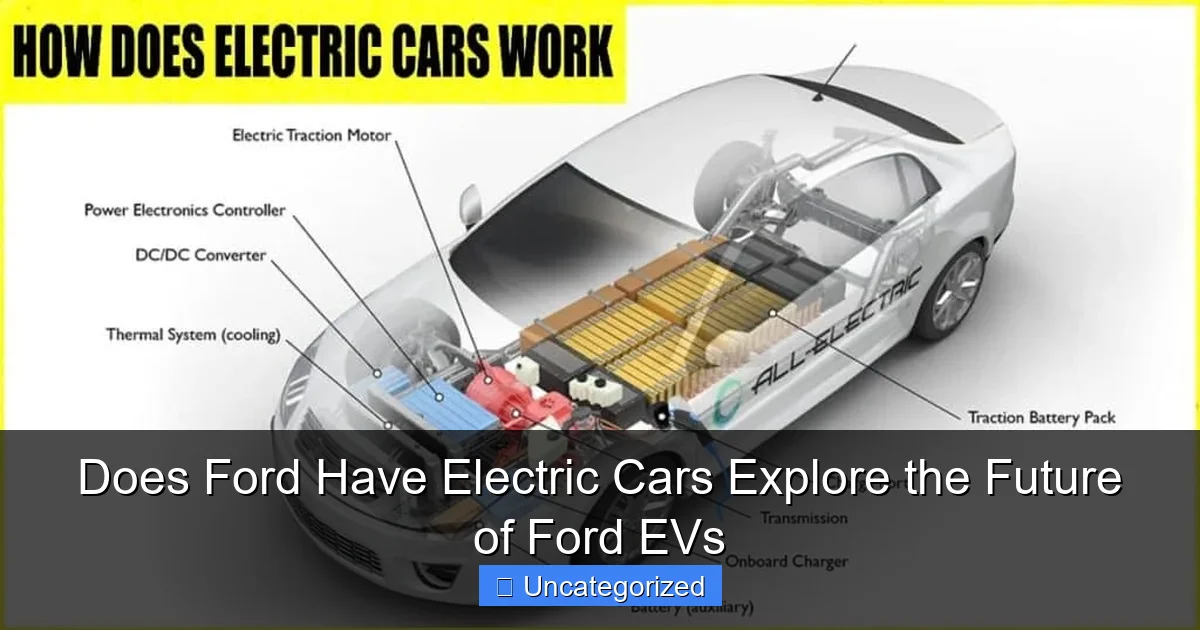
Visual guide about does ford have electric cars
Image source: engineeringlearn.com
Mustang Mach-E: The Electric Pony Car
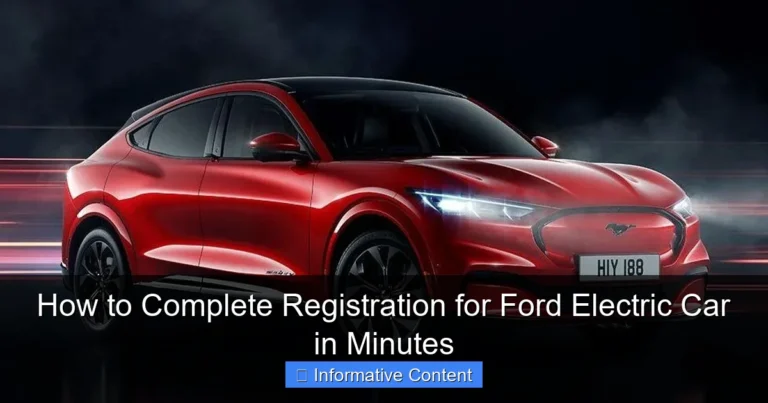
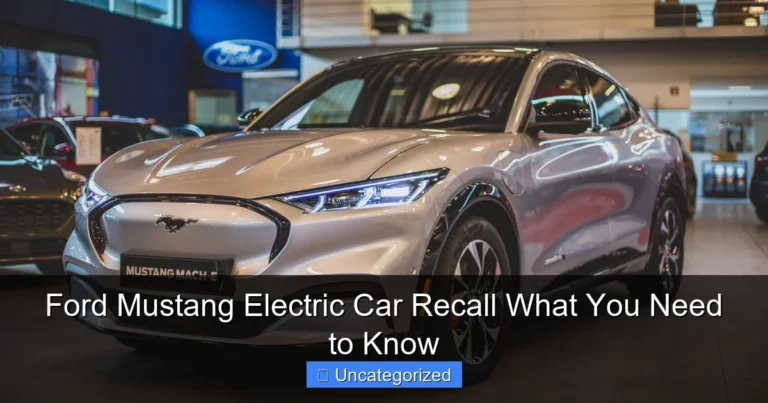
The Mustang Mach-E is Ford’s first all-electric SUV, and it’s a bold reimagining of the legendary Mustang nameplate. Unlike traditional muscle cars, the Mach-E combines sporty styling with SUV practicality, offering up to 314 miles of EPA-estimated range on the extended-range RWD model. It features a minimalist interior with a 15.5-inch touchscreen powered by Ford’s SYNC 4A infotainment system, over-the-air updates, and advanced driver-assistance features like Ford Co-Pilot360.
- Performance: The GT Performance Edition delivers 480 horsepower and can sprint from 0–60 mph in just 3.5 seconds.
- Range: Standard range (247 miles), extended range (314 miles), and GT (270 miles).
- Best For: Drivers who want a fun-to-drive SUV with Mustang heritage and modern tech.
Pro Tip: If you live in a region with harsh winters, consider the all-wheel-drive (AWD) version for improved traction and cold-weather performance. The Mach-E also supports DC fast charging, adding up to 61 miles of range in just 10 minutes at compatible stations.
F-150 Lightning: The Electric Workhorse
The F-150 Lightning is a game-changer. As the first fully electric version of America’s best-selling vehicle, it combines the durability and utility of the F-150 with zero-emission power. With a starting price under $50,000 (before incentives), it’s accessible to both personal and commercial buyers.
- Power: Up to 580 horsepower and 775 lb-ft of torque (on Platinum trim).
- Range: 240 miles (Standard Range), 320 miles (Extended Range).
- Unique Feature: The Mega Power Frunk (front trunk) offers 14.1 cu. ft. of lockable, weatherproof storage—perfect for tools, groceries, or camping gear.
<
The Lightning also features Pro Power Onboard, a built-in generator that can power tools, appliances, or even your home during outages (with the optional Home Integration System). This makes it ideal for contractors, farmers, and emergency preparedness.
E-Transit: Electrifying Commercial Fleets
For businesses looking to reduce emissions and operating costs, the E-Transit van is a smart choice. Available in multiple configurations (cargo, cutaway, and passenger), it offers a 126-mile range—more than enough for most urban delivery routes.
- Cargo Capacity: Up to 487.3 cu. ft. (high roof, extended length).
- Charging: 150 kW DC fast charging can add 45 miles in 10 minutes.
- Benefits: Lower maintenance costs, reduced noise pollution, and eligibility for federal and state incentives.
Ford has already secured major orders from companies like Amazon, Walmart, and USPS, signaling strong confidence in the E-Transit’s capabilities.
Ford’s Electrification Strategy: Beyond Just Cars
Ford’s EV ambitions go far beyond launching a few new models. The company has developed a comprehensive electrification strategy that includes manufacturing, battery technology, software, and customer experience.
Investment in Battery and Manufacturing
Ford is investing heavily in domestic battery production and EV assembly. The BlueOval City in Tennessee and the BlueOval SK Battery Park in Kentucky are central to this strategy. These facilities will produce next-generation lithium iron phosphate (LFP) batteries and assemble electric F-Series trucks and SUVs.
- BlueOval City: A $5.6 billion mega-campus with a 3,600-acre footprint, set to open in 2025.
- LFP Batteries: More durable, less prone to overheating, and cheaper to produce than traditional nickel-cobalt-aluminum (NCA) batteries.
By 2026, Ford aims to produce 2 million EVs annually—up from around 100,000 in 2023. This scale will help reduce costs and improve supply chain resilience.
Software and Connectivity: The Ford Digital Experience
Modern EVs are as much about software as they are about hardware. Ford’s SYNC 4A system integrates navigation, voice commands, over-the-air (OTA) updates, and smartphone connectivity (Apple CarPlay, Android Auto). The FordPass app allows remote start, climate control, charging status monitoring, and even vehicle location tracking.
Ford is also developing BlueCruise, its hands-free highway driving assistance system (available on Mach-E and F-150 Lightning). With Level 2+ autonomy, BlueCruise allows drivers to take their hands off the wheel on over 130,000 miles of pre-mapped highways in North America.
Tip: To get the most out of BlueCruise, ensure your vehicle is updated regularly via OTA. Ford releases new features and improvements quarterly.
Customer-Centric EV Ownership
Ford understands that buying an EV isn’t just about the vehicle—it’s about the entire ownership experience. The Ford Power Promise program addresses common EV concerns:
- Free home charging installation (up to $750 value).
- 24/7 roadside assistance with EV-specific support.
- 8-year/100,000-mile battery warranty.
- Access to the BlueOval Charge Network (more on this below).
This holistic approach helps ease the transition from gas to electric, especially for first-time EV buyers.
Charging Infrastructure: How Ford Supports EV Drivers
One of the biggest hurdles to EV adoption is charging anxiety. Ford is tackling this head-on with a multi-layered charging strategy.
BlueOval Charge Network: Access to 10,000+ Fast Chargers
Ford has partnered with Electrify America, EVgo, ChargePoint, and other providers to create the BlueOval Charge Network. Ford EV owners get:
- Access to over 10,000 DC fast chargers across the U.S. and Canada.
- Two years of free charging on the Electrify America network (for Mach-E and Lightning buyers).
- Integrated navigation that plans routes with charging stops.
The FordPass app shows real-time charger availability, pricing, and compatibility—making road trips stress-free.
Home Charging Made Easy
For daily use, Ford recommends installing a Level 2 (240V) home charger. The Ford Connected Charge Station is a smart charger that:
- Delivers up to 48 amps (11.5 kW), adding ~28 miles of range per hour.
- Integrates with solar panels and home energy systems.
- Offers scheduling and usage tracking via the FordPass app.
Practical Tip: If you rent or live in an apartment, check if your building has EV charging stations. Many cities now offer incentives for multi-unit dwellings to install chargers.
On-the-Go Charging: Public and Workplace Options
Ford is expanding workplace charging through partnerships with businesses and municipalities. The Ford Charge Station for commercial use is being installed at offices, hotels, and retail centers. Additionally, Ford’s Charging as a Service (CaaS) helps fleets manage charging logistics, including load balancing and billing.
Future Ford EVs: What’s Coming in 2025 and Beyond
Ford’s EV roadmap is ambitious. By 2030, the company plans for 50% of global sales to be electric. Here’s what’s on the horizon.
Next-Gen Electric SUVs and Crossovers
Ford is developing a new EV platform called GE2, which will underpin a range of affordable, long-range vehicles. Expected models include:
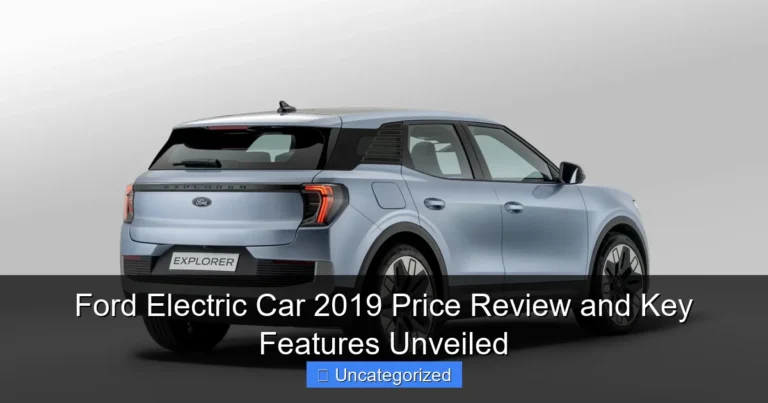
- Electric Explorer: A compact SUV aimed at urban families, with a target range of 300+ miles.
- Electric Expedition: A full-size SUV with towing capabilities and off-road features.
These models will use LFP batteries and advanced aerodynamics to maximize efficiency.
Affordable EVs: The $25,000 Compact SUV
Ford has confirmed plans for a sub-$25,000 electric compact SUV—one of the most affordable EVs in the U.S. market. Expected to launch by 2026, it will target young buyers and first-time EV owners. While details are scarce, it’s likely to feature a 200–250 mile range and basic but reliable tech.
Electric Performance Vehicles
The Mustang Mach-E GT and F-150 Lightning are just the beginning. Ford is working on an electric Shelby GT500 and a high-performance Lightning SuperTruck for off-road racing. These vehicles will showcase Ford’s ability to blend performance with sustainability.
Insider Insight: Ford’s performance division, Ford Performance, is investing in electric powertrain development, including dual- and tri-motor configurations and advanced thermal management systems.
Ford’s Sustainability and Environmental Impact
Ford’s EV push is part of a broader sustainability strategy. The company has committed to:
- Carbon Neutrality by 2050: Including supply chain, manufacturing, and vehicle use.
- 100% Renewable Energy in Global Operations by 2035: All Ford factories will run on solar, wind, and hydropower.
- Zero Waste to Landfill: Over 70% of Ford plants already achieve this.
Recycling and Battery Second Life
Ford is pioneering battery recycling through its Redwood Materials partnership. Used EV batteries are repurposed for:
- Energy storage systems (e.g., solar farms).
- Grid stabilization projects.
- Material recovery (cobalt, lithium, nickel).
By 2030, Ford aims to recycle 95% of battery materials—reducing reliance on mining and lowering environmental impact.
Community and Policy Engagement
Ford actively supports policies that promote EV adoption, such as tax credits, charging infrastructure funding, and renewable energy incentives. The company also partners with nonprofits to expand EV access in underserved communities.
Comparative Data: Ford EVs vs. Competitors
To help you make an informed decision, here’s a comparison of Ford’s key EVs with similar models from Tesla, Chevrolet, and Hyundai.
| Model | Starting Price | EPA Range | 0-60 mph | Charging Speed (DC) | Unique Feature |
|---|---|---|---|---|---|
| Ford Mustang Mach-E | $42,995 | 247–314 mi | 3.5–6.1 sec | 150 kW (10 min = 61 mi) | SYNC 4A, BlueCruise |
| Ford F-150 Lightning | $49,995 | 240–320 mi | 4.0–4.5 sec | 150 kW (10 min = 54 mi) | Pro Power Onboard, Mega Frunk |
| Ford E-Transit | $47,100 | 126 mi | 6.0 sec | 150 kW (10 min = 45 mi) | Fleet telematics, cargo flexibility |
| Tesla Model Y | $43,990 | 330 mi | 4.8 sec | 250 kW (15 min = 200 mi) | Supercharger network, Full Self-Driving |
| Chevrolet Blazer EV | $48,800 | 279–320 mi | 5.8 sec | 190 kW (10 min = 78 mi) | Regen on Demand, Super Cruise |
| Hyundai Ioniq 5 | $41,650 | 303 mi | 5.0 sec | 350 kW (18 min = 80% charge) | Vehicle-to-Load (V2L), 800V architecture |
This table highlights Ford’s competitive pricing, strong range, and unique features like Pro Power Onboard and BlueCruise. While Tesla leads in charging speed, Ford offers better value for money, especially with federal tax credits (up to $7,500).
Conclusion: Ford Is Electrifying the Future
So, does Ford have electric cars? Absolutely—and they’re not just keeping up with the competition; they’re setting new benchmarks. From the sporty Mustang Mach-E to the work-ready F-150 Lightning and the fleet-focused E-Transit, Ford’s EV lineup is diverse, innovative, and customer-centric.
With massive investments in manufacturing, battery technology, and charging infrastructure, Ford is building a sustainable ecosystem that supports long-term EV adoption. The company’s focus on affordability, performance, and real-world usability sets it apart in a market dominated by tech-first brands.
Whether you’re a daily commuter, a contractor, or an eco-conscious family, Ford has an electric vehicle that fits your needs. And with exciting models on the horizon—like the $25,000 compact SUV and next-gen performance EVs—the future of Ford EVs looks brighter than ever. As Ford continues to innovate and expand its zero-emission fleet, one thing is clear: the Blue Oval is not just part of the electric revolution—it’s leading it.
Frequently Asked Questions
Does Ford have electric cars in its current lineup?
Yes, Ford offers several electric vehicles (EVs), including the Mustang Mach-E SUV, the F-150 Lightning pickup truck, and the E-Transit van. These models highlight Ford’s commitment to expanding its EV portfolio.
What is the range of Ford’s electric cars?
Ford’s electric cars offer competitive ranges: the Mustang Mach-E gets up to 314 miles, the F-150 Lightning up to 320 miles, and the E-Transit up to 159 miles on a full charge, depending on the configuration.
Are Ford electric vehicles eligible for federal tax credits?
Some Ford EVs, like the F-150 Lightning and Mustang Mach-E, may qualify for federal tax credits under the Inflation Reduction Act, subject to income and vehicle criteria. Check the latest IRS guidelines for details.
Does Ford plan to release more electric cars in the future?
Absolutely. Ford aims to electrify its lineup aggressively, with plans to invest billions in EV development. Upcoming models include next-gen electric pickups and SUVs under its “Ford+” strategy.
Can Ford electric cars use Tesla Superchargers?
Yes, Ford EV owners will gain access to Tesla Superchargers starting in 2024 via an adapter, with future models expected to include native NACS ports. This expands charging options significantly.
How does the F-150 Lightning compare to gas-powered F-150s?
The F-150 Lightning offers instant torque, lower maintenance, and lower fuel costs than gas models, while matching towing/payload capabilities. It also features innovative tech like bidirectional charging for powering homes.