Does Ford Make an All Electric Car Explore the Future of EVs
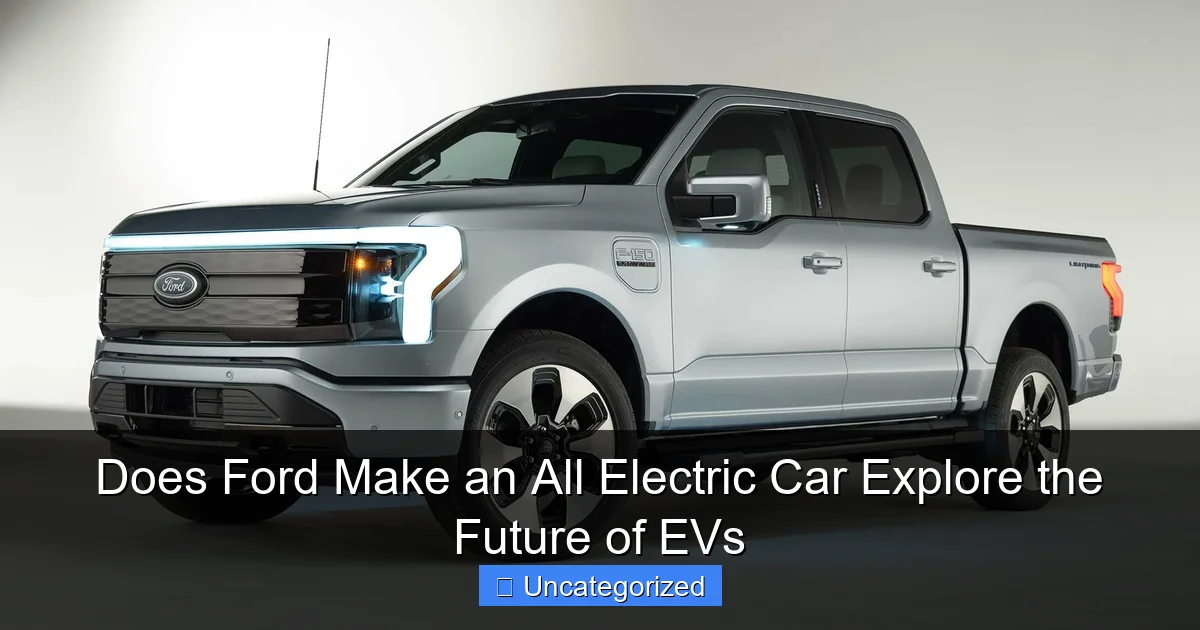
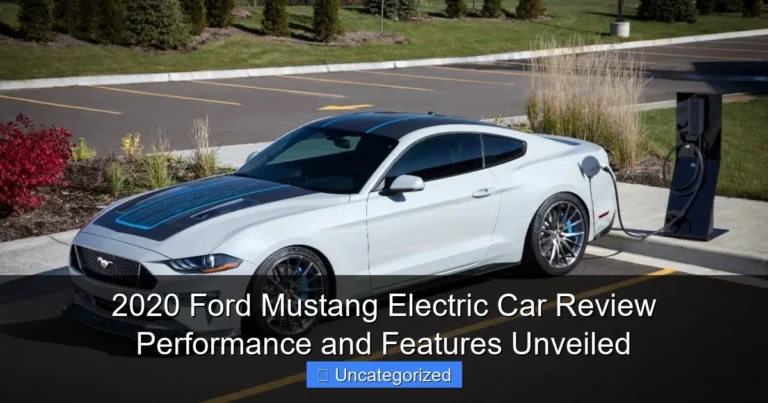
Featured image for does ford make an all electric car
Image source: motortrend.com
Yes, Ford makes all-electric cars, including the popular Mustang Mach-E, F-150 Lightning, and E-Transit van, marking its bold entry into the EV market. With cutting-edge technology, competitive pricing, and strong range options, Ford is accelerating toward an electric future—proving it’s not just keeping up, but leading the charge in the EV revolution.
Key Takeaways
- Ford offers multiple all-electric models like the Mustang Mach-E and F-150 Lightning.
- Switching to EVs reduces emissions and long-term fuel costs significantly.
- Ford plans 50% EV sales by 2030, signaling strong future commitment.
- Charging infrastructure is expanding fast with Ford’s BlueOval network support.
- EVs qualify for tax incentives—check eligibility to save on purchase.
- Test drive an electric Ford today to experience performance and tech firsthand.
📑 Table of Contents
- The Rise of Electric Vehicles and Ford’s Bold Leap Forward
- Ford’s Electric Vehicle Lineup: Models You Can Drive Today
- Ford’s Investment in EV Technology and Infrastructure
- Upcoming Ford Electric Vehicles: What’s on the Horizon?
- How Ford Compares to Competitors in the EV Space
- The Future of Ford EVs: Sustainability, Innovation, and Market Leadership
The Rise of Electric Vehicles and Ford’s Bold Leap Forward
The automotive world is undergoing a seismic shift. As climate concerns grow and governments worldwide push for stricter emissions regulations, the electric vehicle (EV) market is no longer a niche segment — it’s becoming the new standard. From startups like Tesla to legacy giants like BMW and Volkswagen, automakers are racing to electrify their lineups. But what about Ford? For over a century, Ford has been synonymous with American innovation, from the Model T to the F-Series trucks that dominate roads today. With the EV revolution in full swing, many consumers are asking: Does Ford make an all-electric car?
The answer is a resounding yes. Ford isn’t just dipping its toes into the EV pool — it’s diving in headfirst. With billions invested in battery technology, manufacturing, and charging infrastructure, Ford is positioning itself as a major player in the future of mobility. Whether you’re a longtime Ford loyalist or an EV enthusiast exploring new options, understanding Ford’s electric lineup is essential. This guide will explore Ford’s current and upcoming all-electric vehicles, the technology behind them, their market impact, and what the future holds. Buckle up — the future of Ford EVs is here, and it’s electrifying.
Ford’s Electric Vehicle Lineup: Models You Can Drive Today
Ford’s entry into the all-electric vehicle market is both strategic and ambitious. Rather than starting from scratch, Ford has leveraged its most iconic nameplates — the Mustang and the F-150 — to launch its EV revolution. This approach has paid off, blending performance, utility, and innovation in ways that resonate with a broad audience. Let’s dive into the key models that define Ford’s current EV portfolio.
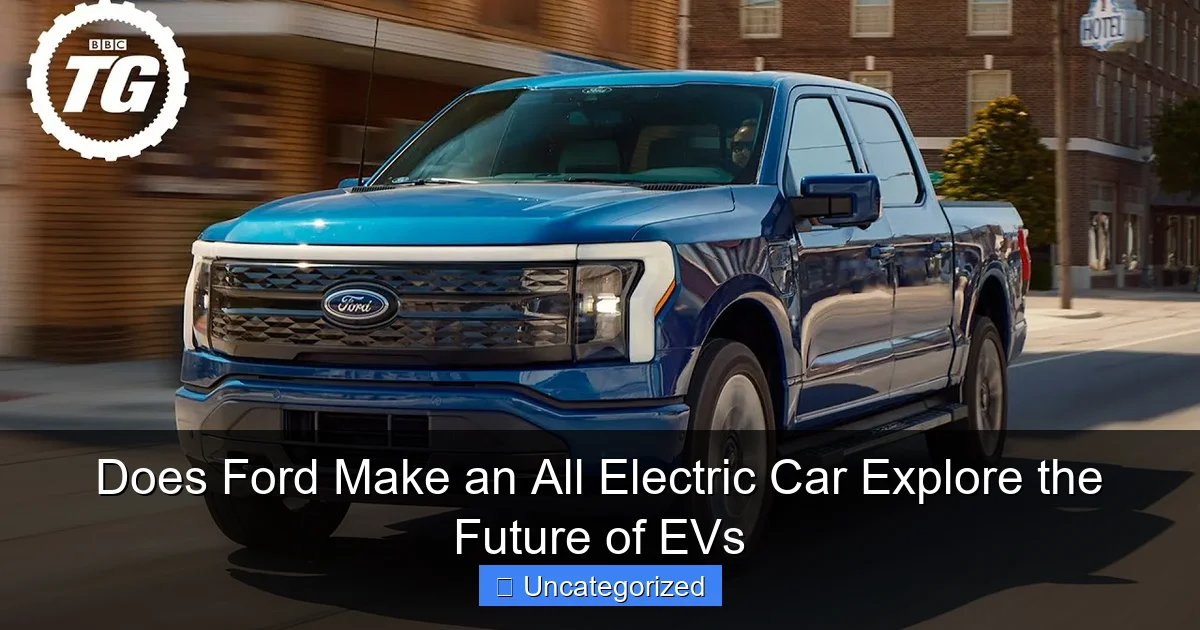
Visual guide about does ford make an all electric car
Image source: i.ytimg.com
1. Ford Mustang Mach-E: The Electric Pony Car
The Ford Mustang Mach-E made headlines when it was first unveiled in 2019. As the first electric Mustang, it sparked controversy among purists but won over critics with its performance and practicality. Available in multiple trims — Select, Premium, California Route 1, and GT — the Mach-E offers a range of options to suit different needs and budgets.
- Range: Up to 314 miles (EPA-estimated) on the extended-range RWD model.
- Performance: The Mach-E GT hits 0-60 mph in 3.5 seconds, rivaling high-end sports cars.
- Technology: Features Ford’s SYNC® 4A infotainment system with a 15.5-inch vertical touchscreen, over-the-air (OTA) updates, and advanced driver-assist features like BlueCruise hands-free driving.
Pro Tip: If you’re considering the Mach-E, opt for the extended-range battery and rear-wheel drive for maximum efficiency. The AWD models offer better traction but reduce range slightly.
2. Ford F-150 Lightning: The Electric Workhorse
The Ford F-150 Lightning is perhaps Ford’s most ambitious EV to date. As the electric version of America’s best-selling vehicle, the F-150 Lightning combines rugged capability with cutting-edge technology. It’s not just a pickup — it’s a mobile power station.
- Range: Up to 320 miles (EPA-estimated) with the extended-range battery.
- Payload & Towing: Up to 2,000 lbs payload and 10,000 lbs towing capacity (with proper configuration).
- Pro Power Onboard: Delivers up to 9.6 kW of exportable power — enough to run a job site, home during an outage, or even a tailgate party.
Real-World Example: During Hurricane Ian in 2022, F-150 Lightning owners in Florida used their trucks to power homes for days, showcasing the vehicle’s utility beyond transportation.
3. E-Transit: Electrifying the Commercial Fleet
For businesses, Ford offers the E-Transit, an all-electric version of its popular Transit van. Designed for last-mile delivery, tradespeople, and fleet operators, the E-Transit delivers cost savings and environmental benefits.
- Range: 126 miles (EPA-estimated) — ideal for urban delivery routes.
- Cargo Capacity: Up to 487.3 cubic feet, with multiple roof heights and body lengths.
- Charging: Supports Level 2 AC charging (up to 11.5 kW) and DC fast charging (up to 115 kW), enabling quick turnarounds.
Tip for Fleets: Pair E-Transit vans with Ford’s fleet management tools and charging solutions for optimal route planning and energy efficiency.
Ford’s Investment in EV Technology and Infrastructure
Building great electric cars is only half the battle. To succeed in the EV market, Ford is investing heavily in the ecosystem that supports them — batteries, charging networks, and manufacturing. These investments are critical to Ford’s long-term strategy and its ability to scale EV production.
Battery Innovation: BlueOval SK Joint Venture
In 2021, Ford announced a joint venture with SK On, a South Korean battery manufacturer, called BlueOval SK. This partnership is building three battery plants in the U.S. (two in Kentucky, one in Tennessee) with a combined capacity of 129 gigawatt-hours (GWh) by 2025. That’s enough to power over 1 million EVs annually.
- Cell Chemistry: Focus on nickel-manganese-cobalt (NMC) and lithium iron phosphate (LFP) chemistries. LFP batteries, which Ford is adopting in select models, offer longer lifespan, lower cost, and improved safety.
- Recycling: Ford is also investing in battery recycling through Redwood Materials to create a closed-loop supply chain.
Why It Matters: Domestic battery production reduces reliance on overseas suppliers, lowers costs, and ensures supply chain resilience amid global disruptions.
Charging Network: Ford Pro Intelligence and BlueOval Charge Network
Ford is tackling one of the biggest barriers to EV adoption: charging anxiety. Through its BlueOval Charge Network, Ford provides access to over 84,000 charging plugs across North America — including Level 2 and DC fast chargers from partners like Electrify America, EVgo, and ChargePoint.
- FordPass App: Users can locate chargers, start/stop charging, and pay directly through the app.
- Ford Pro Intelligence: A suite of software tools for commercial fleets, offering route optimization, charging scheduling, and energy management.
- Home Charging: Ford offers a Level 2 charger (Ford Connected Charge Station) that installs in homes and integrates with the vehicle for smart charging.
Tip for New EV Owners: Schedule charging during off-peak hours (e.g., late at night) to save on electricity costs and reduce strain on the grid.
Manufacturing Transformation: The Rouge Electric Vehicle Center
Ford’s historic Rouge Electric Vehicle Center in Dearborn, Michigan, is the birthplace of the F-150 Lightning. This facility is a model of modern EV manufacturing, featuring:
- Robotic automation and AI-driven quality control.
- On-site solar panels and rainwater harvesting systems.
- Modular assembly lines for rapid production scaling.
By retooling existing plants rather than building from scratch, Ford is reducing capital costs and accelerating time-to-market.
Upcoming Ford Electric Vehicles: What’s on the Horizon?
Ford isn’t stopping with the Mach-E, F-150 Lightning, and E-Transit. The company has an aggressive roadmap for new EVs, including SUVs, crossovers, and performance models. Here’s what to expect in the coming years.
1. Ford Explorer Electric (2025)
Set to debut in 2025, the all-electric Explorer will be built on Ford’s new Global Electric Vehicle Platform. This scalable architecture will underpin multiple future models, offering:
- Range of 300+ miles.
- Advanced driver-assistance systems (ADAS) with Level 2+ autonomy.
- Third-row seating and family-friendly features.
Built in Cuautitlán, Mexico, this SUV will compete directly with the Tesla Model Y and Hyundai Ioniq 5.
2. Lincoln EVs: The Luxury Electric Future
Ford’s luxury brand, Lincoln, is also going electric. The Lincoln Star concept, unveiled in 2022, previews a new generation of electric SUVs. Features include:
- Reimagined interior with ambient lighting, premium materials, and wellness-focused tech.
- Advanced air purification and noise cancellation.
- Expected range of 350+ miles.
Production models are expected by 2026, with a focus on quiet, comfortable, and connected luxury.
3. Performance EVs: The Mach-E GT Performance and Beyond
Ford Performance is developing high-output electric variants. The upcoming Mach-E GT Performance (already in limited release) delivers 480 horsepower and a 0-60 mph time under 3.5 seconds. Future models may include:
- An electric Mustang coupe (rumored for 2028).
- Electric versions of the Bronco and Ranger.
These models will leverage Ford’s expertise in performance tuning and battery management.
How Ford Compares to Competitors in the EV Space
Ford isn’t the only automaker racing toward an electric future. To understand Ford’s position, it’s essential to compare its strategy and offerings with key competitors like Tesla, GM, and Rivian.
1. Tesla: The EV Pioneer
Tesla dominates the EV market with models like the Model 3, Model Y, and Cybertruck. While Tesla leads in software, battery tech, and charging infrastructure (Supercharger network), Ford has advantages:
- Brand Trust: Ford’s century-long reputation for durability and customer service.
- Truck Expertise: The F-150 Lightning outperforms the Cybertruck in towing, payload, and availability.
- Price: F-150 Lightning starts at $49,995 (before incentives), while the Cybertruck starts at $60,990.
However, Tesla still leads in range and charging speed.
2. General Motors (GM): The Ultium Platform
GM’s Ultium platform powers EVs like the Chevrolet Bolt, Cadillac Lyriq, and GMC Hummer EV. Like Ford’s Global EV Platform, Ultium is modular and scalable. Key differences:
- Battery Tech: GM uses pouch cells; Ford uses prismatic cells (potentially safer).
- Charging: GM partners with EVgo and Pilot Flying J; Ford has broader network access.
- Production: GM plans 1 million EVs by 2025; Ford aims for 2 million by 2026.
Both companies are investing heavily, but Ford has a stronger foothold in the pickup and commercial segments.
3. Rivian: The Startup Challenger
Rivian’s R1T and R1S are praised for off-road capability and design. However, Ford owns a 12% stake in Rivian and benefits from its technology. Ford’s advantage:
- Scale: Ford’s manufacturing expertise and dealer network.
- Cost Control: Ford’s use of existing platforms reduces development costs.
Rivian faces production challenges, while Ford is ramping up output rapidly.
Data Table: Ford vs. Key Competitors (2024)
| Brand | Flagship EV | Max Range (miles) | Starting Price | Charging Network Access | Production Goal (2026) |
|---|---|---|---|---|---|
| Ford | F-150 Lightning | 320 | $49,995 | 84,000+ plugs | 2 million |
| Tesla | Model Y | 330 | $43,990 | 50,000+ Superchargers | 20 million (long-term) |
| GM | Cadillac Lyriq | 312 | $58,590 | 134,000+ plugs | 1 million |
| Rivian | R1T | 328 | $73,000 | 600+ Rivian Adventure Network | 150,000 (2025) |
The Future of Ford EVs: Sustainability, Innovation, and Market Leadership
Ford’s EV journey is about more than just selling cars — it’s about transforming the entire transportation ecosystem. With a clear vision, massive investments, and a customer-first approach, Ford is poised to lead the next era of mobility.
Sustainability Goals: Carbon Neutral by 2050
Ford has committed to carbon neutrality across its global operations by 2050, with interim targets for 2035. Key initiatives include:
- Transitioning to 100% renewable energy in manufacturing by 2035.
- Reducing water usage and waste in production.
- Expanding circular economy practices (e.g., battery recycling, remanufacturing).
This commitment extends beyond vehicles to the entire supply chain.
Innovation: AI, Connectivity, and Autonomy
Ford is integrating AI and connectivity into its EVs. The SYNC® 4A system uses machine learning to personalize user experiences. Upcoming features include:
- Predictive maintenance alerts.
- Voice-activated smart home integration.
- Advanced BlueCruise updates for hands-free driving on more highways.
Ford is also exploring vehicle-to-grid (V2G) technology, allowing EVs to feed power back into the grid during peak demand.
Market Leadership: Expanding Globally
While Ford’s EV focus is on North America, it’s also expanding in Europe and China. The Ford Explorer Electric will be sold globally, and Ford is partnering with local manufacturers to meet regional demand. In Europe, the E-Transit is already the best-selling electric van.
Customer-Centric Approach: Education and Support
Ford understands that EV adoption requires more than just vehicles. The company offers:
- EV 101 Webinars: Free online sessions to educate consumers.
- Home Charger Installation Assistance: Partnering with Qmerit for seamless setup.
- Trade-In Programs: Incentives for gas vehicle owners to switch to EVs.
This holistic approach builds trust and reduces barriers to entry.
Ford’s answer to the question “Does Ford make an all-electric car?” is not just yes — it’s a resounding yes, and here’s how we’re leading the charge. From the thrilling Mustang Mach-E to the groundbreaking F-150 Lightning, Ford is proving that electric vehicles can be powerful, practical, and desirable. With a robust technology roadmap, massive investments in infrastructure, and a commitment to sustainability, Ford is not just keeping up with the EV revolution — it’s helping to define it. As the world transitions to cleaner, smarter transportation, Ford is positioned to remain a dominant force on the road ahead. The future of EVs is electric, and Ford is driving it forward.
Frequently Asked Questions
Does Ford make an all electric car for the mass market?
Yes, Ford offers several all-electric vehicles (EVs) for the mass market, including the Ford Mustang Mach-E and the Ford F-150 Lightning. These models combine performance, practicality, and advanced EV technology to meet growing consumer demand.
What are Ford’s most popular all-electric car models?
Ford’s top all-electric cars include the sporty Mustang Mach-E SUV and the rugged F-150 Lightning pickup. Both models feature long-range options, fast charging, and smart tech integrations like Ford’s SYNC infotainment system.
How far can Ford’s all-electric car models travel on a single charge?
Depending on the model and configuration, Ford’s EVs offer ranges from 247 miles (Mustang Mach-E Select) up to 320 miles (F-150 Lightning Extended Range). Real-world range may vary based on driving habits and conditions.
Does Ford make an all electric car with towing capability?
Yes, the Ford F-150 Lightning is a fully electric pickup with impressive towing capacity—up to 10,000 pounds when properly equipped. It also features Pro Power Onboard for worksite electricity needs.
Are Ford’s all-electric cars eligible for federal tax credits?
Many Ford all-electric car models, including the Mustang Mach-E and F-150 Lightning, may qualify for federal EV tax credits under the Inflation Reduction Act. Eligibility depends on battery sourcing and vehicle price limits.
Where can I charge a Ford all-electric car?
Ford EVs are compatible with the BlueOval™ Charge Network, giving drivers access to over 84,000 chargers across North America. You can also charge at home using a Level 2 charger or standard outlet.