Does Ford Sell Electric Cars Explore the EV Lineup
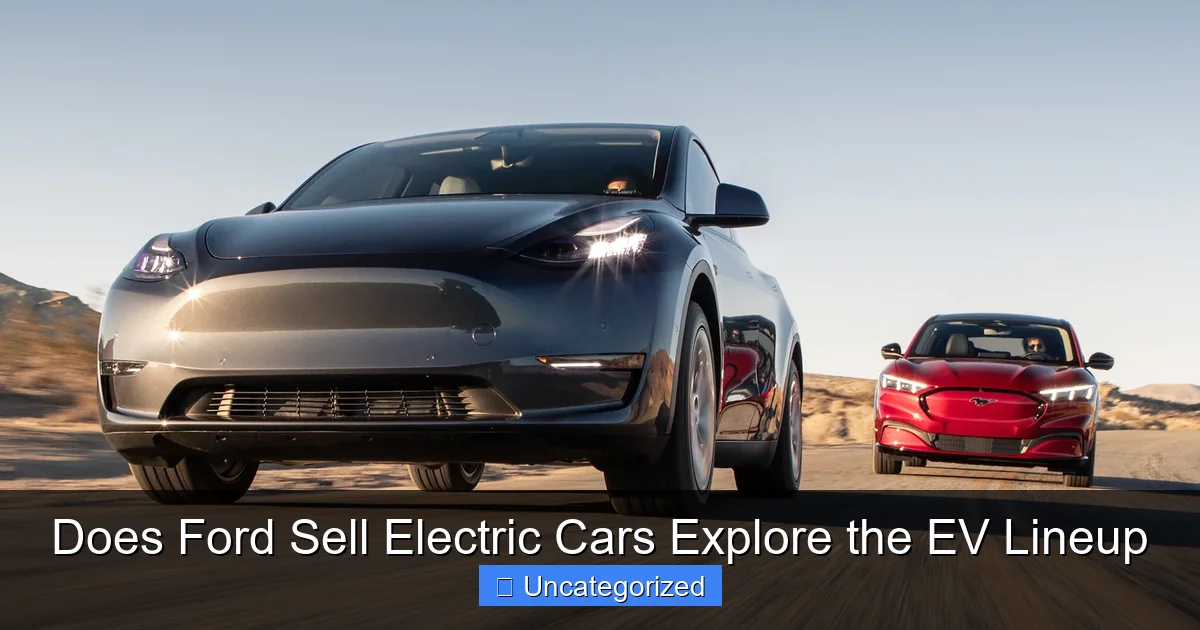
Featured image for does ford sell electric cars
Image source: invoice-pricing.com
Yes, Ford sells electric cars and has made a major push into the EV market with a growing lineup of innovative, all-electric vehicles. Models like the Mustang Mach-E, F-150 Lightning, and E-Transit prove Ford’s commitment to electrification, offering powerful performance, cutting-edge tech, and practical range for every driver.
Key Takeaways
- Ford offers multiple EVs: Explore the Mustang Mach-E, F-150 Lightning, and E-Transit for diverse needs.
- Expanding charging network: Access 10,000+ fast chargers via FordPass for hassle-free long-distance travel.
- Affordable options available: The E-Transit starts under $50K, ideal for commercial fleets.
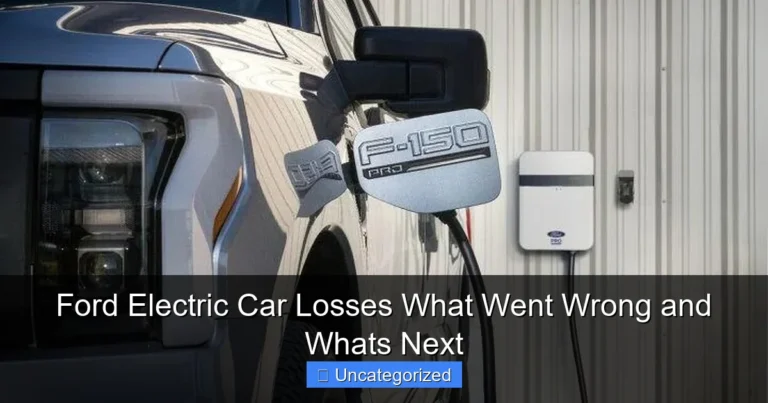
- Home charging solutions: Use Ford’s Charge Station Pro for convenient overnight EV charging.
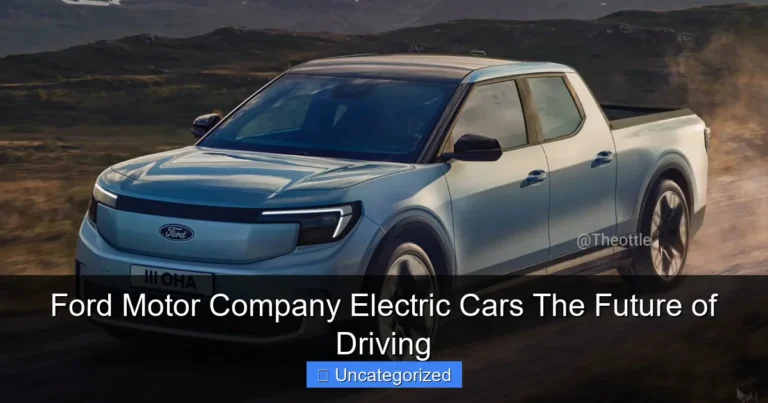
- Future models coming: Watch for new EVs like the Puma Gen-E and next-gen pickups.
📑 Table of Contents
- The Electric Revolution: Ford’s Bold Step into the Future
- Ford’s Commitment to Electrification: More Than Just a Trend
- Ford’s Current Electric Vehicle Lineup: What’s Available Now
- What’s Coming Next: Ford’s Future Electric Vehicles
- Charging and Ownership: What You Need to Know
- Comparing Ford’s EVs to Competitors: How Does Ford Stack Up?
- Why Ford’s EVs Are Worth Your Consideration
The Electric Revolution: Ford’s Bold Step into the Future
In an era where sustainability and innovation are reshaping the automotive industry, one question looms large for eco-conscious drivers and tech enthusiasts alike: Does Ford sell electric cars? The answer is a resounding yes. Ford, a brand with over a century of legacy in the auto world, is not just dabbling in electric vehicles (EVs)—it’s charging full-speed ahead into the electrified future. With a lineup that blends cutting-edge technology, rugged capability, and iconic design, Ford is redefining what it means to be an American automaker in the 21st century.
The shift toward electrification is no longer a niche trend; it’s a global movement. Governments, consumers, and automakers are all aligning behind the promise of zero-emission transportation. Ford, recognizing this paradigm shift, has committed billions to EV development, aiming to electrify its most popular models and introduce groundbreaking new vehicles. Whether you’re a city commuter, an adventure seeker, or a fleet manager, Ford’s electric lineup has something for everyone. Let’s dive into the details of Ford’s EV strategy, explore its current offerings, and uncover why this century-old automaker is now a serious contender in the electric vehicle race.
Ford’s Commitment to Electrification: More Than Just a Trend
Ford’s journey into the electric vehicle market is rooted in a strategic, long-term vision. Unlike some automakers that treat EVs as an afterthought, Ford has positioned electrification as a cornerstone of its future. The company’s “Ford+” plan, announced in 2021, outlines a $50 billion investment in EVs and battery technology through 2026, with a goal of producing 2 million electric vehicles annually by 2026. This isn’t just about compliance with emissions regulations—it’s about leading the charge (pun intended) in the EV revolution.
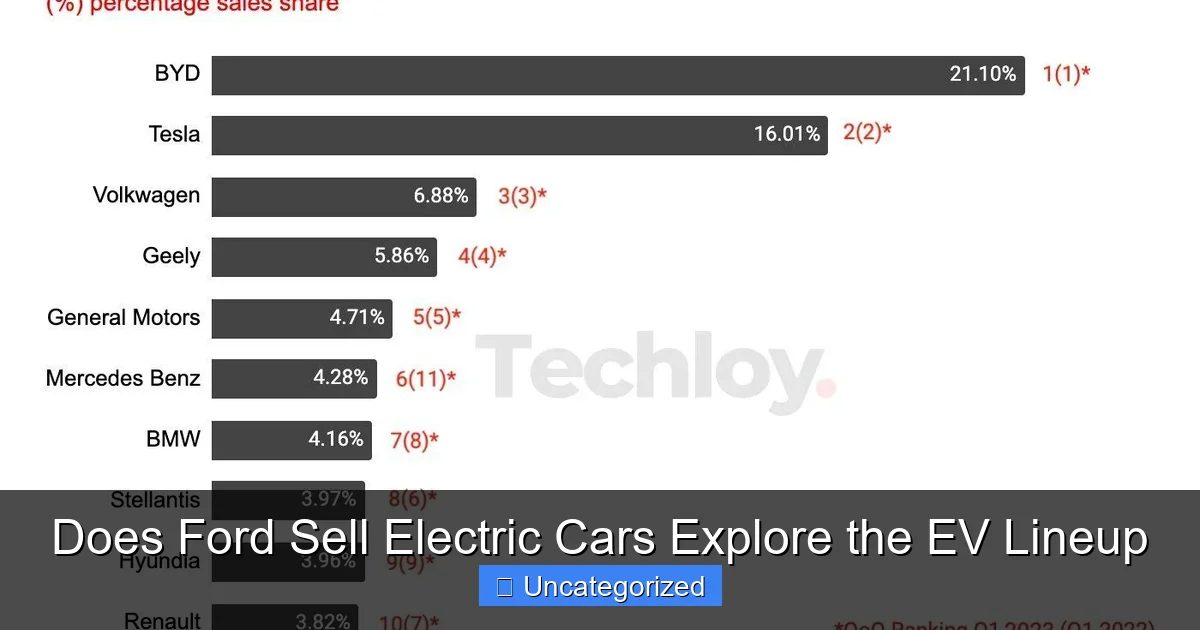
Visual guide about does ford sell electric cars
Image source: techloy.com
Investments in Battery and Manufacturing Infrastructure
To support its EV ambitions, Ford has made significant investments in battery production and manufacturing. The BlueOval City facility in Tennessee, set to open in 2025, will be a hub for EV production, including the next-generation F-Series electric pickup. Additionally, Ford has partnered with SK On to build three battery plants in Kentucky and Tennessee, ensuring a stable supply of lithium-ion batteries. These investments underscore Ford’s commitment to not just selling EVs but also controlling the entire ecosystem—from raw materials to finished vehicles.
Electrifying Iconic Models
One of Ford’s key strategies is electrifying its most iconic models. The F-150 Lightning, for example, is the electric version of America’s best-selling vehicle for over 40 years. By transforming its most beloved trucks and SUVs into EVs, Ford is making electrification accessible to a broad audience. This approach also helps bridge the gap between traditional truck buyers and EV adopters, offering the same utility and performance with zero tailpipe emissions.
Global and Domestic Impact
Ford’s EV push isn’t limited to the U.S. The company is expanding its electric lineup globally, with the Mustang Mach-E and E-Transit now available in Europe, China, and other key markets. Domestically, Ford is also working with utilities and charging networks to ensure EV owners have the infrastructure they need. For example, the FordPass Charging Network provides access to over 19,500 charging stations across North America, making long-distance travel easier than ever.
Ford’s Current Electric Vehicle Lineup: What’s Available Now
So, what electric cars does Ford sell today? The automaker’s current EV lineup is surprisingly diverse, catering to a wide range of needs and budgets. From compact SUVs to full-size trucks and commercial vans, Ford’s electric offerings are designed to meet the demands of modern drivers.
1. Ford Mustang Mach-E: The Electric SUV with Muscle
The Mustang Mach-E is Ford’s flagship electric SUV, blending the performance and style of the Mustang brand with the practicality of an SUV. With up to 314 miles of range (on the Premium Extended Range model), the Mach-E is perfect for daily commutes and road trips alike. It’s available in rear-wheel drive (RWD) and all-wheel drive (AWD) configurations, with the GT Performance Edition delivering 480 horsepower and 634 lb-ft of torque—enough to go from 0 to 60 mph in just 3.5 seconds.
- Key Features: 15.5-inch touchscreen, SYNC 4A infotainment system, hands-free driving (BlueCruise), and a frunk (front trunk) for extra storage.
- Best For: Families, tech enthusiasts, and drivers who want a sporty SUV.
2. Ford F-150 Lightning: The Electric Truck That Works Hard
The F-150 Lightning is a game-changer for the pickup truck segment. With up to 320 miles of range (on the Extended Range model), it’s not just a zero-emission vehicle—it’s a powerhouse. The Lightning can tow up to 10,000 pounds (with the Max Trailer Tow Package) and has a payload capacity of 2,000 pounds. It also features the Pro Power Onboard system, which provides up to 9.6 kW of power, making it a mobile generator for worksites or camping trips.
- Key Features: Mega Power Frunk, SYNC 4 infotainment, BlueCruise, and a 5-year subscription to the FordPass Charging Network.
- Best For: Contractors, adventurers, and anyone who needs a rugged, versatile truck.
3. Ford E-Transit: The Electric Van for Businesses
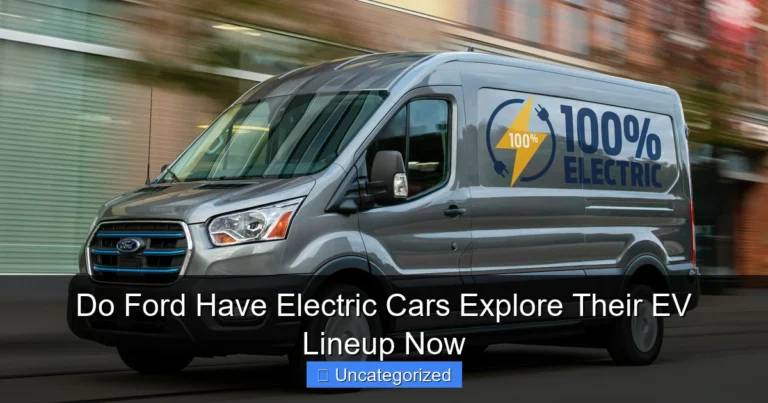
The E-Transit is Ford’s answer to the growing demand for electric commercial vehicles. With a 126-mile range (ideal for urban deliveries), it’s designed to help businesses reduce their carbon footprint without sacrificing utility. The E-Transit comes in multiple configurations—cargo van, cutaway, and chassis cab—making it adaptable to various industries, from logistics to mobile services.
- Key Features: 12-inch touchscreen, Pro Power Onboard, and a low step-in height for easy access.
- Best For: Delivery services, tradespeople, and fleet operators.
4. Ford Escape PHEV: The Plug-In Hybrid for Transitioning Drivers
While not a full EV, the Ford Escape Plug-In Hybrid (PHEV) is a great option for drivers who aren’t ready to go fully electric. With a 37-mile electric-only range, it can handle most daily commutes without using gasoline. When the battery runs out, the gas engine kicks in, eliminating range anxiety.
- Key Features: 2.5L Atkinson-cycle engine, eCVT transmission, and available AWD.
- Best For: Drivers who want a taste of electric driving but still need the flexibility of a gas engine.
What’s Coming Next: Ford’s Future Electric Vehicles
Ford’s current EV lineup is impressive, but the company isn’t stopping there. Several exciting models are in the pipeline, including the highly anticipated next-generation F-150 Lightning and a new electric Explorer SUV. These vehicles are part of Ford’s plan to offer a full portfolio of electric options across all vehicle segments by 2030.
1. Next-Generation F-150 Lightning (2025)
Set to debut in 2025, the next-generation F-150 Lightning will feature significant upgrades in range, performance, and technology. Rumored to offer over 400 miles of range and faster charging capabilities, it will set a new benchmark for electric trucks. Ford is also expected to introduce a “Lightning Raptor” variant, combining off-road capability with electric power.
2. Electric Explorer SUV (2026)
The Electric Explorer will be Ford’s answer to the growing demand for three-row electric SUVs. Based on the same platform as the Mach-E, it’s expected to offer up to 350 miles of range and seating for seven passengers. This vehicle will compete with the Tesla Model X and Rivian R1S in the luxury SUV segment.
3. Electric Super Duty Trucks (2027)
Ford is also working on electrifying its heavy-duty lineup, including the F-250, F-350, and F-450. These trucks will target commercial and industrial users, offering the same towing and payload capabilities as their gas-powered counterparts but with zero emissions.
4. Affordable EV (2026)
Ford has teased an upcoming affordable electric car, priced below $30,000. This vehicle will be crucial for expanding Ford’s EV reach to budget-conscious consumers and compete with models like the Tesla Model 2 (expected in 2025) and Chevrolet Equinox EV.
Charging and Ownership: What You Need to Know
Buying an electric car is only half the equation—charging and ownership play a huge role in the overall experience. Ford has made significant strides in this area, offering solutions that make EV ownership as seamless as possible.
Home Charging Solutions
Ford offers a home charging station through its partnership with ChargePoint. The Ford Connected Charge Station is a Level 2 charger that can add up to 29 miles of range per hour (depending on the vehicle). For F-150 Lightning owners, the truck’s Intelligent Backup Power feature can power your home during outages, acting as a mobile generator.
- Tip: Install your charger in a convenient location, like your garage or driveway, to avoid weather-related issues.
- Cost: The Ford Connected Charge Station costs $799, with installation averaging $1,000–$2,000 (varies by location and electrical work needed).
Public Charging and FordPass
The FordPass Charging Network provides access to over 19,500 public charging stations across North America, including DC fast chargers from Electrify America, EVgo, and ChargePoint. FordPass users can locate stations, check availability, and even pay for charging through the app. The F-150 Lightning and Mach-E also support Plug & Charge, which automatically authenticates and pays for charging without needing a card or app.
- Tip: Use the FordPass app to plan long-distance trips and find charging stations along your route.
- Cost: Public charging costs vary by network and location, but Ford offers free charging for the first year on some models.
Maintenance and Incentives
EVs have fewer moving parts than gas-powered cars, which means lower maintenance costs. Ford’s electric vehicles come with an 8-year/100,000-mile battery warranty (10 years in some states), covering battery degradation and defects. Additionally, buyers may qualify for federal and state incentives, such as the $7,500 federal tax credit (subject to eligibility).
- Tip: Check the IRS website for the latest EV tax credit rules, as eligibility can change.
- Cost: Maintenance costs for EVs are typically 30–50% lower than for gas cars over the vehicle’s lifetime.
Comparing Ford’s EVs to Competitors: How Does Ford Stack Up?
Ford’s electric lineup competes with some of the biggest names in the EV market, including Tesla, Chevrolet, and Rivian. Here’s how Ford’s offerings compare in key areas:
1. Range and Performance
| Model | Max Range (EPA) | 0-60 mph | Competitor (Similar Range) |
|---|---|---|---|
| Ford Mustang Mach-E Premium ER | 314 miles | 4.8 sec (AWD) | Chevrolet Blazer EV (320 miles) |
| Ford F-150 Lightning ER | 320 miles | 4.5 sec | Rivian R1T (328 miles) |
| Ford E-Transit | 126 miles | N/A | Mercedes eSprinter (100 miles) |
2. Technology and Features
Ford’s EVs stand out for their user-friendly tech, including SYNC 4A infotainment, BlueCruise hands-free driving, and Pro Power Onboard (for trucks and vans). While Tesla’s Autopilot is more advanced, Ford’s BlueCruise offers a compelling alternative with its focus on highway driving.
3. Price and Value
Ford’s EVs are competitively priced, with the F-150 Lightning starting at $49,995 (after federal tax credit) and the Mustang Mach-E at $42,995. These prices are lower than comparable models from Tesla and Rivian, making Ford a strong value proposition.
Why Ford’s EVs Are Worth Your Consideration
Ford’s electric vehicles are more than just a response to market trends—they’re a testament to the brand’s ability to innovate while staying true to its roots. Whether you’re drawn to the Mustang Mach-E for its sporty performance, the F-150 Lightning for its rugged versatility, or the E-Transit for its practicality, Ford offers something for everyone. The company’s investments in battery technology, charging infrastructure, and future models ensure that its EVs will only get better with time.
As the automotive industry continues its shift toward electrification, Ford is positioning itself as a leader, not a follower. With a blend of legacy, innovation, and practicality, Ford’s electric lineup is proof that the future of driving is bright—and electric. So, the next time someone asks, “Does Ford sell electric cars?” you can confidently say, “Yes, and they’re some of the best in the market.”
Frequently Asked Questions
Does Ford sell electric cars in the US market?
Yes, Ford offers several fully electric vehicles in the US, including the Mustang Mach-E, F-150 Lightning, and E-Transit van. The automaker has committed to expanding its electric car lineup as part of its “Ford+” strategy.
What electric cars does Ford currently offer?
Ford’s current EV lineup includes the sporty Mustang Mach-E SUV, the all-electric F-150 Lightning pickup truck, and the E-Transit commercial van. These models cater to diverse needs, from daily commuting to heavy-duty work.
Are Ford electric cars eligible for federal tax credits?
Many Ford EVs, including the F-150 Lightning and Mustang Mach-E, qualify for the US federal tax credit of up to $7,500. Eligibility depends on battery component sourcing and MSRP limits set by the Inflation Reduction Act.
How does Ford’s EV lineup compare to Tesla?
Ford’s electric cars compete directly with Tesla in key segments, offering similar range (200-300+ miles) and tech features. However, Ford leverages its truck/SUV expertise, with the F-150 Lightning being a unique pickup alternative to Tesla’s Cybertruck.
Where can I charge a Ford electric car?
Ford EVs use the CCS (Combined Charging System) connector and can access over 84,000 charging stations via the BlueOval Charge Network, including Tesla Superchargers (with adapter). Ford also offers home charging solutions.
Does Ford have plans for more electric cars?
Ford plans to launch 9 new electric vehicles globally by 2025, including a 3-row SUV and a next-gen pickup. The company aims for 50% of its global sales to be electric vehicles by 2030.