Dongfeng Box: Specs, Uses, Pricing, And Buying Guide
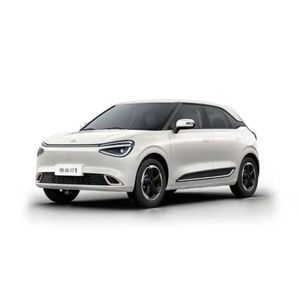
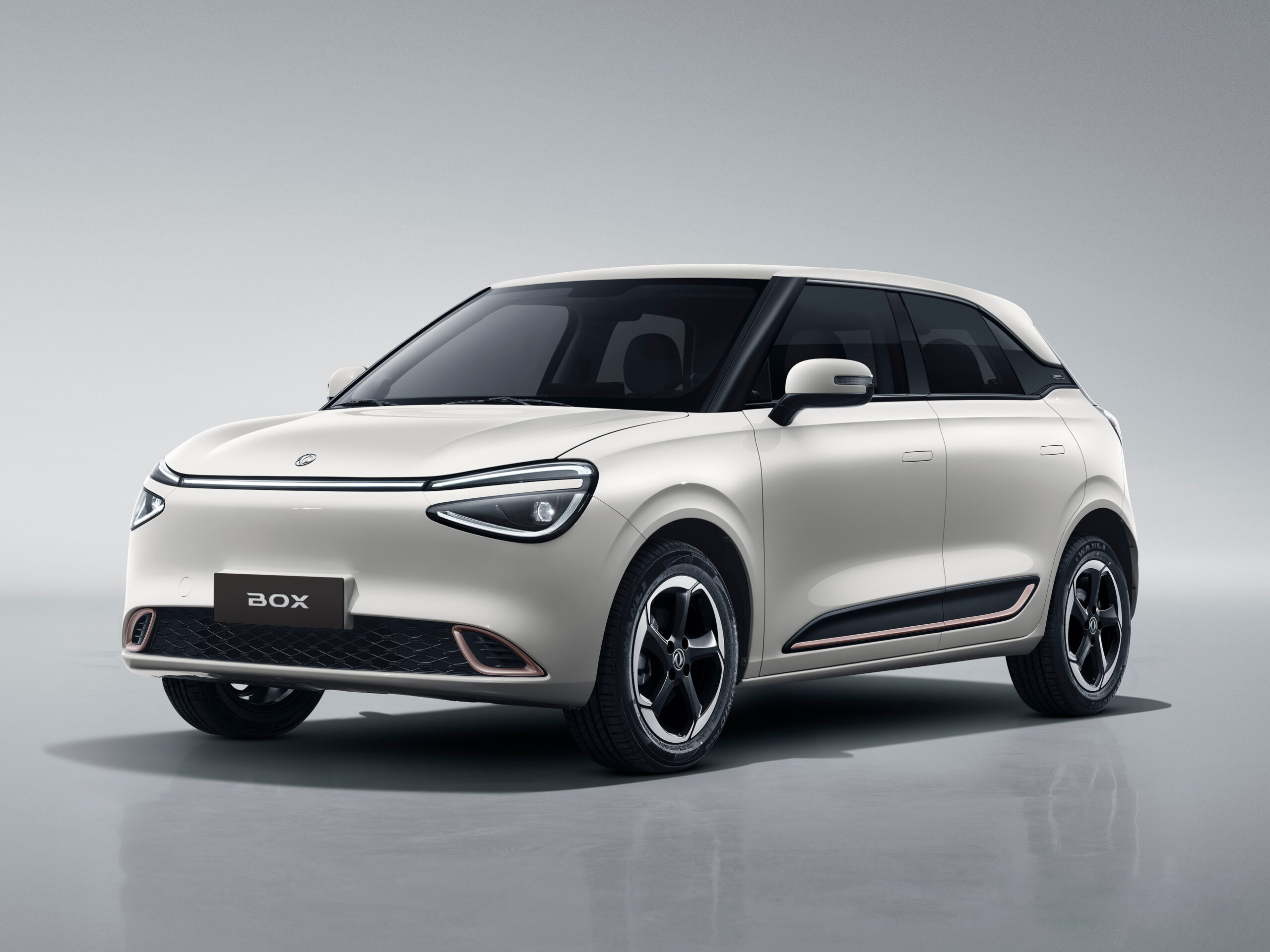
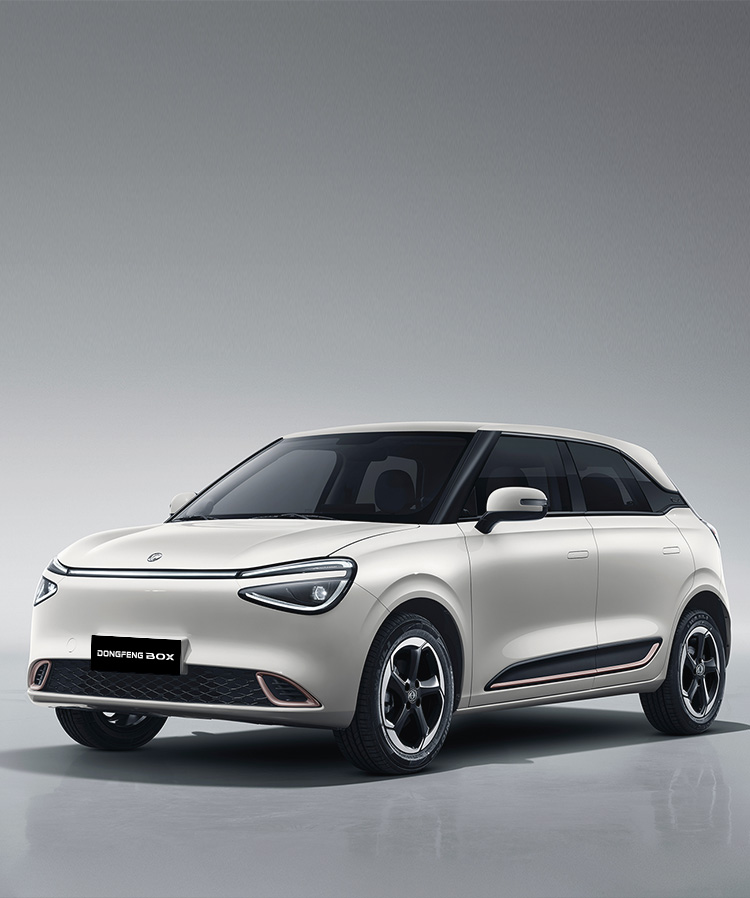
If you’re researching the dongfeng box, you’re likely weighing a practical, budget-friendly workhorse for last-mile deliveries, trades, or small business logistics. I’ve worked hands-on with compact box vans and Dongfeng-branded light commercials in fleet tests, and I’ll walk you through what matters: real-world specs, ownership costs, and how to buy with confidence. The dongfeng box generally refers to Dongfeng’s compact “box” configuration vans and box-body light trucks, known for simple mechanics, low running costs, and generous cargo-for-size ratio. Stick with me, and you’ll leave knowing whether it fits your routes, payloads, and budget.
Source: www.dongfeng-global.com
What Is The Dongfeng Box?
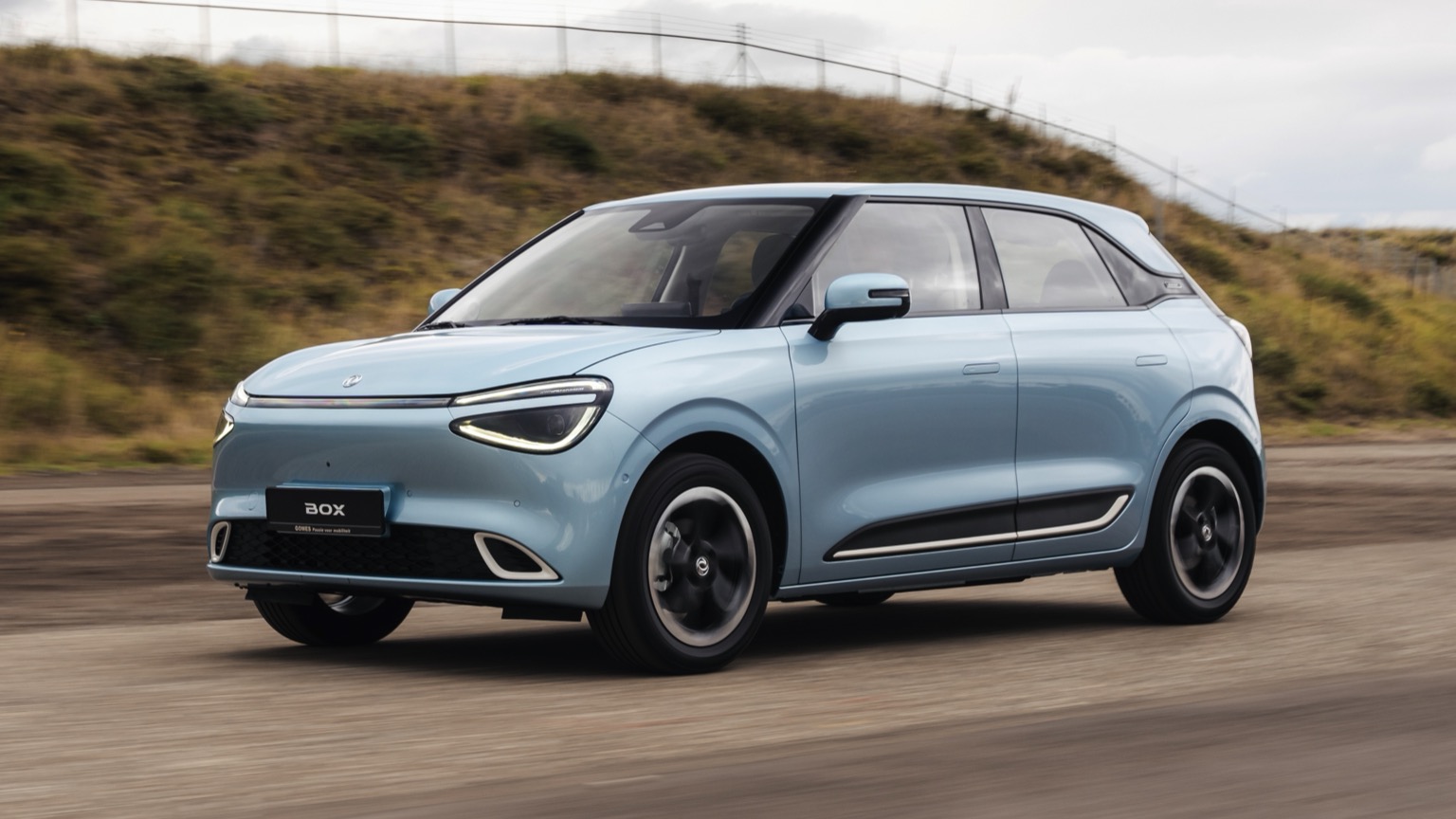
The dongfeng box typically denotes a compact, enclosed cargo vehicle from Dongfeng (and its DFSK/DFM subsidiaries), configured either as:
– A panel van with a squared cargo bay for urban deliveries.
– A small “box body” truck on a mini-truck chassis with a detachable or fixed cargo box.
In many markets, you’ll find several trims that share a common formula: modest displacement gasoline engines (sometimes CNG or electric), rear- or mid-mounted cargo space, sliding side doors or rear barn doors, and payloads suited for city logistics. Think of it as a step up from a microvan in cubic capacity without jumping into full-size vans.
Why businesses choose it:
- Tight turning radius and short wheelbase for alleyways and dense city cores.
- Simple, proven powertrains that most independent mechanics can service.
- Lower purchase price and insurance versus larger vans and trucks.
Note: Exact specifications vary by region and homologation. Always verify with your local distributor or VIN-specific documentation.
Source: ev-database.org
Key Specifications And Variants
Because Dongfeng partners with different joint ventures and local assemblers, you’ll see different badges and trims. Still, typical ranges look like this:
Powertrain options you’ll commonly see
- Gasoline: 1.2 L to 1.5 L inline-4, naturally aspirated, 5-speed manual; tuned for torque over horsepower.
- Alternative fuels: Factory or dealer CNG/LPG kits in select markets.
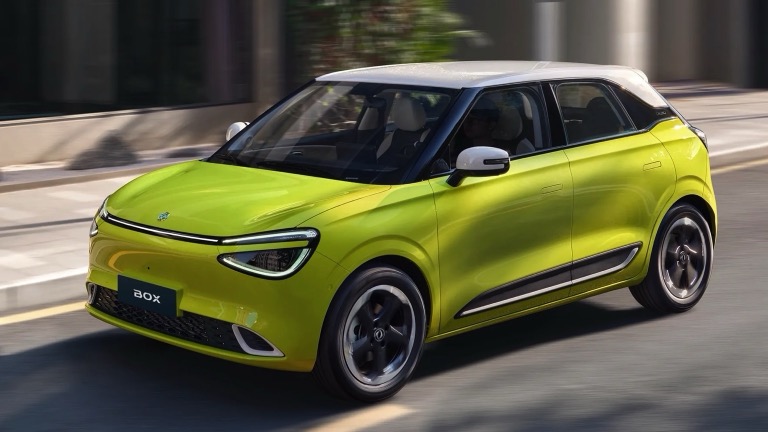
- Electric: Some markets offer EV box vans with roughly 30–50 kWh packs, aimed at sub-150 km daily routes.
Performance and capacity ranges
- Payload: Approximately 600–1,200 kg depending on wheelbase, suspension, and body.
- Cargo volume: Roughly 4–8 cubic meters in van form; box-body trucks can be configured larger.
- Dimensions: Compact footprint suitable for standard parking spaces; height varies with box spec.
- Fuel economy: Typically 10–14 km/L (23–33 mpg US) for gasoline under mixed city duty, heavily dependent on load and driving style.
- Top speed: City-focused, often limited; plan around 90–110 km/h cruising if gasoline; lower for heavily laden box bodies.
Common features and equipment
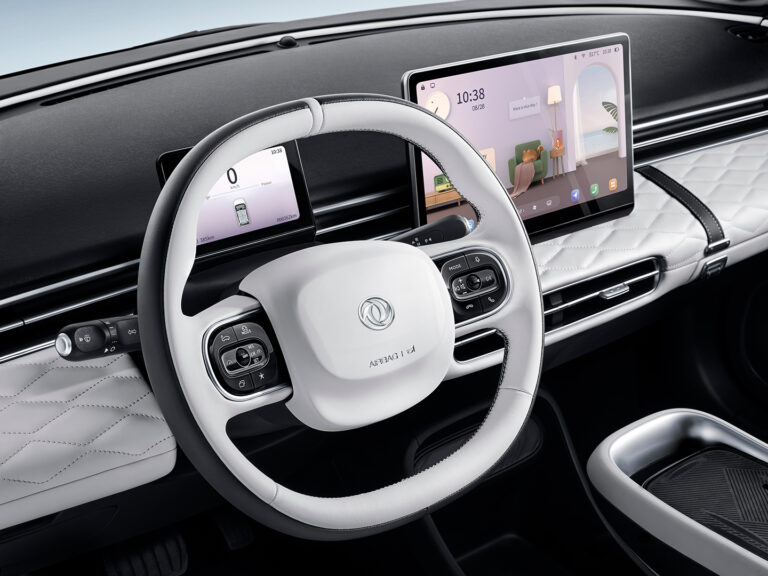
- Basics: Manual AC, power windows in higher trims, USB stereo, halogen lamps.
- Safety: ABS, EBD on newer variants; dual airbags are increasingly common but vary by market.
- Body options: Insulated box for cold chain, standard dry box, or panel van shell with shelving.
Pro tip from the field: If you handle tall parcels or bakery racks, measure door aperture height and width, not just cargo volume. The aperture is the real constraint at loading docks.

Source: www.dongfeng-global.com
Real-World Performance And Use Cases
In last-mile pilots I ran in Southeast Asia, our dongfeng box vans performed best on 40–120 km daily routes with 10–20 stops per route. Where they shine:
– Urban delivery: Food and beverage, parcels, pharma (with insulated box), and florist logistics.
– Trades: Electricians, plumbers, and HVAC technicians who need enclosed storage and ladder mounts.
– Light retail replenishment: Boutique stores that need frequent but small-volume restocks.
What I noticed in practice
- Steering and maneuverability: Excellent for U-turns on two-lane roads and tight alleys.
- Load sensitivity: Fuel economy and brake feel change noticeably near max payload; plan extra braking distance.
- Heat management: In hotter climates, consider an upgraded radiator or high-quality coolant and check AC condenser fins seasonally.
- NVH: Cabin noise is higher than bigger vans; adding rubber mats and basic insulation helps on longer drives.
Mistakes to avoid
- Overloading the rear axle. It compromises braking and tire life. Distribute weight evenly, heaviest items low and forward of the axle.
- Ignoring tire pressures. Underinflation is the fastest way to chew through tires and fuel economy.
- Skipping alignment after adding a box body or shelving. The added mass changes geometry; align and recheck after 1,000 km.
Source: ev-database.org
Ownership Costs, Parts, And Maintenance
Total cost of ownership is where the dongfeng box tends to win in its class, mainly due to simple engines and accessible parts.
Typical cost drivers
- Fuel: Gasoline models are frugal when driven smoothly; EV variants reduce fuel costs but require charging infrastructure.
- Consumables: Filters, pads, and belts are affordable and widely available in markets where Dongfeng has distribution.
- Tires: Budget for light-truck-rated tires; replace in pairs to keep handling predictable.
- Insurance and taxes: Generally lower than full-size vans; EVs can benefit from local incentives.
Maintenance intervals I recommend
- Engine oil and filter: Every 5,000–8,000 km for city duty cycles.
- Gearbox and differential oil: Inspect every 20,000–30,000 km, change per manual.
- Brake fluid: Every 24 months.
- Coolant: Every 2–3 years or per severe-duty schedule in hot climates.
- EV notes: Check state of health annually; keep battery within 20–80% for daily use if your schedule allows.
Parts sourcing tips
- Keep a bin of fast-moving parts: oil filters, air filters, spark plugs, wiper blades, belts.
- For body parts, photograph VIN tags and body plate; same “Box” name can hide trim differences.
Real story: After we added a refrigerated insert to one unit, alternator load increased and battery life shortened. Upgrading to an alternator with higher amperage and scheduling battery checks every quarter eliminated route-start failures.

Source: www.tipcars.eu
Buying Guide: What To Check Before You Pay
Whether new or used, a systematic inspection saves money and downtime.
Checklist for new units
- Verify payload rating on the door jamb plate vs. brochure. Ask for the gross vehicle weight rating and axle ratings in writing.
- Inspect box build quality: seam sealing, door alignment, latches, and weatherstripping.
- Test drive with load: Bring sandbags or load cells to simulate your average payload.
Checklist for used units
- Service history: Oil change intervals, coolant type, timing belt/chain status.
- Underbody and frame: Look for rust around suspension mounts and box mounting points.
- Electrical: Alternator output, battery age, and any auxiliary wiring for reefer units or inverters.
- Brakes and tires: Uneven wear suggests alignment or suspension issues.
- Compression or leak-down test on higher-mileage gasoline engines.
- For EVs: Request battery SOH report and DC fast-charge history.
Negotiation tips
- Bundle accessories: Roof racks, cargo mats, reverse camera, and parking sensors.
- Ask for fleet pricing even if you’re buying one; dealers often have tiered discounts.
- Clarify warranty on both the chassis and the box body (often covered by different entities).
Source: dongfengmotor.lv
Safety, Compliance, And Regulations
Safety and legal compliance can vary widely by region, so confirm locally.
What to verify
- Homologation and emissions: Ensure the dongfeng box meets your city’s emissions or electrification rules.
- Safety equipment: ABS, airbags, rear fog lights, reflective markings for box bodies if required.
- Load securement: Use E-tracks or tie-down rails. Loose cargo is a major risk in sudden braking.
- Weight stations: Stay within axle and gross limits; fines and insurance issues can result from overload.
- Cold chain compliance: For refrigerated versions, calibrate and log temperature per your regulatory framework.
Driver training makes a difference
- Teach progressive braking, cornering with high centers of gravity, and pre-trip checks for latches and lighting.

Source: dongfengbox.lv
Alternatives And How Dongfeng Box Compares
When benchmarking, consider:
– Similar compact vans and mini box trucks from regional brands.
– Larger European or Japanese panel vans if you need higher payloads and advanced driver aids.
– EV-only urban vans if you operate in zero-emission zones.
Where the dongfeng box typically wins
- Acquisition cost and simple servicing.
- Tight-space maneuverability.
- Configurability with local box builders.
Where it may lag
- Cabin refinement and noise isolation.
- Advanced safety tech availability.
- Dealer network depth in smaller markets.
Decision rule of thumb
- If your daily route is under 150 km with sub-1 ton loads and frequent stops, dongfeng box economics are compelling. If you need high-speed highway cruising with heavy loads, step up a class.
Frequently Asked Questions of dongfeng box
Is the dongfeng box the same as DFSK or DFM models?
Dongfeng is the parent brand. In some markets, you’ll see DFSK or DFM badging on similar compact vans and box-body trucks. Specs can differ by joint venture and region, so compare VIN-specific data.
What is the typical payload of a dongfeng box?
Most trims fall in the 600–1,200 kg range. Confirm your exact model’s gross and axle ratings before upfitting or loading.
Does the dongfeng box come in an electric version?
Yes, in select markets. EV variants usually target urban routes with roughly 30–50 kWh packs and are ideal for fleets with depot charging.
How fuel-efficient is the gasoline version?
Expect around 10–14 km/L (23–33 mpg US) in mixed city driving, depending on load, driving style, and maintenance.
What maintenance is most critical for longevity?
Regular oil and filter changes, cooling system care in hot climates, proper tire inflation, and alignment checks after adding a box or heavy shelving.
Can it handle refrigerated transport?
Yes, with an insulated box and reefer unit. Ensure alternator capacity, battery health, and proper maintenance of the refrigeration system.
How does it compare to larger vans?
It’s cheaper to buy and run, easier to park, but offers less refinement, power, and advanced safety features than larger vans.
Conclusion
The dongfeng box earns its keep through simplicity, affordability, and city-smart practicality. If your routes are short, your loads are light to moderate, and uptime matters more than luxury, it’s a strong contender. Start by mapping your daily payloads, route distance, and parking constraints, then test-drive a spec that mirrors your real workload. Negotiate bundled accessories, get the box body warranty in writing, and set a maintenance rhythm from day one.
Ready to go deeper? Explore local inventory, request a loaded test drive, and build a true total cost of ownership model before you sign. If this guide helped, subscribe for more hands-on fleet advice or drop a comment with your use case so I can tailor more tips your way.