Electric Car Charging Stations Condominiums in Florida Guide
Featured image for electric car charging stations condominiums in florida
Image source: imgv2-1-f.scribdassets.com
Installing electric car charging stations in Florida condominiums is no longer optional—it’s a necessity for modern, sustainable living. With rising EV adoption and state incentives, condo associations and owners can boost property value, attract eco-conscious buyers, and comply with Florida’s green energy initiatives. This guide breaks down costs, legal considerations, and top providers to streamline the upgrade process.
Key Takeaways
- Check HOA rules: Verify charging station policies with your condominium association first.
- Florida laws protect rights: State law allows installation in most condo parking areas.
- Cost-sharing options: Split installation and electricity costs with neighbors or the HOA.
- Choose Level 2 chargers: Faster, more efficient for daily condo resident use.
- Hire licensed electricians: Ensure compliance with Florida’s electrical codes and safety standards.
📑 Table of Contents
- The Sunshine State’s Green Shift: Charging Your EV in a Florida Condo
- Why Condos in Florida Are Embracing EV Charging
- Understanding Florida’s Laws and Rights for EV Charging
- Types of Charging Stations: Which One Fits Your Condo?
- How to Get EV Charging Stations Installed in Your Condo
- Maintaining and Managing EV Charging Stations
- Conclusion: Charging Forward in Florida’s Condo Communities
The Sunshine State’s Green Shift: Charging Your EV in a Florida Condo
Imagine this: You’ve just moved into your dream Florida condo. The ocean breeze, the palm trees swaying, and the warm sun on your face. But there’s one thing missing – a reliable electric car charging station for your Tesla or Nissan Leaf. If you’re an EV owner (or thinking about becoming one), you’ve probably asked yourself: *Can I charge my car at my condo? Is it worth it? And what are the rules?* You’re not alone. As electric vehicles surge in popularity across the Sunshine State, condo associations and residents are navigating a new frontier: electric car charging stations condominiums in Florida.
Florida is one of the fastest-growing EV markets in the U.S., with over 150,000 registered electric vehicles as of 2023. But unlike single-family homes, where installing a charger is as simple as running a 240-volt line from your garage, condos present unique challenges. Shared parking, complex electrical systems, and association rules can make charging seem like a logistical puzzle. Yet, with the right knowledge and approach, it’s not only possible – it’s increasingly common. Whether you’re a current EV owner, a future buyer, or a board member trying to keep up with the times, this guide will walk you through everything you need to know about electric car charging stations condominiums in Florida, from the legal landscape to real-world solutions and cost-saving tips.
Why Condos in Florida Are Embracing EV Charging
The Rise of Electric Vehicles in Florida
Florida isn’t just known for its beaches and theme parks – it’s also a leader in EV adoption. The state ranks in the top 10 for EV registrations, with cities like Miami, Tampa, and Orlando seeing rapid growth. Why? For one, Florida’s flat terrain and mild climate are ideal for EVs, which perform better in warmer weather. Plus, with gas prices fluctuating and the state offering incentives like HOV lane access for EVs, more drivers are making the switch.
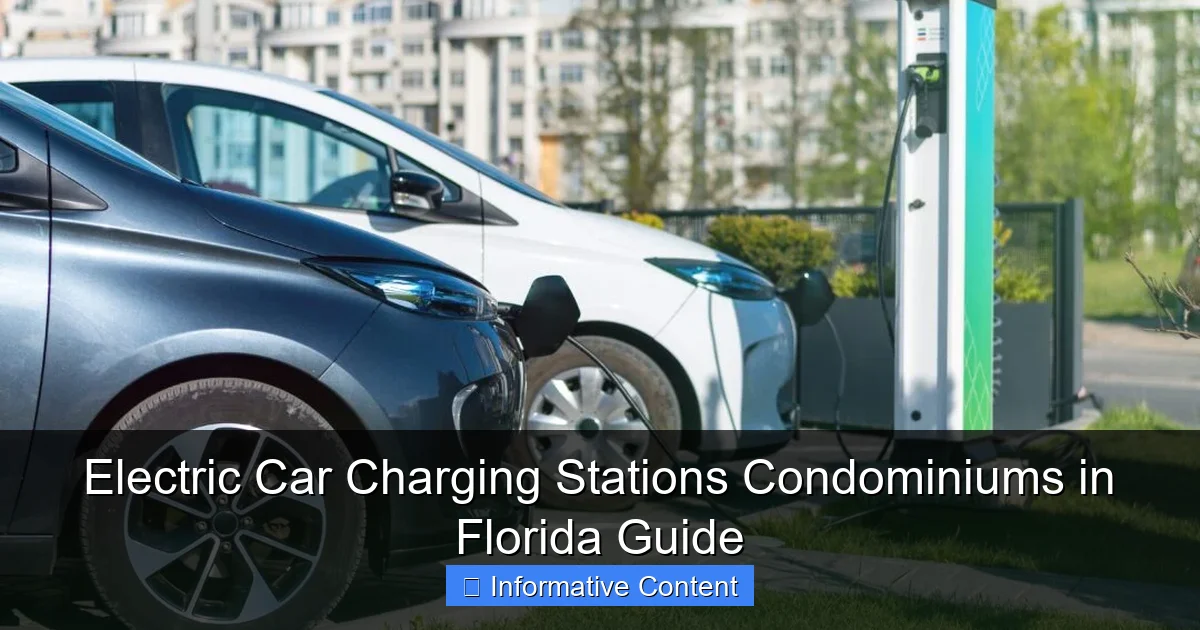
Visual guide about electric car charging stations condominiums in florida
Image source: brandtlawgroup.com
But here’s the catch: Over 40% of Floridians live in multi-family housing, including condos, townhomes, and apartments. That means a huge portion of potential EV owners can’t just install a charger in their driveway. This is where electric car charging stations condominiums in Florida become a game-changer. Without shared charging infrastructure, condo owners face range anxiety, inconvenient public charging, or even the decision to stick with gas – something the state is actively trying to reduce.
Benefits for Condo Associations and Residents
Installing EV charging stations isn’t just about convenience – it’s a smart move for everyone involved:
- Increased property value: Condos with EV charging are more attractive to buyers and renters. A 2022 study found that properties with EV chargers sell faster and for 3-5% more.
- Future-proofing: As EV adoption grows, condos without charging options risk becoming outdated. Early adopters gain a competitive edge.
- Environmental impact: Florida is vulnerable to climate change, from rising sea levels to extreme heat. Supporting EV infrastructure helps reduce carbon emissions.
- Community appeal: Charging stations signal that a condo is modern, tech-savvy, and resident-focused – a big plus for younger buyers.
Take, for example, Seaside Towers in Clearwater. After installing four Level 2 chargers in their garage, they saw a 20% increase in EV-owning residents within a year. One resident, Maria, told us, “I was hesitant to buy an EV because I didn’t know how I’d charge it. Now, I charge overnight and wake up to a full battery. It’s like magic.”
Understanding Florida’s Laws and Rights for EV Charging
Florida Statute 718.113(8): The “Right to Charge” Law
One of the most important things to know is that Florida has a law specifically protecting EV owners in condos. Florida Statute 718.113(8), often called the “Right to Charge” law, states that:
- Condo associations cannot prohibit a unit owner from installing an EV charging station in their designated parking space.
- Associations can impose reasonable restrictions (like requiring professional installation or adherence to electrical codes), but they can’t outright ban it.
- The unit owner is responsible for the cost, maintenance, and insurance of the charger.
This law is a win for EV owners, but it’s not a free-for-all. Associations can still require permits, review installation plans, and ensure the charger doesn’t interfere with common areas. The key word is reasonable – and if an association is dragging its feet, the law provides a legal pathway to push back.
What “Reasonable Restrictions” Really Mean
Let’s be real: Condo associations can sometimes be… cautious. They might worry about electrical load, aesthetics, or fairness. Here’s what “reasonable” typically means in practice:
- Electrical capacity: The association can require an electrical load study to ensure the building’s system can handle the added demand. This is a fair request – no one wants to blow a fuse!
- Professional installation: Most associations require the charger to be installed by a licensed electrician, following NEC (National Electrical Code) standards.
- Location: The charger must be in your assigned parking spot. No “borrowing” a neighbor’s space!
- Insurance: You may need to add the charger to your homeowner’s policy or provide proof of liability coverage.
One common issue? Associations might try to charge “impact fees” or require you to pay for upgrades to the main electrical panel. While you can be asked to cover the direct cost of your installation, they can’t profit off it. If they demand excessive fees, that’s where the “Right to Charge” law comes in handy.
Case Study: A Real-World Dispute (and How It Was Resolved)
In 2021, a resident at Bayview Condos in Fort Lauderdale wanted to install a Level 2 charger. The association initially refused, citing “aesthetic concerns” – the charger would be visible from the pool area. The resident cited the statute, and after a tense board meeting, they compromised: The charger was installed, but with a custom enclosure to match the building’s design. Win-win!
Tip: If your association pushes back, bring a copy of the statute to the board meeting. Often, just showing the law is enough to get them on board. If not, the Florida Division of Condominiums can mediate disputes.
Types of Charging Stations: Which One Fits Your Condo?
Level 1 vs. Level 2 vs. DC Fast Charging
Not all charging stations are created equal. Here’s the breakdown:
- Level 1 (120V): Uses a standard household outlet. Charges at about 4-5 miles of range per hour. Good for overnight charging if you drive less than 40 miles daily. Pros: Cheap (no installation needed). Cons: Very slow; not ideal for high-mileage drivers.
- Level 2 (240V): Requires a dedicated circuit and professional installation. Charges at 25-30 miles of range per hour. This is the sweet spot for most condo owners. Pros: Fast enough for daily use; widely available. Cons: Higher upfront cost ($500-$2,000 for installation).
- DC Fast Charging (480V+): Charges at 100+ miles of range in 30 minutes. Used for public stations, not residential. Pros: Ultra-fast. Cons: Very expensive ($10,000+); requires major electrical upgrades; overkill for home use.
For condos, Level 2 is almost always the best choice. It balances speed, cost, and practicality.
Shared vs. Dedicated Charging Stations
Now, here’s where it gets tricky: Should each resident have their own charger, or should the condo install shared stations?
- Dedicated stations: One charger per EV owner, installed in their assigned spot. Pros: Full control; no scheduling conflicts. Cons: Higher total cost; requires multiple electrical circuits.
- Shared stations: A few chargers for multiple residents to use (like a “charging lounge”). Pros: Lower cost; efficient use of space. Cons: Requires a reservation system; potential for disputes over usage.
Most condos start with dedicated stations for early adopters, then add shared stations as demand grows. For example, Sunset Villas in Naples began with two dedicated chargers in 2020. By 2023, they added four shared stations with an app-based booking system. “We’ve had zero conflicts,” says the board president. “The app makes it fair.”
Smart Charging: The Future of Condo EV Stations
Smart chargers (like ChargePoint Home Flex or Tesla Wall Connector with scheduling) offer features that make condo charging easier:
- Load balancing: Prevents electrical overload by adjusting charging speed based on demand.
- Scheduling: Charge during off-peak hours (e.g., 2-5 AM) to save on electricity bills.
- Usage tracking: Lets the association monitor usage and set fair pricing (if billing is implemented).
- App control: Start/stop charging remotely; get notifications when your car is done.
Smart chargers cost more upfront ($700-$1,200), but the long-term benefits – especially for shared systems – make them worth it.
How to Get EV Charging Stations Installed in Your Condo
Step-by-Step: From Idea to Installation
Installing EV charging in a condo isn’t a solo project – it’s a team effort. Here’s how to do it:
- Survey your neighbors: Gauge interest. You’ll need at least 10-20% of residents to support it for the board to take you seriously.
- Research costs and options: Get quotes from licensed electricians. Ask about load studies, panel upgrades, and charger models.
- Present to the board: Prepare a proposal with:
- Number of chargers needed
- Estimated costs (installation, electrical upgrades)
- Proposed locations
- Maintenance plan (who pays for repairs?)
- Address concerns: Anticipate questions about cost, fairness, and electrical load. Use data (e.g., “Our study shows the panel can handle 10 chargers”).
- Vote and approve: Most associations require a majority vote of the board or a special meeting of residents.
- Hire a pro: Work with an electrician experienced in multi-family installations. They’ll handle permits, inspections, and utility coordination.
- Test and train: Once installed, run a trial period. Educate residents on usage, etiquette, and troubleshooting.
Cost Breakdown: What to Expect
Here’s a realistic cost range for a Level 2 charger in a Florida condo:
| Item | Cost Range | Notes |
|---|---|---|
| Charger unit | $400 – $800 | Brands: ChargePoint, JuiceBox, Tesla, Grizzl-E |
| Electrical installation | $800 – $2,500 | Depends on distance from electrical panel, conduit needed, etc. |
| Load study | $300 – $800 | Required for buildings with 10+ units |
| Panel upgrade (if needed) | $2,000 – $10,000 | Only if the main panel is outdated or undersized |
| Permits and inspections | $100 – $300 | Required by most municipalities |
| Total (per charger) | $1,600 – $4,500 | Dedicated station (no panel upgrade) |
Tip: Apply for rebates! Florida Power & Light (FPL) offers up to $500 per charger for multi-family properties. The federal Inflation Reduction Act also provides tax credits for EV infrastructure.
Financing Options: Who Pays?
Who foots the bill? It varies, but here are common models:
- Resident-funded: Each EV owner pays for their own charger. Most common for early adopters.
- Association-funded: The condo association pays upfront (from reserves or a special assessment), then recoups costs via usage fees.
- Hybrid model: The association covers 50-70% of costs, with residents paying the rest. Often paired with a monthly fee for maintenance.
Pro tip: If the association is hesitant, propose a pilot program. Install 2-4 chargers as a trial. If successful, expand later.
Maintaining and Managing EV Charging Stations
Ongoing Costs and Responsibilities
Installing a charger is just the start. Maintenance matters:
- Electricity costs: Most EV owners pay for their own charging (via submetering or a flat fee). Rates vary – FPL’s average is $0.12/kWh.
- Repairs: Chargers last 10-15 years, but parts like cables and connectors may need replacement. Budget $100-$300/year for upkeep.
- Software updates: Smart chargers need occasional firmware updates (usually automatic).
- Cleaning and safety: Keep charging areas clear of debris. Inspect cords for damage monthly.
For shared stations, create a maintenance fund (e.g., $20/month per user) to cover repairs and upgrades.
Etiquette and Conflict Prevention
Nothing ruins a good thing like a charging war. Avoid disputes with these rules:
- Time limits: For shared stations, limit charging to 8-12 hours per session (enough for a full charge).
- Reservation system: Use an app (like ChargeHub or Spot) to book slots in advance.
- No “ICE-ing”: Never block a charging spot with a gas car. Make it a bylaw!
- Report issues promptly: If a charger is broken, notify the management immediately.
At Palm Shores Condos in Sarasota, they added “EV Etiquette” to their resident handbook. “We’ve had zero conflicts since,” says the property manager.
Upgrading as Demand Grows
What if more residents want to go electric? Plan for scalability:
- Reserve electrical capacity: When upgrading the panel, add 20-30% extra capacity for future chargers.
- Use modular systems: Some chargers (like the Enel X Way) can be daisy-chained to share circuits.
- Partner with utilities: FPL’s “EV Fleet” program helps condos plan for large-scale installations.
Conclusion: Charging Forward in Florida’s Condo Communities
Electric car charging stations in Florida condos aren’t just a convenience – they’re a necessity for the state’s sustainable future. With the right approach, they’re also an achievable reality. From leveraging Florida’s “Right to Charge” law to choosing the perfect Level 2 setup, every step brings condo communities closer to a greener, more connected lifestyle.
Remember: electric car charging stations condominiums in Florida are more than metal boxes on a wall. They’re symbols of innovation, environmental stewardship, and community spirit. Whether you’re an EV owner pushing for change, a board member weighing the costs, or a future buyer looking for a modern home, the message is clear: The future of transportation is electric, and it’s charging ahead – one condo at a time.
So, what’s your next move? Start by talking to your neighbors. Share this guide with your board. And when you plug in your EV at your condo for the first time, take a moment to appreciate the quiet hum of progress. In the Sunshine State, the road to a cleaner future is paved with volts, volts, and more volts.
Frequently Asked Questions
What are the requirements for installing electric car charging stations in Florida condominiums?
Florida law (Statute 718.113) prohibits condo associations from banning EV charging stations, but they can set “reasonable” installation rules. Owners typically need approval, proof of insurance, and an electrician-certified setup that meets safety standards.
Can a condo association charge extra fees for using an electric car charging station?
Yes, associations may impose fees to cover electricity costs and maintenance, but they cannot outright prohibit charging. Fees must be transparent and applied uniformly to all residents using EV charging stations.
How much does it cost to install an electric car charging station in a Florida condo?
Costs range from $500 to $2,500+ per unit, depending on charger type (Level 2 is most common) and electrical upgrades. Some Florida utilities offer rebates for EV charging stations in condominiums.
Do I need permission to install an EV charging station in my condo parking spot?
Yes, written approval from the condo board is required, even if you own your parking space. The association will review electrical capacity, location, and installation plans before approving the electric car charging station.
Are there Florida incentives for condominiums adding EV charging stations?
Yes, programs like the Florida Solar Energy Center offer grants, and utilities like FPL provide rebates for condo charging infrastructure. Federal tax credits may also apply for commercial installations.
What if my condo association refuses to allow an electric car charging station?
Under Florida law, you can challenge the refusal through mediation or legal action. The statute explicitly protects owners’ rights to install EV charging stations if requirements are met.