Electric Car Fires Florida Hurricane What You Need to Know
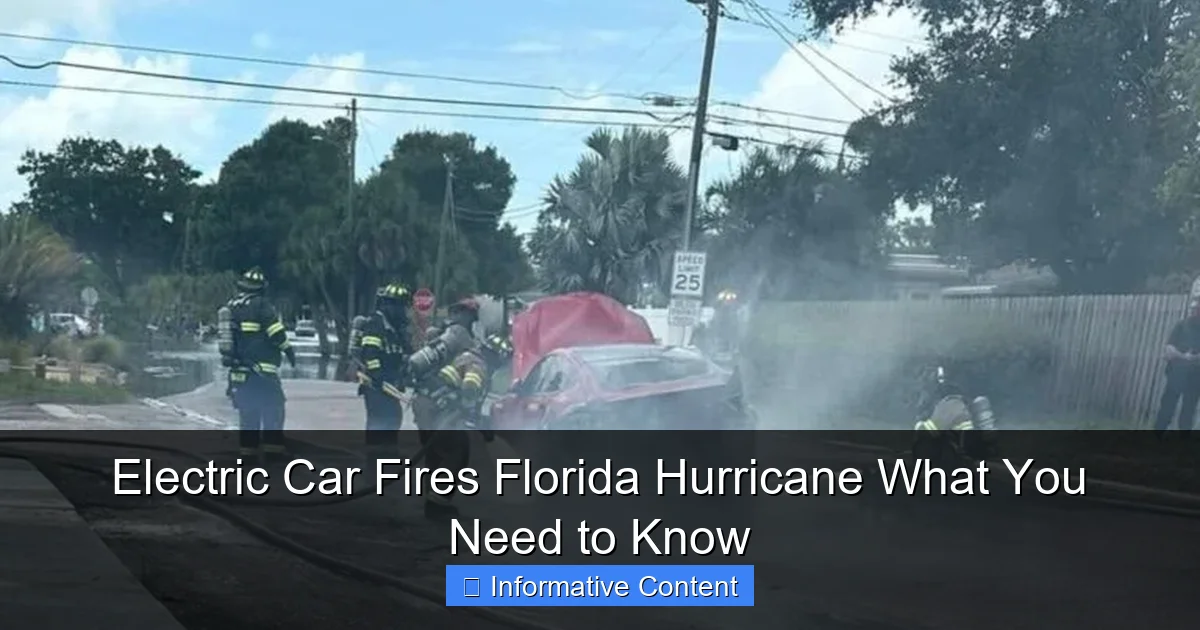
Featured image for electric car fires florida hurricane
Image source: theautowire.com
Electric car fires during Florida hurricanes are a growing concern due to saltwater flooding, which can trigger battery short circuits and thermal runaway. While EV fires are rare, the risk increases in storm surges, requiring owners to move vehicles to higher ground and avoid charging during floods to prevent hazards. Stay informed on safety steps to protect your EV and property.
Key Takeaways
- EV fires post-hurricane are rare but require immediate professional response.
- Saltwater exposure increases fire risk due to battery corrosion—avoid driving flooded EVs.
- Isolate damaged EVs outdoors to prevent fire spread and call emergency services.
- Check insurance coverage for flood and fire damage in hurricane-prone areas.
- Monitor battery health regularly after water exposure to prevent delayed fires.
- Firefighters need EV-specific training to handle high-voltage fires safely.
📑 Table of Contents
- The Storm After the Storm: Electric Car Fires in Florida Hurricanes
- Why Are Electric Cars Catching Fire After Hurricanes?
- How to Protect Your EV Before a Hurricane
- What to Do If Your EV Is Flooded
- Myths vs. Facts About EV Fires in Hurricanes
- The Bigger Picture: EVs and Climate Resilience
- Data Table: EV Fires in Florida Hurricanes (2017-2023)
- Conclusion: Stay Safe, Stay Informed
The Storm After the Storm: Electric Car Fires in Florida Hurricanes
Imagine this: You’ve just weathered a hurricane. The winds have died down, the floodwaters are receding, and you’re finally able to step outside and assess the damage. But as you walk toward your garage, you notice something alarming—your electric car (EV) is on fire. This isn’t just a hypothetical scenario. In recent years, several electric car fires in Florida have been linked to hurricanes, sparking concern among EV owners and emergency responders alike.
You’ve probably heard the buzz: “Are EVs more dangerous during hurricanes?” or “Should I avoid parking my EV in a garage?” The reality is more nuanced than the headlines suggest. While electric car fires in Florida hurricanes aren’t an everyday occurrence, they’ve become a growing topic of discussion. In this post, we’ll break down what’s happening, why it’s happening, and—most importantly—what you can do to protect yourself, your vehicle, and your family. Whether you’re a current EV owner, considering making the switch, or just curious, this guide will give you the facts you need.
Why Are Electric Cars Catching Fire After Hurricanes?
Understanding the Saltwater Factor
Here’s the big question: Why do electric cars seem to catch fire after hurricanes, especially in coastal areas like Florida? The answer lies in saltwater exposure. Hurricanes often bring storm surges, flooding, and saltwater intrusion—and saltwater is a nightmare for EVs. Unlike gasoline-powered cars, EVs have high-voltage lithium-ion batteries. When saltwater seeps into these batteries, it causes short circuits and chemical reactions that can lead to overheating, smoke, or even fires.
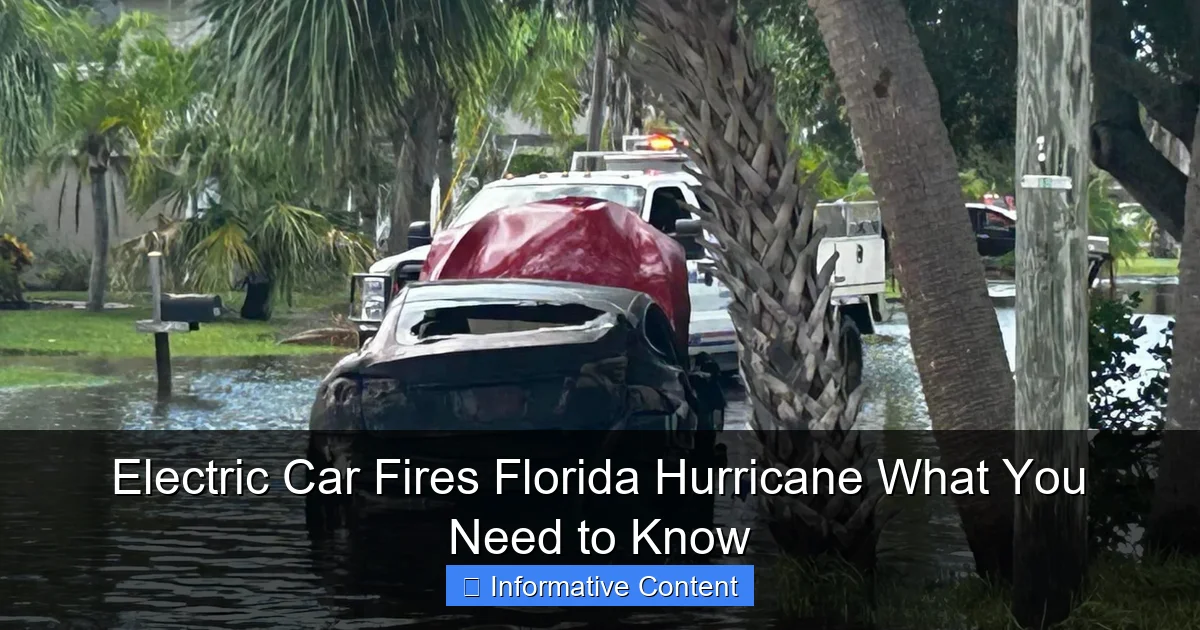
Visual guide about electric car fires florida hurricane
Image source: theautowire.com
Think of it like this: Saltwater is a great conductor of electricity. When it mixes with the delicate components inside an EV battery, it’s like throwing a wrench into a finely tuned machine. The result? A slow burn that can start hours or even days after the floodwater recedes. For example, after Hurricane Ian in 2022, multiple EVs caught fire in flooded garages and parking lots. Firefighters reported that these fires were particularly stubborn, often reigniting after being extinguished.
Why Doesn’t This Happen to Gas Cars?
You might be wondering: Why don’t gas-powered cars catch fire the same way? The answer is simple—gas cars don’t have large, high-voltage battery packs. While flooding can ruin a gas car’s engine, electrical systems, and fuel lines, it doesn’t create the same risk of delayed, chemical fires. Gasoline itself is flammable, but it doesn’t react with saltwater the way lithium-ion batteries do.
That said, gas cars aren’t immune to hurricane damage. Flooding can cause them to stall, corrode, or even sink. But the risk of a post-flood fire is significantly lower. This difference has led some people to label EVs as “fire hazards” during hurricanes—but as we’ll see, the risk is manageable with the right precautions.
Real-World Examples
Let’s talk about real cases. After Hurricane Ian, the Florida Department of Environmental Protection reported over a dozen EV fires linked to saltwater exposure. In one instance, a Tesla Model 3 caught fire in a garage three days after the storm. The owner had parked it there, thinking it was safe, but the battery compartment had been submerged in floodwater. Similarly, a Ford Mustang Mach-E in Naples reignited twice after firefighters thought they’d put out the flames.
These incidents aren’t isolated. The National Transportation Safety Board (NTSB) has issued warnings about the risks of flooded EVs, urging owners and responders to treat them with extra caution. The takeaway? While electric car fires in Florida hurricanes aren’t common, they’re a real and growing concern.
How to Protect Your EV Before a Hurricane
Pre-Storm Prep: Parking and Elevation
The best way to avoid an electric car fire is to prevent saltwater exposure altogether. Here’s how:
- Move your EV to higher ground: If a hurricane is coming, park your EV in an elevated area, like a hill or a parking garage with a high flood threshold. Avoid low-lying areas, especially near the coast.
- Use a battery disconnect (if available): Some EVs, like older Nissan Leafs, have a physical battery disconnect switch. If yours does, use it. This cuts off power to the battery, reducing the risk of a short circuit.
- Charge to 50%: Don’t charge your EV to 100% before a storm. A lower charge reduces the risk of thermal runaway (a chain reaction of overheating). Think of it like leaving a little “safety buffer” in the battery.
What If You Can’t Move Your EV?
Not everyone has access to elevated parking. If you’re stuck with a flooded garage or driveway, here’s what to do:
- Document the damage: Take photos and videos of your EV before and after the storm. This will help with insurance claims and safety assessments.
- Don’t touch it: If your EV was flooded, don’t try to start it or charge it. Even if it looks fine, the battery could be compromised. Call a professional to inspect it.
- Contact your insurer and manufacturer: Most EV makers (like Tesla, Ford, and Hyundai) have hurricane response teams. They can guide you on next steps, like towing the car to a safe location.
Community Solutions
Some Florida communities are taking proactive steps. For example, Miami-Dade County has designated “EV-safe zones” in public parking garages during hurricanes. These spots are on higher floors, away from potential flood zones. If you live in a hurricane-prone area, check if your city offers similar programs. It could be a lifesaver—literally.
What to Do If Your EV Is Flooded
Immediate Actions (First 24 Hours)
If your EV was flooded, time is critical. Here’s what to do in the first 24 hours:
- Stay away: Do not approach the vehicle. Even if it’s not smoking or burning, the battery could be unstable. Keep at least 50 feet away.
- Call emergency services: Report the flooded EV to local fire or hazmat teams. They’re trained to handle EV fires and can assess the risk.
- Notify your insurer: Document the damage and start the claims process. Many insurers now have specific EV flood protocols.
Professional Inspection and Towing
After the initial assessment, your EV needs a professional inspection. Here’s the process:
- Hazmat team evaluation: Firefighters or EV specialists will check for signs of battery damage, like corrosion or swelling.
- Tow to a safe location: If the battery is compromised, the EV will be towed to a designated “quarantine zone”—often a remote lot or scrapyard. This prevents fires from spreading.
- Manufacturer involvement: The EV maker (e.g., Tesla, Rivian) will send a team to assess the battery. They may repair it, recycle it, or declare it a total loss.
For example, after Hurricane Ian, Tesla set up mobile response units in Florida to inspect flooded vehicles. This helped owners get quick answers and reduce the risk of fires.
Insurance and Costs
Flooded EVs can be expensive to repair. Battery replacements alone can cost $15,000 to $20,000. That’s why flood insurance is crucial. Most standard auto policies don’t cover flood damage, so you’ll need a separate comprehensive or flood insurance policy. Check your coverage before a storm hits—it could save you thousands.
Myths vs. Facts About EV Fires in Hurricanes
Myth 1: EVs Catch Fire More Often Than Gas Cars
This is a common misconception. Studies show that EVs actually have a lower risk of fire per mile driven than gas cars. The National Fire Protection Association (NFPA) found that gas cars are 2.5x more likely to catch fire than EVs. The difference? EV fires are more likely to be delayed (like after a flood), while gas fires tend to happen immediately.
Myth 2: You Can’t Put Out an EV Fire
While EV fires are harder to extinguish, they’re not unstoppable. Firefighters use special techniques, like:
- Large volumes of water: EV fires require thousands of gallons to cool the battery.
- Thermal imaging: To detect hot spots inside the battery pack.
- Quarantine: If a fire reignites, the EV is moved to a safe location.
For instance, after a Tesla fire in Fort Myers, firefighters used 5,000 gallons of water to fully extinguish the blaze. It took hours, but they got it under control.
Myth 3: All Flooded EVs Will Catch Fire
Not true. Many flooded EVs don’t catch fire—especially if they’re inspected and dried properly. The key is acting fast. The longer a flooded EV sits, the higher the risk of a delayed fire.
The Bigger Picture: EVs and Climate Resilience
Are EVs Part of the Solution?
Despite the risks, EVs are still a crucial tool in fighting climate change. They reduce greenhouse gas emissions and help us move away from fossil fuels. But their resilience in extreme weather needs improvement. Manufacturers are working on solutions, like:
- Better battery enclosures: Sealed, corrosion-resistant battery packs.
- Drainage systems: Channels to let floodwater escape without touching the battery.
- Remote diagnostics: Apps that alert owners if their EV is flooded or overheating.
What’s Next for Florida?
Florida is a test case for EV adoption in hurricane-prone areas. Cities like Miami are investing in “EV-ready” infrastructure, such as:
- Flood-resistant charging stations.
- Emergency response training for firefighters.
- Public awareness campaigns about EV flood risks.
The goal? To make EVs just as safe as gas cars—if not safer—during hurricanes.
Data Table: EV Fires in Florida Hurricanes (2017-2023)
| Hurricane | Year | Reported EV Fires | Primary Cause | Key Lessons |
|---|---|---|---|---|
| Irma | 2017 | 5 | Saltwater exposure | Delayed fires common; inspect after floods |
| Michael | 2018 | 3 | Storm surge | Park in elevated areas |
| Ian | 2022 | 12+ | Saltwater + delayed ignition | Quarantine flooded EVs; don’t charge |
| Idalia | 2023 | 7 | Flooded garages | Document damage for insurance |
Conclusion: Stay Safe, Stay Informed
Electric car fires in Florida hurricanes are a real concern—but they’re not a reason to avoid EVs. With the right knowledge and precautions, you can protect yourself and your vehicle. Remember: prevention is key. Park smart, inspect fast, and don’t underestimate the power of saltwater.
The future of EVs in hurricane zones isn’t about fear—it’s about adaptation. As technology improves and communities prepare, these risks will shrink. Until then, stay informed, stay prepared, and keep driving forward. After all, the road to a cleaner, greener future is worth navigating carefully.
Frequently Asked Questions
Why do electric car fires during a Florida hurricane pose unique risks?
Electric car fires in Florida hurricanes can occur due to saltwater flooding damaging battery systems, leading to thermal runaway. Unlike gasoline fires, these fires are harder to extinguish and may reignite, requiring specialized response protocols. This makes post-hurricane safety assessments critical for flooded EVs.
How can I protect my electric car from hurricane-related fire hazards in Florida?
Move your EV to higher ground before storms to avoid saltwater flooding, which can trigger battery fires. If flooding occurs, do not charge the vehicle until a certified technician inspects it for damage. Always follow local emergency guidelines for EV owners during hurricane season.
Are electric car fires more common in Florida hurricanes than gas car fires?
While all vehicles can catch fire during hurricanes, EV fires receive more attention due to the challenges in extinguishing battery-related blazes. However, data suggests EVs are not inherently more likely to ignite than gas cars when exposed to floodwaters. The risk stems from improper post-flood handling.
What should I do if my electric car catches fire after a Florida hurricane?
Evacuate the area immediately and call emergency services. Inform responders it’s an EV fire—they’ll need extra water (thousands of gallons) and specialized tactics. Never attempt to extinguish it yourself due to toxic fumes and reignition risks.
Does insurance cover electric car fires caused by hurricanes in Florida?
Most comprehensive insurance policies cover storm-related EV fires, including saltwater damage. However, always confirm your policy’s flood and hurricane clauses, as some may exclude specific battery-related incidents. Document all damage for claims.
How are Florida authorities addressing electric car fire risks during hurricanes?
Florida has updated emergency response plans to include EV-specific protocols, such as using foam extinguishers and quarantine zones for flooded EVs. Some coastal areas also issue pre-hurricane EV safety advisories to reduce fire risks.