Electric Car Rebate California: Your 2025 Savings Guide
If you’re trying to make sense of the electric car rebate California offers right now, you’re in the right place. I’ve helped dozens of drivers navigate rebates, income caps, and utility incentives across the state. Here’s the short version: California still offers meaningful EV savings, but the landscape has shifted toward income-based programs and point-of-sale federal credits. If you’re strategic, you can still stack multiple incentives and shave thousands off your total cost of ownership. Let’s break it down clearly and confidently so you can claim every dollar you qualify for.

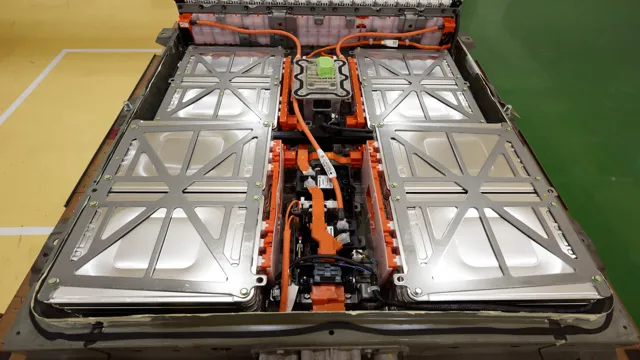
Source: news.berkeley.edu
What Is The Electric Car Rebate In California?
California’s EV incentives are a mix of statewide programs, regional grants, and utility rebates designed to reduce the upfront cost of going electric and accelerate clean air goals. Historically, the statewide Clean Vehicle Rebate Project (CVRP) was the go-to. However, funding has been winding down and transitioning toward income-qualified, equity-focused programs. Today, most Californians should look first at income-based grants, local utility offers, and the new federal point-of-sale tax credit that can be applied at the dealership.
Think of the incentive stack like layers:
- Federal: Up to $7,500 for eligible new EVs and up to $4,000 for qualifying used EVs, now available as an instant discount at participating dealers if both the vehicle and taxpayer meet requirements.
- State and regional: Income-based programs like Clean Cars 4 All and the Clean Vehicle Assistance Program that can offer grants or down payment assistance.
- Local utilities and air districts: Charger rebates, off-peak charging credits, and occasional vehicle incentives that vary by ZIP code and provider.
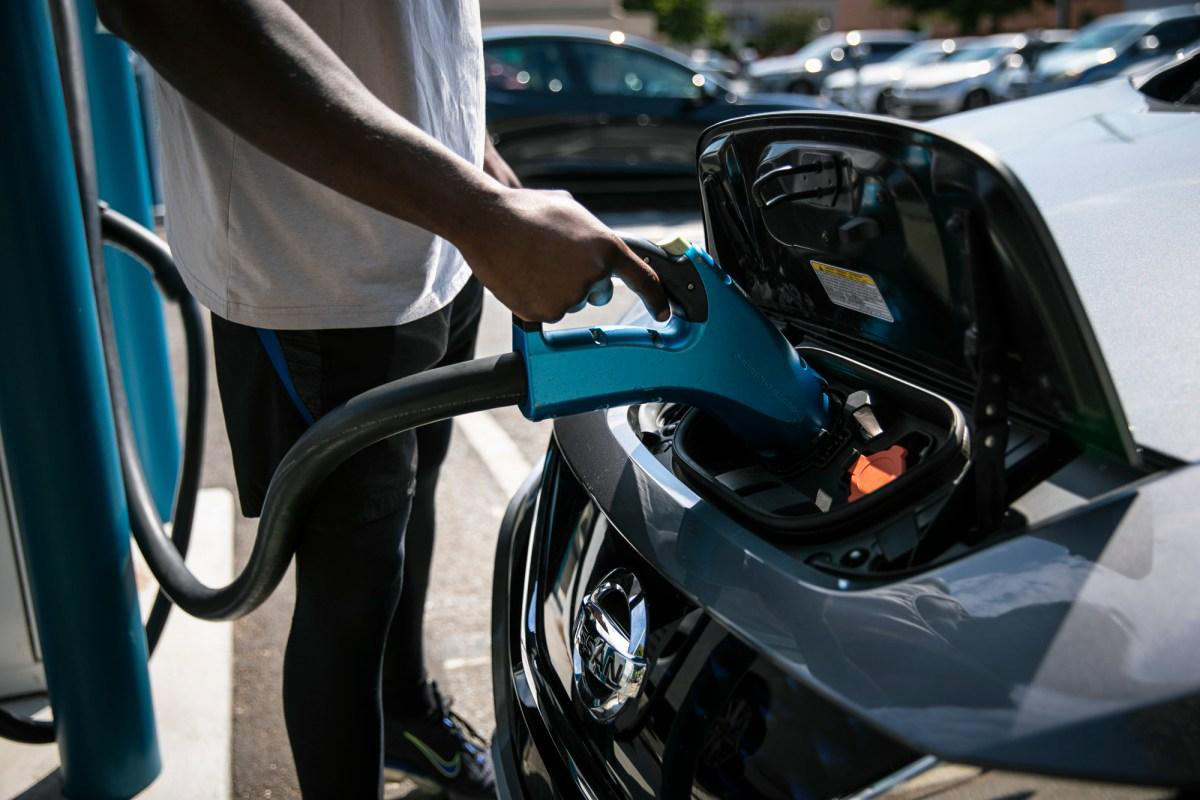
Source: smdp.com
Current Programs And How They Work
Here are the most relevant EV incentives available in California right now and how they generally function. Always confirm current status, since funding windows open and close.
-
Clean Cars 4 All
Available through participating air districts, this program helps lower-income drivers scrap an older, higher-emitting car and replace it with a new or used clean vehicle. Grant amounts vary by district and household income, often offering several thousand dollars plus optional home charging support. Not all regions participate, so check your local air district. -
Clean Vehicle Assistance Program
An income-qualified program that can provide grants and low-interest financing to help purchase or lease a new or used EV or plug-in hybrid. Funding is released in rounds and can close temporarily when funds are fully reserved. -
Local Utility Incentives
Many utilities offer rebates for Level 2 home chargers, installation support, or time-of-use rate discounts that significantly cut charging costs. Examples include programs from SCE, PG&E, SDG&E, LADWP, SMUD, and municipal utilities. These benefits often stack with state and federal incentives. -
California Clean Fuel Reward
This point-of-sale incentive has been paused at various times due to funding dynamics. If it reopens, it reduces the price at participating retailers based on the vehicle’s battery size. Check current status before you buy. -
HOV Carpool Decals
Qualifying EVs can receive a Clean Air Vehicle decal for solo access in carpool lanes. While not a cash rebate, it can save time and commuting costs, especially in congested regions. -
Federal Point-of-Sale Tax Credit
As of 2024, qualifying buyers can transfer the federal Clean Vehicle Credit to the dealer for an immediate price reduction. Vehicle eligibility depends on final assembly, battery component and critical mineral rules, MSRP caps, and your household income. Used EVs have separate rules, including a price cap and buyer income thresholds.
Personal note: I’ve seen clients save the most when they target an eligible model that meets federal rules and then layer on an income-qualified California grant plus a home charger rebate from their utility. That combination can swing the total cost of ownership dramatically in your favor.
Eligibility And Income Caps
Eligibility varies by program. Here’s what typically matters:
-
Income
Many state programs are income-qualified, focusing on low to moderate-income households. The federal credit also has income caps based on filing status. Your adjusted gross income matters, and you can use your current or prior year income if it helps you qualify under federal rules. -
Vehicle Price And Type
Incentives often have MSRP caps and require a plug-in vehicle that meets battery capacity thresholds. Some programs cover both new and used EVs or plug-in hybrids, while others focus specifically on zero-emission vehicles. -
Residency And Location
You must be a California resident for state programs, and certain regional programs require living within a specific air district. Utility rebates require you to be a customer of that utility. -
Scrappage Requirement
Programs like Clean Cars 4 All require you to retire an older vehicle to qualify for the highest grant amounts.
Practical tip: Before you test drive, run your household numbers against program income thresholds and confirm the specific model and trim meet eligibility rules. This avoids last-minute surprises at the dealer.
How To Apply Step By Step
The process is smoother when you prepare documents in advance. Here’s a general roadmap I use with clients:
-
Confirm Eligibility
Check your income, residency, and vehicle model against program rules. Verify air district participation if you’re targeting Clean Cars 4 All. -
Gather Documentation
Typical items include driver’s license, proof of residency, income verification (tax returns or pay stubs), utility bill, and a copy of the purchase or lease agreement. For scrappage programs, you’ll need proof of ownership and operability of the older vehicle. -
Pre-Approval For Grants
Some grants require pre-approval before you purchase. Do not buy the vehicle until you receive the approval letter if the program specifies this. -
Coordinate With The Dealer
For the federal point-of-sale credit, confirm the dealer is registered to process the transfer and that the VIN is eligible. -
Complete Post-Purchase Steps
Submit final documents promptly. Keep digital copies of everything, including charger purchase and installation receipts for utility rebates. -
Track Timelines
Funding windows and processing times vary. Put calendar reminders for deadlines, such as application submission and decal requests for HOV access.
Stacking Incentives And Example Savings
Here’s a realistic way Californians are saving right now:
- Base vehicle: New compact EV with an MSRP under the federal cap and compliant with battery sourcing rules.
- Federal point-of-sale: Up to $7,500 off at the dealership if income and vehicle requirements are met.
- State grant: Income-qualified Clean Cars 4 All or Clean Vehicle Assistance Program grant, potentially several thousand dollars depending on district and household size.
- Utility rebate: Home Level 2 charger rebate, often $300 to $1,000, plus off-peak charging rates that can halve your per-mile energy cost.
- HOV decal: Time savings and potential toll discounts in some corridors.
A client of mine in the South Coast AQMD stacked a federal discount at the dealership, a regional grant that required scrapping a 2006 sedan, and a utility charger rebate from SCE. The net effect brought their out-the-door price close to a competitive hybrid, with lower fueling and maintenance costs from day one.
Timelines, Taxes, And Fine Print
A few details that matter more than most people expect:
-
Funding Cycles
State and regional programs open and close as funds are allocated. Apply quickly when windows open, and join waitlists where available. -
Tax Treatment
Federal point-of-sale credits are treated as an advance of your tax credit, but you still need to be eligible when you file. Some state grants may be taxable income. Consult a tax professional for your specific situation. -
VIN And Battery Rules
Federal eligibility can change as models update or sourcing rules tighten. Always verify the VIN’s eligibility on the day of purchase. -
Used EV Rules
The federal used EV credit has separate income caps, a sales price cap, and first-transfer limits. State grants may allow used EV purchases as well, which can stretch your dollars further. -
Lease Strategies
Leasing can sometimes bypass federal battery sourcing constraints because the leasing company may claim a different commercial credit and pass savings through. The pass-through is not guaranteed; negotiate it explicitly.
Transparency note: Program availability and amounts can change quickly based on legislative budgets and market conditions. Always confirm current rules before you sign.
Mistakes To Avoid And Pro Tips
From real-world applications, here are the most common pitfalls and how to skip them:
-
Skipping Pre-Approval
If a grant requires pre-approval, do not purchase first. You could lose eligibility. -
Assuming All Trims Qualify
A qualifying model’s specific trim may exceed MSRP caps or fail battery sourcing rules. Verify the exact VIN. -
Ignoring Utility Programs
Charger rebates and time-of-use plans can save more over time than a small upfront vehicle rebate. -
Missing Paperwork Deadlines
Late submissions are a common reason for rejection. Create a simple checklist and calendar reminders. -
Not Planning Home Charging
If you rent or have older electrical panels, budget time and cost for installation. Some programs help with panel upgrades. -
Overlooking Used EV Opportunities
Income-qualified buyers can often stretch grants further with a reliable used EV plus a federal used credit, lowering total debt.
Pro tip: Shop the incentive first, then the car. Find which programs you qualify for, confirm active funding, and then choose a vehicle that fits the rules and your life.
Resources And Where To Check Updates
Because California’s EV incentives evolve, rely on primary sources and official program portals for the latest:
- Your air district’s Clean Cars 4 All page for participation and grant amounts.
- Clean Vehicle Assistance Program for grant and financing round openings.
- Your utility’s EV page for charger rebates and time-of-use plans.
- Federal clean vehicle program pages and VIN lookup tools for point-of-sale eligibility.
- California DMV for Clean Air Vehicle HOV decals and application steps.
Quick routine I recommend:
- Before shopping: Verify active programs and pre-qualify if required.
- At the dealership: Confirm VIN eligibility and the dealer’s ability to process the federal transfer.
- After purchase: File all rebate applications immediately and apply for HOV decals.
Frequently Asked Questions Of Electric Car Rebate California
Is the California CVRP still available?
CVRP has been winding down, with funding shifting toward income-qualified programs. Some legacy applications may still process if submitted within program rules, but most buyers should focus on Clean Cars 4 All, the Clean Vehicle Assistance Program, and local utility offers. Always check current status before purchase.
Can I stack California rebates with the federal EV credit?
Yes, in many cases. Income-qualified California grants can stack with the federal point-of-sale credit, plus utility charger rebates and HOV decals. Confirm each program’s terms, as some restrict stacking or require pre-approval.
Do leases qualify for the federal EV incentive in California?
Leases can benefit if the lessor passes through savings derived from the federal commercial clean vehicle credit. The pass-through is negotiable, so ask the dealer for the exact amount and ensure it appears on the lease agreement.
What income do I use to qualify for incentives?
Programs use different metrics. Federal credits rely on adjusted gross income with caps by filing status and allow you to use current or prior year income. State and regional programs have their own thresholds and documentation requirements. Verify with each program before applying.
How long do rebate approvals and payments take?
Timelines vary widely, from immediate dealer discounts for the federal point-of-sale credit to several weeks or months for state grants after documents are submitted. Apply early and respond quickly to any requests for additional information.
Do plug-in hybrids qualify or only pure EVs?
Many programs include both EVs and plug-in hybrids if they meet battery capacity and emissions standards. Some grants prioritize zero-emission vehicles, so eligibility can differ by program.
What about used EVs?
Used EVs can qualify for the federal used clean vehicle credit if they meet price and income caps and are the first resale since August 2022. Several California programs also support used EV purchases, which can be a cost-effective route for income-qualified buyers.
Conclusion
California’s EV incentive landscape is still full of opportunity, but it rewards careful planning. Start by confirming your eligibility, pre-qualify where required, and choose a vehicle that fits both your life and the latest program rules. If you layer the federal point-of-sale credit with an income-based state grant and a utility charger rebate, you can drive electric for less than you might think.
Ready to take the next step? Map your incentives, call a participating dealer to confirm VIN eligibility, and set up your utility’s off-peak rate plan. Subscribe for updates, drop your questions in the comments, and let me know which programs you want help navigating next.