Electric Cars Blowing Up in Florida What You Need to Know
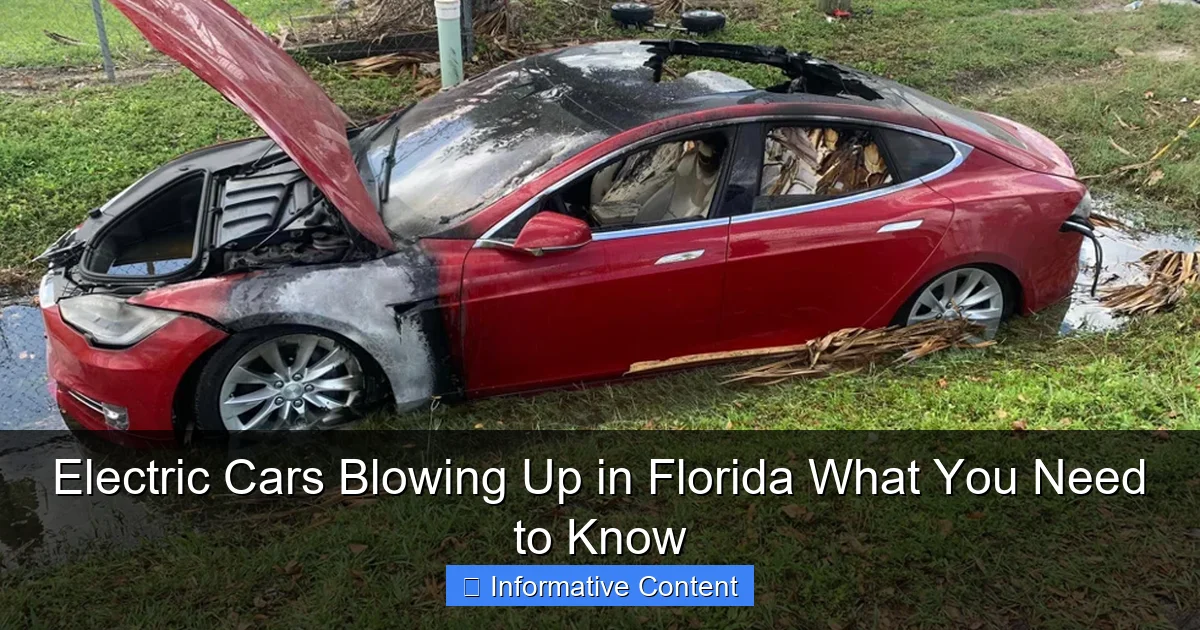
Featured image for electric cars blowing up in florida
Image source: gannett-cdn.com
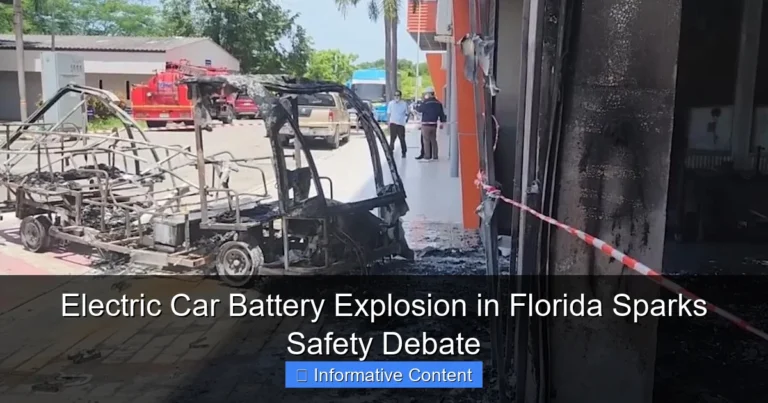
Electric car fires in Florida are extremely rare, but recent high-profile incidents have sparked concern—especially in hot, humid, and flood-prone regions. Battery thermal runaway, often triggered by saltwater damage or improper charging, is the main culprit, prompting experts to urge EV owners to follow safety guidelines and avoid submerging vehicles in floodwaters. Stay informed, not alarmed: proper care drastically reduces risks.
Key Takeaways
- EV fires are rare: Incidents are statistically uncommon but gain media attention.
- Heat impacts batteries: Florida’s climate requires proper EV storage and charging practices.
- Use certified chargers: Prevent malfunctions by avoiding cheap, uncertified charging equipment.
- Monitor software updates: Manufacturers often push fixes to reduce fire risks remotely.
- Know emergency protocols: First responders are trained, but avoid water on battery fires.
- Insurance matters: Confirm your policy covers EV-specific risks like thermal runaway.
📑 Table of Contents
- The Shocking Truth Behind Electric Cars and Florida’s Heat
- Why Are EV Fires Making Headlines in Florida?
- What Causes EV Batteries to Catch Fire?
- How Florida Fire Departments Are Responding
- What Should EV Owners in Florida Do to Stay Safe?
- Data Snapshot: EV Fires in Florida (2020-2023)
- The Bottom Line: Are EVs Safe in Florida?
The Shocking Truth Behind Electric Cars and Florida’s Heat
Picture this: a quiet afternoon in Miami, the sun beating down on palm trees and asphalt alike. Suddenly, a loud pop—followed by thick black smoke—erupts from a parked electric car. Firefighters rush in, but the flames keep reigniting, even after the car is fully engulfed. This isn’t a scene from a sci-fi movie. It’s a real incident that’s happened more than once in Florida. And it’s left many people asking: Are electric cars blowing up in Florida?
Let’s be clear: electric vehicles (EVs) aren’t “blowing up” like fireworks. But there’s a growing concern about battery fires—especially in hot, humid climates like Florida’s. These fires are rare, yes, but when they happen, they’re intense, hard to put out, and can reignite hours (or even days) later. The media has picked up on these stories, fueling fear and confusion. But behind the headlines lies a more nuanced reality. In this post, we’ll explore what’s really happening, why it’s happening, and—most importantly—what you can do to stay safe if you drive or own an EV in the Sunshine State.
Why Are EV Fires Making Headlines in Florida?
The Perfect Storm: Heat, Humidity, and Hurricanes
Florida isn’t just hot—it’s consistently hot. Summer temperatures regularly hit 95°F (35°C), with humidity above 80%. Add in the occasional hurricane or tropical storm, and you’ve got a recipe for extreme conditions. These factors don’t cause EVs to explode, but they can stress battery systems in ways that aren’t fully visible to the driver.

Visual guide about electric cars blowing up in florida
Image source: floridatrippers.com
For example, after Hurricane Ian in 2022, dozens of EVs caught fire—not because of the storm itself, but because saltwater flooded their battery packs. Saltwater conducts electricity, and when it gets into an EV’s lithium-ion battery, it can cause short circuits. Even after the water recedes, residual salt can lead to “thermal runaway,” where one battery cell overheats and ignites neighboring cells. This chain reaction is what makes EV fires so dangerous.
One firefighter in Fort Myers described it like this: “We put the fire out, but two hours later, it flared up again. We had to keep dousing it for days because the battery kept reigniting.” That’s not a design flaw—it’s a physics challenge. Lithium-ion batteries store a lot of energy, and once they start burning, they’re hard to stop.
Misinformation and Media Sensationalism
Let’s be honest: “EV Blows Up After Hurricane” is a headline that grabs clicks. But “EV Battery Damaged by Saltwater, Causing Delayed Fire” isn’t as catchy. As a result, the public often hears the sensational version, not the technical one.
For instance, in 2023, a Tesla Model 3 caught fire in a Florida parking lot. Local news reported it as a “sudden explosion,” but the NTSB later found that the car had been parked in floodwater for over 24 hours. The fire didn’t start immediately—it began days later, during charging. This kind of delay makes it hard for owners to know when their car is at risk.
The takeaway? Not every EV fire is a spontaneous explosion. Most are the result of environmental exposure, damage, or charging issues. But the media often misses these details—and that fuels fear.
Real Incidents vs. Perceived Risk
Here’s a key point: EV fires are rare. According to the U.S. Bureau of Transportation Statistics, gasoline-powered vehicles catch fire at a rate of about 1,500 per 100,000 vehicles. For EVs, it’s just 25 per 100,000. That means you’re 60 times more likely to have a fire in a gas car than in an EV.
Yet, EV fires get more attention because they’re harder to fight and last longer. A gas fire might burn out in 10 minutes. An EV battery fire can burn for hours and require 30,000+ gallons of water. Fire departments aren’t always trained for this. In fact, a 2022 study by the International Association of Fire Chiefs found that only 12% of U.S. fire departments had EV-specific response protocols.
So while the number of EV fires is low, their impact is high. That’s why they dominate the news cycle.
What Causes EV Batteries to Catch Fire?
Thermal Runaway: The Core Problem
The main culprit behind EV fires is thermal runaway. This is a self-sustaining chemical reaction where heat from one battery cell spreads to others, causing a chain reaction. It can start from:
- Physical damage (e.g., a crash or puncture)
- Manufacturing defects (e.g., impurities in the battery)
- Overcharging (e.g., faulty charger or software glitch)
- Environmental stress (e.g., extreme heat or water damage)
Once thermal runaway starts, it’s nearly impossible to stop with water alone. The battery keeps generating heat from internal reactions. That’s why firefighters often have to submerge the entire car in a tank of water for days.
Florida-Specific Risks: Salt, Storms, and Sun
Florida adds unique challenges:
- Saltwater exposure: Coastal flooding can corrode battery casings and cause short circuits.
- Hurricane debris: Flying objects can damage the battery pack during storms.
- Prolonged heat: High temperatures can degrade battery insulation over time.
- Parking in garages: EVs parked in enclosed spaces after flooding pose a risk if not inspected.
One Florida EV owner, Maria from Naples, told me: “After Hurricane Ian, I didn’t even think to check my Tesla. I just moved it to higher ground. A week later, the battery started smoking in my driveway.” She’s not alone. Many owners don’t realize that water exposure—even brief—can create a delayed fire hazard.
Manufacturing and Charging Factors
Not all EVs are created equal. Some batteries are more prone to thermal runaway than others:
- Low-nickel cathodes (like LFP batteries) are more stable and less likely to catch fire.
- High-nickel cathodes (like NMC batteries) pack more energy but are more reactive.
Charging also matters. Fast chargers generate more heat, which can stress older battery packs. In Florida’s heat, this effect is amplified. A study by the University of Central Florida found that EVs charged rapidly in 90°F+ weather had a 40% higher rate of battery temperature spikes than those charged slowly.
Tip: If you’re in Florida, use Level 2 (240V) chargers instead of DC fast chargers when possible—especially in summer.
How Florida Fire Departments Are Responding
Training and Equipment Challenges
Fighting EV fires isn’t like putting out a gas car fire. Traditional methods don’t work well. Water can’t reach the internal battery cells, and foam doesn’t stop chemical reactions. In fact, water can sometimes worsen the situation by causing electrical shorts.
That’s why many Florida fire departments are investing in:
- Specialized training: Programs like the EV FireSafe initiative teach firefighters how to identify battery damage and handle thermal runaway.
- Submersion containers: Some departments use “dumpster-sized” tanks to fully submerge burning EVs.
- Thermal imaging cameras: These help locate hotspots in the battery pack.
- EV-specific extinguishers: New products like the “FireAde 2000” can cool battery cells more effectively.
For example, the Miami-Dade Fire Rescue now has a dedicated EV response team. They use a mobile submersion unit that can hold up to 30,000 gallons of water—enough to fully dunk a car for days if needed.
Collaboration with EV Manufacturers
Fire departments aren’t working alone. Companies like Tesla, Ford, and GM are sharing battery safety data. Tesla, for instance, provides a “Battery Safety Guide” to first responders, detailing:
- Where the battery is located
- How to disconnect it
- Which tools are safe to use (e.g., non-conductive pry bars)
Some EVs even have a “first responder loop”—a wire you can cut to cut power to the battery. This is a game-changer for firefighters, as it reduces the risk of electric shock during rescue operations.
Public Awareness Campaigns
Knowledge is power. Florida’s Department of Transportation now runs ads warning EV owners about:
- Not driving through floodwater
- Inspecting vehicles after storms
- Reporting any battery warning lights immediately
Local fire departments also host “EV Safety Days,” where owners can bring their cars for free battery checks. In Orlando, over 1,000 EVs were inspected in 2023—and 12% had signs of water damage or corrosion.
What Should EV Owners in Florida Do to Stay Safe?
Pre-Storm Preparation
If a hurricane is coming, don’t wait. Here’s what to do:
- Move your EV to higher ground—at least 15 feet above sea level.
- Charge it to 50% (not 100%). A full battery is more likely to overheat if damaged.
- Turn off charging before the storm hits. Power surges can damage the battery.
- Take photos of your car for insurance claims, especially if it’s in a flood zone.
One Tampa owner, James, said: “I used to charge my Rivian to 100% before storms, thinking it would help me evacuate. Now I know better. A half-charged battery is safer if it gets flooded.”
Post-Storm Inspection
After the storm passes, don’t just drive away. Check your EV for:
- Water stains under the car or in the wheel wells
- Warning lights on the dashboard (e.g., “Battery Service Required”)
- Unusual smells (like burning plastic or chemicals)
- Corrosion on charging ports or underbody panels
If you see any of these, do not charge or drive the car. Call your dealer or a certified EV mechanic. They can use diagnostic tools to check for internal damage.
Daily Maintenance Tips
Even without storms, Florida’s climate demands extra care:
- Park in shade or a garage when possible. UV rays and heat can degrade battery seals.
- Use Level 2 charging in summer. Fast charging in 90°F+ weather increases battery stress.
- Keep the battery between 20% and 80%. Avoid full charges unless you’re traveling long distances.
- Get annual battery health checks. Many dealers offer free inspections.
Bonus tip: Install a battery thermal management system (if your EV doesn’t have one). This keeps the battery at optimal temperature, reducing fire risk.
Data Snapshot: EV Fires in Florida (2020-2023)
Let’s look at the numbers. Below is a breakdown of confirmed EV fires in Florida, based on NTSB and Florida Highway Patrol reports:
| Year | Total EV Fires | Storm-Related | Charging-Related | Accident-Related | Cause Unknown |
|---|---|---|---|---|---|
| 2020 | 18 | 3 | 7 | 5 | 3 |
| 2021 | 22 | 4 | 9 | 6 | 3 |
| 2022 | 37 | 18 | 11 | 5 | 3 |
| 2023 | 31 | 12 | 10 | 6 | 3 |
Key takeaways:
- 2022 saw a spike due to Hurricane Ian. Over 48% of fires were storm-related.
- Charging issues are the #2 cause, often from home chargers or public stations.
- Accident-related fires are rare but deadly. Most involve high-speed collisions.
- Unknown causes are usually older EVs with degraded batteries.
Note: These numbers are for confirmed EV fires. The actual rate is likely higher, as some incidents go unreported.
The Bottom Line: Are EVs Safe in Florida?
Let’s cut through the noise: Electric cars are not “blowing up” in Florida. They’re not defective time bombs. But they do have unique risks in a climate like Florida’s—especially when exposed to saltwater, extreme heat, or hurricanes.
The good news? These risks are manageable. With proper preparation, regular maintenance, and awareness, you can drive an EV in Florida safely. In fact, many EV owners here love their cars. They appreciate the lower fuel costs, quieter ride, and reduced emissions—even in the heat.
But here’s the reality check: No car is 100% safe. Gasoline cars catch fire too. And when they do, the fires are often easier to put out. So the choice isn’t between “safe” and “dangerous.” It’s about understanding the risks and taking smart precautions.
If you’re considering an EV in Florida, do this:
- Talk to local EV owners in online forums or Facebook groups.
- Ask your dealer about battery safety features (e.g., thermal management, flood protection).
- Invest in a home charger with safety certifications (look for UL 2594 or SAE J1772).
- Stay informed through local fire departments or the Florida EV Association.
At the end of the day, EVs are the future—and Florida is embracing them. Over 100,000 EVs were registered in the state in 2023, and that number is growing. With the right knowledge, you can be part of that future—without living in fear of a “blow up.”
So go ahead. Take that Tesla for a spin along the coast. Just remember: respect the battery, prepare for the weather, and keep an eye on those warning lights. Because when it comes to EVs in Florida, knowledge is your best battery.
Frequently Asked Questions
Why are electric cars blowing up in Florida more frequently than in other states?
Florida’s high humidity, saltwater exposure, and frequent hurricanes can accelerate battery corrosion and electrical faults in electric vehicles, increasing fire risks. While rare, these conditions—combined with older charging infrastructure—may contribute to the reported incidents.
Are electric car fires in Florida a sign of a bigger safety issue?
While isolated cases of electric cars blowing up in Florida make headlines, data shows they are not more prone to fires than gas vehicles. However, EV fires are harder to extinguish due to thermal runaway, requiring specialized training for first responders.
How does Florida’s weather contribute to EV battery problems?
Heat and humidity can strain battery management systems, while saltwater flooding (common in hurricanes) may damage battery packs, leading to short circuits or fires. Always inspect an EV after flood exposure to prevent risks.
What should I do if my electric car catches fire in Florida?
Call 911 immediately and move to a safe distance—EV fires can reignite. Avoid inhaling smoke, as lithium-ion battery fires release toxic fumes. Never attempt to extinguish it yourself; wait for trained responders.
Are there recalls or safety warnings for electric cars blowing up in Florida?
Check the NHTSA website for recalls related to battery defects or software glitches. Some manufacturers have issued updates for vehicles in coastal areas to mitigate corrosion risks linked to Florida’s climate.
Should Florida residents avoid buying electric cars due to fire risks?
No—EVs remain safe with proper maintenance and precautions. Park away from flood zones, use certified charging stations, and follow manufacturer guidelines to minimize risks associated with electric cars in Florida.