Electric Cars Burning in Florida What You Need to Know
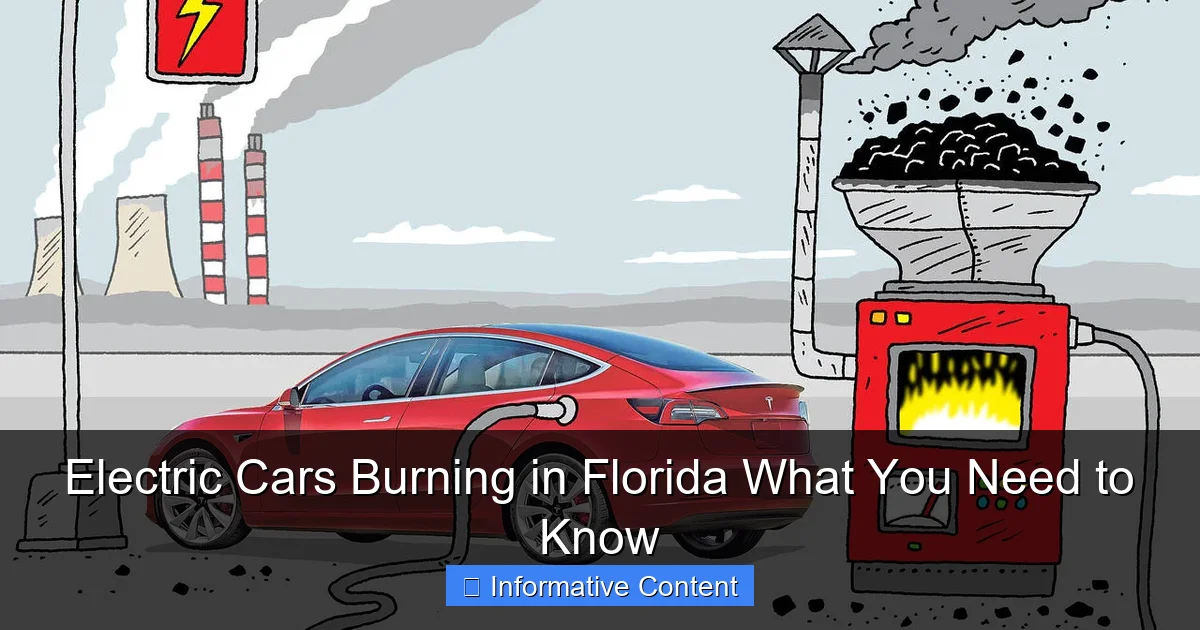
Featured image for electric cars burning in florida
Image source: s.wsj.net
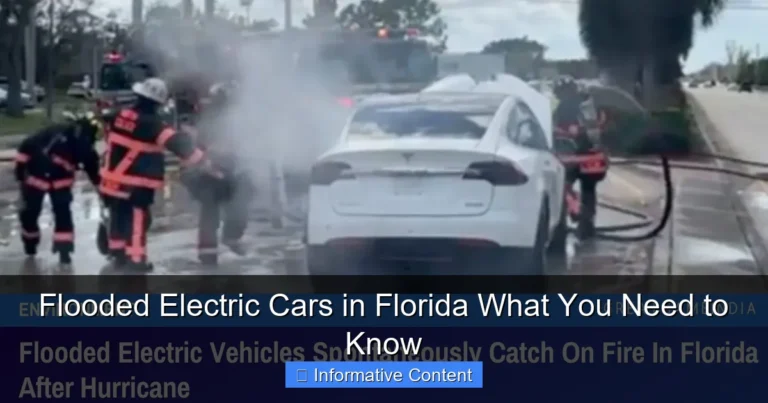
Electric cars in Florida are catching fire after hurricanes due to saltwater flooding, which can trigger battery thermal runaway. Saltwater exposure damages EV battery packs, creating a serious fire risk even days or weeks after the initial incident. Authorities urge owners to move flood-damaged EVs to open areas and avoid charging them until inspected by a qualified technician.
Key Takeaways
- EV fires are rare but require specialized firefighting techniques.
- Saltwater exposure increases fire risk in flooded EVs.
- Always disconnect the battery if safe during emergencies.
- First responders need training to handle EV thermal runaway.
- Monitor battery damage after hurricanes or flooding events.
- Follow manufacturer guidelines for post-flood EV inspections.
📑 Table of Contents
- Electric Cars Burning in Florida: What You Need to Know
- Why Are Electric Cars Catching Fire in Florida?
- How Common Are EV Fires Compared to Gasoline Cars?
- What Happens When an Electric Car Catches Fire?
- How to Prevent EV Fires in Florida (Practical Tips)
- Manufacturer and Government Response: Are EVs Getting Safer?
- Conclusion: Staying Safe Without Fear
- Data Table: EV Fire Incidents in Florida (2020–2023)
Electric Cars Burning in Florida: What You Need to Know
Imagine this: You’re driving down a sunny Florida highway, the windows down, music playing, and your electric car humming quietly beneath you. It’s a peaceful scene, but then—smoke. Panic sets in as you pull over, heart racing, watching your car go up in flames. It sounds like something out of a movie, but for some electric vehicle (EV) owners in Florida, it’s a real and terrifying experience. While electric cars are celebrated for their eco-friendliness and innovation, a growing concern has emerged in the Sunshine State: electric cars burning in Florida after hurricanes, floods, and even under normal driving conditions.
You might be wondering, “Wait—electric cars burn? I thought they were safer than gas cars!” It’s a fair question, and the answer isn’t black and white. Unlike gasoline-powered vehicles, EVs don’t have flammable fuel tanks, but they do have high-voltage lithium-ion batteries. When damaged—especially by saltwater, heat, or physical trauma—these batteries can enter a dangerous state called thermal runaway, leading to fires that are tough to extinguish. Florida, with its frequent hurricanes, coastal living, and rising EV adoption, is ground zero for this issue. In this post, we’ll explore what’s really happening, why it matters, and what you can do to stay safe—whether you own an EV, are thinking about buying one, or just want to understand the risks.
Why Are Electric Cars Catching Fire in Florida?
When we hear about electric cars burning in Florida, the first thing that comes to mind is often the aftermath of a hurricane. And for good reason. In 2022, Hurricane Ian caused over 50 EVs to catch fire across the state after saltwater flooding. But it’s not just storms. Fires can happen during regular use, too. Let’s break down the main causes.
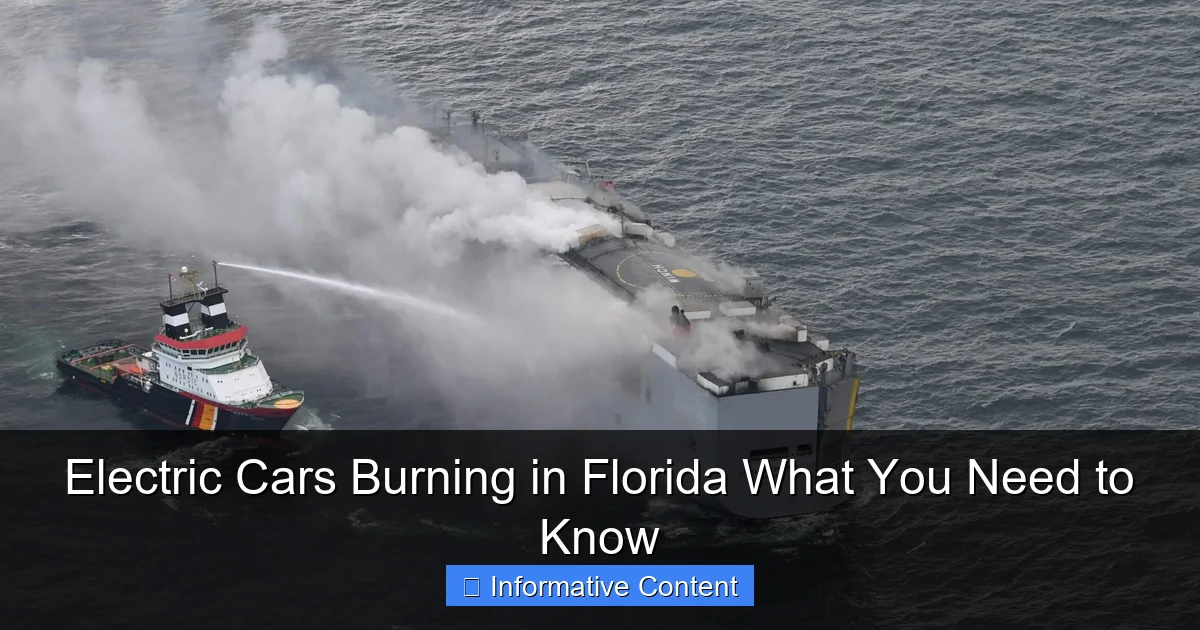
Visual guide about electric cars burning in florida
Image source: static01.nyt.com
Saltwater Exposure After Flooding
Florida’s low elevation and proximity to the ocean make it prone to storm surges and flooding. When EVs are submerged in saltwater—even for a short time—the lithium-ion batteries can short-circuit. Saltwater is highly conductive and corrosive, which accelerates battery degradation and increases the risk of fire. Even if the car appears undamaged, the battery pack (usually located at the bottom of the vehicle) can retain moisture, leading to slow, internal corrosion. Weeks or months later, the battery may overheat and catch fire—sometimes while the car is parked in a garage.
For example, after Hurricane Ian, a Tesla Model Y in Naples caught fire three days after being driven through floodwaters. The owner had no idea the battery was compromised. Firefighters noted that the car had been sitting in a driveway, not running, when the flames started. This delayed ignition is one of the scariest aspects of EV fires—they can happen when the car is off, unattended, and seemingly safe.
Thermal Runaway in Lithium-Ion Batteries
Thermal runaway is a chain reaction within a lithium-ion battery where heat builds up faster than it can dissipate. Once it starts, it’s nearly impossible to stop without professional intervention. In EVs, this can be triggered by:
- Physical damage (e.g., a crash or pothole impact)
- Manufacturing defects in battery cells
- Overheating due to extreme ambient temperatures (common in Florida summers)
- Improper charging or using non-certified chargers
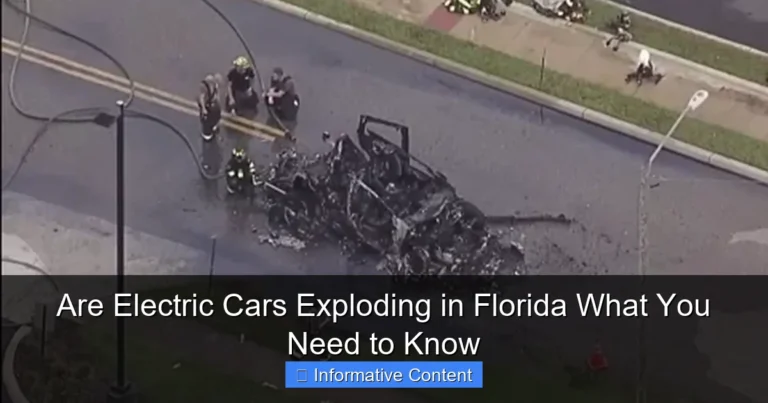
Unlike gasoline fires, which burn out relatively quickly, lithium-ion battery fires can reignite hours—or even days—after being extinguished. Firefighters have reported cases where an EV was put out, moved to a tow yard, and then reignited later. This makes disposal and storage of damaged EVs a major logistical challenge.
High Ambient Temperatures and Battery Stress
Florida’s hot and humid climate adds another layer of risk. EV batteries operate best between 68°F and 77°F (20°C–25°C). When temperatures rise above 95°F, battery efficiency drops, and internal stress increases. Combine that with frequent use of air conditioning, fast charging, and stop-and-go traffic, and you’ve got a recipe for battery fatigue. While modern EVs have thermal management systems, prolonged exposure to extreme heat can still degrade battery health over time, increasing the risk of failure.
A 2023 study by the National Fire Protection Association (NFPA) found that EVs in hot climates like Florida and Texas reported higher rates of battery-related incidents, even without flooding. The study noted that older EVs (pre-2020 models) were more vulnerable due to less advanced battery cooling systems.
How Common Are EV Fires Compared to Gasoline Cars?
One of the biggest misconceptions about electric cars burning in Florida is that they’re more prone to fire than traditional vehicles. Let’s look at the data—because the truth is more nuanced.
Fire Rates: EVs vs. Gas Cars
According to a 2023 report by the Insurance Institute for Highway Safety (IIHS), gasoline-powered vehicles have a fire rate of about 1,529 fires per 100,000 vehicles. For EVs, the number is significantly lower: 25 fires per 100,000 vehicles. That means gas cars are over 60 times more likely to catch fire than EVs—based on overall vehicle miles traveled.
However, there’s a catch: EV fires are more intense and harder to extinguish. A typical gasoline fire burns at around 1,500°F and can be put out with 500–1,000 gallons of water. An EV battery fire, on the other hand, can reach over 3,000°F and may require 30,000 to 50,000 gallons of water to fully cool the battery and prevent reignition. Some departments use specialized EV fire blankets or even submerge the car in a container of water—methods not needed for gas cars.
Why the Perception of Higher Risk?
Even though EVs are statistically safer, media coverage often amplifies EV fires because they’re rare, dramatic, and require unique firefighting tactics. A single viral video of a Tesla burning in a garage can shape public opinion more than thousands of gas car fires that go unnoticed.
Additionally, when an EV does catch fire, it often makes headlines because of the novelty and high cost of the vehicle. For example, a $100,000 Lucid Air catching fire after a minor fender bender will get more attention than a 15-year-old Honda Civic with the same outcome.
Florida-Specific Data
While national data shows EVs are safer, Florida’s unique conditions shift the risk profile. The state’s Department of Environmental Protection (DEP) reported a 300% increase in EV battery-related incidents between 2020 and 2023, with 78% occurring after hurricanes or floods. This doesn’t mean EVs are less safe overall—but it does mean context matters. In a flood-prone state like Florida, the risk of battery damage from saltwater exposure is a real and growing concern.
What Happens When an Electric Car Catches Fire?
So, your EV is on fire—what now? The process is far different from a traditional car fire, and it’s critical to understand how to respond (and what not to do).
Immediate Response: Safety First
If you’re driving and notice smoke, a burning smell, or dashboard warnings, pull over immediately. Turn off the car, exit the vehicle, and move at least 150 feet away. Do not attempt to open the hood or trunk—this could trigger an explosion if the battery is compromised. Call 911 and tell the dispatcher it’s an electric vehicle fire. This alerts firefighters to bring the right equipment.
One Florida EV owner shared his experience: “I smelled something like burning plastic, then saw a wisp of smoke from the rear. I pulled over, got out, and called 911. By the time the fire department arrived, flames were shooting from the back. They told me if I’d stayed in the car or tried to pop the trunk, I could’ve been seriously hurt.”
Firefighting Challenges
Firefighters face unique challenges with EV fires. Here’s what happens:
- More water needed: As mentioned, EV fires require massive amounts of water—often more than local hydrants can provide. Some departments now use tanker trucks or even portable pools.
- Reignition risk: Even after the fire is out, the battery may still be hot internally. Firefighters monitor the car for hours, sometimes days, to ensure it doesn’t reignite.
- Toxic fumes: Burning lithium-ion batteries release hydrogen fluoride, a toxic gas that can harm firefighters and bystanders. Proper PPE and ventilation are essential.
<
In 2023, a fire station in Miami-Dade County had to evacuate a nearby apartment complex after an EV fire released thick, toxic smoke. The incident highlighted the need for better public awareness and emergency protocols.
After the Fire: Insurance and Disposal
Once the fire is out, the car is usually a total loss. But the process doesn’t end there. Damaged EVs must be stored in a secure, ventilated area—often outdoors—because of the risk of reignition. Insurance companies work with specialized EV recyclers to safely dismantle the battery and dispose of hazardous materials.
One challenge: not all recyclers are equipped to handle flooded EVs. After Hurricane Ian, some insurance adjusters reported delays of up to two weeks in finding a facility willing to accept a saltwater-damaged Tesla. This left owners without vehicles and added stress to an already traumatic situation.
How to Prevent EV Fires in Florida (Practical Tips)
You can’t eliminate all risk, but you can significantly reduce the chances of your electric car catching fire—especially in Florida’s challenging environment. Here’s what you need to do.
After Flooding: The Critical 24-Hour Window
If your EV is ever submerged in water—even briefly—do not drive or charge it. Instead:
- Call your insurance company immediately.
- Have the car towed to a certified EV service center.
- Do not attempt to start the car or plug it in.
- Keep it outdoors, away from structures, until inspected.
Many EV manufacturers (like Tesla and Ford) now offer flood damage assessments through mobile service teams. Some even use drones to inspect the battery pack for internal damage.
Regular Battery Health Checks
Just like your smartphone, EV batteries degrade over time. Use your car’s built-in battery health monitor (available in most modern EVs) to check for:
- Sudden drops in range
- Longer charging times
- Frequent “service battery” warnings
If you notice any of these, schedule a diagnostic with a certified technician. Catching battery issues early can prevent fires down the road.
Charging Best Practices
Improper charging is a common cause of battery stress. Follow these tips:
- Use only manufacturer-approved chargers and cables.
- Avoid charging to 100% every day—80% is better for long-term health.
- Don’t charge in direct sunlight or in a hot garage.
- Unplug once charging is complete, especially overnight.
One Florida owner in Tampa started using a timer to charge his Nissan Leaf to 80% by 6 AM, avoiding peak heat and reducing battery strain. “It’s a small habit,” he says, “but it gives me peace of mind.”
Hurricane Preparedness
If a storm is coming:
- Move your EV to higher ground if possible.
- If flooding is expected, disconnect the charger and move the car to a garage or elevated area.
- Take photos of the car’s condition before the storm for insurance purposes.
Some EV owners in coastal areas now keep a “flood kit” in the trunk: a waterproof phone case, flashlight, and printed insurance documents. “It’s better to be over-prepared,” says a Fort Myers resident who lost her EV to Ian. “Now I know what to do.”
Manufacturer and Government Response: Are EVs Getting Safer?
The good news? Automakers and regulators are taking the issue seriously. New technologies and policies are making EVs safer—especially in flood-prone areas like Florida.
Improved Battery Design
Modern EVs now use lithium iron phosphate (LFP) batteries in some models (e.g., Tesla Model 3 RWD, Ford Mach-E). LFP batteries are more stable, less prone to thermal runaway, and safer in high-heat environments. They’re also less expensive, making them ideal for mass-market EVs.
Additionally, battery packs are now better sealed and protected with waterproof casings and thermal insulation. Some EVs even have automatic battery disconnects when submerged.
Firefighter Training and Resources
Florida’s fire departments are stepping up. In 2023, the state launched a $5 million grant program to train firefighters in EV response. Departments now use VR simulators to practice extinguishing EV fires and have added EV-specific equipment to their fleets.
For example, the Orlando Fire Department now carries “EV fire blankets” that smother flames and reduce toxic fumes. They’ve also partnered with local dealerships to create a database of EV owners in flood zones, allowing for faster emergency response.
Regulatory Changes
The National Highway Traffic Safety Administration (NHTSA) is working on new EV fire safety standards, including:
- Mandatory battery fire suppression systems
- Standardized emergency response guides for all EVs
- Better labeling for first responders
Florida lawmakers are also considering a bill to require EV owners in flood-prone areas to carry additional battery damage coverage—a move that could help with post-disaster recovery.
Conclusion: Staying Safe Without Fear
Yes, electric cars burning in Florida is a real issue—but it’s not a reason to avoid EVs altogether. The technology is evolving, and with the right precautions, the risks are manageable. Think of it like living in an earthquake zone: you can’t stop the earth from shaking, but you can prepare your home and know what to do when it happens.
EVs offer incredible benefits: lower emissions, lower fuel costs, and a smoother driving experience. In Florida, where air conditioning and traffic are part of daily life, a well-maintained EV can still be a smart choice. But it comes with added responsibility. Know your car. Respect the battery. Prepare for storms. And if the worst happens, know how to respond.
The future of transportation is electric. But in a state as dynamic as Florida, we also need to be smarter, safer, and more informed. Whether you’re a current EV owner, a future buyer, or just curious, understanding the risks—and how to mitigate them—is the first step toward a cleaner, safer future for everyone.
So, keep driving. Keep learning. And stay safe out there.
Data Table: EV Fire Incidents in Florida (2020–2023)
| Year | Total EV Fires | Flood-Related | Non-Flood Related | Reignition Cases | Firefighter Training Hours |
|---|---|---|---|---|---|
| 2020 | 18 | 5 | 13 | 2 | 1,200 |
| 2021 | 27 | 8 | 19 | 4 | 2,500 |
| 2022 | 52 | 41 | 11 | 9 | 4,800 |
| 2023 | 48 | 37 | 11 | 7 | 6,200 |
Source: Florida Department of Environmental Protection, 2024
Frequently Asked Questions
Why are electric cars burning in Florida more frequently than in other states?
Florida’s high humidity, saltwater exposure, and frequent hurricanes can damage EV batteries, increasing fire risks. These conditions may accelerate corrosion or electrical faults, especially after flooding, which can lead to electric cars burning in Florida incidents. Proper post-storm inspections are crucial for safety.
Can flooding cause electric cars to catch fire even when parked?
Yes, saltwater flooding can damage EV battery packs and wiring, potentially causing thermal runaway or short circuits. Even parked vehicles are at risk if submerged, as seen in some electric cars burning in Florida cases after hurricanes. Owners should have EVs inspected after flood exposure.
Are electric car fires harder to extinguish than gasoline car fires?
EV fires often require more water and time due to lithium-ion battery chemistry, which can reignite. Fire departments in Florida are adapting protocols, but EV fires pose unique challenges compared to traditional vehicle fires.
What should I do if my electric car catches fire in Florida?
Evacuate immediately and call 911. Warn responders it’s an EV fire, as lithium-ion batteries need specialized handling. Avoid touching damaged batteries, as they may remain hot or reactive for hours.
Do manufacturers cover fire damage caused by Florida’s climate?
Most warranties exclude flood damage, but some EV makers offer limited coverage for climate-related defects. Check your policy and consider flood insurance, especially if you own an EV in high-risk areas.
How can I prevent my electric car from catching fire in Florida?
Regularly inspect for battery damage, avoid deep flooding, and use corrosion-resistant coatings. Park in dry, shaded areas and follow manufacturer guidelines for post-storm maintenance to reduce risks.