Electric Cars Burning Up in Florida What You Need to Know
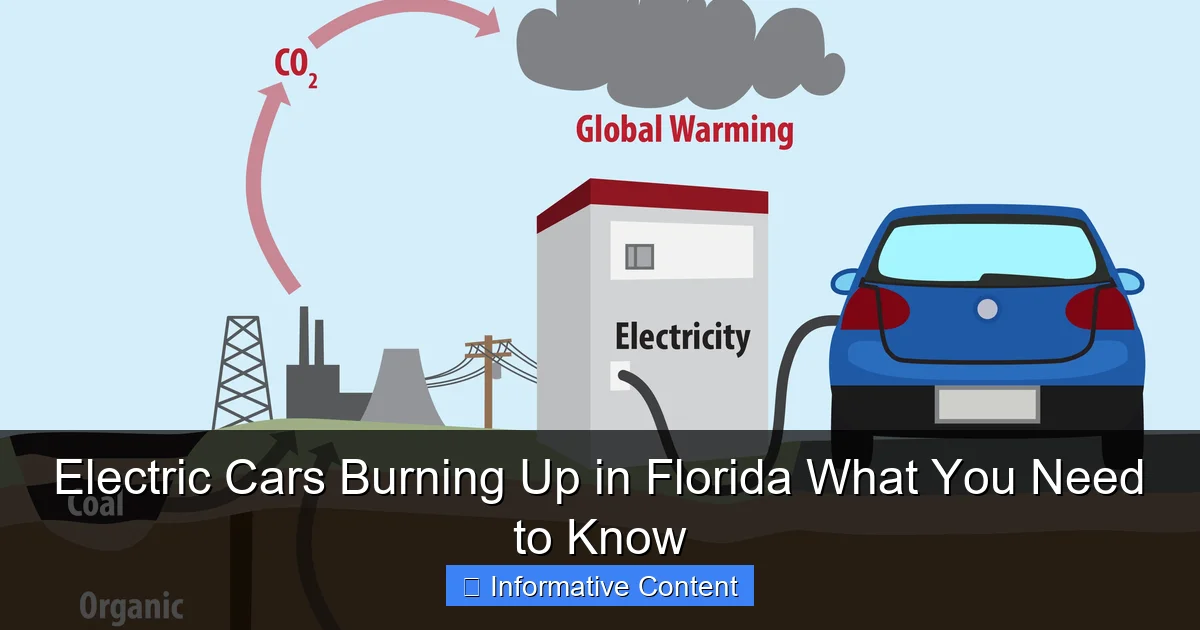
Featured image for electric cars burning up in florida
Image source: glbrc.org
Electric cars in Florida are catching fire due to saltwater exposure from hurricanes and flooding, sparking safety concerns. Investigations reveal that damaged battery packs, when exposed to saltwater, can short-circuit and ignite—even days after the initial incident. Owners must act quickly: avoid charging water-damaged EVs, move them to safe zones, and follow manufacturer flood guidelines to reduce risks.
Key Takeaways
- EV fires are rare but can occur due to battery damage or overheating.
- Park safely away from structures during extreme heat or after collisions.
- Monitor battery health regularly to reduce fire risks and ensure longevity.
- Follow charging guidelines—avoid overcharging and use certified equipment only.
- Know emergency steps—water is key to extinguishing EV battery fires.
- Insurance matters—verify your policy covers EV-specific fire damage.
📑 Table of Contents
- Electric Cars Burning Up in Florida: What You Need to Know
- Why Are Electric Cars Burning Up in Florida?
- How Common Are EV Fires in Florida?
- What to Do If Your EV Catches Fire
- How to Protect Your EV in Florida’s Climate
- What Manufacturers and Regulators Are Doing
- The Bottom Line: Stay Informed, Not Scared
Electric Cars Burning Up in Florida: What You Need to Know
Imagine this: You’re cruising down the sunny highways of Florida in your brand-new electric car, the AC blasting, and the ocean breeze sneaking through the windows. Life feels good. Then, out of nowhere, a warning light flashes on your dashboard. The car starts acting weird—slower acceleration, strange smells, and then, the unthinkable: a fire breaks out. This isn’t a scene from a disaster movie. It’s a reality that’s been making headlines across the Sunshine State.
Florida has seen a rise in electric vehicle (EV) fires, especially after hurricanes, during extreme heat, and even in regular driving conditions. While EVs are generally safe, the unique climate and weather patterns in Florida can create challenges that owners need to understand. If you’re considering buying an EV here—or already own one—this isn’t meant to scare you. It’s meant to prepare you. In this post, we’ll break down why electric cars burning up in Florida isn’t just a rumor, what causes it, how to protect yourself, and what experts are saying. Think of this as a friendly, no-nonsense chat over coffee—with a dash of real talk.
Why Are Electric Cars Burning Up in Florida?
The Role of Saltwater and Flooding
One of the biggest reasons electric cars burning up in Florida has become a growing concern is saltwater exposure. After hurricanes like Ian (2022) and Nicole (2022), hundreds of EVs were submerged in saltwater. While gasoline cars can suffer corrosion too, EVs have a hidden danger: their lithium-ion batteries.
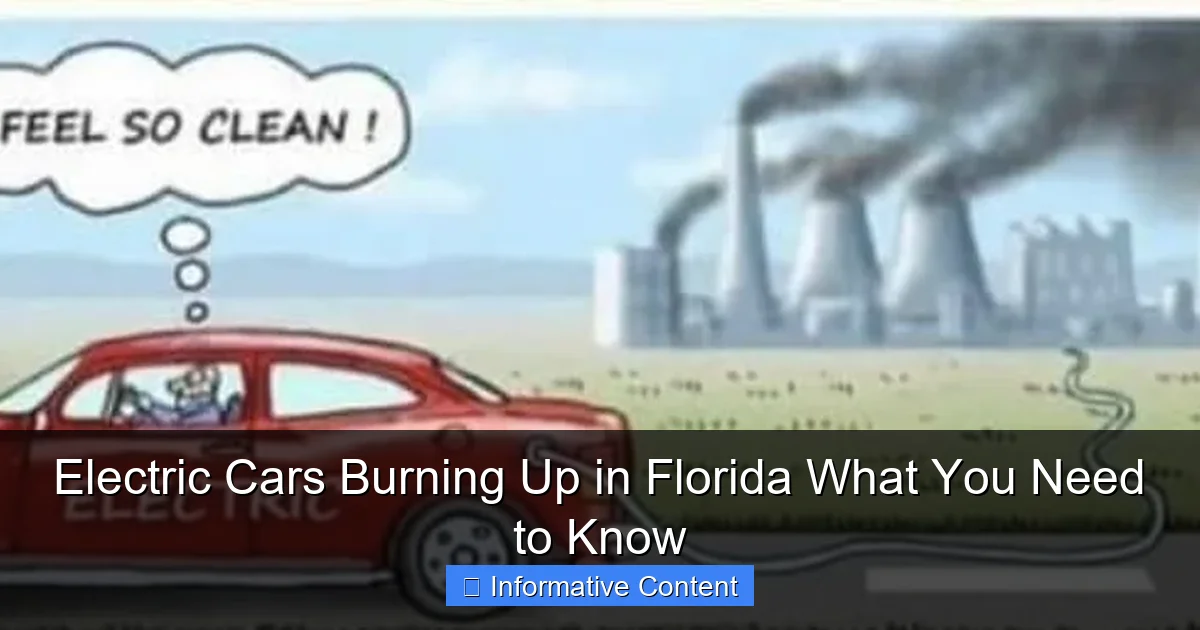
Visual guide about electric cars burning up in florida
Image source: assets-global.website-files.com
Saltwater is highly conductive and corrosive. When it seeps into an EV’s battery pack—even through tiny cracks or seals—it can cause a short circuit. This leads to a phenomenon called thermal runaway, where the battery cells overheat and ignite. And once a lithium-ion battery catches fire, it’s tough to stop. Water? It makes it worse. Firefighters often have to use special techniques, like submerging the entire car in a water tank, to fully extinguish the flames.
Real-world example: After Hurricane Ian, the National Highway Traffic Safety Administration (NHTSA) reported over 100 EV fires in Florida. Many were traced back to vehicles parked in flooded garages or streets. The saltwater didn’t destroy the car immediately, but days later, fires started—sometimes without warning.
Extreme Heat and Battery Stress
Florida isn’t just humid—it’s hot. Average summer temperatures hover around 90°F (32°C), and parking in direct sunlight can push interior temps past 130°F (54°C). While EVs are designed to handle heat, prolonged exposure can degrade battery performance and increase the risk of overheating.
Battery management systems (BMS) are meant to prevent overheating, but they’re not foolproof. In rare cases, a software glitch or hardware failure can let temperatures rise beyond safe levels. This is especially true in older EV models or after battery repairs. High heat also accelerates chemical reactions inside the battery, which can lead to internal shorts or swelling—early signs of a potential fire.
Tip: If you live in South Florida or Central Florida, consider using a car cover or parking in a garage or shaded area during peak sun hours. Even a simple sunshade can help keep the cabin cooler, which indirectly reduces battery stress.
Charging Habits and Power Surges
Another factor? How and when people charge their EVs. In Florida, many homeowners rely on older electrical systems that weren’t built for 240-volt Level 2 chargers. During storms or heatwaves, power surges are common. If your home’s wiring isn’t up to code, a surge can damage the EV’s onboard charger or battery management system.
Also, fast-charging (DC charging) generates a lot of heat. Using public fast chargers multiple times a day—especially in hot weather—can push the battery beyond its thermal limits. Some EV owners report battery warning lights after repeated fast charges during summer months.
Pro tip: Stick to Level 2 charging at home when possible. Save fast charging for road trips. And if you’re in an area with frequent power outages or lightning storms, consider installing a surge protector for your EV charger.
How Common Are EV Fires in Florida?
Data vs. Perception
Let’s get one thing straight: EVs are not more likely to catch fire than gas-powered cars—on average. According to a 2023 study by the National Fire Protection Association (NFPA), gasoline and diesel vehicles are about 20 times more likely to catch fire than EVs. But perception matters. When an EV fire happens, it’s loud, dramatic, and hard to extinguish. That makes it news.
In Florida, though, the numbers are starting to shift slightly. The Florida State Fire Marshal’s office reported a 30% increase in EV-related fire calls between 2021 and 2023. Most were linked to post-flood incidents, not everyday driving. Still, the trend is real—and it’s getting attention from insurers, fire departments, and lawmakers.
Comparing EV Fires to Gas Car Fires
Gasoline fires are often caused by fuel leaks, engine problems, or collisions. They usually start in the engine bay and spread quickly. But they’re easier to fight—water and foam can douse the flames in minutes.
EV fires, on the other hand, start in the battery pack—usually under the floor. This makes them harder to reach. Lithium-ion fires burn hotter (up to 1,400°F/760°C) and can reignite hours or even days later. Firefighters in Miami-Dade and Broward counties now carry special EV fire kits with thermal imaging cameras and high-capacity water tanks.
Example: In 2023, a Tesla Model 3 caught fire in a parking garage in Fort Lauderdale. The fire department responded quickly, but the car reignited twice after being moved. It took over 30,000 gallons of water to fully suppress the fire—more than 10 times what a gas car would need.
Insurance and Resale Impact
Because EV fires are so destructive, insurance companies are adjusting their policies. Some now charge higher premiums for EVs in flood-prone areas. Others require additional inspections after storm damage.
Resale value is also affected. A 2023 study by iSeeCars.com found that EVs with flood history lose up to 40% more value than non-flooded EVs—even if they’re repaired. Buyers are wary of “hidden” battery damage.
Tip: If you’re buying a used EV in Florida, always check for flood damage. Ask for a Carfax or AutoCheck report and look for terms like “saltwater exposure,” “flood,” or “water intrusion.” A pre-purchase inspection by a certified EV mechanic is also a smart move.
What to Do If Your EV Catches Fire
Immediate Actions
If you’re driving and notice smoke, a burning smell, or warning lights, pull over safely and turn off the vehicle. Don’t open the hood or trunk. EV fires often start in the battery pack, which is under the floor. Opening the car could let in oxygen and make the fire worse.
Get everyone out and move at least 150 feet away. Call 911. Tell the dispatcher it’s an electric car. This is critical—firefighters need to know they’re dealing with a lithium-ion battery fire, not a gas fire.
Real story: In 2022, a Rivian R1T driver in Tampa saw smoke coming from the floorboard. He pulled over, exited the car, and called 911. Firefighters arrived and used thermal cameras to locate the hot spot. They contained the fire before it spread to nearby vehicles—thanks to quick action.
What Firefighters Do
EV fires require special tactics. Fire departments in Florida are now trained in “EV response protocols.” Here’s what happens:
- They isolate the vehicle and keep a safe perimeter.
- They use thermal imaging to find the source of the heat.
- They may puncture the battery pack to release pressure (a technique called “venting”).
- They use large amounts of water—sometimes thousands of gallons—to cool the battery.
- They monitor the car for hours to prevent reignition.
Some departments, like the Miami Fire Rescue, have even built “EV fire pits”—concrete-lined pits where burning EVs can be safely submerged.
After the Fire: Reporting and Claims
After an EV fire, contact your insurance company immediately. Most policies cover fire damage, but you’ll need to provide photos, police reports, and a fire department incident report.
The manufacturer (e.g., Tesla, Ford, Hyundai) may also send a team to investigate. They’ll analyze the battery, software logs, and charging history to determine the cause. This can take weeks, but it’s important for future safety improvements.
Tip: Keep a record of all charging sessions, maintenance, and software updates. This can help prove the fire wasn’t due to misuse.
How to Protect Your EV in Florida’s Climate
Pre-Storm Preparation
If a hurricane is coming, don’t wait until the last minute. Here’s how to protect your EV:
- Charge to 50-80%: Fully charged batteries are more prone to thermal runaway. But you still want enough charge to move the car if needed.
- Park on higher ground: Avoid flood zones, garages with poor drainage, and low-lying streets.
- Unplug the charger: Even if the power goes out, a surge when it comes back can damage the system.
- Cover the car: A waterproof car cover can help block salt spray and debris.
Bonus tip: If you have a home generator, make sure it’s properly grounded and surge-protected before plugging in your EV.
Daily Habits for Battery Health
Your EV’s battery is like a smartphone—it lasts longer with good habits. Here’s how to keep it healthy in Florida’s heat:
- Avoid full charges: Keep the battery between 20% and 80% when possible. Use “Daily” charging mode if your car has it.
- Park in shade or garage: Even a few degrees cooler can make a difference.
- Limit fast charging: Use it only when necessary. Level 2 charging is gentler on the battery.
- Update software regularly: Manufacturers often release updates to improve battery management.
Example: A Tesla Model Y owner in Orlando reduced battery degradation by 30% over two years by avoiding 100% charges and fast charging in summer.
Home Charging Safety
Your home charger is the lifeline of your EV. Make sure it’s safe:
- Use a licensed electrician to install or upgrade your charger.
- Install a surge protector or whole-house surge device.
- Check cords and connectors for wear every 6 months.
- Keep the charging area dry and well-ventilated.
Warning: Never use extension cords or unapproved adapters. They can overheat and cause fires.
What Manufacturers and Regulators Are Doing
New Battery Technologies
Car companies know EV fires are a PR nightmare. That’s why they’re investing in safer battery tech. Some newer EVs now use lithium iron phosphate (LFP) batteries, which are more stable in heat and less likely to catch fire. Models like the Tesla Model 3 Standard Range, Ford Mustang Mach-E, and Hyundai Ioniq 5 offer LFP options.
Other innovations include:
- Thermal insulation: Extra layers between battery cells to slow heat spread.
- Improved BMS: Smarter software that detects early signs of trouble.
- Fire-resistant enclosures: Battery packs sealed with flame-retardant materials.
Government and Industry Response
The U.S. Department of Transportation and NHTSA are updating EV safety standards. In 2023, they issued new guidelines for post-flood EV handling, including:
- Mandatory inspections before resale or reuse.
- Clear labeling of flood-damaged EVs.
- Training for tow truck drivers on EV safety.
Florida’s Department of Environmental Protection is also working with automakers to create a “flooded EV database” to track affected vehicles and prevent them from being resold without disclosure.
Fire Department Training
Firefighters across Florida are getting specialized EV training. The International Association of Fire Fighters (IAFF) offers courses on EV response, battery hazards, and safety protocols. Some departments now carry EV fire blankets—special covers that smother the fire and prevent oxygen from feeding it.
Data Table: EV Fire Response Tools in Florida Fire Departments (2023)
| Tool | Used By | Purpose |
|---|---|---|
| Thermal Imaging Cameras | 85% of urban departments | Locate hot spots in battery |
| EV Fire Blankets | 40% (growing) | Smother flames, reduce oxygen |
| Submersion Tanks | 15% (mostly coastal) | Fully douse burning battery |
| Specialized Foam | 25% | Suppress reignition risk |
The Bottom Line: Stay Informed, Not Scared
Let’s be clear: electric cars burning up in Florida isn’t a reason to avoid EVs. It’s a reason to be smart. EVs are still one of the safest, cleanest, and most efficient ways to drive—especially in a state that’s pushing hard for sustainability.
The truth is, most EV fires in Florida are preventable. They’re often caused by extreme weather, poor charging habits, or lack of awareness—not flaws in the technology itself. By understanding the risks and taking simple steps (like parking smart, charging wisely, and preparing for storms), you can enjoy your EV with peace of mind.
And remember: every new technology has growing pains. When cars first hit the road, they were dangerous too. But with better roads, seat belts, and safety rules, they got safer. The same is happening with EVs. Manufacturers are learning. Regulators are adapting. Firefighters are training. And drivers like you are becoming more informed every day.
So if you’re thinking about going electric in Florida—or already have—don’t let fear stop you. Just be prepared. Know the risks. Take precautions. And keep enjoying the quiet, smooth, sun-kissed ride. Because the future of driving is electric—and with a little care, it can be safe, too.
Frequently Asked Questions
Why are electric cars burning up in Florida more frequently than in other states?
Florida’s high humidity, saltwater exposure, and frequent hurricanes create a harsh environment that can damage electric car batteries. These conditions may increase the risk of short circuits or battery failures, leading to fires. While rare, such incidents often make headlines due to the dramatic nature of lithium-ion battery fires.
Are electric cars more prone to catching fire than gas-powered vehicles in Florida?
No, studies show EVs are actually less likely to catch fire than gasoline cars, but their fires burn hotter and longer when they occur. The perception of increased risk in Florida is often fueled by high-profile cases and the intense, hard-to-extinguish nature of lithium-ion battery fires.
How does Florida’s climate contribute to electric cars burning up?
The combination of extreme heat, salt air, and flooding can corrode electrical components and degrade battery packs over time. This environmental stress may lead to malfunctions that, in rare cases, result in thermal runaway and fires, especially if batteries aren’t properly maintained.
What should I do if my electric car catches fire in Florida?
Evacuate immediately and call 911—do not attempt to extinguish the fire yourself. Florida fire departments recommend keeping a safe distance, as EV battery fires require specialized equipment and large amounts of water to suppress, often taking hours to fully contain.
Can hurricane flooding cause electric cars to catch fire?
Yes, submerged EVs pose a fire risk if saltwater breaches battery packs, causing short circuits. Florida officials now warn against storing electric cars in flooded areas, as saltwater corrosion can lead to delayed fires even after the vehicle appears undamaged.
Are manufacturers improving safety to prevent electric cars from burning up in Florida?
Yes, automakers are enhancing battery enclosures, cooling systems, and waterproofing to meet Florida’s harsh conditions. Newer models often feature improved diagnostics and fire-resistant materials to reduce the risk of thermal events in high-risk environments.