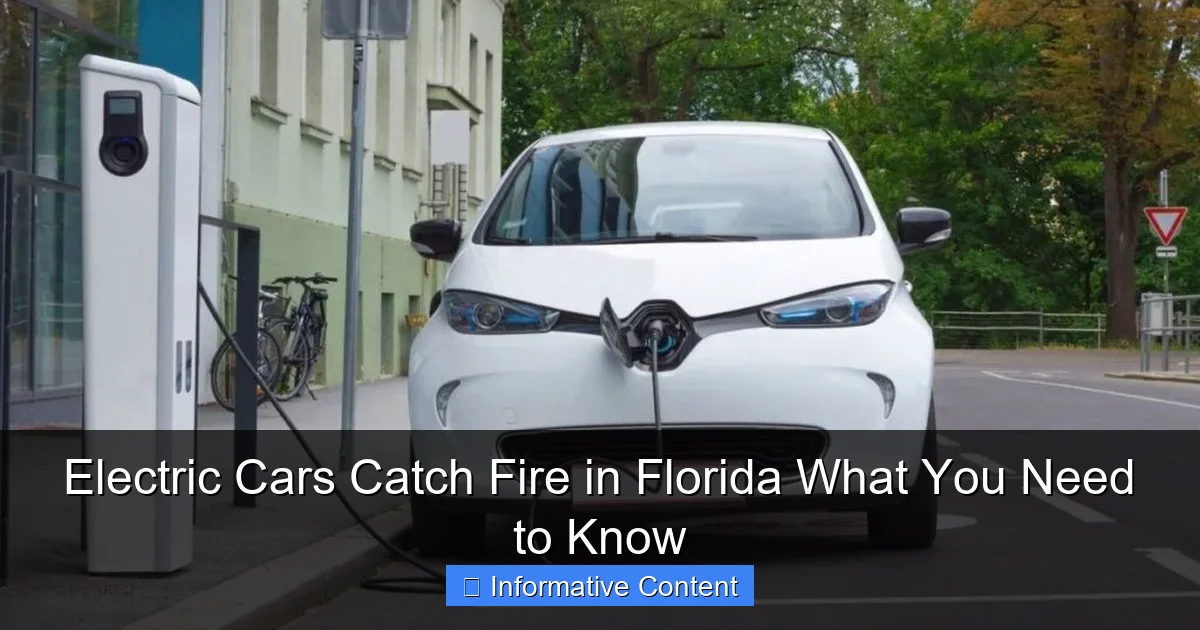
Electric Cars Catch Fire in Florida What You Need to Know

Featured image for electric cars catch fire in florida
Image source: img-s-msn-com.akamaized.net
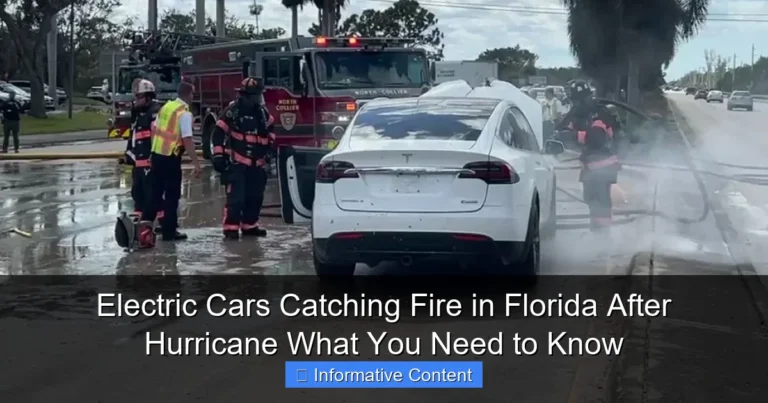
Electric cars in Florida are catching fire due to saltwater exposure from hurricanes, raising urgent safety concerns. Investigations reveal that compromised battery packs in flooded EVs can ignite days or weeks after water damage, posing risks even when vehicles appear undamaged. Owners must avoid driving or charging flood-damaged EVs and contact manufacturers immediately to prevent potential fires.
Key Takeaways
- EV fires are rare: Combustion risks are lower than gas cars but require unique response.
- Saltwater worsens risks: Flood-damaged EVs need immediate inspection to prevent corrosion-related fires.
- Call 911 first: Never attempt to extinguish EV fires alone—emergency teams have specialized tools.
- Monitor battery damage: Post-storm, check for battery leaks or unusual odors in parked EVs.
- Use certified chargers: Faulty charging equipment is a top cause of EV fires—always verify safety certifications.
- Evacuate and warn: If your EV catches fire, move bystanders 100+ ft away and alert responders.
📑 Table of Contents
Why Are Electric Cars Catching Fire in Florida?
Imagine driving down a sunny Florida highway, the palm trees swaying in the breeze, when suddenly your electric car starts smoking. It sounds like a scene from a disaster movie, but for some drivers, it’s become a terrifying reality. In recent years, Florida has seen a growing number of electric vehicles (EVs) catching fire, sparking concern among owners, first responders, and policymakers alike. While EVs are celebrated for their eco-friendliness and cutting-edge tech, these incidents have raised urgent questions about safety—especially in a state known for its heat, humidity, and hurricanes.
You might be wondering, “Is this a new problem?” Not exactly. Electric cars have always carried a small fire risk, but the frequency of incidents in Florida—particularly after hurricanes and in hot conditions—has brought the issue into sharp focus. From flooded Teslas to overheating batteries in the summer sun, the Sunshine State has become an unexpected hotspot for EV-related fires. But before you panic or swear off EVs forever, let’s dive into what’s really happening, why it’s happening, and what you can do to protect yourself and your vehicle.
Understanding the Science Behind EV Fires
How Lithium-Ion Batteries Work (and Fail)
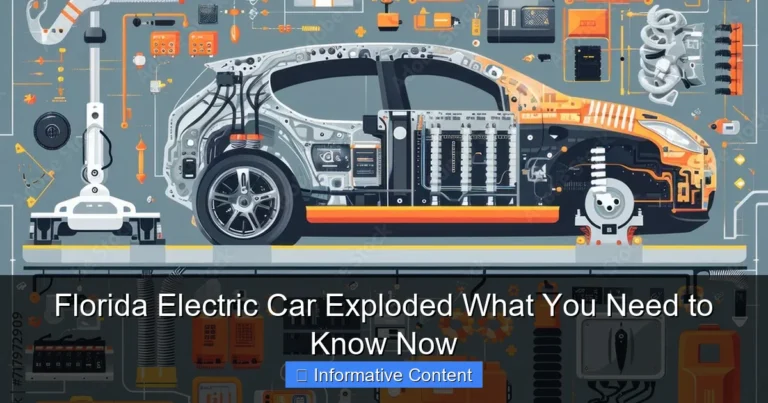
At the heart of every electric car is a lithium-ion battery. These batteries are powerful, energy-dense, and perfect for storing the electricity needed to power your car. But they’re also complex and sensitive. Think of them like a tightly packed stack of matchboxes—each cell contains flammable electrolytes and reactive metals. When something goes wrong, the results can be explosive.
Visual guide about electric cars catch fire in florida
Image source: rechargedcommute.com
EV fires often start due to thermal runaway. This is a chain reaction where one overheating battery cell causes neighboring cells to heat up, creating a domino effect. Once thermal runaway begins, it’s hard to stop. The battery can reach temperatures over 1,000°F (538°C) in seconds, releasing toxic gases and flames that are extremely difficult to extinguish.
Common triggers include:
- Physical damage (e.g., a crash or puncture)
- Overcharging or faulty charging equipment
- Manufacturing defects in battery cells or management systems
- Environmental stress like extreme heat or saltwater exposure
Why Florida’s Climate Makes a Difference
Florida isn’t just hot—it’s consistently hot. Summer temperatures often hover around 90–100°F (32–38°C), with humidity pushing the heat index even higher. For EVs, this means batteries are working overtime to stay cool. The car’s thermal management system—a network of cooling pipes and pumps—must constantly regulate battery temperature. In extreme heat, this system can be overwhelmed, increasing the risk of overheating.
Then there’s saltwater. Coastal flooding, storm surges, and even salty ocean air can corrode battery casings and electrical components. When saltwater mixes with battery terminals, it can cause short circuits. This is especially dangerous because saltwater conducts electricity and can lead to arcing—tiny electrical sparks that ignite flammable gases.
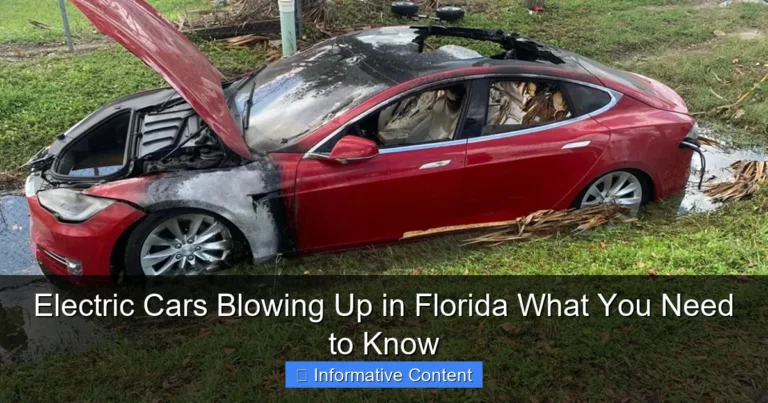
One Florida owner shared her experience: “My Model Y was parked on the street during Hurricane Ian. When the floodwaters receded, the car wouldn’t start. A week later, it caught fire in my driveway. The fire department said it was likely due to water damage to the battery.”
Recent Incidents: What We’ve Learned So Far
Hurricane Ian and the Surge of Post-Flood Fires
In 2022, Hurricane Ian devastated parts of Southwest Florida, leaving behind flooded neighborhoods and thousands of damaged vehicles. Among them were dozens of EVs—many of which caught fire days or even weeks after the storm. According to the Florida Division of Emergency Management, at least 16 EVs ignited in the aftermath of Ian, with some fires occurring while the cars were parked and unplugged.
Why the delay? Lithium-ion batteries can remain unstable long after water exposure. Saltwater seeps into tiny crevices, causing corrosion that slowly builds up electrical resistance. Over time, this can generate heat and trigger thermal runaway. Unlike gasoline cars, which might simply fail to start after a flood, EVs can become ticking time bombs.
Fire departments across Florida reported that these fires were particularly hard to fight. Standard fire extinguishers and even water didn’t always work. In one case, a Tesla in Naples required over 20,000 gallons of water to fully extinguish—more than 10 times what a gasoline fire would need.
Everyday Fires: Heat, Charging, and Human Error
Not all EV fires happen after natural disasters. In 2023, a Rivian R1T caught fire while charging at a public station in Orlando. Investigators later found that a faulty charging cable had overheated, melting the car’s onboard charger and igniting nearby components. No one was injured, but the incident highlighted the risks of using third-party or damaged charging equipment.
Another case involved a Ford Mustang Mach-E in Tampa. The car had been parked in direct sunlight for several hours. When the owner returned, they noticed a burning smell and called 911. Firefighters discovered the battery pack was overheating due to a malfunctioning cooling fan. The car wasn’t damaged, but the battery had to be quarantined for safety.
These incidents show that EV fires aren’t just about extreme weather—they can happen during normal use. The good news? Most are preventable with awareness and proper maintenance.
How Fire Departments Are Adapting to EV Fires
New Training and Equipment
For decades, firefighters were trained to cut power to gas pumps and use foam to smother gasoline fires. But EVs require a whole new playbook. Lithium-ion battery fires don’t respond to traditional methods. Water can actually make things worse by reacting with lithium, releasing hydrogen gas and intensifying the flames.
Now, departments across Florida are investing in specialized training. The Miami-Dade Fire Rescue, for example, has partnered with EV manufacturers to learn how to safely isolate and cool battery packs. They’ve also added new tools to their arsenal:
- Thermal imaging cameras to detect hotspots in battery packs
- High-volume water monitors that can deliver thousands of gallons per minute
- Fire blankets designed to smother EV fires without water
- Quarantine containers to store damaged EVs safely
“We’re not afraid of EVs,” said Captain Luis Rivera of the Fort Lauderdale Fire Department. “But we need to understand them. These cars are different, and our tactics have to evolve.”
Challenges in Rural and Coastal Areas
While big cities like Miami and Tampa have the resources to adapt, rural and coastal communities face bigger challenges. Many small fire departments lack the budget for new equipment or training. In some areas, it can take 30+ minutes for help to arrive—plenty of time for a battery fire to escalate.
There’s also the issue of accessibility. EVs often have battery packs located under the floor, making them hard to reach. Firefighters may need to cut through the chassis or use heavy machinery to expose the battery. This delays response time and increases the risk of injury.
One solution? Community awareness programs. Fire departments are now hosting workshops to teach EV owners how to identify warning signs (like strange smells or dashboard alerts) and what to do if their car starts smoking. “Prevention is our best tool,” said Chief Maria Lopez of the Sarasota Fire Department.
What EV Owners Can Do to Stay Safe
Preventive Maintenance Tips
You can’t control the weather, but you can control how you care for your car. Here are practical steps to reduce fire risk:
- Inspect charging cables regularly for fraying, melting, or discoloration. Replace them every 1–2 years or as recommended by the manufacturer.
- Avoid extreme temperatures when charging. Don’t charge your EV in direct sunlight during a 95°F+ day. Use shaded parking or garages.
- Keep your battery between 20% and 80% for daily use. Deep discharges and constant full charges stress the battery.
- Update your software regularly. Manufacturers often release fixes for battery management systems.
- Check for recalls on your vehicle’s battery or charging system. Visit the NHTSA recall page monthly.
What to Do If Your Car Catches Fire
If you ever experience an EV fire, act fast—but stay calm. Here’s what to do:
- Evacuate immediately. Get at least 150 feet away and call 911.
- Do NOT use a fire extinguisher unless the fire is in the cabin (e.g., a seat or dashboard). Battery fires require special tactics.
- Inform firefighters it’s an EV. Say “This is an electric vehicle with a lithium-ion battery.” This helps them prepare the right tools.
- Do NOT touch the car after the fire is out. Batteries can reignite hours or days later.
- Contact your manufacturer. They may send a team to assess the battery and arrange safe disposal.
One owner in Jacksonville followed these steps after his Tesla started smoking in his garage. “I got my family out, called 911, and told them it was an EV,” he said. “The firefighters knew exactly what to do. They used a thermal camera and kept the car cool for hours. It could’ve been much worse.”
Flood Safety: Protecting Your EV in Hurricanes
If you live in a flood-prone area:
- Park on high ground during storms. Avoid streets, parking garages, or low-lying areas.
- Unplug your charger if flooding is expected. Water and electricity don’t mix.
- Have a plan to move your car if evacuation orders come. Don’t wait until it’s too late.
- If your car floods, do NOT start it. Call your dealer or a certified EV technician. They’ll need to inspect the battery before it’s safe to use.
The Bigger Picture: Are EVs Really More Dangerous?
Comparing EV and Gasoline Car Fire Rates
It’s easy to assume EVs are more fire-prone, but the data tells a different story. According to the National Fire Protection Association (NFPA), gasoline-powered vehicles are involved in about 174,000 fires per year in the U.S. That’s roughly 476 per day. In contrast, the National Transportation Safety Board (NTSB) estimates that EVs account for fewer than 300 fires annually—despite being a much smaller segment of the market.
Here’s a quick comparison:
| Vehicle Type | Annual Fires (U.S.) | Fire Rate per 100,000 Vehicles |
|---|---|---|
| Gasoline Cars | 174,000 | 60–70 |
| Electric Cars | ~300 | 10–15 |
| Hybrid Cars | ~1,500 | 20–25 |
So yes, EV fires are rare—but they’re also more intense and harder to fight. This skews public perception. A single viral video of an EV fire can overshadow thousands of unreported gasoline fires.
The Future of EV Safety
Manufacturers aren’t ignoring the issue. Newer EVs now come with safer battery designs, like:
- Solid-state batteries (in development) that use non-flammable materials
- Improved thermal management with redundant cooling systems
- Battery enclosures that contain fires and vent gases safely
Regulators are also stepping in. The National Highway Traffic Safety Administration (NHTSA) is working on new safety standards for EV batteries, including requirements for post-crash fire resistance and better labeling for first responders.
As one Tesla engineer put it: “We’re not just building cars—we’re building safety systems. Every new model learns from the last.”
Electric cars catch fire in Florida—but so do gasoline cars. The difference is visibility, response, and perception. By understanding the risks, staying informed, and taking simple precautions, you can enjoy the benefits of EV ownership without fear. Whether you’re a current owner, a curious shopper, or just a concerned resident, knowledge is your best defense.
The road ahead is electric. And with the right care, it can be a safe one too.
Frequently Asked Questions
Why are electric cars catching fire in Florida more frequently?
Florida’s humid climate and frequent exposure to saltwater—especially after hurricanes or flooding—can corrode electric car batteries, increasing fire risks. While electric vehicles (EVs) are generally safe, damaged battery packs in these conditions may short-circuit and ignite.
Are electric cars more likely to catch fire than gas-powered cars in Florida?
No, statistically, gas-powered vehicles are more prone to fires than EVs. However, electric cars catching fire in Florida often make headlines due to the intensity and difficulty of extinguishing battery-related fires.
What should I do if my electric car catches fire in Florida?
Evacuate immediately and call 911—do not attempt to extinguish the fire yourself. Warn responders it’s an EV fire, as lithium-ion battery blazes require specialized firefighting techniques and may reignite hours later.
Can flooding or hurricanes cause electric cars to catch fire?
Yes, submerged EVs with compromised battery packs can short-circuit and ignite days after water exposure. Florida officials often warn owners to move flooded EVs to open areas and avoid charging them until inspected.
How can I reduce the risk of my electric car catching fire in Florida?
Park EVs away from flood-prone areas, avoid deep water, and follow manufacturer guidelines for post-flood inspections. Regular maintenance and avoiding battery damage can significantly lower risks of electric cars catching fire in Florida.
Are manufacturers addressing the issue of electric car fires in Florida?
Yes, automakers are improving battery enclosures, thermal management systems, and fire-resistant materials to mitigate risks. Newer EV models also include sensors to detect battery damage and alert drivers before issues escalate.