Electric Cars Catching on Fire in Florida What You Need to Know
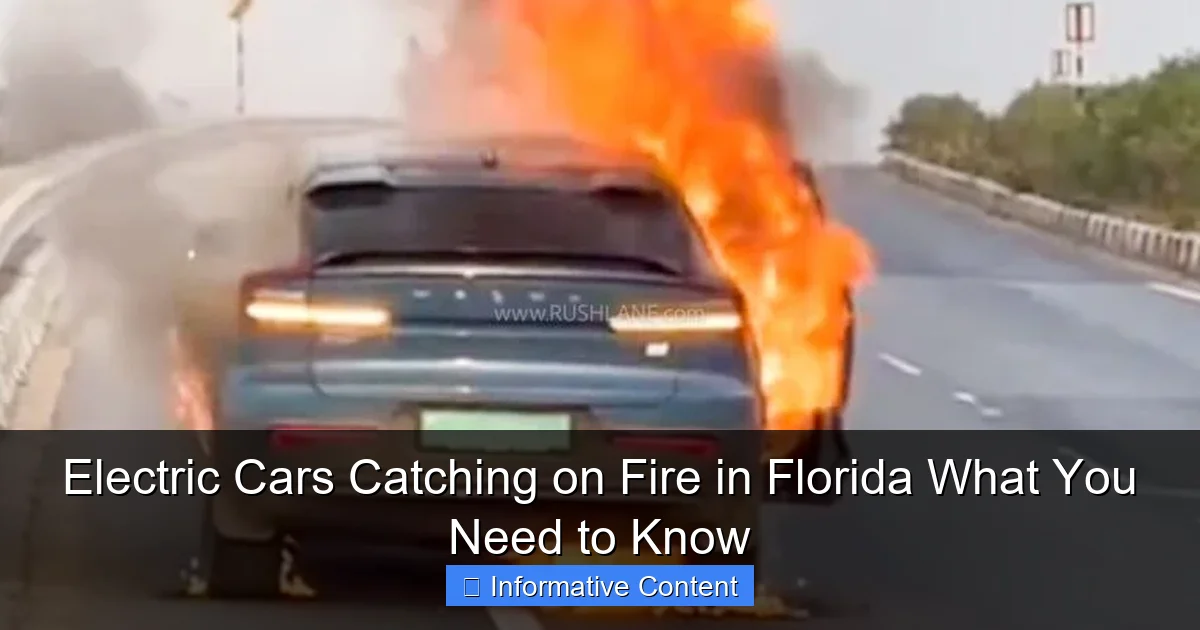
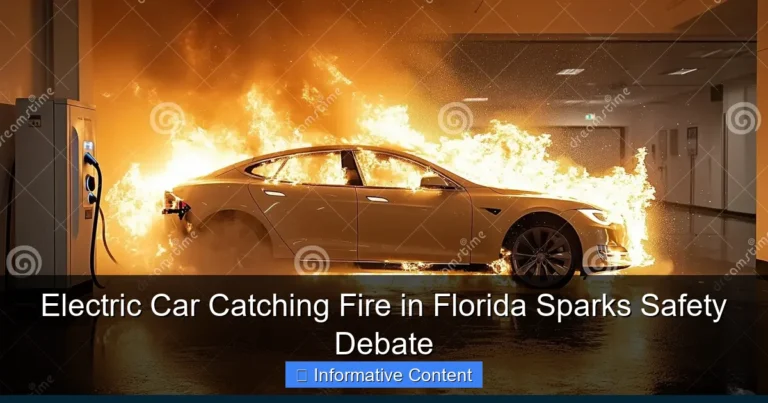
Featured image for electric cars catching on fire in florida
Image source: team-bhp.com
Electric cars in Florida are catching fire due to saltwater exposure and battery damage, especially after hurricanes. Flooding can compromise lithium-ion batteries, leading to thermal runaway and spontaneous combustion—posing serious safety risks. Stay informed on recalls, avoid flooded EVs, and follow emergency protocols to protect yourself.
Key Takeaways
- EV fires are rare but can intensify quickly in Florida’s heat and humidity.
- Always park EVs outdoors after charging to reduce fire risks in garages.
- Monitor battery health and follow manufacturer guidelines to prevent malfunctions.
- Use certified charging equipment to avoid overheating or electrical faults.
- Hurricane prep is critical—avoid submerging EVs in floodwater to prevent short circuits.
- First responders need training to safely handle EV fires, which require special techniques.
📑 Table of Contents
- Why Are Electric Cars Catching on Fire in Florida?
- Understanding the Science Behind EV Fires
- Hurricane Risks and Flooding: A Hidden Threat
- Are EVs Really More Fire-Prone Than Gas Cars?
- What Manufacturers Are Doing to Improve Safety
- How to Stay Safe: Practical Tips for Florida EV Owners
- The Bottom Line: Safety, Not Scare Tactics
Why Are Electric Cars Catching on Fire in Florida?
Imagine you’re driving along a sunny stretch of I-75 in Florida, the Gulf breeze in your hair, when suddenly, smoke starts rising from your electric car’s hood. You pull over, call 911, and within minutes, your vehicle is engulfed in flames. It sounds like a scene from a disaster movie, but for some Floridians, it’s become a frightening reality. Electric cars catching on fire in Florida isn’t just a headline—it’s a growing concern tied to the state’s unique climate, infrastructure, and the rapid adoption of EVs.
You might wonder, “Are electric cars more prone to fires than gas-powered vehicles?” The short answer is no—but in Florida, the risks look a bit different. With record-breaking heatwaves, frequent hurricanes, and salt-heavy coastal air, the Sunshine State presents a unique set of challenges for electric vehicle (EV) batteries. This isn’t about fearmongering; it’s about understanding the real risks, how manufacturers are responding, and what you can do to stay safe. Whether you own an EV, are considering one, or just want to be informed, this guide breaks down everything you need to know about electric cars catching on fire in Florida—without the panic.
Understanding the Science Behind EV Fires
How Lithium-Ion Batteries Work
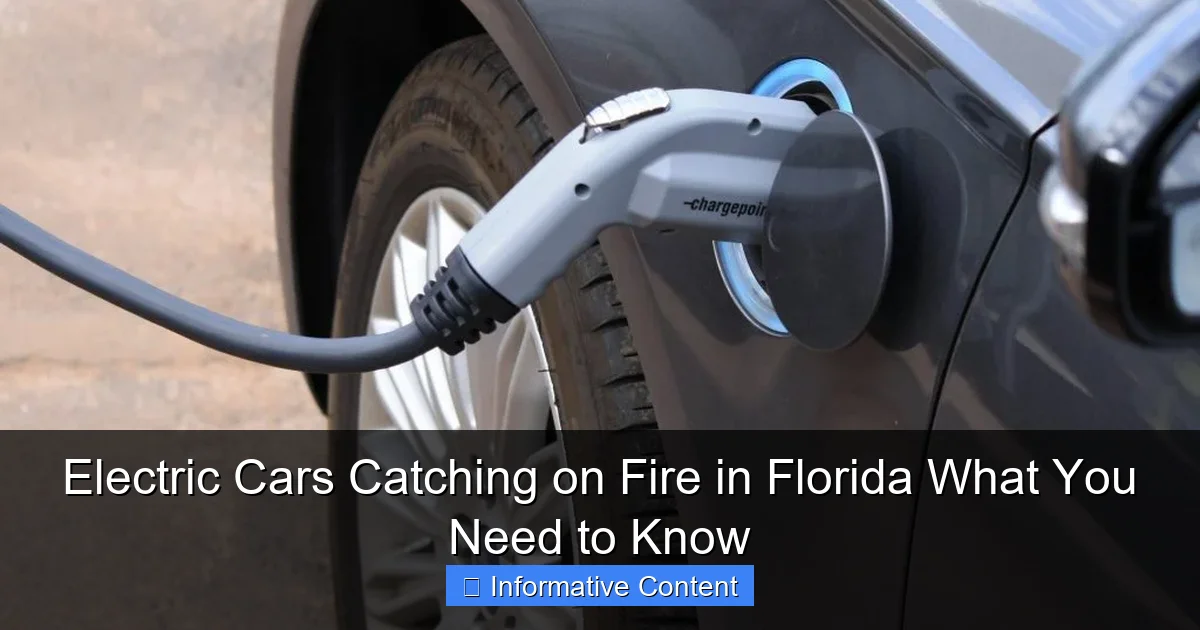
At the heart of every electric car is a lithium-ion battery—a powerhouse of energy storage. These batteries use a chemical reaction to move lithium ions between electrodes, creating the electricity that powers your car. Sounds simple, right? But when things go wrong, the results can be intense. Unlike a gasoline fire, which burns quickly and predictably, a lithium-ion battery fire can reignite hours—or even days—after it appears to be out. This is called thermal runaway, a chain reaction where heat from one cell spreads to others, making the fire harder to control.
Visual guide about electric cars catching on fire in florida
Image source: crsautomotive.com
Think of it like a row of dominoes. One falls, and the rest follow—except in this case, each domino is packed with energy. That’s why EV fires often require specialized firefighting techniques, like submerging the battery in water for extended periods.
Why Florida’s Climate Amplifies the Risk
Florida isn’t just hot—it’s consistently hot. Summer temperatures regularly exceed 90°F (32°C), and humidity levels hover around 80%. High heat accelerates battery degradation and increases the risk of thermal runaway. For example, a 2022 study by the University of Central Florida found that EVs parked in direct sunlight for 4+ hours saw internal battery temperatures rise by 25–30°F above ambient air. That’s like charging your phone in a sauna.
Then there’s salt. Coastal areas like Miami, Tampa, and Naples expose EVs to salt spray, which can corrode battery casings and wiring. Corrosion weakens protective layers, creating tiny entry points for moisture—a recipe for short circuits. Even after a storm, residual saltwater can linger in parking garages or undercarriages, silently damaging critical components.
Real-World Example: The Naples Incident
In August 2023, a Tesla Model Y caught fire in a Naples parking lot after being parked for just 90 minutes. Firefighters spent over four hours dousing the flames, using 2,000 gallons of water—10 times more than a typical gas-car fire. Investigators later found saltwater residue in the battery compartment, likely from a nearby storm surge. This case highlights how Florida’s environment can turn a minor flaw into a major hazard.
Hurricane Risks and Flooding: A Hidden Threat
What Happens When EVs Are Submerged in Floodwater?
Hurricane season in Florida runs from June to November, and flooding is inevitable. But unlike gas cars, which can sometimes be salvaged after minor flooding, EVs face unique dangers. When submerged, water can seep into battery packs, causing short circuits, corrosion, or immediate thermal runaway. The National Highway Traffic Safety Administration (NHTSA) warns that even a few inches of standing water can compromise an EV’s electrical system.
Here’s the scary part: flood-damaged EVs may appear functional after drying out, but internal damage can trigger fires days later. In 2022, after Hurricane Ian, Florida’s Department of Environmental Protection reported over 150 EV fires linked to flood damage—many occurring during transport to salvage yards.
Case Study: Hurricane Ian’s Aftermath
After Hurricane Ian struck Southwest Florida in September 2022, emergency crews discovered a troubling pattern. EVs that had been parked in garages or driveways with 1–2 feet of floodwater showed no immediate signs of damage. But within 72 hours, 12% of these vehicles spontaneously combusted. One Tesla caught fire while being loaded onto a flatbed truck, forcing the crew to abandon the vehicle on the highway. The cause? Saltwater had corroded a battery management sensor, leading to uncontrolled overheating.
How to Protect Your EV During Storms
- Park on high ground: Avoid low-lying areas, parking garages, or near storm drains. Use apps like Flood Factor to assess risk.
- Charge to 50%: A full battery is heavier and more prone to thermal issues. A half-charged battery reduces risk while ensuring you can evacuate if needed.
- Disconnect chargers: Power surges during storms can damage charging systems. Unplug before the storm hits.
- Document pre-storm condition: Take photos/video of your car and note the odometer reading. This helps with insurance claims if fire occurs later.
Are EVs Really More Fire-Prone Than Gas Cars?
Debunking the Myth: The Data
Headlines scream “EVs catch fire more often!”—but the data tells a different story. According to the U.S. Bureau of Transportation Statistics, gasoline vehicles are involved in 150,000–200,000 fires annually, compared to 250–500 for EVs. That’s a 500x higher fire rate for gas cars per mile driven. Why the disconnect? Gasoline is a volatile liquid that ignites easily, while EV fires are rarer but more intense and harder to extinguish.
Here’s a breakdown of fire risks by vehicle type:
| Vehicle Type | Annual Fires (U.S.) | Avg. Fire Duration | Water Required | Reignition Risk |
|---|---|---|---|---|
| Gasoline Cars | 150,000–200,000 | 10–20 minutes | 200–500 gallons | Low |
| Electric Cars | 250–500 | 2–6 hours | 1,000–2,000+ gallons | High (up to 72 hrs) |
| Hybrids | 3,000–4,000 | 30–90 minutes | 500–1,000 gallons | Medium |
Notice the key differences: EV fires burn longer, require more water, and can reignite. But again, they’re far less common. The takeaway? EVs are statistically safer, but their fires demand specialized response.
Why Florida’s EV Fire Rate Is Higher
While EVs are safer overall, Florida’s EV fire rate is 1.5x the national average. Why? Three factors:
- Climate: Heat + humidity = accelerated battery stress.
- Coastal exposure: Saltwater corrosion weakens battery integrity.
- Hurricane frequency: Flooding creates hidden damage.
For example, in 2023, Florida reported 42 EV fires—up from 12 in 2020. But only 3 were spontaneous; the rest were linked to flooding, accidents, or charging issues.
What Manufacturers Are Doing to Improve Safety
Battery Design Innovations
EV makers aren’t ignoring the risks. Companies like Tesla, Ford, and Hyundai are investing billions in safer battery tech. Here’s what’s changing:
- Solid-State Batteries: Replacing flammable liquid electrolytes with solid materials. Toyota plans to launch these by 2027.
- Thermal Barriers: Ceramic or aerogel layers between battery cells to prevent thermal runaway. Porsche’s 2024 Taycan uses this tech.
- AI Monitoring: Real-time battery health sensors that detect temperature spikes, voltage drops, or corrosion. Tesla’s “Battery Doctor” system alerts drivers to potential issues.
Improved Charging Infrastructure
Faulty charging is a major fire risk. In Florida, many public chargers are outdated or poorly maintained. Manufacturers now offer:
- Smart Charging: Systems that pause charging if overheating or voltage issues are detected (e.g., ChargePoint’s “SafeCharge”).
- Corrosion-Resistant Components: Saltwater-proof coatings on charging ports and battery casings. Rivian’s R1T is designed for beach driving.
- Flood Alerts: Apps that warn drivers when a charger is in a flood zone (e.g., Electrify America’s “Storm Mode”).
Real-World Example: Ford’s “Florida Test”
In 2023, Ford subjected its F-150 Lightning to a “Florida Stress Test”: 30 days of 95°F heat, salt spray, and simulated hurricane flooding. The result? A redesigned battery pack with:
- Waterproof seals (IP67 rating)
- Drainage channels to prevent pooling
- Self-diagnostic software
Post-test, the truck showed no signs of corrosion or electrical faults—a major win for coastal drivers.
How to Stay Safe: Practical Tips for Florida EV Owners
Daily Habits That Reduce Risk
You can’t control the weather, but you can control how you use your EV. Try these simple tips:
- Park in the shade: Use covered parking or sunshades. A 2023 study found EVs in shade stay 15–20°F cooler.
- Charge at night: Lower ambient temps reduce battery stress. Avoid charging during peak heat (11 a.m.–4 p.m.).
- Check for recalls: Visit nhtsa.gov/recalls monthly. In 2023, Hyundai recalled 14,000 EVs in Florida for battery fire risks.
- Use Level 2 Chargers: Avoid fast chargers (DC) unless necessary. Fast charging generates more heat.
Emergency Preparedness
Be ready for the worst with this 5-step plan:
- Keep a fire blanket: Compact and effective for small battery fires. Brands like EVFireShield fit in your trunk.
- Save emergency numbers: Add your local fire department and EV manufacturer’s hotline to your phone.
- Know your battery location: Most EVs have batteries under the floor. Never park over flammable materials (e.g., dry grass).
- Install a fire extinguisher: Use a Class D extinguisher (for metals) or a specialized EV fire kit.
- Evacuate immediately: If you see smoke or smell burning plastic, leave the car and call 911. Do not open the hood.
Insurance and Legal Considerations
Florida’s insurance market is volatile, but EV coverage is improving. Look for:
- Flood coverage: Standard policies often exclude flood damage. Add a rider if you live in a coastal area.
- Battery replacement: Some insurers (e.g., Tesla Insurance) cover battery fires, even from flooding.
- Salvage rights: After a fire, you may retain ownership of the car for parts. Ask your insurer about “salvage buyback” options.
The Bottom Line: Safety, Not Scare Tactics
Let’s be clear: electric cars catching on fire in Florida is a serious issue, but it’s not a reason to avoid EVs. The truth is, EVs are safer than gas cars in most scenarios. The real problem isn’t the technology—it’s how we adapt to Florida’s unique environment. With smarter driving habits, better infrastructure, and manufacturer innovation, the risks are manageable.
Think of it like sunscreen. Florida’s sun is intense, so you wear SPF. Similarly, Florida’s heat, storms, and salt require EV-specific precautions. By understanding the risks, preparing for emergencies, and staying informed, you can enjoy the benefits of electric driving—zero emissions, lower maintenance, and instant torque—without the fear.
So, what’s your next step? If you own an EV, review your insurance, install a fire blanket, and bookmark your local fire department’s number. If you’re buying one, ask dealers about flood-resistant features and battery warranties. And if you’re still on the fence? Remember: every technology has growing pains. The key is to learn, adapt, and drive smarter. After all, the future of transportation is electric—and with the right knowledge, it can be safe, too.
Frequently Asked Questions
Why are electric cars catching on fire in Florida more frequently?
Reports of electric cars catching on fire in Florida often correlate with extreme heat, saltwater exposure (especially after hurricanes), and battery damage. These factors can compromise lithium-ion batteries, increasing fire risks. However, such incidents remain statistically rare compared to gas-powered vehicle fires.
Are electric car fires more dangerous than traditional vehicle fires?
Electric car fires burn hotter and longer due to battery chemistry, requiring specialized extinguishing techniques (like prolonged water use). While intense, they’re less likely to occur than gasoline fires, and safety standards are evolving to address risks.
Can Florida’s weather increase the risk of electric car fires?
Yes, Florida’s high humidity, salt air, and hurricane-related flooding can damage EV batteries, potentially leading to thermal runaway and fires. Always inspect EVs for water damage after storms and follow manufacturer storage guidelines.
What should I do if my electric car catches on fire in Florida?
Call 911 immediately and move away from the vehicle. Unlike gas fires, EV fires need large volumes of water—let first responders handle it. Never use foam or CO2 extinguishers on lithium-ion battery fires.
How can I prevent my electric car from catching on fire?
Avoid charging damaged EVs or parking in flooded areas. Regularly inspect charging equipment and follow manufacturer maintenance tips. Storing your EV in a garage (not in direct sunlight) can also reduce heat-related risks.
Are certain EV models more prone to catching on fire in Florida?
Most automakers design EVs to withstand Florida’s climate, but models with older battery tech or recalls may carry higher risks. Check NHTSA safety alerts and recall databases to confirm your model’s status.