How Electric Cars in Florida Affect Battery Life and Performance
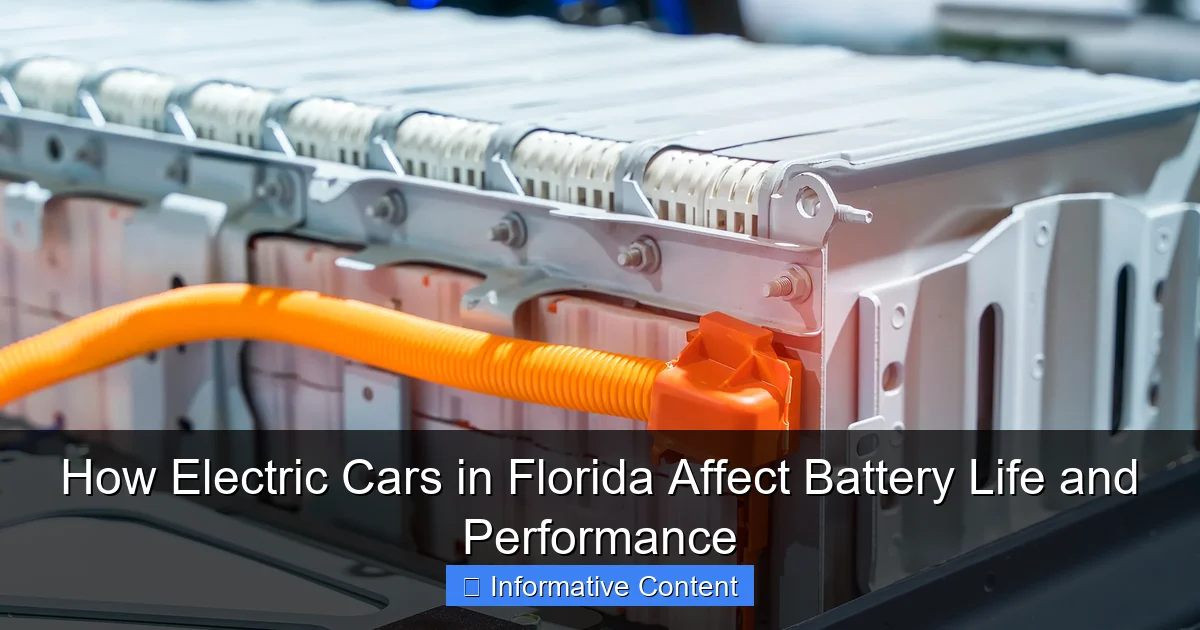
Featured image for electric cars florida effect on battery
Image source: rockwellautomation.com
Florida’s hot, humid climate accelerates battery degradation in electric cars, reducing long-term range and performance. Frequent high temperatures strain lithium-ion batteries, especially when parked in direct sunlight or charged rapidly during peak heat. Proper charging habits, shade parking, and using manufacturer-recommended thermal management settings are crucial to preserving battery health in Florida’s demanding environment.
Key Takeaways
- Heat impacts batteries: Florida’s heat accelerates battery degradation; park in shade when possible.
- Use scheduled charging: Avoid full charges; set limits to 80-90% for daily use.
- Precondition before driving: Cool your car while plugged in to reduce battery strain.
- Monitor battery health: Check degradation via apps or dealer tools annually.
- Choose LFP batteries: Opt for lithium iron phosphate packs if available—more heat-resistant.
- Avoid fast charging often: Limit DC fast charging to preserve battery longevity.
📑 Table of Contents
- How Florida’s Climate and Lifestyle Impact Electric Car Batteries
- Why Florida’s Heat Is a Double-Edged Sword for EV Batteries
- Humidity, Salt, and Coastal Living: Hidden Threats to Battery Longevity
- Charging Habits: How Floridians’ Routines Impact Battery Health
- Extreme Weather Events: Hurricanes, Flooding, and Power Outages
- Maximizing Battery Life: Long-Term Strategies for Florida EV Owners
- Battery Health Comparison: Florida vs. Other States
- Final Thoughts: Driving Smart in the Sunshine State
How Florida’s Climate and Lifestyle Impact Electric Car Batteries
Picture this: You’re cruising down I-75 with the windows down, the sun shining, and the Gulf breeze in your hair. You’re in your shiny new electric car, enjoying the quiet hum of the motor. But wait—did you know that Florida’s unique environment, from its relentless heat to its salty coastal air, can actually impact your EV’s battery life and performance? It’s not all sunshine and smooth rides. While electric cars in Florida are becoming more popular, their batteries face challenges that drivers in cooler climates might not even consider.
From Miami to Tallahassee, Floridians are embracing electric vehicles (EVs) at an increasing rate. The state offers tax incentives, charging infrastructure, and a growing network of EV-friendly communities. But the Sunshine State also brings extreme heat, humidity, and salt exposure—all of which can quietly degrade your battery over time. Whether you’re a new EV owner or thinking about making the switch, understanding how electric cars in Florida affect battery life is key to maximizing your vehicle’s performance, longevity, and resale value.
Why Florida’s Heat Is a Double-Edged Sword for EV Batteries
Let’s start with the elephant in the room: the heat. Florida’s average summer temperature hovers between 85°F and 95°F, with humidity levels that make it feel even hotter. While warm weather might seem ideal for battery chemistry (and it can be in moderation), prolonged exposure to high temperatures is one of the biggest enemies of lithium-ion batteries—the type used in most EVs today.
Visual guide about electric cars florida effect on battery
Image source: m.media-amazon.com
The Science Behind Heat and Battery Degradation
Lithium-ion batteries work best in a “Goldilocks zone” of about 68°F to 77°F. When temperatures climb above 95°F, the chemical reactions inside the battery accelerate. This might sound good—faster reactions mean more power, right? Not quite. Accelerated reactions also speed up side processes, like the formation of a solid electrolyte interphase (SEI) layer. Over time, this layer thickens, reducing the battery’s ability to hold a charge. Think of it like rust slowly eating away at a car’s frame—except it’s invisible and happening inside your battery.
In Florida, where daytime temperatures regularly hit 90°F+ and parked cars can reach 120°F or more, this degradation happens faster. Studies from the National Renewable Energy Laboratory (NREL) show that EV batteries in hot climates can lose up to 20% more capacity over five years compared to those in temperate zones. That’s not just a number—it means shorter range, more frequent charging, and potentially higher long-term costs.
Real-World Example: The Miami Commuter
Take Maria, a graphic designer in Miami. She bought a Tesla Model 3 in 2020 and drives about 40 miles daily. Her car is often parked outside at work, baking in the sun for 8+ hours. After three years, she noticed her range dropped from 263 miles to around 230 miles under similar driving conditions. Her service advisor confirmed moderate battery degradation, likely accelerated by heat exposure.
Maria’s story isn’t unique. A 2022 study by Recurrent Auto analyzed over 10,000 EVs across the U.S. and found that vehicles in Southern states, including Florida, showed 15–22% faster battery degradation than those in the Pacific Northwest. Heat is clearly a factor.
Tips to Minimize Heat Damage
- Park in the shade or a garage whenever possible. Even a simple carport can reduce cabin and battery temperature by 10–15°F.
- Use preconditioning while still plugged in. Many EVs let you set a departure time and pre-cool the cabin and battery while charging. This keeps the battery at optimal temp before driving.
- Limit fast charging in extreme heat. DC fast charging generates heat, and combining it with ambient heat can push battery temps into dangerous zones. Use Level 2 charging (240V) when possible.
- Keep charge between 20% and 80%. Avoid letting the battery sit at 100% in the heat, as this increases stress on the cells.
Humidity, Salt, and Coastal Living: Hidden Threats to Battery Longevity
Florida isn’t just hot—it’s humid and coastal. Over 1,300 miles of coastline mean salt-laden air, high moisture levels, and occasional storm surges. While EV batteries are sealed in protective casings, the surrounding components aren’t immune to the elements.
How Humidity Affects Battery Systems
High humidity can lead to condensation inside electrical enclosures, including those housing battery management systems (BMS) and charging ports. Over time, moisture can corrode connectors, cause electrical shorts, or interfere with sensors. While modern EVs are designed to withstand humidity, long-term exposure in areas like the Florida Keys or Tampa Bay can shorten the lifespan of auxiliary systems that support the battery.
For example, a corroded charging port might not make direct contact, leading to slower charging or error messages. This doesn’t degrade the battery itself, but it reduces charging efficiency—forcing you to plug in more often, which adds stress to the battery.
Salt Air and Corrosion Risks
Salt is a natural conductor. When it combines with moisture, it creates a corrosive environment. Coastal EVs—especially those parked near the beach or driven on salt-treated roads during rare cold snaps—are at higher risk for corrosion on battery enclosures, cooling lines, and mounting brackets.
One EV owner in St. Petersburg noticed a small puddle under his car after a heavy rain. A technician found a tiny crack in the battery pack’s seal, likely worsened by years of salt exposure. While the battery itself wasn’t damaged, the repair cost over $1,200 due to labor and diagnostics. This is a worst-case scenario, but it highlights the importance of regular inspections.
Practical Tips for Coastal EV Owners
- Rinse your car regularly, especially after driving on salted roads or near the ocean. A quick rinse under the wheel wells and undercarriage can remove salt residue.
- Inspect the battery area during oil changes or tire rotations. Look for discoloration, rust, or moisture around the battery pack (usually under the car).
- Use a battery cover or protective spray if available. Some aftermarket products create a moisture-resistant barrier on electrical components.
- Schedule a battery health check annually, especially if you live within 5 miles of the coast. Dealerships and EV specialists can use diagnostic tools to detect early signs of corrosion or electrical issues.
Pro tip: If you’re buying a used EV in Florida, ask for a battery health report. Many EVs store this data, and a sudden drop in capacity might indicate environmental damage.
Charging Habits: How Floridians’ Routines Impact Battery Health
How you charge your EV matters—especially in Florida, where access to charging is growing fast. With over 3,000 public charging stations and more Level 2 chargers in homes, apartments, and workplaces, Floridians have options. But not all charging habits are created equal when it comes to battery longevity.
The Myth of “Always Charging to 100%”
Many new EV owners believe they should charge to 100% every night to “maximize range.” But this is a myth—especially in hot climates. Keeping a lithium-ion battery at full charge, particularly in high temperatures, accelerates degradation. Think of it like over-inflating a balloon. The material stretches, weakens, and eventually fails.
Manufacturers like Tesla, Ford, and Hyundai recommend charging to 80–90% for daily use. Save 100% charges for road trips or when you need the full range. In Florida, where heat amplifies stress, this advice is even more critical.
Fast Charging: Convenience vs. Longevity
DC fast chargers are everywhere in Florida—especially along I-95, I-75, and I-4. They’re great for long drives, but frequent use can heat the battery quickly. When combined with ambient heat, this can push battery temperatures into the “red zone,” triggering thermal throttling or long-term wear.
For example, a study by Geotab found that EVs charged with DC fast chargers more than 3 times per week showed 10% faster battery degradation over two years compared to those using Level 2 chargers. If you’re a daily fast charger, you might be trading convenience for battery life.
Smart Charging Tips for Florida Drivers
- Use Level 2 (240V) charging at home for daily needs. It’s slower but gentler on the battery.
- Limit DC fast charging to 1–2 times per week unless absolutely necessary.
- Charge during cooler hours—early morning or late evening. This reduces heat buildup in the battery and surrounding components.
- Enable “Battery Care” modes if your EV has them. Some models, like the Nissan Leaf or Hyundai Kona Electric, offer settings that optimize charging based on ambient temperature.
- Use solar charging if possible. Florida’s sunny climate makes solar panels a great match for EVs. Charging with solar reduces grid strain and keeps charging temps lower.
Extreme Weather Events: Hurricanes, Flooding, and Power Outages
Florida’s weather isn’t just hot and humid—it’s unpredictable. Hurricanes, thunderstorms, and flooding are real risks, and they can impact your EV’s battery in unexpected ways.
Flooding and Water Damage
EVs are designed to be water-resistant, with sealed battery packs that can withstand splashes and shallow flooding (typically up to 12–18 inches). But during major hurricanes like Ian or Irma, floodwaters often exceed these limits. Water intrusion into the battery pack can cause catastrophic failure, including short circuits, fires, or permanent damage.
In 2022, after Hurricane Ian, multiple EV owners in Fort Myers reported battery fires during or after the storm. While rare, these incidents are often linked to water damage. The National Fire Protection Association (NFPA) warns that submerged EVs should not be recharged until inspected by a certified technician.
Power Outages and Charging Disruptions
Hurricanes often knock out power for days. If your EV is charging during a storm, a sudden power surge or outage can damage the charging system. Worse, if the battery is low when the power goes out, you could be stranded.
Some newer EVs, like the Ford F-150 Lightning, offer “vehicle-to-grid” (V2G) or “vehicle-to-home” (V2H) features that let you use your EV as a backup power source. But this requires special equipment and setup. For most Floridians, the best strategy is prevention.
Preparing Your EV for Storm Season
- Keep your battery charged to at least 50% during hurricane season (June–November). This gives you flexibility to evacuate or move your car to higher ground.
- Park in a garage or elevated area if a storm is coming. Avoid flood-prone zones.
- Unplug your charger if a storm is imminent. Power surges can damage the charging unit or car.
- Have an emergency kit with a portable charger, flashlight, and battery-powered fan (for cabin cooling if AC fails).
- Register for EV-specific storm alerts through your automaker or local utility. Some services send warnings about charging safety during outages.
Maximizing Battery Life: Long-Term Strategies for Florida EV Owners
So, what can you do to keep your EV battery healthy for the long haul? It’s not just about avoiding heat or salt—it’s about adopting a holistic approach to battery care.
Regular Maintenance and Monitoring
Unlike gas cars, EVs require minimal maintenance, but the battery still needs attention. Most EVs have built-in battery health monitors, accessible via the infotainment screen or a mobile app. Check this monthly. A sudden drop in range or charging speed could indicate a problem.
Schedule a professional battery health check every 12–18 months. Technicians can run diagnostics, check coolant levels (in liquid-cooled systems), and inspect seals and connections.
Software Updates and Thermal Management
EV manufacturers regularly release software updates that improve battery management. For example, Tesla’s “Thermal Protection” update helps keep battery temps lower during fast charging. Enable automatic updates and install them promptly.
Some EVs, like the Porsche Taycan, use advanced thermal management systems that pre-cool or pre-heat the battery based on your route. Use navigation features that integrate with charging and climate settings.
Driving Habits That Help Your Battery
- Use regenerative braking to reduce brake wear and return energy to the battery.
- Avoid aggressive acceleration in hot weather. Rapid power draw heats the battery faster.
- Plan trips with charging stops to avoid deep discharges. Letting the battery drop below 10% regularly increases stress.
- Keep tire pressure at recommended levels. Under-inflated tires reduce efficiency and make the battery work harder.
Battery Health Comparison: Florida vs. Other States
To put things in perspective, here’s how battery degradation in Florida compares to other regions:
| Region | Avg. Annual Temp (°F) | Est. 5-Year Battery Degradation | Key Risk Factors |
|---|---|---|---|
| Florida | 75–85 | 15–22% | Heat, humidity, salt, storms |
| California (Coastal) | 60–70 | 8–12% | Moderate heat, occasional fires |
| Texas (Inland) | 70–80 | 12–18% | Heat, dust, power grid issues |
| Washington State | 45–60 | 5–9% | Cold winters, less heat stress |
| New York | 40–65 | 6–10% | Winter cold, road salt |
Note: Data based on Recurrent Auto (2022) and NREL studies. Degradation varies by model, usage, and maintenance.
Final Thoughts: Driving Smart in the Sunshine State
Living in Florida with an electric car isn’t just possible—it’s a smart choice, especially with rising gas prices and growing charging infrastructure. But to get the most out of your EV, you need to understand how electric cars in Florida affect battery life and performance. The heat, humidity, salt, and storms aren’t deal-breakers, but they do require proactive care.
By parking in the shade, charging wisely, preparing for storms, and staying on top of maintenance, you can enjoy years of reliable, efficient driving. Your battery might not last forever, but with the right habits, it can come pretty close. So go ahead—hit the road with confidence, knowing you’re not just riding the wave of EV innovation, but riding it smart.
Frequently Asked Questions
How does Florida’s heat impact electric car battery life?
Florida’s high temperatures accelerate battery degradation by increasing chemical reactions inside the battery, reducing its long-term capacity. Parking in shade or using climate preconditioning can help mitigate heat-related wear.
Can humidity in Florida damage my electric car’s battery?
While modern EVs have sealed battery systems, prolonged exposure to extreme humidity may corrode connections over time. Regular inspections and keeping charging ports dry are recommended for optimal performance.
Do electric cars in Florida require special battery maintenance?
Yes, due to the heat and humidity, it’s wise to avoid frequent fast charging and keep the battery between 20%-80% to prolong lifespan. Using manufacturer-recommended cooling settings is also key.
How does Florida’s frequent rain affect EV battery performance?
Rainwater poses no direct threat to EV batteries, as they’re waterproofed to meet safety standards. However, flooded roads should be avoided to prevent water intrusion into charging ports or undercarriages.
Is cold weather less harmful to EV batteries than Florida’s heat?
Absolutely. Cold weather temporarily reduces range but doesn’t degrade the battery permanently, whereas Florida’s heat causes cumulative damage over time. Thermal management systems are critical in hot climates.
Does driving in Florida’s stop-and-go traffic affect battery efficiency?
Frequent acceleration and braking in traffic can strain the battery, but regenerative braking helps recover energy. The bigger concern is heat buildup from sustained driving, so monitor battery temperature.