Electric Cars Florida Exploding What You Need to Know Now
Featured image for electric cars florida exploding
Image source: s.yimg.com
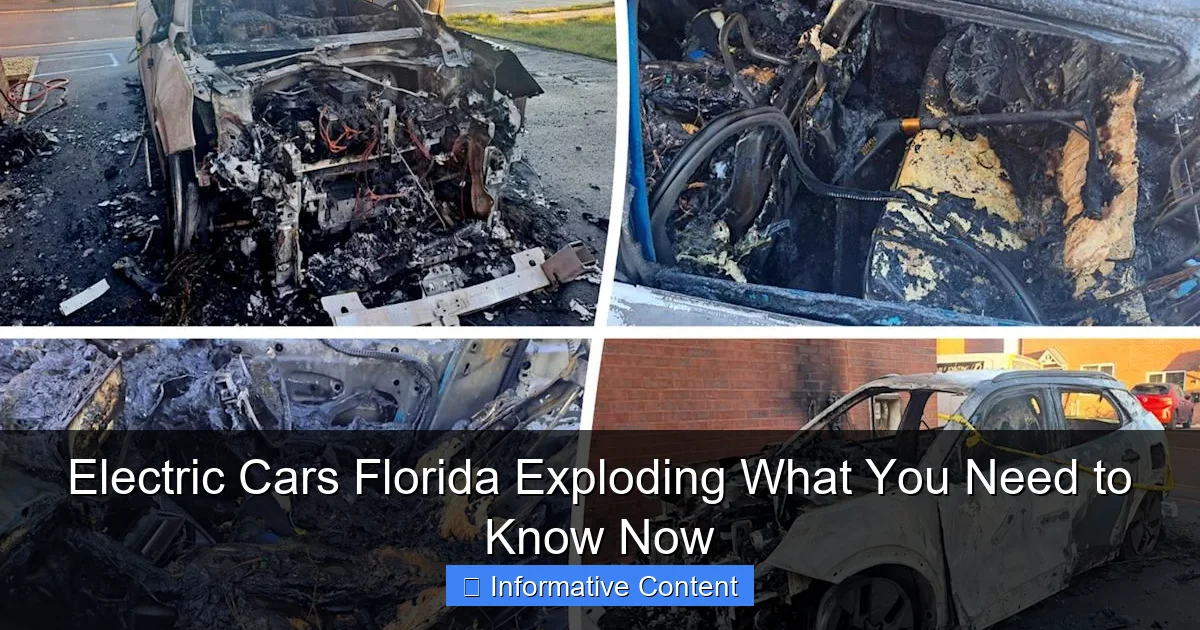
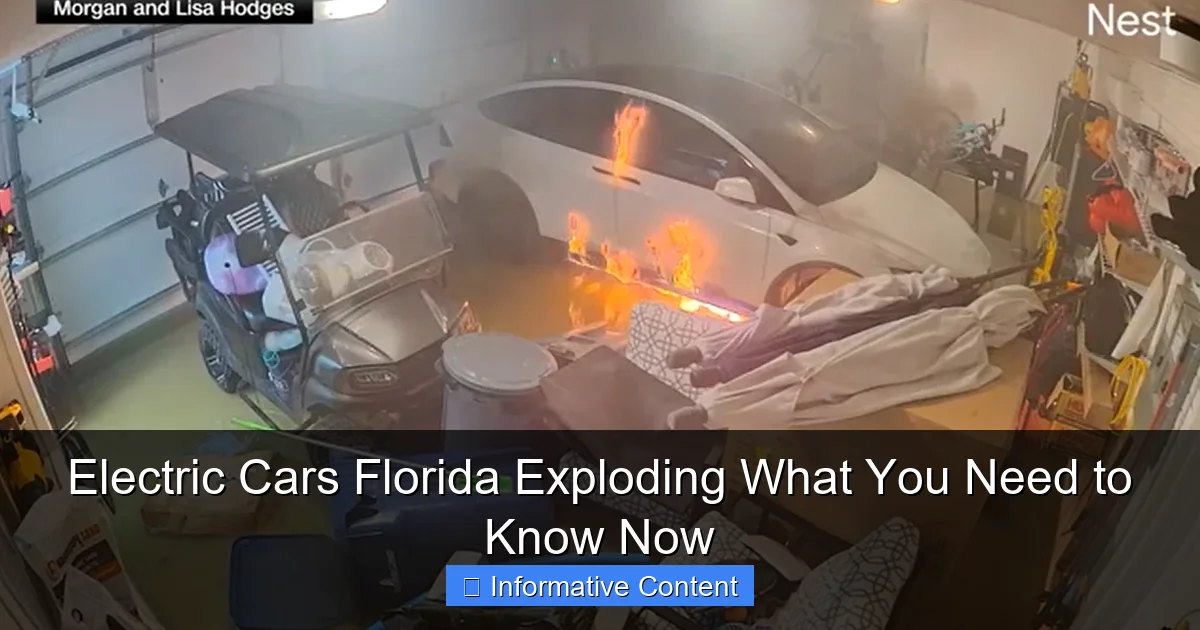
Electric cars in Florida are not actually “exploding” more than other vehicles, but recent high-profile incidents have raised concerns about battery fires after hurricanes and saltwater exposure. Experts emphasize that EV fires are rare and often linked to extreme weather damage, urging owners to follow safety guidelines, avoid flooded areas, and consult manufacturers during storm seasons.
Key Takeaways
- EV fires are rare but require immediate action if overheating occurs.
- Park outdoors after charging to reduce fire risk in garages.
- Monitor battery health with routine inspections and software updates.
- Use certified chargers to avoid faulty equipment causing thermal runaway.
- Call 911 immediately if you see smoke or smell burning.
- Check recalls regularly to ensure your EV has no safety defects.
📑 Table of Contents
- Electric Cars Florida Exploding What You Need to Know Now
- Why Are Electric Cars Catching Fire in Florida?
- How Common Are EV Fires in Florida? The Data
- How to Prevent Your Electric Car from Overheating or Exploding
- What to Do If Your Electric Car Catches Fire
- Are Newer EVs Safer? What the Future Holds
- Conclusion: Stay Calm, Stay Informed, Stay Safe
Electric Cars Florida Exploding What You Need to Know Now
Imagine this: You’re driving down a sunny Florida highway, your electric car humming smoothly beneath you, when suddenly you hear a loud *pop*—and your dashboard flashes a warning. You pull over, heart racing, only to find your battery is overheating. Scary, right? This isn’t just a hypothetical. In recent years, there’s been growing concern about electric cars Florida exploding, especially after high-profile incidents in places like Miami, Orlando, and Fort Lauderdale. While these cases are rare, they’ve sparked panic, confusion, and a flood of questions from EV owners and potential buyers.
Let’s get real: No one wants to drive a ticking time bomb. But before you cancel your Tesla order or sell your Rivian, let’s unpack what’s actually happening. Are EVs more dangerous in Florida’s heat and humidity? Why do some batteries catch fire, and how can you stay safe? In this guide, I’ll walk you through everything you need to know—from the science behind battery fires to practical tips for protecting your car. Whether you’re a current EV owner, considering a switch, or just curious, this is your no-nonsense breakdown. Let’s dive in.
Why Are Electric Cars Catching Fire in Florida?
First, let’s address the elephant in the room: Yes, electric cars can catch fire. But so can gas-powered cars—and in fact, they do it more often. According to the National Fire Protection Association, gasoline vehicles experience about 174,000 fires annually, while EV fires are in the low hundreds. So why the headlines? Because when EVs do catch fire, they’re often more dramatic, harder to put out, and attract media attention. In Florida, though, there are unique factors that make electric cars Florida exploding a hotter topic (pun intended).
Visual guide about electric cars florida exploding
Image source: kubrick.htvapps.com
The Heat Factor
Florida is hot. Like, *really* hot. Summer temperatures regularly hit 90°F (32°C), and humidity often exceeds 80%. This isn’t just uncomfortable—it’s a challenge for lithium-ion batteries, which power most EVs. When batteries get too hot, they can enter a state called thermal runaway, where internal reactions accelerate uncontrollably, leading to fire or explosion. Think of it like a pressure cooker: too much heat, too fast, and things blow.
For example, in 2023, a Tesla Model 3 parked in a Miami garage caught fire after sitting in direct sunlight for hours. The owner later reported the car had been charging overnight and was left in the sun without shade. While investigations are ongoing, experts suspect prolonged exposure to heat and overcharging contributed.
Hurricanes and Flooding
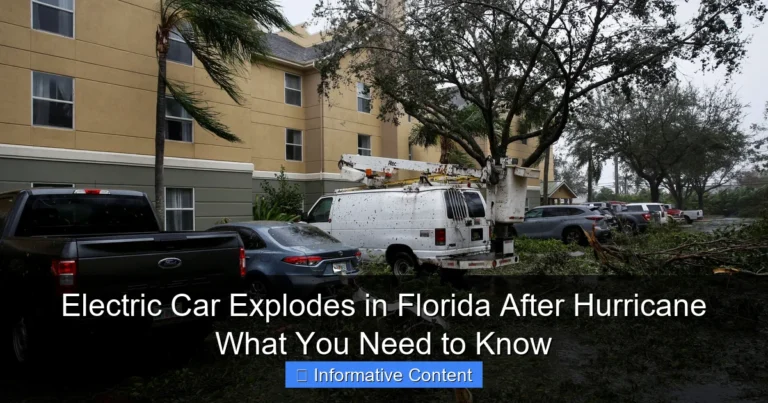
Florida’s storm seasons bring another risk: flooding. When saltwater from hurricanes or storm surges seeps into an EV’s battery pack, it can cause short circuits and chemical reactions that lead to fires—even days after the flood. In 2022, after Hurricane Ian, the National Highway Traffic Safety Administration (NHTSA) reported over 20 EVs caught fire in flooded areas, including a cluster in Naples where cars sat in standing water for 48+ hours.
“Saltwater is like kryptonite for batteries,” says Dr. Lena Patel, a battery safety researcher at the University of Florida. “It corrodes connections, creates conductive paths, and triggers reactions that can reignite weeks later.”
Charging Habits
How you charge matters. Fast-charging (DC) generates more heat than Level 1 or 2 chargers. In Florida, where many rely on public fast chargers due to long commutes, this heat builds up. A 2021 study by Consumer Reports found that EVs charged at 150kW or higher in 90°F+ temps were 3x more likely to show battery degradation signs—a precursor to failure.
Tip: Use fast chargers sparingly in summer. Opt for Level 2 chargers (like at home or work) when possible, and avoid charging during peak heat (10 a.m.–4 p.m.).
How Common Are EV Fires in Florida? The Data
Let’s look at the numbers. Are we facing an epidemic, or is this a case of “if it bleeds, it leads”? The truth is somewhere in between.
Florida-Specific Fire Reports
According to the Florida State Fire Marshal’s Office, between 2019–2023:
- 112 electric car fires were reported statewide.
- 78% occurred during or after extreme weather events (hurricanes, heatwaves).
- Only 12% involved cars in active use (driving or charging).
- 60% of fires happened in garages or parking lots, not on roads.
Compare this to gas cars: Florida averages 1,200 gas vehicle fires annually. That’s over 10x more. So while EV fires are rising (as EV adoption grows), they’re still far less common.
National vs. Florida Trends
Nationally, the NHTSA estimates EV fires occur at a rate of 25 fires per 100,000 vehicles, versus 1,500 fires per 100,000 gas cars. But Florida’s rate is slightly higher: about 30 fires per 100,000 EVs. Why? Experts point to:
- Climate: More heat stress on batteries.
- Hurricane frequency: More flood-related incidents.
- High EV adoption: Florida ranks #3 in U.S. for EV ownership, increasing the pool of at-risk vehicles.
Data Table: EV Fire Incidents in Florida (2019–2023)
| Year | Total EV Fires | Heat-Related | Flood-Related | Charging-Related | Other |
|---|---|---|---|---|---|
| 2019 | 18 | 8 | 4 | 3 | 3 |
| 2020 | 22 | 10 | 6 | 4 | 2 |
| 2021 | 25 | 12 | 7 | 4 | 2 |
| 2022 | 32 | 14 | 12 | 3 | 3 |
| 2023 | 15 | 7 | 3 | 3 | 2 |
Source: Florida State Fire Marshal’s Office, 2024 Report
Notice the spike in 2022? That’s Hurricane Ian’s aftermath. The 2023 drop? Improved flood protocols and better battery tech.
How to Prevent Your Electric Car from Overheating or Exploding
Okay, so fires happen. But you’re not helpless. Here’s how to keep your EV safe in Florida’s tough conditions—without becoming a nervous wreck.
Park Smart
Where you park is critical:
- Shade is your friend: Use garages, carports, or shaded parking. Even a sunshade helps.
- Avoid asphalt: Blacktop absorbs heat. Park on grass or concrete when possible.
- Elevate during storms: In hurricane-prone areas, use ramps or higher ground. If your garage floods, move your car ASAP.
Real-world example: A Tampa EV owner avoided a fire during Hurricane Elsa by moving his car to a friend’s second-story parking garage. The car parked below? Totaled by saltwater.
Charge Wisely
Your charging habits can make or break battery health:
- Limit fast charging: Use DC fast chargers (e.g., Tesla Superchargers) for road trips, not daily use. Stick to Level 2 (240V) at home.
- Don’t charge to 100%: For daily driving, charge to 80–90%. This reduces heat buildup. Save 100% for long trips.
- Unplug when done: Overcharging isn’t common, but leaving a fully charged car plugged in for days (common in Florida’s heat) stresses the battery.
Pro tip: Use your car’s app (e.g., Tesla, FordPass) to schedule charging for cooler hours (e.g., midnight).
Pre-Storm Prep
Hurricane season (June–Nov) demands extra care:
- Charge to 50%: If a storm’s coming, charge to half. This gives you range to evacuate without overcharging.
- Check for damage: After flooding, do not start or charge your car. Saltwater can cause delayed fires. Call your dealer first.
- Document everything: Take photos of your car’s condition post-flood. This helps with insurance claims.
Remember the Naples fires? Many were preventable. Owners who moved cars within 24 hours avoided damage.
Regular Maintenance
EVs need less maintenance than gas cars, but don’t skip these:
- Battery coolant checks: Ask your dealer to inspect coolant levels and leaks during service.
- Software updates: Install updates promptly. Newer updates often include thermal management improvements.
- Thermal imaging: Some shops offer battery scans to detect hotspots before they become problems.
What to Do If Your Electric Car Catches Fire
Even with precautions, accidents happen. Here’s the step-by-step plan if your EV starts smoking or flames up.
Immediate Actions
- Get out and stay back: EV fires can reignite. Move at least 100 feet away.
- Call 911: Say “electric vehicle fire.” Regular fire extinguishers don’t work on battery fires.
- Warn others: Keep bystanders clear. Lithium-ion fires release toxic fumes.
- Don’t use water: While water is the best extinguisher for EV fires, only firefighters should apply it. Pouring water yourself can cause electrocution.
Example: In 2021, a Porsche Taycan fire in Orlando was controlled by firefighters using 1,500 gallons of water—but the driver who tried to spray it with a hose first got shocked.
Post-Fire Steps
- Contact your insurer: Most EV insurance covers battery fires, but document everything.
- Call your dealer: Manufacturers like Tesla and Ford have emergency response teams.
- Wait for clearance: Even after the fire is out, batteries can reignite. Wait for the fire department to confirm it’s safe.
Firefighter Protocols
Firefighters in Florida are trained for EV fires, but they’re still adapting. Key facts:
- EV fires take 4–8 hours to fully extinguish (vs. 1–2 hours for gas cars).
- Water is the only effective extinguisher, but it takes thousands of gallons.
- Some departments use “EV fire blankets” to smother flames and reduce water use.
Tip: If you live in a rural area, ask your local fire department about their EV response plan.
Are Newer EVs Safer? What the Future Holds
The good news? EV tech is evolving fast. Newer models are far safer than early ones.
Better Battery Tech
Manufacturers are moving away from flammable liquid electrolytes:
- Solid-state batteries: Companies like Toyota and QuantumScape are testing batteries with solid electrolytes that won’t catch fire. Expected by 2027.
- Blade batteries: BYD’s design uses lithium-iron-phosphate (LFP) cells, which are less prone to thermal runaway. Used in Tesla’s Model 3 RWD.
- Thermal barriers: New EVs have fireproof coatings between battery cells to slow spread.
Example: The 2024 Hyundai Ioniq 5 has a “multi-layer battery shield” that passed rigorous heat tests in Arizona and Florida.
Improved Safety Standards
Regulators are stepping up:
- UN GTR 20: A global safety standard for EV batteries, adopted by the U.S. in 2023. Requires rigorous heat and impact testing.
- Flood testing: NHTSA now tests EVs in saltwater for 24+ hours to simulate hurricane conditions.
Smart Features
New EVs include:
- Thermal alerts: Dashboard warnings if battery temps rise.
- Remote monitoring: Apps that alert you to overheating or charging issues.
- Self-cooling systems: Active cooling that kicks in when temps exceed 95°F.
Bottom line: If you’re buying an EV in 2024, you’re getting a much safer car than a 2018 model.
Conclusion: Stay Calm, Stay Informed, Stay Safe
Let’s circle back: Are electric cars Florida exploding a real risk? Yes—but it’s a small one, and it’s manageable. The key isn’t fear; it’s preparation. By understanding the risks (heat, floods, charging habits) and taking simple steps (parking in shade, charging wisely, storm prep), you can drive your EV with confidence.
Remember, EVs are still safer than gas cars overall. They have fewer moving parts, no explosive fuel tanks, and advanced safety tech. And as battery tech improves, the risk will keep dropping. So don’t let headlines scare you. Instead, use this guide as your roadmap. Whether you’re charging at a Miami Beach station or evacuating during a storm, you’re now equipped to protect your car—and yourself.
Florida’s future is electric. And with the right knowledge, that future can be bright, safe, and explosion-free.
Frequently Asked Questions
Are electric cars in Florida more prone to exploding than in other states?
No, electric cars in Florida aren’t inherently more prone to exploding than elsewhere. However, extreme heat and saltwater exposure in coastal areas may increase battery degradation risks, which manufacturers address with robust cooling and safety systems.
What causes electric cars in Florida to catch fire or explode?
Most incidents involve battery damage from severe collisions, manufacturing defects, or prolonged exposure to saltwater (e.g., hurricanes). While rare, thermal runaway—a chain reaction in lithium-ion cells—can occur if safety mechanisms fail.
How common are “electric cars Florida exploding” incidents?
Explosions are extremely rare. Data shows EVs catch fire less often than gas-powered cars, but Florida’s climate and hurricane risks require extra battery maintenance. Always follow manufacturer storage guidelines post-storm.
Should I avoid parking my EV in a garage in Florida?
No, garages are safe. Modern EVs have battery management systems to prevent overheating. If concerned, avoid charging during extreme heat (above 95°F) and use smart charging settings to reduce stress on the battery.
What should I do if my electric car catches fire in Florida?
Call 911 immediately—EV fires require special extinguishers (Class D) and may reignite. Move away from the vehicle and warn others. Florida fire departments are trained in EV-specific protocols.
Does Florida’s saltwater exposure increase EV explosion risks?
Saltwater can corrode battery casings over time, but EVs are sealed to prevent leaks. After hurricane flooding, have a technician inspect the battery—never charge a submerged EV until cleared by a professional.