Electric Cars Florida Hurricane Survival Guide and Tips
Electric cars in Florida require special preparation during hurricane season to ensure safety, battery integrity, and uninterrupted mobility. Charging infrastructure may fail during storms, so fully charge your EV before a hurricane hits and avoid driving through floodwaters to prevent battery damage or system failure. Stay ahead of the storm with emergency power plans and real-time weather tracking.
Key Takeaways
- Charge fully before storms: Ensure your EV has maximum range if evacuations or outages occur.
- Plan charging routes: Identify open charging stations along evacuation paths ahead of time.
- Use backup power: Consider portable chargers for emergencies if home power fails.
- Monitor weather alerts: Stay updated via apps to adjust travel or charging plans quickly.
- Protect charging ports: Cover them from floodwater to avoid damage during hurricanes.
- Store emergency supplies: Keep food, water, and first-aid kits in your EV at all times.
📑 Table of Contents
- Why Electric Cars in Florida Need a Hurricane Survival Plan
- Understanding the Risks: How Hurricanes Impact Electric Cars
- Pre-Hurricane Prep: Your 72-Hour Electric Car Survival Kit
- During the Storm: Staying Safe with Your EV
- Post-Storm: Recovering and Getting Back on the Road
- Long-Term Strategies: Building Hurricane Resilience for EV Owners
- Data Table: Hurricane Preparedness Checklist for EV Owners
- Conclusion: Your EV Can Weather the Storm—With the Right Plan
Why Electric Cars in Florida Need a Hurricane Survival Plan
Living in Florida means embracing sunshine, beaches, and… hurricane season. For electric car (EV) owners, this time of year brings unique challenges. Imagine this: a Category 3 storm is approaching, and your Tesla is at 30% charge. Charging stations are overwhelmed, gas stations are out of fuel, and your home power is flickering. It’s a real nightmare scenario—one that many EV owners in the Sunshine State have faced. But with the right preparation, you can turn a stressful situation into a manageable one.
This guide is for every EV owner in Florida, whether you’re new to electric cars or a seasoned pro. We’ll walk through how hurricanes affect EVs, how to prepare your car and home, and what to do before, during, and after the storm. No fluff, no sales pitches—just practical, actionable tips to keep you and your electric vehicle safe. Let’s dive in.
Understanding the Risks: How Hurricanes Impact Electric Cars
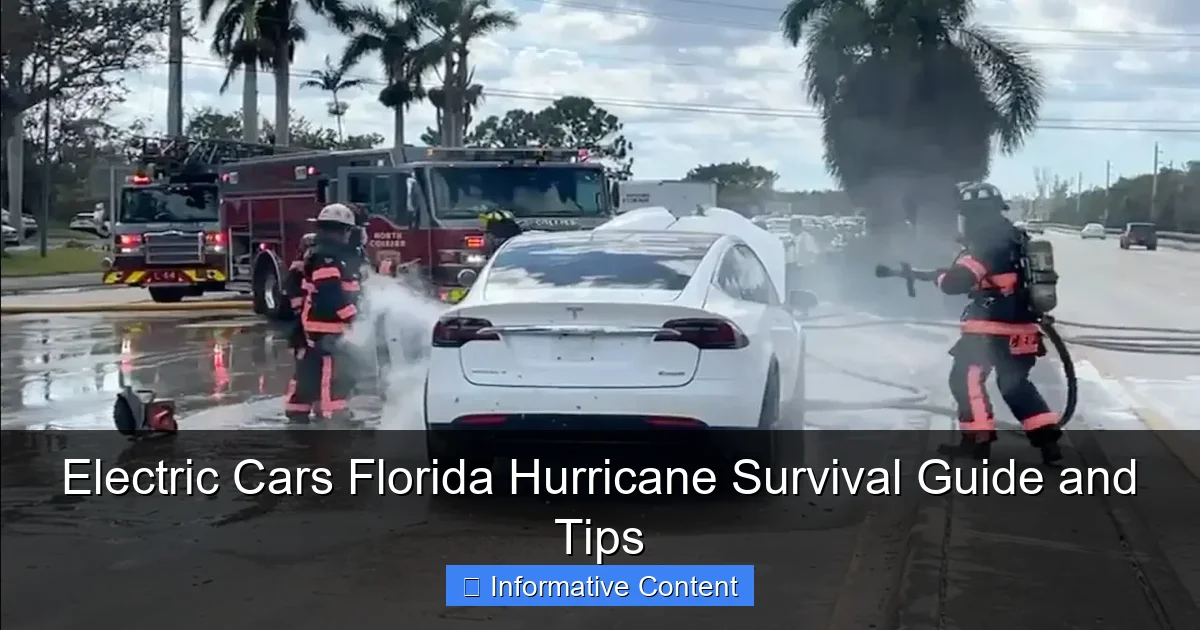
Hurricanes aren’t just about wind and rain. For EV owners, the real dangers often come from indirect effects. Here’s what you need to know.
Visual guide about electric cars florida hurricane
Image source: images.foxtv.com
Flooding and Water Damage
Electric cars are designed to handle rain and puddles, but deep flooding is a different story. Unlike gas cars, EVs don’t have exhaust systems, but they do have sensitive battery packs and electrical components. If your EV is submerged in saltwater—common in coastal Florida—the risk of corrosion and short-circuiting skyrockets. For example, after Hurricane Ian in 2022, hundreds of Teslas and other EVs were scrapped due to saltwater damage. Even freshwater flooding can ruin the battery management system, leading to costly repairs or total loss.
Tip: Never drive through flooded roads. As the National Weather Service says, “Turn around, don’t drown.” If your car is in a garage that might flood, move it to higher ground ASAP.
Power Outages and Charging Challenges
Hurricanes often knock out power for days or weeks. If your EV relies on home charging, this means no way to recharge. Even if public stations are open, they may be crowded or damaged. During Hurricane Idalia (2023), some charging networks in Tampa reported 90% occupancy during evacuation periods. Long lines and limited availability can leave you stranded.
Tip: Assume you won’t have reliable charging for at least 72 hours post-storm. Plan your evacuation or emergency driving around this.
Battery Degradation and Temperature Swings
Florida’s heat and humidity already stress EV batteries. During hurricanes, extreme temperature swings (from AC use during heat to lack of climate control during outages) can accelerate battery wear. Plus, if your car is parked in a hot garage without ventilation, the battery could overheat. Conversely, if it’s cold after the storm (rare but possible), battery range may drop temporarily.
Tip: Pre-cool or pre-heat your car while it’s plugged in before the storm hits. This saves battery for later.
Pre-Hurricane Prep: Your 72-Hour Electric Car Survival Kit
Preparation is everything. Here’s how to get your EV and household ready in the critical 72 hours before a hurricane makes landfall.
Charge to 100%—But Don’t Overdo It
You might think “more charge = better,” but overcharging can stress the battery. Aim for 100% charge 24-48 hours before landfall. This gives you enough range for evacuation (most EVs have 200-300 miles) without keeping the battery at max for days. For example, if you drive a Tesla Model Y (260-mile range), a full charge lets you reach Orlando from Miami without stopping.
Pro tip: Use a timer or app (like Tesla’s “Scheduled Charging”) to finish charging just before the storm hits. Avoid leaving it plugged in during the storm if your home loses power—it won’t charge anyway, and surge risks increase.
Stock Up on Non-Electric Backup Power
Your EV can’t help if you need to power medical devices, phones, or a fan during an outage. Invest in:
- A portable power station (e.g., Jackery, EcoFlow) with at least 1,000Wh capacity
- Solar chargers (great for post-storm recharging)
- Car jump starters with USB ports
During Hurricane Nicole (2022), a Fort Lauderdale family used their EV’s vehicle-to-load (V2L) feature (available on newer Hyundai and Kia models) to run a fridge for 12 hours. But don’t rely solely on this—battery drain adds up fast.
Create an “EV Hurricane Go-Bag”
Keep these items in your car or garage:
- Portable EV charger (Level 1 or 2, with long cord)
- Waterproof tarp (to cover charging ports if rain is heavy)
- Flashlight with extra batteries
- First aid kit
- Printed maps (cell service may be down)
- Snacks and water (for long waits at charging stations)
Real-world example: After Hurricane Michael hit the Panhandle, a Tesla owner used his portable charger at a friend’s house with generator power to get 30% charge—just enough to reach a safer area.
Check Your Insurance and Documentation
Make sure your EV insurance covers flood damage. Most comprehensive policies do, but confirm with your provider. Also:
- Take photos of your car’s condition pre-storm
- Keep digital copies of registration, insurance, and EV charging app info (like Electrify America or ChargePoint)
- Know your car’s VIN and battery warranty details (e.g., Tesla’s 8-year/120,000-mile battery warranty)
During the Storm: Staying Safe with Your EV
When the hurricane hits, your focus should be on safety—not your car. But these steps can prevent avoidable damage.
Park Smart: Avoid Flood Zones and Falling Debris
Choose a parking spot carefully:
- High ground: Avoid low-lying areas, garages near storm surge zones, and streets with poor drainage
- Protected location: Park in a garage (if it’s not at flood risk), under a sturdy carport, or between buildings that block wind
- No trees: Falling branches can crack windshields or damage charging ports
During Hurricane Ian, a Naples resident parked his Rivian R1T in a concrete parking garage—safe from water, but a tree fell on the roof. Lesson: balance water and wind risks.
Unplug Your Charger—But Keep the Car Charged
Unplug your Level 2 home charger to avoid power surges. But don’t worry about the car’s internal systems—EVs automatically shut down high-voltage components during outages. Just leave the car powered off (not in “sleep” mode).
Note: If your car has a “storm mode” (like some Teslas), enable it. This keeps essential systems like GPS and hazard lights ready.
Use Your EV as a Shelter—With Caution
EVs are great temporary shelters if you’re caught outside. They’re airtight, have climate control, and can run lights for hours. But:
- Never run the car in an enclosed space (carbon monoxide risk, even with EVs)
- Limit AC/heat use to preserve battery
- Keep doors locked and windows up
Anecdote: During Hurricane Dorian, a family in Vero Beach used their Model 3 as a “safe room” for 12 hours, using the battery to power phones and a small fan.
Post-Storm: Recovering and Getting Back on the Road
After the storm passes, the real work begins. Here’s how to assess damage and get moving.
Inspect for Water and Electrical Damage
Before driving, check:
- Charging port: Look for water, sand, or debris. Dry it thoroughly with a microfiber cloth
- Battery status: Check for error messages on the dashboard. If you see “Service Vehicle” or “Battery Issue,” don’t drive
- Tires and undercarriage: Flooding can hide punctures or damage
Critical: If your car was in saltwater, do not turn it on. Saltwater conducts electricity and can cause short circuits. Have it towed to a dealership.
Find Charging Stations—Fast
Post-storm charging is a scramble. Use apps like:
- PlugShare: Shows real-time station availability and damage reports
- ChargePoint: Often partners with gas stations that have backup generators
- Tesla Supercharger: Many have solar canopies and battery storage (check status via Tesla app)
During Hurricane Nicole, Tesla activated “Emergency Charging” at select Superchargers in evacuation zones, offering free charging. Follow @TeslaCharging on Twitter for updates.
Prioritize Safety Over Convenience
Post-storm driving is risky. Watch for:
- Downed power lines (stay 30+ feet away)
- Flooded roads (even if they look shallow)
- Debris (broken glass, nails, etc.)
Tip: Use your EV’s “Crawl Mode” (available on off-road EVs like Rivian or Ford F-150 Lightning) to slowly navigate rough terrain.
Long-Term Strategies: Building Hurricane Resilience for EV Owners
Hurricanes are getting more frequent and intense. Here’s how to future-proof your EV ownership.
Invest in Home Energy Resilience
Pair your EV with:
- Solar panels + battery (e.g., Tesla Powerwall): Can charge your car during outages
- Generator: A 7,500-watt generator can run a Level 2 charger (check your EV’s manual for power needs)
A Miami homeowner with solar and a Powerwall charged his Model 3 for 5 days after Hurricane Ian—no grid power needed.
Join EV Owner Networks
Connect with local groups (like Florida EV Association or Facebook’s “EV Owners Florida”) to share:
- Charging station intel
- Evacuation routes
- Post-storm repair recommendations
During Hurricane Idalia, a Tampa group created a real-time map of open charging stations using Google Sheets.
Consider a Hybrid Backup
While not ideal, owning a gas-powered car (or renting one during hurricane season) gives you flexibility. A plug-in hybrid (like Toyota RAV4 Prime) offers 40+ miles of electric range for daily driving but has a gas engine for emergencies.
Data Table: Hurricane Preparedness Checklist for EV Owners
| Task | Timeframe | Notes |
|---|---|---|
| Charge EV to 100% | 24-48 hours before landfall | Use scheduled charging to avoid overcharging |
| Prepare emergency kit | 72 hours before | Include portable charger, tarp, first aid |
| Park in safe location | 12 hours before | Avoid flood zones and trees |
| Unplug home charger | Before storm hits | Prevent surge damage |
| Inspect post-storm | After storm passes | Check for water, debris, battery errors |
| Find charging stations | Post-storm | Use PlugShare, ChargePoint apps |
| Contact insurance | If damage occurs | Document with photos, get repair estimates |
Conclusion: Your EV Can Weather the Storm—With the Right Plan
Hurricanes are stressful, but owning an electric car in Florida doesn’t have to add to that stress. By understanding the risks (flooding, power outages, battery stress), preparing a solid 72-hour plan, and knowing how to respond post-storm, you can keep your EV—and yourself—safe. Remember, your EV isn’t just a car; it’s a mobile battery, a shelter, and a lifeline during emergencies. Treat it like one.
Start today: charge your car, pack your go-bag, and check your insurance. Because when the next hurricane watch is issued, you’ll want to be ready—not scrambling. Stay safe, stay charged, and stay informed. Florida’s storm season won’t wait, but with this guide, you will.
Frequently Asked Questions
Can electric cars be used during a hurricane in Florida?
Yes, electric cars can be used during a hurricane in Florida, but it’s crucial to ensure they are fully charged before the storm hits. Avoid driving through flooded areas, as water can damage the battery and electrical systems.
How do I prepare my electric car for a hurricane in Florida?
To prepare your electric car for a hurricane in Florida, charge it to 100% and park it in a garage or elevated area to avoid flooding. Keep a portable charger or emergency power bank handy for backup.
Are electric cars safe to charge during a hurricane?
Charging an electric car during a hurricane is unsafe if there’s a power outage or flooding risk. Use a generator or solar charger if needed, but only in safe, dry conditions away from storm hazards.
What should I do if my electric car gets flooded during a hurricane?
If your electric car gets flooded, do not attempt to start or charge it—contact a certified technician immediately. Floodwater can cause severe damage to the battery and electrical components, posing safety risks.
Can electric cars lose charge faster during a hurricane?
Yes, extreme weather conditions like high heat or humidity during a hurricane can reduce an electric car’s battery efficiency. Pre-cool or pre-heat your car while charging to minimize energy drain during the storm.
Where can I find charging stations for electric cars after a hurricane in Florida?
After a hurricane, use apps like PlugShare or ChargeHub to locate operational charging stations in Florida. Prioritize stations in areas less affected by the storm and check local news for updates on power restoration.