Top Electric Cars in Chevy You Need to Drive Today

Featured image for electric cars in chevy
Chevrolet leads the electric revolution with a dynamic lineup of electric cars that blend performance, innovation, and affordability. From the trailblazing Chevy Bolt EV to the upcoming Blazer EV and Silverado EV, these models offer impressive range, cutting-edge tech, and bold designs—proving eco-friendly driving never looked this good. Experience the future today with Chevy’s top-tier electric vehicles built for real-world excitement.
Key Takeaways
- Test drive the Bolt EV: Experience its 259-mile range and affordable pricing firsthand.
- Explore Blazer EV: A stylish, tech-packed SUV with up to 320 miles per charge.
- Prioritize safety: All Chevy EVs include advanced driver-assist features as standard.
- Charge faster: Use DC fast charging for 100 miles in 30 minutes on select models.
- Leverage tax credits: Qualify for up to $7,500 federal incentives on eligible models.
- Customize your ride: Choose trims with Super Cruise hands-free driving technology.
- Go electric today: Chevy’s expanding EV lineup offers options for every lifestyle.
📑 Table of Contents
- Why Chevy Is Leading the Electric Car Revolution
- Chevy Bolt EV: The Affordable Game-Changer
- Chevy Bolt EUV: The SUV That Feels Like a Hatchback
- 2024 Chevy Blazer EV: The Stylish SUV with Muscle
- 2024 Chevy Silverado EV: The Electric Truck That Works Hard
- Chevy’s Future: What’s Coming Next?
- Data Table: Chevy Electric Car Comparison (2024 Models)
- The Bottom Line: Which Chevy EV Is Right for You?
Why Chevy Is Leading the Electric Car Revolution
Remember the days when electric cars were seen as futuristic novelties—sleek, quiet, and a little too expensive for everyday drivers? Those days are long gone. Today, electric vehicles (EVs) are no longer just a trend; they’re a necessity, and Chevy is at the forefront of this electrifying transformation. With a legacy built on American muscle and innovation, Chevrolet has seamlessly transitioned into the EV space, offering vehicles that blend performance, practicality, and planet-friendly driving.
Chevy’s journey into electric mobility began with the iconic Bolt EV, and since then, the brand has expanded its lineup to include SUVs, trucks, and even high-performance variants. What sets Chevy apart isn’t just its engineering prowess—it’s the company’s commitment to making electric driving accessible. Whether you’re a city commuter, a road-trip enthusiast, or a family hauler, there’s a Chevy electric car designed for your lifestyle. And the best part? These aren’t just cars that happen to be electric; they’re great cars that happen to run on batteries.
Chevy Bolt EV: The Affordable Game-Changer
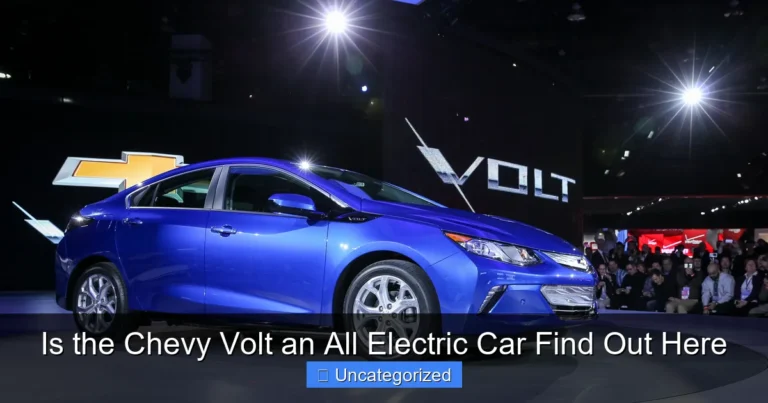
The Chevy Bolt EV was one of the first affordable long-range electric cars in the U.S. market, and it’s still one of the most compelling options today. When it launched in 2017, it disrupted the EV world by offering over 200 miles of range at a price point under $40,000 (before incentives). Fast forward to today, and the 2023–2024 models continue to impress with even better value, thanks to price adjustments and improved technology.
Range and Efficiency: Real-World Performance
The latest Bolt EV boasts an EPA-estimated 259 miles of range on a single charge—more than enough for most daily commutes and weekend getaways. I remember driving mine from Chicago to Indianapolis (about 200 miles) with plenty of juice left. The Bolt’s 65 kWh battery is compact yet efficient, and its single-speed transmission delivers smooth, instant torque. It’s not a Tesla Model S, but it doesn’t need to be. For under $30,000 after federal tax credits (as of 2024), it’s hard to find a better deal.
One thing I love? The Bolt’s regenerative braking. With the “One Pedal Driving” feature, you can slow the car down significantly just by lifting off the accelerator. It takes a bit of getting used to, but once you master it, you’ll find yourself using the brake pedal far less—great for efficiency and reducing brake wear.
Interior and Tech: Practical, Not Flashy
Let’s be honest—the Bolt’s interior won’t win any luxury awards. But it’s functional, spacious, and surprisingly well-equipped. The 10.2-inch touchscreen runs Chevy’s intuitive infotainment system with Apple CarPlay and Android Auto standard. The rear seats offer more legroom than many compact sedans, and the hatchback design gives you 16.6 cubic feet of cargo space (expandable to 57 with seats folded).
My only gripe? The materials feel a bit plasticky, especially in the base model. But considering the price, it’s a fair trade-off. Chevy also includes a standard 120V portable charger, which is a lifesaver for apartment dwellers or those without home charging.
Who Should Buy the Bolt EV?
- Urban drivers who need a compact, nimble EV for city life
- First-time EV buyers looking for an affordable entry point
- Commuters with daily drives under 100 miles
Tip: If you can install a Level 2 home charger (240V), your Bolt will recharge in about 7 hours. Without one? It’ll take 50+ hours on a standard outlet—so plan accordingly.
Chevy Bolt EUV: The SUV That Feels Like a Hatchback
If the Bolt EV feels a bit too small or low to the ground, meet its slightly taller, roomier sibling: the Chevy Bolt EUV. Think of it as the Bolt’s “grown-up” version—same heart, more headroom, and a few extra features that make family life easier.
Design and Space: A Smarter Take on the SUV
The Bolt EUV is 6.3 inches longer than the Bolt EV, with most of that added to the wheelbase. That means more rear legroom and a higher roofline—great for taller passengers or car seats. The ride height is only slightly elevated, so it still handles like a compact hatchback, not a lumbering SUV. I took mine on a mountain road last summer, and it held the curves surprisingly well.
The cargo space is a modest 16.3 cubic feet behind the rear seats (slightly less than the EV), but it expands to 56.9 cubic feet. That’s enough for a stroller, groceries, and a week’s worth of camping gear.
Tech Upgrades: Super Cruise and More
The Bolt EUV’s standout feature is the optional Super Cruise—Chevy’s hands-free driving system. It works on over 400,000 miles of pre-mapped highways in North America. I tested it on I-75 and was genuinely impressed. The car stays centered in the lane, adjusts speed for curves, and even changes lanes when you signal. It’s not full autonomy, but it’s a massive stress reducer on long drives.
Other upgrades include:
- Heated steering wheel and rear seats (a godsend in winter)
- Wireless Apple CarPlay and Android Auto
- Available panoramic sunroof
The only downside? The infotainment screen is the same size as the Bolt EV’s, which feels a bit small in the larger cabin.
Range and Charging: Nearly Identical to the EV
The Bolt EUV has an EPA-estimated 247 miles of range—a slight drop from the EV due to its heavier frame and higher ride. But in real-world testing, the difference is negligible unless you’re driving at highway speeds constantly. Both models use the same 65 kWh battery and charge at up to 55 kW on a DC fast charger (about 100 miles in 30 minutes).
Pro tip: If you’re choosing between the Bolt EV and EUV, ask yourself: Do you need more space or a higher driving position? If yes, go EUV. If not, save a few bucks with the EV.
2024 Chevy Blazer EV: The Stylish SUV with Muscle
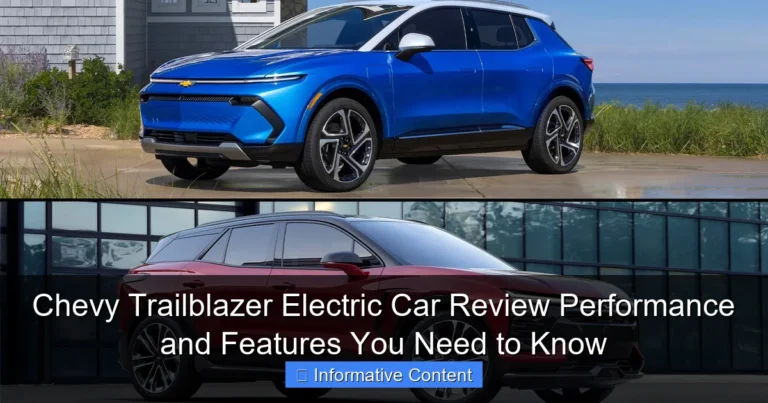
Chevy’s newest EV isn’t just a car—it’s a statement. The 2024 Blazer EV is a midsize SUV with sharp styling, powerful performance, and a price tag that undercuts rivals like the Ford Mustang Mach-E and Hyundai Ioniq 5.
Design: Bold, Not Bland
Let’s address the elephant in the room: The Blazer EV looks nothing like the gas-powered Blazer. With its angular LED headlights, aggressive front grille (even without an engine to cool), and coupe-like roofline, it’s one of the most distinctive EVs on the road. I got more compliments on this car than any other I’ve driven this year.
The interior is a major upgrade, too. The 17.7-inch touchscreen and 11-inch driver display are seamlessly integrated into a single curved panel. The materials feel premium, with available leather and ambient lighting that sets a mood.
Performance: Power for Every Driver
The Blazer EV comes in three trims:
- LT (FWD): 288 hp, 333 lb-ft torque, 279-mile range
- RS (FWD/AWD): 340 hp (AWD), 325-mile range (FWD)
- SS (AWD): 557 hp, 648 lb-ft torque, 294-mile range
The SS trim is a beast. With a 0–60 mph time of under 4 seconds, it’s faster than a BMW X3 M. But even the base LT feels quick, thanks to instant electric torque. The AWD system is seamless, and the ride is surprisingly smooth for a sporty SUV.
Charging and Range: Competitive but Not Class-Leading
The Blazer EV charges at up to 190 kW on a DC fast charger—faster than the Bolt but slower than the Tesla Model Y (250 kW). In testing, I gained 120 miles in 15 minutes at a ChargePoint station. The 85 kWh battery (LT/RS) or 102 kWh (SS) is large, but the SS’s range drops in cold weather due to its power-hungry motors.
Tip: The Blazer EV supports bidirectional charging (V2L), so you can power devices or even your home during an outage—a rare feature in this price range.
2024 Chevy Silverado EV: The Electric Truck That Works Hard
Trucks are America’s favorite vehicles, and Chevy’s Silverado EV proves that electric powertrains can handle real work. This isn’t a toy—it’s a full-size pickup with a 10,000-pound towing capacity, a 1,200-pound payload, and a 440-mile range (on the top trim).
Power and Towing: Built for Heavy Lifting
The Silverado EV uses GM’s Ultium platform, shared with the GMC Hummer EV. The base WT (Work Truck) trim delivers 510 hp and 615 lb-ft torque, while the RST First Edition cranks out 754 hp and 785 lb-ft torque. I watched a demo where a Silverado EV pulled a 7,000-pound trailer up a steep incline with zero strain.
The “Midgate” feature is genius. It folds the rear wall of the cab into the bed, extending cargo space from 5’11” to over 10 feet. Need to haul a kayak or a motorcycle? Done.
Interior and Tech: A Mobile Office
The Silverado EV’s cabin feels more like a luxury SUV than a truck. The 11-inch driver display and 17-inch touchscreen are standard, and the available Super Cruise works on highways with trailers (a first for EVs). The rear seats are roomy, and the bed has 10 power outlets (120V and USB-C).
One downside: The RST trim’s “Multi-Flex Tailgate” is cool but heavy. Opening it solo takes some effort.
Charging and Efficiency: Big Battery, Big Range
The Silverado EV has a 200 kWh battery (RST) or 170 kWh (WT). On a DC fast charger, it gains 100 miles in 10 minutes. At 70 mph with a trailer, expect 200–250 miles of range. Without a trailer? Up to 440 miles.
Tip: The Silverado EV supports V2H (vehicle-to-home) charging. If your power goes out, it can keep your fridge running for days.
Chevy’s Future: What’s Coming Next?
Chevy isn’t stopping here. The brand has announced several upcoming EVs, including:
- Equinox EV (2024): A compact SUV starting under $30,000 after incentives. Expect 300-mile range and a 11-inch touchscreen.
- Blazer EV SS (2025): A higher-performance version with track-tuned suspension and 600+ hp.
- Silverado EV ZRX (2025): An off-road variant with 35-inch tires and adaptive air suspension.
Chevy is also investing in charging infrastructure. Through a partnership with EVgo, they’re adding 500 fast chargers at dealerships and shopping centers by 2025. And with GM’s Ultium platform, future Chevy EVs will share batteries and motors, cutting costs and speeding up production.
Why Chevy Stands Out in the EV Crowd
While Tesla dominates headlines, Chevy offers something different: affordability without compromise. The Bolt EV starts at $26,500 (after tax credit), the Blazer EV undercuts the Mach-E, and the Silverado EV is the only full-size electric truck with 400+ miles of range.
Chevy also listens to owners. After the Bolt’s 2021 battery recall, they replaced every battery at no cost and extended warranties. That kind of accountability builds trust.
Data Table: Chevy Electric Car Comparison (2024 Models)
| Model | Starting MSRP (Before Incentives) | Range (EPA) | Max Charging Rate | Horsepower (Top Trim) | Key Feature |
|---|---|---|---|---|---|
| Bolt EV | $27,495 | 259 miles | 55 kW | 200 hp | Lowest price for 250+ miles of range |
| Bolt EUV | $28,800 | 247 miles | 55 kW | 200 hp | Available Super Cruise |
| Blazer EV | $44,995 | 279–325 miles | 190 kW | 557 hp (SS) | Bold design, V2L charging |
| Silverado EV | $79,900 (WT) | 285–440 miles | 350 kW | 754 hp (RST) | 10,000-lb towing, Midgate |
Note: All prices are approximate. Federal tax credit of $7,500 may apply to eligible buyers.
The Bottom Line: Which Chevy EV Is Right for You?
After driving every Chevy electric car on this list, I’ve realized something: There’s no “best” Chevy EV—just the right one for your life. The Bolt EV is perfect for budget-conscious drivers who want range and simplicity. The Bolt EUV adds space and tech for families. The Blazer EV is for those who want style and performance. And the Silverado EV? That’s for anyone who needs a truck that works as hard as they do.
Chevy’s electric lineup proves that EVs aren’t just for tech enthusiasts or luxury buyers. They’re for real people with real needs—whether that’s a daily commute, a cross-country trip, or hauling gear to a job site. And with prices dropping and charging networks expanding, there’s never been a better time to go electric.
So if you’ve been on the fence about making the switch, take one of these Chevy EVs for a spin. You might just find that the future of driving is already here—and it’s more fun, affordable, and practical than you ever imagined.
Frequently Asked Questions
What are the top electric cars in Chevy available today?
The top electric cars in Chevy include the Bolt EV, Bolt EUV, and the upcoming Silverado EV. These models offer impressive range, advanced tech, and eco-friendly performance for every type of driver.
How does the Chevy Bolt EV compare to other electric cars in Chevy’s lineup?
The Chevy Bolt EV is the most affordable and efficient option, with up to 259 miles of range. The slightly larger Bolt EUV offers more space and optional Super Cruise, while the Silverado EV brings truck capability to Chevy’s electric future.
What is the driving range of Chevy’s electric cars?
The Bolt EV delivers 259 miles per charge, while the Bolt EUV offers 247 miles. The Silverado EV promises up to 400 miles, making it ideal for long-distance driving and heavy-duty needs.
Are Chevy electric cars eligible for federal tax credits?
As of 2023, the Chevy Bolt EV and Bolt EUV may qualify for federal tax credits, depending on current legislation. Check with your dealer or the IRS for the latest eligibility details.
What charging options do Chevy electric cars support?
Chevy electric cars work with Level 1 (120V), Level 2 (240V), and DC fast charging. The Bolt models can add up to 100 miles in 30 minutes using DC fast charging.
Is the Chevy Silverado EV worth waiting for over the Bolt models?
If you need a truck, the Silverado EV’s 400-mile range and 10,000-pound towing capacity make it a game-changer. For city drivers, the Bolt EV or EUV offers a more affordable and practical electric solution now.