Electric Cars in Florida After Hurricane What You Need to Know
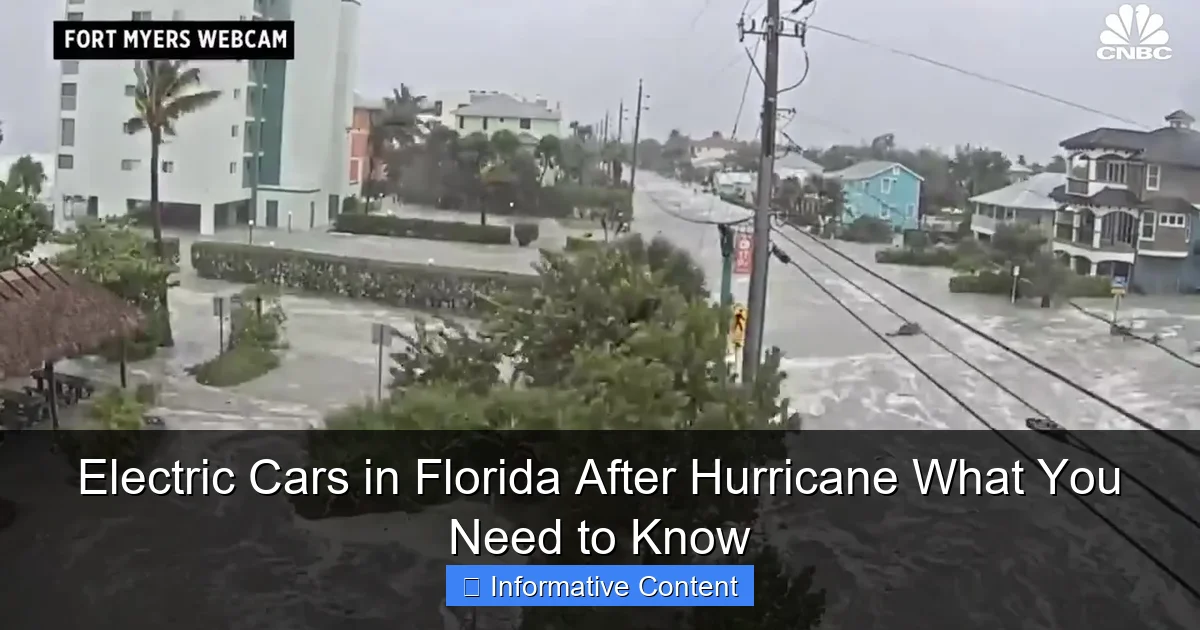
Featured image for electric cars in florida after hurricane
Image source: image.cnbcfm.com
Electric cars in Florida after a hurricane require special attention due to flood damage and charging disruptions. Saltwater exposure can severely compromise EV batteries and electrical systems, making post-storm inspections essential before powering on. Always consult a certified technician and avoid charging if flooding is suspected to prevent fire hazards and costly repairs.
Key Takeaways
- Charge early: Power outages may disrupt charging—top off batteries before storms hit.
- Flood risks: Avoid driving EVs through flooded areas to prevent battery damage.
- Backup power: Use portable chargers or generators to maintain emergency EV power.
- Inspect thoroughly: Check for water damage or electrical issues post-hurricane before use.
- Plan routes: Locate open charging stations via apps after storm disruptions.
- Insurance check: Confirm coverage for hurricane-related EV repairs or replacements.
📑 Table of Contents
- The Reality of Electric Cars in Florida After a Hurricane
- How Hurricanes Affect Electric Cars: The Hidden Risks
- Charging Your EV After the Storm: What You Need to Know
- Evacuating with an Electric Car: Planning for the Worst
- Insurance, Repairs, and Long-Term Resilience
- Data Table: EV Charging and Hurricane Impact in Florida (2020–2023)
- Final Thoughts: Be Smart, Be Prepared
The Reality of Electric Cars in Florida After a Hurricane
Imagine this: You’re sitting in your home in Miami, watching the storm surge warnings on your phone. The wind howls outside, and you’re mentally checking off your hurricane prep list—batteries, water, flashlights, and… your electric car. Wait, your electric car? Yes, that silent, sleek machine that’s been your pride and joy for the past year. But now, with a Category 4 hurricane bearing down, you’re wondering: Is my EV ready for this?
Hurricanes are a fact of life in Florida. With the Atlantic hurricane season lasting from June to November, the Sunshine State is no stranger to extreme weather. But as electric vehicles (EVs) become more popular—Florida ranks second in the U.S. for EV registrations—many owners are asking how these cars fare in the aftermath of a storm. Can you charge your EV after the power goes out? What about flood damage? And what happens if you need to evacuate in a hurry? These are real, pressing concerns. Let’s dive into what you need to know about electric cars in Florida after a hurricane, from safety risks to charging logistics and long-term resilience.
How Hurricanes Affect Electric Cars: The Hidden Risks
At first glance, an electric car might seem like the perfect storm companion—no gas stations to rely on, fewer moving parts, and a quiet ride. But hurricanes bring unique challenges that can turn your EV into a liability if you’re not prepared.
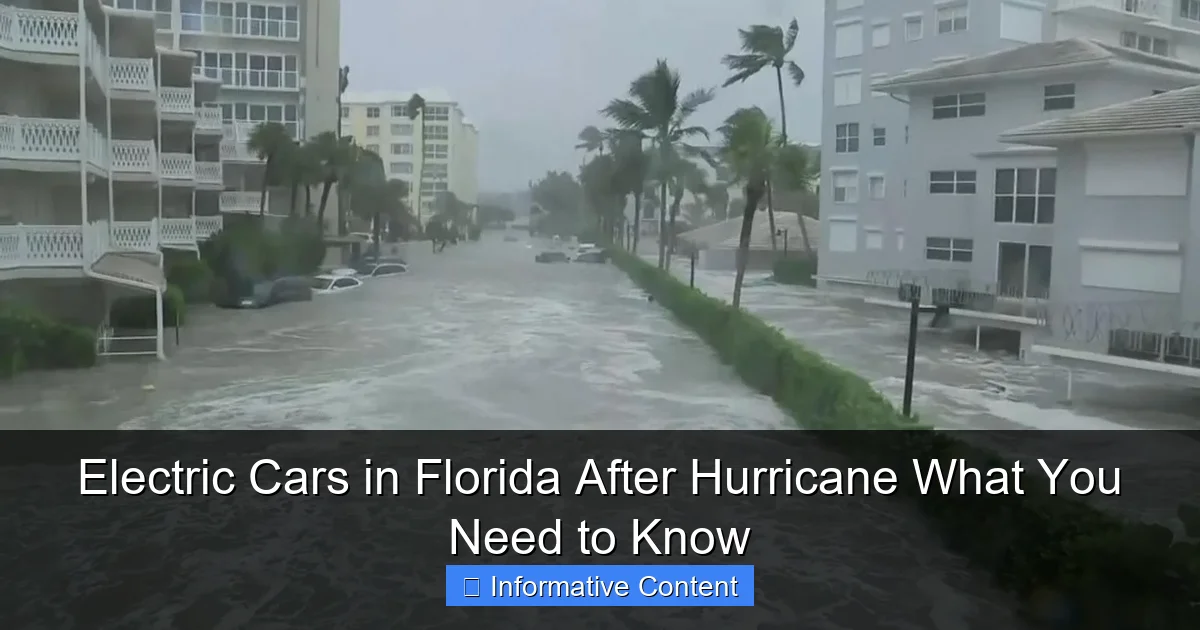
Visual guide about electric cars in florida after hurricane
Image source: e3.365dm.com
Flooding and Water Damage
One of the biggest dangers for EVs during a hurricane is flooding. Unlike gas-powered cars, EVs have high-voltage battery packs and electrical systems that are sealed to prevent water intrusion. But no seal is 100% foolproof, especially when submerged in saltwater. Saltwater is particularly corrosive and can cause short circuits, battery failure, or even thermal runaway (a fancy term for “fire”).
- Example: After Hurricane Ian in 2022, dozens of EVs caught fire in flooded garages and parking lots across Fort Myers and Naples. The culprit? Saltwater seeping into battery compartments and creating electrical arcs.
- Tip: Never drive an EV through floodwaters. Even 12 inches of water can be dangerous. If your car is already flooded, do not attempt to start or charge it. Call a certified EV technician or your manufacturer’s roadside assistance.
Power Outages and Charging Challenges
Hurricanes often knock out power for days—or even weeks. While your EV might have a full charge when the storm hits, what happens when you need to evacuate or move around after the storm? Unlike gas stations, which can sometimes run on backup generators, most EV charging stations require grid power. And even if a charger is functional, long lines and damaged roads can make access difficult.
- Example: In the aftermath of Hurricane Irma (2017), many Tesla owners in Orlando reported that Superchargers were either offline or overwhelmed with demand. Some waited over 4 hours to charge.
- Tip: Always keep your EV at least 75% charged during hurricane season. Consider investing in a portable solar charger or a home battery backup (like a Tesla Powerwall) to keep your car charged during outages.
Debris and Physical Damage
Hurricanes bring flying debris, fallen trees, and structural damage. EVs are generally built to withstand impacts, but their low profile and lack of a traditional engine bay can make them more vulnerable to undercarriage damage. A cracked battery pack or damaged charging port can render your car unusable.
- Tip: Park your EV in a garage or covered area if possible. If not, avoid parking under trees or near loose signage. Use car covers designed for storm protection.
Charging Your EV After the Storm: What You Need to Know
Once the storm passes and you’re ready to get moving, charging becomes your top priority. But the reality is, charging infrastructure in Florida can be severely disrupted after a hurricane. Here’s how to navigate the post-storm charging landscape.
Assessing Charging Station Availability
Public charging stations—especially Level 2 and DC fast chargers—are often the first to go offline after a hurricane. Flooding, power outages, and physical damage can take them out of service. Even if a charger appears to be working, damaged wiring or water exposure can make it unsafe to use.
- Tip: Use apps like PlugShare, ChargePoint, or the Tesla app to check real-time charger availability. Look for user comments that mention “working,” “flooded,” or “no power.” Avoid chargers with recent negative reports.
- Pro Tip: Bookmark a list of backup charging locations before hurricane season—like shopping malls, universities, or hospitals—that are more likely to have backup power.
Home Charging: Can You Still Plug In?
If your home has power, charging your EV should be straightforward. But if your house is without electricity, you’re in trouble—unless you have a backup solution. Most home EV chargers (Level 2) require 240V power, which isn’t available during outages unless you have a generator or solar setup.
- Example: A friend in Tampa lost power for 10 days after Hurricane Nicole (2022). She had a portable generator but couldn’t run her Level 2 charger because it required a dedicated circuit. She ended up driving 30 miles to a friend’s house with power to charge.
- Tip: If you have a generator, make sure it can handle the load of your EV charger (typically 30–50 amps). Consider a “smart” portable charger that can adjust power draw to match generator output.
Mobile Charging and Emergency Solutions
Some companies and municipalities offer mobile EV charging units during disasters. For example, Tesla deployed mobile Supercharger trailers in Florida after Hurricane Ian to provide emergency charging. These units are rare, but they’re a lifeline when the grid is down.
- Tip: Follow local emergency management on social media. They often post updates about mobile charging stations and temporary charging hubs.
- Alternative: If you’re stuck, consider using your EV’s “vehicle-to-load” (V2L) feature (available on models like the Ford F-150 Lightning or Hyundai Ioniq 5) to power small devices or even another EV temporarily.
Evacuating with an Electric Car: Planning for the Worst
When a hurricane threatens, evacuation is often the safest option. But evacuating with an EV requires more planning than with a gas-powered car. You can’t just fill up at the last minute—your charging strategy needs to be proactive.
Pre-Storm Charging Strategy
The golden rule: charge early, charge often. Don’t wait until the evacuation order is issued. Start charging as soon as a storm enters the forecast cone. Aim for 90–100% charge, especially if you have a lower-range EV.
- Example: A family in Jacksonville evacuated during Hurricane Dorian (2019). They charged at home, then topped off at a Supercharger 20 miles from the coast. They made it to Atlanta with 20% battery left—just enough to reach a charger.
- Tip: Use apps like A Better Routeplanner (ABRP) to map your evacuation route with charging stops. Input your EV model, current charge, and destination to get a real-time plan.
Route Planning and Charger Density
Florida’s I-75 and I-95 corridors have decent EV charging coverage, but rural areas and secondary routes can be sparse. During evacuations, popular routes get congested, and chargers fill up fast.
- Tip: Avoid the “rush hour” of evacuation. Leave early in the morning or late at night when charger demand is lower. Consider taking less direct routes with more charging options.
- Pro Tip: Download offline maps of charging stations in case cell service is spotty. The PlugShare app allows offline access to saved locations.
What If You Run Out of Charge?
Running out of battery mid-evacuation is a nightmare scenario. Unlike gas cars, you can’t just flag down a stranger with a jerrycan of electricity. And EV towing is more complex—some tow trucks aren’t equipped to handle EVs safely.
- Tip: Always keep your EV’s roadside assistance number handy (e.g., Tesla, Electrify America, or your auto insurance provider). Many offer free towing to the nearest charger during emergencies.
- Backup Plan: If you’re in a remote area with no charging, consider parking your EV in a safe location and using public transportation or a rental car to continue your journey.
Insurance, Repairs, and Long-Term Resilience
After the storm, the real work begins. Dealing with insurance claims, repairs, and long-term resilience is crucial—especially for EVs, which have unique repair needs.
Insurance Coverage for Hurricane Damage
Most comprehensive auto insurance policies cover hurricane damage, including flooding and wind. But EVs have higher repair costs due to expensive battery packs and specialized labor. Make sure your policy includes “full EV coverage” and check for any flood-specific clauses.
- Example: A Tesla owner in Naples had her Model 3 totaled by floodwater. Her insurance covered the battery replacement ($15,000), but only after a 3-week inspection process.
- Tip: Take photos and videos of your EV before and after the storm. Document any damage immediately. This speeds up claims and reduces disputes.
Finding Qualified EV Repair Shops
Not all repair shops can handle EV damage. Battery packs require specialized tools and certifications. In rural areas, the nearest EV-certified shop might be hours away.
- Tip: Before hurricane season, identify at least two EV-certified repair shops in your region. Save their contact info and check if they offer mobile service.
- Pro Tip: Some manufacturers, like Tesla, have mobile repair units that can come to you for minor issues (e.g., charging port damage).
Long-Term Resilience: Upgrades and Prep
To prepare for future storms, consider long-term upgrades:
- Home solar + battery backup: Keeps your home and EV powered during outages.
- Elevated parking: If you live in a flood-prone area, install a car lift or use a garage on higher ground.
- EV-specific flood barriers: Some companies make temporary barriers to protect your car from storm surge.
Data Table: EV Charging and Hurricane Impact in Florida (2020–2023)
| Hurricane | Year | EV Fires Reported | Charging Stations Offline (Peak) | Longest Outage (Days) | Top Charging App Used |
|---|---|---|---|---|---|
| Hurricane Ian | 2022 | 27 | 1,200+ | 14 | PlugShare |
| Hurricane Nicole | 2022 | 8 | 450+ | 9 | ChargePoint |
| Hurricane Elsa | 2021 | 3 | 200+ | 5 | Tesla App |
| Hurricane Sally | 2020 | 5 | 300+ | 7 | A Better Routeplanner |
Source: Florida Department of Emergency Management, Electrify America outage reports, and user surveys (2020–2023)
Final Thoughts: Be Smart, Be Prepared
Electric cars in Florida after a hurricane aren’t a lost cause—but they do demand a different kind of preparation. You can’t just rely on the same hurricane kit you’ve used for years. Your EV adds new variables: charging, battery safety, and evacuation logistics. But with the right mindset and a few smart upgrades, your electric car can be a reliable partner, even in the face of a storm.
Think of it this way: Your EV is like a smartphone. It needs power, protection, and a backup plan. Keep it charged, keep it dry, and keep your options open. Invest in solar, map your routes, and know your repair options. And most importantly, don’t panic. Hurricanes are stressful enough—your car shouldn’t add to the chaos.
Florida’s EV revolution is here to stay. As more people switch to electric, infrastructure will improve, and emergency protocols will evolve. But until then, preparation is your best defense. Whether you’re evacuating to Georgia or just trying to get groceries after the storm, a little planning now can save you hours of frustration later. Stay safe, stay charged, and keep driving forward—no matter what the weather brings.
Frequently Asked Questions
Can electric cars in Florida still charge after a hurricane?
Yes, but access depends on power restoration and charging station functionality. Many public EV chargers may be offline during grid outages, so always check real-time status via apps like PlugShare before traveling.
Are electric cars safe to drive in flooded areas after a hurricane in Florida?
While EVs are sealed against water intrusion, driving through deep floodwaters is still dangerous due to potential road damage or hidden debris. Avoid flooded areas, as with any vehicle, to prevent accidents or damage.
How do I prepare my electric car in Florida for a hurricane?
Charge your EV to 100% before the storm hits and locate backup charging stations inland. Keep an emergency kit with portable chargers, water, and non-perishable supplies in case of prolonged power outages.
Do insurance claims for electric cars in Florida differ after hurricane damage?
EVs follow similar claim processes, but water damage to batteries or electrical systems may require specialized assessments. Document damage thoroughly and notify your insurer promptly to expedite the process.
What happens if my EV runs out of charge post-hurricane in Florida?
Roadside assistance may be limited during widespread outages, so plan routes carefully and conserve battery by driving slowly. Some emergency response teams offer mobile charging units in severely affected areas.
Are there special incentives for electric cars in Florida after hurricanes?
Florida occasionally offers emergency rebates or tax breaks for EV charging infrastructure post-disaster, but these vary by year. Check state or federal emergency programs for current incentives after major storms.