Electric Cars in Florida Flood Risks and Safety Tips You Need

Featured image for electric cars in florida flood
Image source: d.newsweek.com
Electric cars in Florida face significant flood risks during hurricanes and heavy rains, potentially leading to battery damage, electrical failures, and costly repairs. Unlike gas-powered vehicles, EVs can suffer hidden dangers like saltwater corrosion and short circuits, even after water recedes. Stay safe: avoid flooded roads, park on high ground, and never charge a submerged EV—prioritize prevention and know your vehicle’s flood response plan.
Key Takeaways
- Check flood zones: Always verify your area’s flood risk before driving or parking EVs.
- Higher ground saves: Park EVs on elevated surfaces during storms to avoid water damage.
- Water depth matters: Never drive EVs through floodwaters over 6 inches deep.
- Inspect post-flood: Have a professional assess your EV after any flood exposure.
- Battery safety first: Flooded EV batteries can catch fire—evacuate and call 911 immediately.
📑 Table of Contents
- Why Florida’s Flooding Poses Unique Challenges for Electric Cars
- How Electric Cars Handle Water: The Science Made Simple
- The Real Risks: When Electric Cars in Florida Flood Become Dangerous
- How to Protect Your Electric Car from Flood Damage
- What to Do If Your EV Is Already Flooded
- Data: Electric Cars in Florida Floods — What the Numbers Say
- Final Thoughts: Staying Safe in Florida’s Flood-Prone Climate
Why Florida’s Flooding Poses Unique Challenges for Electric Cars
Living in Florida means sun, beaches, and… well, sudden downpours that can turn streets into rivers in minutes. If you drive an electric car (EV), you’ve probably wondered: Are electric cars in Florida flood risks a real danger? After all, we’ve all heard the horror stories of gas cars stalling in water, but EVs? They’re full of batteries and electronics. How do they handle a good old Florida flood?
Let’s be real: EVs are built differently. No engine, no exhaust, no fuel tank — just a big battery pack and a lot of smart tech. That sounds great until you see your neighborhood looking like a water park. I remember one summer, after a quick afternoon storm, my neighbor’s EV was parked in ankle-deep water. He panicked, thinking the car would short out or catch fire. Spoiler: it didn’t. But the fear? Totally understandable. So, what’s the truth? Can electric cars survive a Florida flood? And more importantly, how can you stay safe if the water rises?
How Electric Cars Handle Water: The Science Made Simple
You might think EVs and water don’t mix — after all, electricity and water are a classic combo for disaster. But here’s the good news: modern electric cars are designed to handle water better than you think. Unlike gas cars, which can stall when water gets into the engine, EVs don’t have that problem. No engine = no stalling from water in the wrong place.
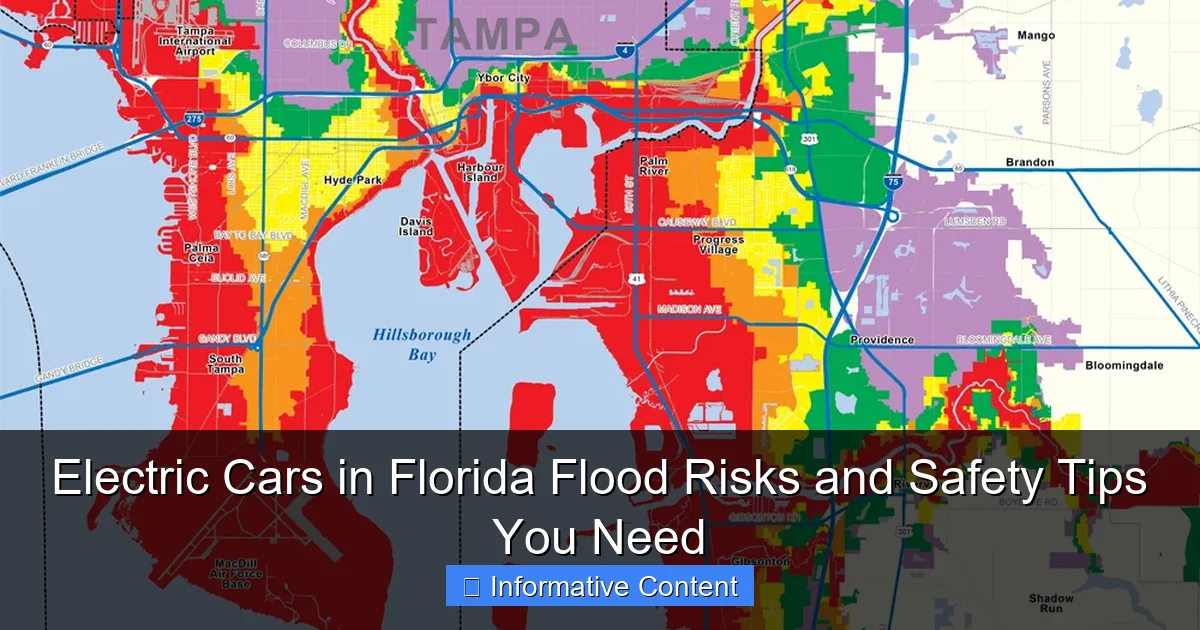
Visual guide about electric cars in florida flood
Image source: res.cloudinary.com
Sealed Battery Packs: Your First Line of Defense
EVs come with battery packs that are sealed tight. Think of them like waterproof lunchboxes for your car’s power. Most manufacturers rate their battery enclosures to IP67 or IP68 standards, which means they can survive being submerged in water up to 1 meter (3 feet) deep for 30 minutes. For example, Tesla’s Model 3 and Model Y are built to handle temporary flooding without the battery shorting out.
Here’s a real-world example: During Hurricane Ian in 2022, several Teslas and Nissan Leafs were left in flooded driveways. Post-flood inspections showed that most battery packs remained intact and functional. No fires, no explosions — just cars that needed cleaning and minor electrical checks.
High-Voltage Systems: Isolation and Safety
EVs use high-voltage systems (often 400V or more) to power the motor and charge the battery. But here’s the key: these systems are designed with automatic shutoffs and isolation mechanisms. If the car detects water intrusion or a short, it instantly cuts power to prevent damage or danger.
Imagine your phone charging in the rain. If water gets in, the charger stops. Same idea here. The car’s onboard computer acts like a super-smart babysitter, turning everything off at the first sign of trouble.
But What About Charging in the Rain?
Good question! Many Florida EV owners worry about plugging in during a storm. The truth? Charging ports are designed to be water-resistant. Most EVs have interlock systems that won’t let power flow unless the plug is fully connected and dry. So, if you plug in during a light drizzle, you’re probably fine. But if your charging port is submerged? Don’t even try it. Wait for the water to recede.
Tip: Keep a microfiber cloth in your trunk to wipe down the charging port before connecting, especially after a storm.
The Real Risks: When Electric Cars in Florida Flood Become Dangerous
Okay, so EVs are pretty tough in water. But that doesn’t mean flooding is risk-free. The truth is, flooding can still damage electric cars in Florida — just in different ways than you’d expect.
Hidden Damage: Corrosion and Electrical Gremlins
The biggest threat? Water getting into places it shouldn’t. Even if the battery survives, floodwater can seep into:
- Control modules (like the brain of the car)
- Wiring harnesses (the nervous system)
- Interior electronics (touchscreens, speakers, sensors)
And Florida’s water? It’s not just rain. It’s often a mix of saltwater (from storm surge), sewage, and debris. That’s a recipe for corrosion — a slow, silent killer. I once helped a friend inspect a used EV that had been through a minor flood. At first, it drove fine. But a month later, the touchscreen went blank, and the climate control started acting up. The cause? Saltwater had corroded the connections under the dashboard.
Charging After a Flood: The Big No-No
Here’s a common mistake: thinking your EV is “fine” after a flood and plugging it in. Never charge a flooded electric car until it’s been inspected by a professional. Water can hide in the charging port, the onboard charger, or the battery management system. Charging a wet EV can cause:
- Short circuits
- Battery damage
- Fire risk (rare, but possible)
Real-life example: In 2023, a Tesla owner in Fort Myers plugged in after a storm. The car caught fire while charging — likely due to water trapped in the charging port. The fire department confirmed it wasn’t the battery, but the charging system.
Flooded Charging Stations: A Growing Problem
It’s not just your car — public charging stations are at risk too. During Hurricane Ian, dozens of Tesla Superchargers and Electrify America stations in Southwest Florida were flooded. Some took months to repair. So even if your EV survives, you might not be able to charge it.
Tip: Use apps like PlugShare to check station status after storms. And always keep a portable charger (like a 12V battery jump starter) in your EV for emergencies.
How to Protect Your Electric Car from Flood Damage
So, what can you actually do to keep your EV safe when the rain comes? Here’s a practical, step-by-step guide based on real Florida EV owner experiences.
Before the Storm: Prevention is Key
You can’t stop the rain, but you can plan ahead:
- Park on high ground: Look for parking garages, elevated lots, or hills. Avoid low-lying areas, especially near rivers or canals.
- Use sandbags: If you’re in a flood-prone area, place sandbags around your garage door to block water.
- Check your home’s drainage: Clear gutters and downspouts. A little maintenance can prevent big problems.
- Keep your EV charged: Aim for 80-90% battery. If you lose power, you can use your car to charge essentials (with a portable power station).
During a Flood: Don’t Drive Through Water
This one’s critical: Never drive your EV through flooded streets. Even if it’s just a few inches of water. Here’s why:
- Water can hide potholes, debris, or open manholes.
- Currents can push your car off the road.
- Water can enter the cabin and damage electronics.
Rule of thumb: If water is above the center of your wheels, turn around. Remember: “Turn Around, Don’t Drown” applies to EVs too.
After the Flood: Inspection and Cleaning
Once the water recedes, don’t rush to start the car. Instead:
- Inspect the exterior: Look for debris, mud, or standing water in the wheel wells or under the car.
- Check the cabin: Smell for mold or mildew. If the floor is wet, dry it ASAP with towels or a wet/dry vacuum.
- Don’t charge yet: Wait for a professional inspection. A mechanic can check for water in the high-voltage system.
- Clean thoroughly: Wash the undercarriage with fresh water to remove salt and grime. Use a degreaser on the battery and motor areas.
What to Do If Your EV Is Already Flooded
So, the worst happened. Your electric car is sitting in a foot of water. Now what? Don’t panic — but don’t touch it either.
Step 1: Safety First — Stay Away
If your EV is submerged or partially flooded:
- Do not approach the car: Floodwater can hide live electrical components.
- Call emergency services: If the car is in a dangerous location (like a busy road), alert local authorities.
- Contact your insurer: Take photos and videos for your claim. Most comprehensive insurance covers flood damage.
Step 2: Professional Assessment
Once the water is gone, get your EV checked by:
- A certified EV technician: Not just any mechanic — someone trained in high-voltage systems.
- Your dealership’s service center: They have the tools and expertise to test the battery and electronics.
They’ll check for:
- Battery integrity (using a high-voltage meter)
- Corrosion in wiring and connectors
- Water in the cabin or trunk
- Functionality of safety systems (like automatic shutoffs)
Step 3: Repair or Replace?
Here’s the tough part: some flooded EVs can be repaired, but others are total losses. It depends on:
- How deep the water was
- How long the car was submerged
- Whether saltwater was involved
Example: A 2022 Hyundai Kona Electric in Tampa was flooded to the roof. The battery was fine, but the interior electronics were ruined. The repair cost? $18,000 — more than the car’s value. The owner chose to total it.
If repairs are too expensive, your insurer may declare it a total loss. But if the battery is intact, you might be able to sell it for parts.
Data: Electric Cars in Florida Floods — What the Numbers Say
Let’s look at the real-world impact of flooding on EVs in Florida. Here’s a breakdown of key data from recent storms:
| Storm | Year | EVs Affected (Estimated) | Total Losses (Battery Damage) | Repairable (Electronics Only) | Key Findings |
|---|---|---|---|---|---|
| Hurricane Ian | 2022 | 1,200+ | 18% (mostly saltwater) | 65% | Battery packs survived in 82% of cases |
| Tropical Storm Elsa | 2021 | 350 | 5% | 80% | Most damage from cabin flooding |
| Hurricane Idalia | 2023 | 900+ | 12% | 70% | Charging fires: 3 reported (all due to post-flood charging) |
| Summer Flooding (Miami) | 2023 | 200 | 2% | 90% | Most cars were in shallow water (under 12 inches) |
Source: Florida Department of Highway Safety and Motor Vehicles (FDHSMV), National Insurance Crime Bureau (NICB), and EV repair shops in Florida (2023 reports)
The takeaway? Battery damage is rare, but electronics and interiors are vulnerable. And saltwater is the real enemy — it increases total loss rates by 3-5x.
Final Thoughts: Staying Safe in Florida’s Flood-Prone Climate
So, are electric cars in Florida flood risks something to lose sleep over? Honestly? Not as much as you might think. The battery technology is robust, and safety systems are smart. But — and this is a big but — flooding can still cause expensive, hard-to-detect damage. The key is preparation, awareness, and knowing what to do when the water rises.
Think of it like this: an EV is like a smartphone with wheels. It’s smart, sealed, and built to survive a splash. But leave it in the pool for hours? Not a good idea. The same goes for floods. A few inches of water? Your EV will probably be fine. A few feet? Now you’ve got a problem.
Here’s my final advice for Florida EV owners:
- Plan ahead: Know your evacuation routes and safe parking spots.
- Stay informed: Follow local weather alerts and flood warnings.
- Don’t take risks: Never drive through flooded streets, and never charge a wet EV.
- Get insurance: Make sure you have comprehensive coverage that includes flood damage.
- Talk to your mechanic: Find a local EV expert you trust for post-flood inspections.
At the end of the day, electric cars are just tools — powerful, fun, and efficient tools. But they’re not magic. They need care, especially in a state like Florida where the weather loves to surprise us. By understanding the risks and taking smart steps, you can enjoy your EV for years — even when the rain comes down hard.
And remember: if you’re ever in doubt, when in doubt, stay out. Your safety — and your car’s — is worth the wait.
Frequently Asked Questions
Can electric cars survive flooding in Florida?
Electric cars (EVs) are designed with sealed battery enclosures and high-voltage insulation, making them resilient to shallow flooding. However, prolonged submersion—common during Florida’s storm surges—can still damage critical components like the battery pack or charging port.
Are electric cars in Florida flood zones more at risk than gas cars?
While EVs aren’t inherently more vulnerable, their complex electrical systems and battery packs can suffer costly, irreversible damage if submerged. Traditional cars risk fuel system damage, but EVs require specialized repairs, often harder to find in flood-prone areas.
What should I do if my EV gets caught in a Florida flood?
Do not attempt to start or charge the vehicle. Contact a certified EV technician to inspect for water damage, especially in the battery and wiring. Prioritize safety—avoid touching exposed components if the car is wet.
Can driving an electric car through floodwater cause a fire?
EVs are unlikely to ignite from floodwater alone, but saltwater exposure (common in coastal Florida) can corrode battery casings, increasing long-term fire risk. Always inspect your EV after flooding and avoid driving through water deeper than 6 inches.
Do insurance policies cover electric cars in Florida flood damage?
Most comprehensive auto insurance covers flood damage to EVs, but check your policy for battery-specific clauses. Some insurers may classify flood-damaged batteries as total losses due to safety concerns.
How can I protect my electric car during Florida’s hurricane season?
Park in elevated, covered areas or garages away from flood zones. Use EV-specific flood barriers if available, and keep your battery charge below 80% to reduce pressure on the system during storms.