Electric Cars Made by Kia The Future of EcoFriendly Driving

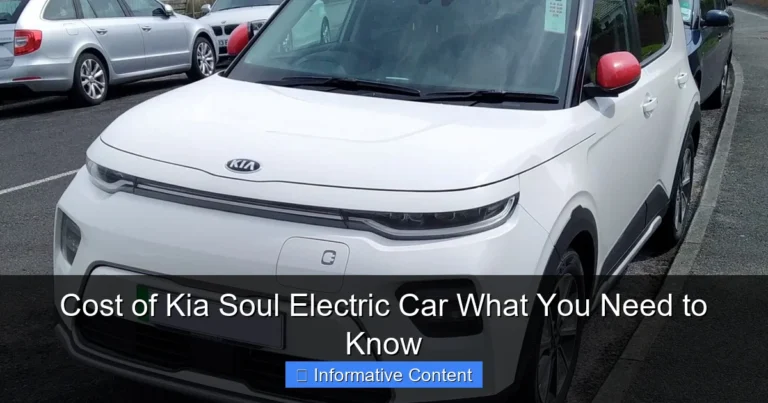
Featured image for electric cars made by kia
Kia is revolutionizing eco-friendly driving with its innovative lineup of electric cars, combining cutting-edge technology, impressive range, and sleek design to challenge industry leaders. From the compact Niro EV to the luxurious EV6, Kia’s EVs offer affordable sustainability without compromising performance or style.
Key Takeaways
- Kia offers diverse EVs from compact SUVs to sedans, fitting all lifestyles.
- Long-range capabilities ensure fewer charges and more driving freedom.
- Ultra-fast charging gets you back on the road in under 20 minutes.
- Eco-conscious interiors feature sustainable materials for greener driving.
- Smart tech integration enhances safety, navigation, and connectivity seamlessly.
- Affordable pricing makes Kia’s EVs accessible without sacrificing quality.
📑 Table of Contents
- The Rise of Kia in the Electric Vehicle Revolution
- Why Kia Stands Out in the Electric Car Market
- Kia’s Electric Car Lineup: A Closer Look
- Charging Made Simple: Kia’s Approach to EV Ownership
- The Environmental Impact: How Kia Is Driving Change
- Tips for Buying and Owning a Kia Electric Car
- The Road Ahead: Kia’s Vision for the Future
The Rise of Kia in the Electric Vehicle Revolution
Picture this: You’re driving down a quiet suburban street, the sun setting behind the trees, and your car hums along with a near-silent whisper. No engine roar, no gas station visits, just smooth, efficient progress. That’s the world Kia is helping to create with its lineup of electric cars. As someone who once thought electric vehicles (EVs) were all about compromise—less range, fewer features, higher prices—I was blown away by how Kia has flipped the script. Their electric cars blend practicality, style, and innovation in ways that make eco-friendly driving feel not just possible, but genuinely exciting.
Kia’s journey into the EV space isn’t just about keeping up with the times. It’s a bold statement of intent. With ambitious goals to electrify 40% of its lineup by 2030 and a commitment to carbon neutrality, Kia is positioning itself as a leader in sustainable mobility. And the best part? They’re doing it without sacrificing the things drivers actually care about—comfort, performance, and affordability. Whether you’re a city commuter, a road-trip enthusiast, or just someone who wants to reduce their carbon footprint, Kia’s electric cars are worth a serious look.
Why Kia Stands Out in the Electric Car Market
Let’s be honest: The EV market is crowded. Tesla, Hyundai, Ford, and even traditional luxury brands are all vying for attention. So what makes Kia different? It’s not just one thing—it’s a combination of smart engineering, thoughtful design, and a focus on real-world usability.
1. Value Without Compromise
Kia’s electric cars punch above their weight when it comes to price-to-feature ratio. Take the Kia Niro EV, for example. Priced under $40,000 (before incentives), it offers 253 miles of range, a spacious interior, and a suite of advanced safety tech. Compare that to similarly priced EVs from other brands, and you’ll often find fewer miles or fewer features. Kia doesn’t skimp on the essentials.
And it’s not just about the sticker price. Kia’s 10-year/100,000-mile warranty (including on the battery) is one of the best in the industry. That peace of mind? Priceless.
2. Design That Doesn’t Look Like a Science Experiment
Let’s face it—some EVs look like they belong in a sci-fi movie. Kia, on the other hand, designs cars that look like… well, cars. The EV6, for instance, has a sleek, coupe-like profile with bold lighting and a futuristic interior, but it still feels grounded and approachable. It’s stylish without being over-the-top, which is a win for drivers who want to blend in, not stand out.
Even the charging port placement is thoughtful. On most EVs, it’s awkwardly located or requires you to back into spots. Kia’s front-fender placement? Genius. It means you can pull nose-in at most public chargers—a small detail that makes a big difference in daily use.
3. Performance That Surprises
Electric cars are known for instant torque, but Kia takes it up a notch. The EV6 GT, for example, rockets from 0 to 60 mph in 3.4 seconds—faster than many sports cars. But it’s not just about speed. Kia’s EVs handle like they’re on rails, thanks to their low center of gravity (from the battery placement) and responsive steering.
And for those who worry about range anxiety, Kia’s 800-volt architecture (on the EV6 and EV9) means faster charging. We’re talking 10% to 80% in about 18 minutes at a DC fast charger. That’s enough time to grab a coffee and stretch your legs.
Kia’s Electric Car Lineup: A Closer Look
Kia’s EV lineup is growing fast, with models designed to fit a range of needs and budgets. Here’s a breakdown of what’s currently available—and what’s coming soon.
The Kia Niro EV: The Everyday Hero
The Niro EV is the perfect entry point for EV newbies. It’s compact, efficient, and packed with features. With 253 miles of range, it’s ideal for daily commutes and weekend getaways. The interior is surprisingly roomy, with a 10.25-inch touchscreen, wireless Apple CarPlay/Android Auto, and a host of driver aids like adaptive cruise control and lane-keeping assist.
Pro tip: If you’re torn between the Niro EV and the hybrid version, consider this: The EV saves about $1,000 a year in fuel and maintenance costs (based on 15,000 miles/year and average electricity/gas prices). Plus, you’ll never have to worry about oil changes or transmission repairs.
The Kia EV6: The Tech-Savvy All-Rounder
The EV6 is Kia’s flagship EV, and it’s a game-changer. Built on the same platform as the Hyundai Ioniq 5, it shares some tech but stands out with its own bold design and driving dynamics. The base model offers 310 miles of range, while the GT-Line and GT versions add more power and luxury.
One standout feature? The EV6 can act as a mobile power bank. With its Vehicle-to-Load (V2L) system, you can power everything from laptops to camping gear—even other EVs in an emergency. I used it once during a power outage to keep my fridge running. Game-changer.
The Kia EV9: The Family-Friendly Giant
Need space for seven? The EV9 is Kia’s first three-row electric SUV, and it’s a revelation. With up to 304 miles of range, it’s perfect for road trips. The interior is luxurious, with available second-row “lounge” seats that recline and massage. Yes, really.
The EV9 also introduces Kia’s next-gen infotainment system, with a curved 27-inch display that spans the dashboard. It’s intuitive and responsive, though I wish the touch controls were a bit more tactile. Still, it’s a step above most competitors’ systems.
What’s Next? The Kia EV5 and Beyond
Kia has already teased the EV5, a smaller SUV aimed at urban drivers, and the EV3, a compact model expected to be the brand’s most affordable EV yet. These models will expand Kia’s reach into new segments, making EVs accessible to even more drivers.
Charging Made Simple: Kia’s Approach to EV Ownership
Let’s talk about the elephant in the room: charging. For many people, the idea of switching to an EV is daunting because of “range anxiety” and the perceived hassle of charging. Kia tackles this head-on with a mix of hardware, software, and partnerships.
Home Charging: The Foundation
Most EV owners charge at home, and Kia makes it easy. Every new Kia EV comes with a 120-volt Level 1 charger, but I highly recommend upgrading to a 240-volt Level 2 charger. Kia partners with Qmerit for professional installation, which typically costs $700–$1,200 depending on your electrical setup.
Pro tip: If you have solar panels, consider a smart charger like the Wallbox Pulsar Plus. It lets you schedule charging during off-peak hours or when solar production is high, saving you money and reducing grid strain.
Public Charging: Where Kia Shines
Kia’s EVs are compatible with the Electrify America network, which offers over 3,500 fast chargers across the U.S. Even better, Kia includes three years of free charging with every new EV. That’s a $1,000+ value and a huge perk for road-trippers.
But here’s the real magic: Kia’s 800-volt architecture (on the EV6 and EV9) means faster charging speeds. At a 350kW charger, you can add 217 miles of range in 18 minutes. Compare that to 400-volt EVs, which often take 30+ minutes for a similar charge.
Navigation and Charging Integration
Kia’s navigation system is one of the best in the industry. It automatically calculates the most efficient route, factoring in traffic, elevation, and charging stops. When you’re low on battery, it suggests nearby chargers and even preconditions the battery for faster charging (on compatible models).
I once drove from San Diego to Phoenix in my EV6, a 350-mile trip. The nav system planned two charging stops, and both were at clean, well-lit stations with amenities. No stress, no surprises.
The Environmental Impact: How Kia Is Driving Change
Electric cars are often touted as “zero-emission,” but the reality is more nuanced. The environmental benefits depend on factors like battery production, electricity sources, and recycling. Kia is addressing these challenges with a holistic approach.
Reducing the Carbon Footprint of Production
Kia’s EV plants use renewable energy (like solar and wind) to power manufacturing. The company also recycles water and uses recycled materials in its vehicles. For example, the EV6’s seats are made from recycled PET bottles—about 100 per car.
And here’s something cool: Kia’s new “Green Light” project will turn decommissioned EV batteries into energy storage systems for homes and businesses. It’s a win-win for sustainability and cost savings.
Driving on Clean Energy
The biggest environmental benefit of an EV comes from how you charge it. If your electricity comes from coal or natural gas, the emissions savings are smaller. But if you charge with solar, wind, or nuclear power, the impact is huge.
Kia encourages clean charging through its Kia Charge app, which lets you filter chargers by energy source. You can even see the carbon intensity of the grid in real time. (Spoiler: Charging at night in California is much cleaner than midday in West Virginia.)
The Bigger Picture: Kia’s Carbon Neutrality Goals
By 2045, Kia aims to be carbon neutral across its entire value chain—from raw materials to end-of-life recycling. This includes reducing emissions in logistics, investing in green hydrogen, and partnering with suppliers to lower their carbon footprints.
It’s ambitious, but Kia’s track record suggests they’re serious. Since 2018, they’ve cut CO2 emissions from production by 15%, and they’re on track to hit 30% by 2030.
Tips for Buying and Owning a Kia Electric Car
Ready to make the switch? Here’s what I wish I knew before buying my first Kia EV—and what I’ve learned since.
1. Do Your Research (But Don’t Overthink It)
There’s a lot of EV jargon out there: kWh, kW, Level 2, CCS, etc. Focus on the basics: range, charging speed, and features. Use tools like PlugShare to map out charging stations on your regular routes. And don’t get hung up on “perfect” range. Most people drive less than 40 miles a day, so even a 200-mile EV is plenty for daily use.
2. Consider the Total Cost of Ownership
EVs often cost more upfront, but they save money over time. Here’s a quick breakdown for the Kia Niro EV vs. a comparable gas car:
| Cost Factor | Kia Niro EV | Gas-Powered SUV |
|---|---|---|
| Initial Price | $39,000 | $30,000 |
| Fuel (5 years) | $3,500 | $10,000 |
| Maintenance (5 years) | $1,500 | $4,000 |
| Resale Value (5 years) | ~50% | ~45% |
| Total 5-Year Cost | $44,000 | $44,000 |
As you can see, the EV is competitive—and that’s before factoring in tax credits, which can save you another $7,500.
3. Test Drive Multiple Models
EVs drive differently than gas cars. The instant torque, regenerative braking, and quiet cabin take some getting used to. I recommend test-driving at least two Kia EVs (like the Niro EV and EV6) to see which feels right for you.
And don’t skip the test charge! Plug in at a dealership or public station to get a feel for the charging process. It’s not as scary as it seems.
4. Join the Community
Kia EV owners are a passionate bunch. Online forums like Kia EV6 Forum and Facebook groups are great for tips, troubleshooting, and road-trip advice. I’ve learned everything from the best charging apps to how to preheat the car in winter (hint: use the app).
The Road Ahead: Kia’s Vision for the Future
Kia isn’t just building electric cars—they’re reimagining mobility. With plans for 14 EVs by 2027, a focus on sustainable materials, and investments in self-driving tech, Kia is positioning itself as a leader in the next era of transportation.
But what excites me most is how Kia keeps the driver in mind. Their EVs aren’t just eco-friendly; they’re fun, practical, and accessible. Whether you’re a first-time EV buyer or a seasoned enthusiast, Kia offers something for everyone.
So if you’ve been on the fence about going electric, take a closer look at Kia. You might just find that the future of driving isn’t just cleaner—it’s also a whole lot more enjoyable.
Frequently Asked Questions
What electric cars does Kia currently offer?
Kia’s current lineup includes the EV6, a sleek crossover with up to 310 miles of range, and the compact Niro EV, offering 253 miles per charge. Both models combine cutting-edge tech with practical design, making Kia’s electric vehicles ideal for diverse driving needs.
How long does it take to charge a Kia electric car?
With a Level 3 DC fast charger, the Kia EV6 can recharge from 10% to 80% in just 18 minutes. Level 2 charging (240V) typically takes 7–10 hours for a full charge, depending on the model and battery size.
Are Kia electric cars eligible for government incentives?
Yes, many Kia electric cars, including the EV6 and Niro EV, qualify for federal and state tax credits (up to $7,500 in the U.S.) and local incentives like HOV lane access. Eligibility depends on your location and the vehicle’s battery origin.
What makes Kia’s electric cars stand out in the eco-friendly market?
Electric cars made by Kia prioritize sustainability with eco-conscious materials, like recycled plastics, and industry-leading warranties (10-year/100,000-mile battery coverage). Their 800V fast-charging system also sets them apart from competitors.
Can Kia electric cars handle long-distance travel?
Absolutely. The Kia EV6’s long-range battery (310 miles) and ultra-fast charging make it perfect for road trips. Kia’s navigation system even pre-plans charging stops along your route for added convenience.
How do Kia electric cars compare to gas-powered models in cost?
While upfront costs are higher, electric cars made by Kia save money long-term with lower maintenance (no oil changes, fewer moving parts) and reduced charging costs vs. gas. Many owners break even within 5–7 years.