Electric Cars Not Starting Florida Causes and Solutions Revealed
Featured image for electric cars not starting florida
Image source: i.ytimg.com
Extreme heat and humidity in Florida can disrupt electric car batteries, leading to unexpected no-start conditions. Common causes include thermal overload, 12V battery failure, and software glitches—issues increasingly reported during summer months. Proactive solutions like shaded parking, regular battery checks, and timely software updates can prevent most problems and keep your EV running smoothly.
Key Takeaways
- Battery drain is common: Park in shade and use climate control sparingly.
- Check 12V battery first: Replace every 3-5 years to avoid no-start issues.
- Software updates matter: Install OEM updates to fix startup glitches.
- Corrosion affects connections: Inspect and clean terminals regularly in humid weather.
- Use timers for charging: Prevents deep discharge during extreme heat or storms.
- Keep firmware current: Ensures optimal battery management system performance.
📑 Table of Contents
- Why Your Electric Car Won’t Start in Florida (And What to Do About It)
- 1. The Heat is On: How Florida’s Climate Affects Your EV Battery
- 2. Water, Water Everywhere: Flooding, Rain, and Electrical Shorts
- 3. The 12V Battery: The Silent Culprit Behind “No-Start” Scenarios
- 4. Software Glitches and Connectivity Issues
- 5. Charging Woes: When a “Fully Charged” Battery Isn’t Enough
- 6. When to Call a Pro: Recognizing Serious Issues
- Data Table: Common No-Start Causes in Florida EVs
- Conclusion: Stay Prepared, Stay Charged
Why Your Electric Car Won’t Start in Florida (And What to Do About It)
Imagine this: you’re standing in your Florida driveway, coffee in hand, ready to head to work or hit the beach. You press the “Start” button on your electric car… and nothing happens. No lights, no hum, no response. Just silence. If this has happened to you, you’re not alone. Electric cars not starting in Florida is a growing concern, and while EVs are designed for reliability, the Sunshine State’s unique climate, infrastructure, and driving habits can throw a wrench into the works.
Florida’s heat, humidity, frequent rain, and even the occasional storm surge create a perfect storm of challenges for electric vehicles. From battery degradation to software glitches, the reasons your EV might refuse to start are more varied than you’d think. But here’s the good news: most of these issues are preventable or fixable. In this guide, we’ll explore the most common causes of electric cars not starting in Florida, share real-life examples, and give you practical, actionable solutions so you can get back on the road—fast.
1. The Heat is On: How Florida’s Climate Affects Your EV Battery
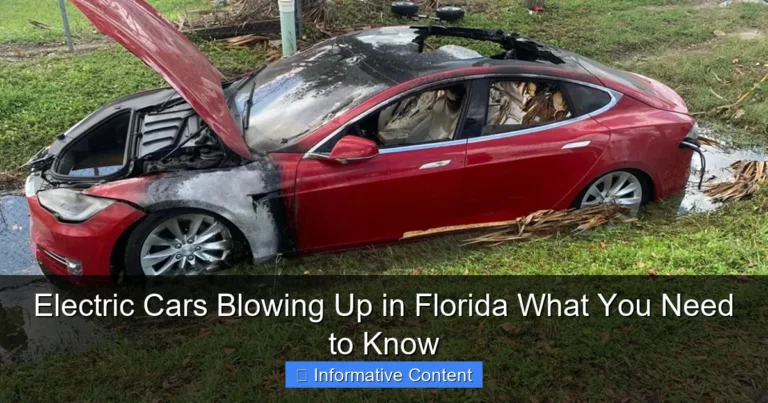
Florida’s average summer temperature hovers around 89°F (32°C), with humidity levels often exceeding 70%. While that’s great for beach days, it’s tough on your EV’s battery. Lithium-ion batteries—the heart of every electric car—are sensitive to extreme heat. Prolonged exposure to high temperatures can cause thermal stress, reducing battery efficiency and even triggering safety shutdowns.
Visual guide about electric cars not starting florida
Image source: motorbiscuit.com
Thermal Runaway and Battery Degradation
When your EV sits in a hot parking lot for hours, the battery’s internal temperature can rise rapidly. This is called thermal runaway, a condition where the battery generates more heat than it can dissipate. In severe cases, it can cause the battery to shut down entirely as a safety measure. For example, a Tesla Model 3 owner in Orlando reported his car wouldn’t start after being parked at a shopping mall for 4 hours on a 95°F day. The onboard diagnostics showed the battery had entered “thermal protection mode” and required cooling before restarting.
Over time, repeated exposure to heat accelerates battery degradation. A study by Geotab found that EVs driven in hot climates lose about 15% more battery capacity over 5 years than those in temperate zones. This means your once 250-mile range might drop to 200 miles—or worse, the car might not start at all if the battery is too weak to power the systems.
What You Can Do
- Park in the shade or a garage whenever possible. A covered parking spot can keep the cabin and battery 20-30°F cooler.
- Precondition your car while it’s still plugged in. Use your EV’s app to cool the cabin before you leave home. This reduces the load on the battery when you start driving.
- Use a sunshade even in a garage. It reflects heat and helps maintain a cooler interior.
- Monitor battery health through your car’s app or dealership. If capacity drops below 70%, consider a battery inspection.
Pro tip: If your car won’t start due to heat, wait 15-30 minutes in a cool area (like your home) and try again. Sometimes, the battery just needs time to cool down.
2. Water, Water Everywhere: Flooding, Rain, and Electrical Shorts
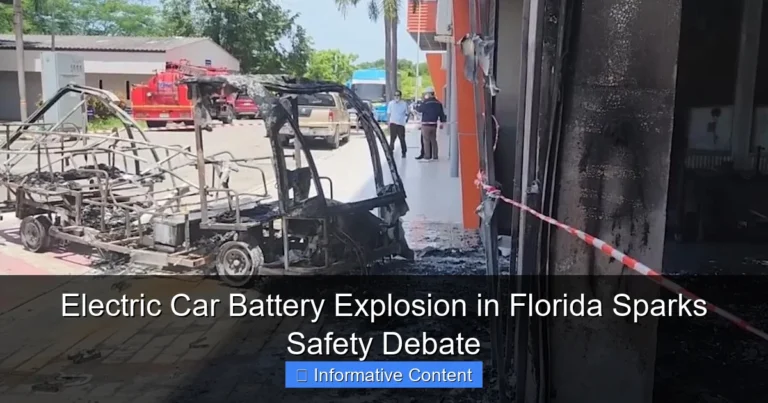
Florida is no stranger to heavy rains, hurricanes, and even king tides. While EVs are designed to be water-resistant (most have IP67 or IP68 ratings), prolonged submersion or driving through deep floodwaters can lead to electrical shorts, sensor failures, or corrosion. In 2022, Hurricane Ian left thousands of EVs inoperable due to water damage—some even caught fire after being submerged.
When Rain Becomes a Risk
Here’s the scary truth: EVs can be more dangerous in floods than gas cars. While gasoline engines might stall, EVs can develop hidden electrical faults. Water can seep into connectors, fuse boxes, or even the battery enclosure. A Nissan Leaf owner in Naples found his car wouldn’t start after driving through a 2-foot-deep puddle. The dealership later discovered water had shorted the 12V auxiliary battery, which powers the main systems.
Even without flooding, constant humidity and salt air (in coastal areas) can corrode electrical connections. A Chevrolet Bolt owner in Key West noticed intermittent starting issues. After a technician cleaned the battery terminals and high-voltage connectors, the problem disappeared.
How to Stay Safe and Dry
- Never drive through flooded streets. Just 12 inches of moving water can float most cars, including EVs. If you must drive in rain, stick to shallow puddles.
- Inspect seals and gaskets annually. Look for cracks or warping around doors, battery covers, and charging ports.
- Use a battery tender if your car sits for weeks. It keeps the 12V battery charged and prevents corrosion.
- After a storm, have your EV inspected by a certified technician. Water damage isn’t always visible.
Example: After Hurricane Nicole, a Florida Tesla Service Center saw a 300% increase in “no-start” cases. Most were traced to waterlogged charging ports or corroded 12V battery cables.
3. The 12V Battery: The Silent Culprit Behind “No-Start” Scenarios
Here’s a little-known fact: every electric car has a 12V battery—just like a gas-powered car. This small battery powers the dashboard, lights, infotainment, and the system that “wakes up” the main battery. If the 12V battery dies, your EV won’t start, even if the main battery is fully charged.
Why the 12V Battery Dies Faster in Florida
Heat is the enemy. The 12V battery is typically located in the cabin or under the hood, where temperatures can exceed 120°F in summer. A study by AAA found that car batteries in hot climates fail 30% faster than those in cooler areas. In Florida, a 12V battery might last 2-3 years instead of the typical 4-5 years.
Another issue: parasitic drain. Many EVs run background systems (like climate control, security, or software updates) even when parked. In hot weather, these systems work harder, draining the 12V battery faster. A Ford Mustang Mach-E owner in Miami reported his car wouldn’t start after being parked for 5 days. The 12V battery was completely dead, despite the main battery showing 80% charge.
How to Prevent and Fix 12V Battery Issues
- Check the 12V battery every 6 months. Most dealerships offer free voltage tests. A healthy battery reads 12.6V when off and 13.7-14.7V when charging.
- Replace the 12V battery proactively if it’s over 3 years old. Look for AGM (absorbent glass mat) batteries, which handle heat better.
- Use a smart charger if your car sits for long periods. It prevents parasitic drain.
- Jump-starting an EV is different from a gas car. Use the 12V terminals (usually under the hood) and follow the manual. Never connect to the high-voltage battery.
Tip: If your car won’t start, try a 12V jump first. It’s cheaper and faster than calling a tow truck.
4. Software Glitches and Connectivity Issues
Modern EVs rely heavily on software—and like any computer, they can crash. In Florida, where storms can knock out power and internet, software glitches are more common. A sudden power loss during a software update can “brick” your car, leaving it unresponsive.
Common Software-Related No-Start Causes
Over-the-air (OTA) update failures: If a storm cuts your Wi-Fi during an update, your EV might get stuck in a reboot loop. A Tesla Model Y owner in Tampa reported his car wouldn’t start after an update failed mid-download. A dealership had to manually reinstall the firmware.
App connectivity issues: Many EVs use apps for remote start, climate control, and diagnostics. In areas with poor cell service (like rural Florida), the car might not “wake up” from sleep mode. A Rivian R1T owner in the Everglades found his car wouldn’t start because the app couldn’t establish a connection.
Solutions for Software Problems
- Always complete updates on a strong Wi-Fi signal. Avoid public networks.
- Keep your car’s software up to date but wait 24 hours after a new release for bug fixes.
- Use the physical key card (if your car has one) as a backup. It works even if the app fails.
- Hard reset your EV if it’s unresponsive. For Teslas, press and hold both steering wheel buttons for 10 seconds. For others, check the manual.
Example: After Hurricane Ian, Ford issued a software patch to fix a bug where F-150 Lightnings wouldn’t start due to corrupted GPS data.
5. Charging Woes: When a “Fully Charged” Battery Isn’t Enough
You plug in your EV overnight, wake up to 100% charge… but it still won’t start. This frustrating scenario often points to charging-related issues, from faulty chargers to grid problems.
Why Charging Problems Lead to No-Start
Grid instability: Florida’s power grid is vulnerable to storms. A brownout or surge can damage your home charger or the car’s onboard charger. A BMW i4 owner in Fort Lauderdale found his car wouldn’t start after a lightning storm. The onboard charger had blown a fuse.
Charger compatibility: Not all public chargers work with all EVs. A Hyundai Kona Electric owner in Orlando tried three different fast chargers before finding one that worked. The others triggered a “charging fault” error, leaving the battery too low to start.
How to Avoid Charging-Related No-Starts
- Install a surge protector for your home charger. It costs $100-200 but saves thousands in repairs.
- Use Level 2 chargers (240V) at home. They’re more reliable than Level 1 (120V).
- Check charger ratings before using public stations. Look for “J1772” (for most EVs) or “CCS” (for fast charging).
- Keep a portable charger in your car. A 240V portable unit can give you a quick boost if stranded.
Tip: If your car won’t start, plug it in for 15 minutes. Sometimes, the main battery needs a “wake-up” charge from the 12V system.
6. When to Call a Pro: Recognizing Serious Issues
Not all no-start problems can be fixed with a jump or a reset. Some require a technician’s expertise. Here’s how to tell the difference.
Signs You Need Professional Help
Dashboard warnings: If you see “Service Vehicle Soon,” “Battery Fault,” or “Power Limited,” don’t ignore them. These indicate serious issues like a failing main battery or inverter.
Smell of burning plastic: This could mean an electrical short or battery overheating. Turn off the car immediately and call for help.
Repeated no-starts: If the problem happens more than once, it’s likely not a fluke. A Kia EV6 owner in Jacksonville had three no-start incidents in a month. The dealership found a faulty battery management system (BMS) module.
Choosing the Right Technician
- Go to a certified EV service center. Not all mechanics are trained on high-voltage systems.
- Ask for diagnostics before repairs. A proper scan can pinpoint the issue without guesswork.
- Check for recalls. Some no-start issues are covered under warranty. Tesla, for example, issued a recall for 2022-2023 Model 3s with faulty BMS software.
Data Table: Common No-Start Causes in Florida EVs
| Cause | Likelihood in Florida | Quick Fix | Professional Help Needed? |
|---|---|---|---|
| 12V battery failure | High (heat-related) | Jump-start or replace | Only if main battery is also affected |
| Thermal shutdown | Very High | Wait for cooling | If it happens repeatedly |
| Water damage | High (storms) | None (safety hazard) | Yes, immediately |
| Software glitch | Medium | Hard reset or update | If reset doesn’t work |
| Charging fault | Medium | Try a different charger | If onboard charger is damaged |
Conclusion: Stay Prepared, Stay Charged
Electric cars not starting in Florida isn’t a sign of poor design—it’s a reminder that EVs, like any technology, need care tailored to their environment. The state’s heat, storms, and unique driving conditions demand proactive maintenance and smart habits. By understanding the common causes—from heat stress to 12V battery failure—you can prevent most no-start issues before they happen.
Remember: your EV is a complex machine, but it’s not invincible. Park in the shade, check your batteries, avoid floods, and keep your software updated. And if the worst happens? Stay calm, try the simple fixes, and don’t hesitate to call a pro. With the right knowledge, you’ll spend less time troubleshooting and more time enjoying Florida’s open roads—in silence, and in style.
Frequently Asked Questions
Why do electric cars not starting in Florida during summer?
Extreme heat and humidity in Florida can degrade 12V auxiliary batteries (used to power systems) and strain thermal management. High temperatures may also trigger battery safety locks, preventing startup until cooled. Regular battery checks are essential.
Can Florida’s rainy weather cause electric cars not to start?
While EVs are waterproof, prolonged exposure to flooding or heavy rain can damage low-mounted 12V batteries or charging ports. Corrosion from salty coastal air may also disrupt electrical connections over time.
How does the 12V battery affect electric cars not starting in Florida?
Most “no start” issues in Florida EVs stem from a dead 12V battery, which powers the main computer and door locks. Heat accelerates battery wear, so replace it every 3-4 years to avoid failures.
What should I do if my electric car won’t start in Florida’s cold snaps?
Rare cold fronts can reduce lithium-ion battery efficiency. Precondition the car while charging (using grid power), and park in a garage when possible to retain heat. Keep the battery above 20% charge.
Are software glitches a common cause of electric cars not starting in Florida?
Yes, high temperatures can disrupt onboard computer systems. Restart the car or perform a soft reset (consult your manual). Ensure software is updated to patch known bugs.
How can I prevent my electric car from not starting in Florida’s climate?
Park in shaded areas, maintain the 12V battery, and use scheduled charging to avoid overheating. Regularly inspect seals and charging ports for water damage, especially after hurricanes or heavy storms.