Electric Cars on Fire Florida Safety Tips and Prevention Guide
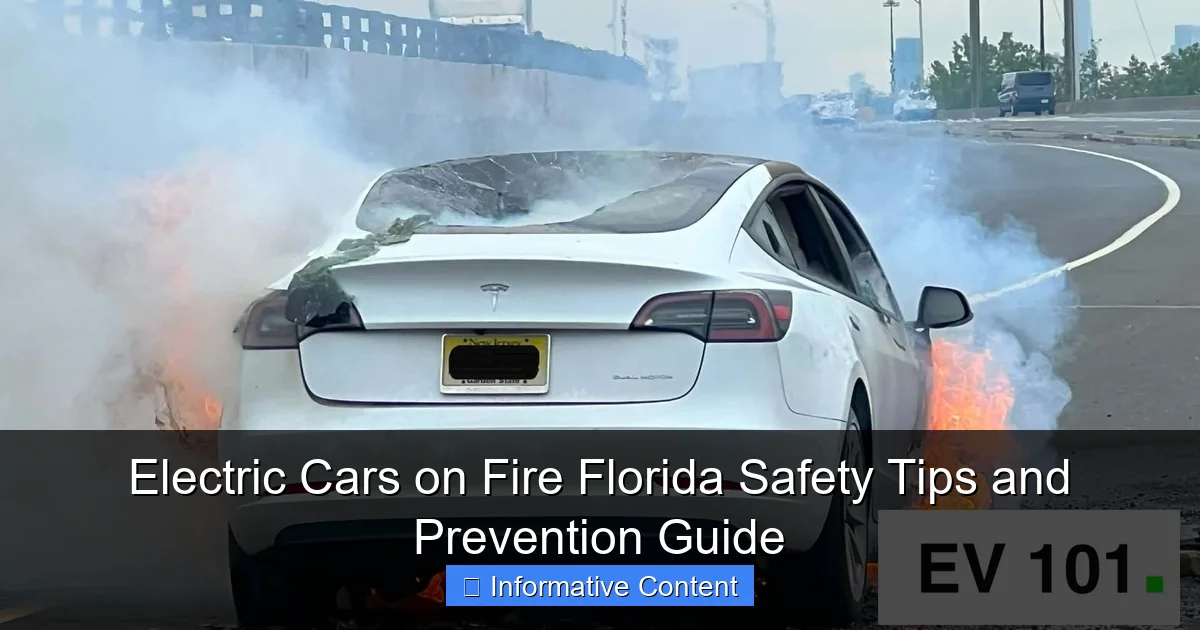
Featured image for electric cars on fire florida
Image source: cdn.motor1.com
Electric car fires in Florida are rare but demand urgent attention due to intense heat, toxic fumes, and prolonged burn times. High humidity, saltwater exposure, and hurricane-related flooding increase risks, making proactive battery inspections, proper charging habits, and post-storm safety checks essential to prevent thermal runaway and ensure EV safety in the Sunshine State.
Key Takeaways
- Park safely: Avoid enclosed spaces to reduce fire risks during charging.
- Use certified chargers: Always opt for manufacturer-approved charging equipment.
- Monitor battery health: Schedule regular checks to prevent thermal runaway.
- Act fast in emergencies: Evacuate and call 911 if smoke or fire occurs.
- Stay informed: Follow local Florida EV safety advisories and updates.
- Install fire blankets: Keep one nearby to smother small battery fires quickly.
📑 Table of Contents
- Understanding the Concern: Electric Cars and Fire Risks in Florida
- Why Florida’s Climate Increases the Risk of EV Fires
- How EV Fires Differ from Gasoline Car Fires (And Why It Matters)
- Top Causes of Electric Car Fires in Florida (And How to Avoid Them)
- Safety Tips for EV Owners in Florida
- Data and Statistics: The Real Risk of Electric Car Fires
- Conclusion: Stay Informed, Not Afraid
Understanding the Concern: Electric Cars and Fire Risks in Florida
Picture this: a sunny afternoon in Miami, the breeze off the Atlantic, and the hum of electric vehicles (EVs) gliding down the highway. It’s a scene that’s becoming more common as electric cars gain popularity across Florida. But in recent years, headlines about electric cars on fire in Florida have sparked concern among drivers, homeowners, and even first responders. These stories often go viral, leaving many wondering: Are EVs more likely to catch fire than gas-powered cars? And what should I do if I own one?
The truth is, while EV fires are rare, they do happen—and Florida’s unique climate, with its high humidity, salt air, and hurricane risks, can add extra challenges. Unlike traditional car fires, lithium-ion battery fires can burn hotter, longer, and require specialized firefighting techniques. But here’s the good news: with the right knowledge, preparation, and care, you can significantly reduce the risk. This guide isn’t about fear—it’s about empowerment. Whether you’re a current EV owner, considering a purchase, or just curious, we’ll walk through the facts, the real risks, and the practical steps you can take to stay safe.
Why Florida’s Climate Increases the Risk of EV Fires
Heat, Humidity, and Battery Stress
Florida isn’t called the Sunshine State for nothing. With average summer temperatures hovering around 90°F (32°C) and humidity often above 70%, EVs are constantly working in extreme conditions. Lithium-ion batteries, like those in Tesla, Rivian, and Hyundai models, are sensitive to heat. When batteries get too hot, a process called thermal runaway can begin—where the battery’s internal temperature rises uncontrollably, potentially leading to fire or explosion.
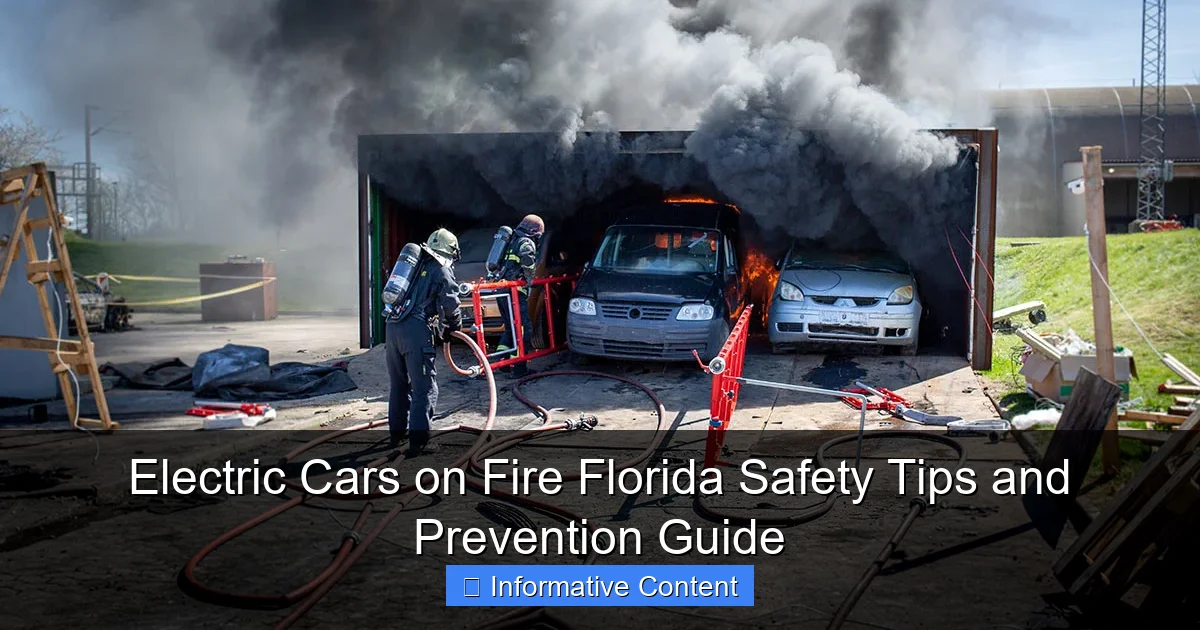
Visual guide about electric cars on fire florida
Image source: cfpa-e.eu
Think of it like an overheated phone. You’ve probably felt your phone get warm after streaming a video or gaming. Now imagine that same effect, but in a battery the size of a small car. In Florida’s heat, even parked EVs can experience battery stress, especially if left in direct sunlight with a high state of charge (e.g., 90–100%).
Hurricane Flooding and Water Damage
Here’s a lesser-known but serious risk: EVs on fire in Florida often make headlines after hurricanes or tropical storms. When EVs are submerged in floodwaters—especially saltwater—the battery pack can short-circuit. Unlike gasoline cars, which may stall or fail mechanically, a flooded EV can catch fire days or even weeks later due to corrosion inside the battery.
A real-world example: After Hurricane Ian in 2022, dozens of EVs caught fire in flooded garages and parking lots across Fort Myers and Naples. The National Transportation Safety Board (NTSB) later reported that saltwater intrusion into battery packs was a major cause. Even if the car appears undamaged, internal corrosion can trigger delayed fires.
Charging Infrastructure and Power Surges
Florida’s power grid is robust, but lightning storms and hurricanes can cause voltage spikes. If an EV is charging during a surge, the onboard charger or battery management system (BMS) could be damaged, increasing the risk of fire. While most modern EVs have surge protection, older models or poorly maintained chargers might not.
Practical Tip: Use a surge protector with your home Level 2 charger. It’s like a power strip for your EV, and it can save you from thousands in damage. Also, avoid charging during thunderstorms—just like you wouldn’t charge your phone in the rain.
How EV Fires Differ from Gasoline Car Fires (And Why It Matters)
Burning Longer and Hotter
Let’s clear up a myth: EVs are not more likely to catch fire than gas cars. In fact, data from the U.S. Fire Administration shows that internal combustion engine (ICE) vehicles are three times more likely to catch fire than EVs per 100,000 vehicles sold. But when an EV does catch fire, it’s different—and that’s what makes it scarier.
Gasoline fires typically burn at 1,500°F (815°C) and can be extinguished in minutes with water or foam. EV battery fires, on the other hand, can reach 2,000°F (1,100°C) and burn for hours—or even days. Why? The battery’s chemical reaction is self-sustaining. Even after the flames are out, the battery can reignite.
The Challenge of Firefighting
Firefighters in Florida and across the U.S. have had to adapt. Traditional tactics like dousing the car with water don’t always work. In fact, lithium-ion batteries can release flammable gases when damaged, which can explode if water is applied too quickly. Instead, modern protocols involve:
- Using high-volume water streams to cool the battery for 30+ minutes.
- Isolating the vehicle (e.g., moving it to a fireproof container).
- Monitoring for re-ignition for up to 48 hours.
<
<
A 2023 incident in Orlando highlighted this: a Tesla Model Y caught fire in a parking garage. Firefighters spent over two hours cooling the battery and had to keep a watch for 24 hours afterward. The garage had to be ventilated for toxic fumes.
Toxic Fumes and Air Quality
Another key difference: EV fires release different chemicals. When lithium-ion batteries burn, they emit hydrogen fluoride, a toxic gas that can irritate the eyes, skin, and lungs. In enclosed spaces (like garages), this is especially dangerous. Gasoline fires produce carbon monoxide and soot, but EV fires add a new layer of complexity.
Pro Tip: If you smell a sharp, metallic odor from your EV (like burnt plastic or chemicals), don’t ignore it. It could be a sign of battery damage. Pull over, turn off the car, and call for help.
Top Causes of Electric Car Fires in Florida (And How to Avoid Them)
1. Battery Damage from Collisions
The most common cause of EV fires is physical damage to the battery pack. In a crash, the battery’s protective casing can be punctured, leading to a short circuit. Florida’s high traffic density—especially in cities like Tampa and Fort Lauderdale—increases the risk.
Prevention Tip: Always get a post-accident battery inspection, even if the damage seems minor. Many dealerships and repair shops now offer EV-specific scans. For example, Tesla’s service centers use diagnostic tools to check for internal battery faults.
2. Overcharging or Faulty Chargers
Leaving your EV plugged in for days at 100% charge can stress the battery. While most EVs have built-in safeguards, older models or third-party chargers might not. A 2021 study found that 12% of EV fires started during charging, often due to charger malfunctions.
What You Can Do:
- Set your charging limit to 80–90% daily (use 100% only for road trips).
- Use manufacturer-recommended chargers (e.g., Tesla Wall Connector, ChargePoint Home).
- Install a smart charger that monitors voltage and temperature.
3. Aftermarket Modifications
Some EV owners try to “upgrade” their battery or charging system with DIY kits. This is risky. Aftermarket modifications can bypass safety features, leading to overheating. In 2022, a modified Nissan Leaf in Jacksonville caught fire after a home-built battery swap.
Rule of Thumb: Stick to OEM (original equipment manufacturer) parts. If you need upgrades, work with a certified EV technician.
4. Poor Maintenance and Aging Batteries
Like all batteries, EV batteries degrade over time. A 10-year-old battery with 150,000 miles might be more prone to thermal runaway. Florida’s heat speeds up this process.
Maintenance Checklist:
- Get annual battery health checks.
- Replace cooling system fluids (if applicable).
- Clean battery vents to prevent dust buildup.
5. Parking in Flood-Prone Areas
After a storm, avoid parking your EV in low-lying areas or near water. If your car gets flooded, do not drive or charge it. Call your insurance company and a certified EV mechanic. They can safely inspect the battery.
Safety Tips for EV Owners in Florida
Park Smart to Reduce Fire Risk
Where you park matters. Here’s how to minimize risk:
- Garages: If you have a garage, park your EV there—but install a smoke detector and carbon monoxide sensor. EV fires can start silently.
- Outdoor Parking: Use a car cover to reduce sun exposure. Park in shaded areas when possible.
- Flood Zones: Check FEMA flood maps. If you live in a high-risk area, consider a battery-powered sump pump for your garage.
Real Example: A Tesla owner in Key West avoided disaster by parking in a covered lot during Hurricane Idalia. The car stayed dry, and the battery remained intact.
Charge Safely and Responsibly
Charging is where many fires start. Follow these best practices:
- Charge during cooler hours (early morning or late evening).
- Use a Level 2 charger (240V) instead of a standard outlet (120V) for faster, more efficient charging.
- Never use damaged cables or extension cords.
- Monitor charging via your car’s app. If the car stops charging unexpectedly, investigate.
Bonus Tip: Some Florida utilities (like FPL) offer off-peak charging discounts. Charge between 10 p.m. and 6 a.m. to save money and reduce grid stress.
Prepare an Emergency Kit
Every EV owner should have a fire safety kit in their trunk:
- Fire extinguisher rated for electrical fires (Class C).
- Flashlight and gloves.
- Emergency contact list (include your EV manufacturer’s roadside assistance).
- Portable power bank for your phone.
Note: Never try to fight a large battery fire yourself. Call 911 immediately.
Know What to Do If Your EV Catches Fire
If you’re driving and notice smoke or flames:
- Pull over safely and turn off the car.
- Evacuate and stay at least 100 feet away.
- Call 911 and tell them it’s an electric car fire (this alerts firefighters to use the right tactics).
- Do not re-enter the vehicle.
Remember: EV fires can reignite. Even after firefighters leave, keep an eye on the car for 24–48 hours.
Data and Statistics: The Real Risk of Electric Car Fires
Let’s look at the numbers to separate fact from fear. While electric cars on fire in Florida make headlines, the actual risk is low. Here’s a breakdown:
| Vehicle Type | Fires per 100,000 Vehicles (U.S. Average) | Florida-Specific Risk Factors |
|---|---|---|
| Gasoline Cars | 1,530 | High traffic, older vehicle fleet |
| Hybrid Cars | 3,475 | Dual fuel systems add complexity |
| Electric Cars | 25 | Heat, humidity, flooding |
Source: National Fire Protection Association (NFPA), 2023; Florida Highway Safety and Motor Vehicles (FHSMV)
Key takeaways:
- EVs are 60 times less likely to catch fire than gas cars.
- Most EV fires in Florida occur after flooding or collisions, not spontaneous combustion.
- The risk of fire increases with battery age and poor maintenance.
But here’s the catch: EV adoption is growing fast. In 2023, over 150,000 EVs were registered in Florida—a 40% increase from 2022. As more EVs hit the roads, the total number of fires will rise, even if the rate stays low. That’s why proactive safety matters.
Conclusion: Stay Informed, Not Afraid
So, should you worry about electric cars on fire in Florida? The short answer: not more than you worry about gas cars catching fire—but you should be informed. EVs are safer overall, but their unique risks require unique precautions. Florida’s heat, storms, and salt air mean you can’t treat an EV like a regular car.
The good news? Most risks are avoidable. Park smart. Charge safely. Maintain your battery. And if you live in a flood zone, take extra steps. By understanding how EV fires start—and how to stop them—you’re not just protecting your car. You’re protecting your family, your home, and your community.
Think of it like sunscreen. You don’t avoid the beach because you might get burned. You use sunscreen, wear a hat, and stay hydrated. EVs are the same. With a little knowledge, they’re a clean, efficient, and safe way to enjoy Florida’s beautiful roads—without the fear of fire.
Stay curious. Stay prepared. And keep driving electric.
Frequently Asked Questions
Why are there reports of electric cars on fire in Florida?
Florida’s hot, humid climate and frequent exposure to saltwater can accelerate battery degradation in electric vehicles, increasing fire risks. While EV fires are statistically rare, environmental stressors in the state may contribute to isolated incidents.
How can I prevent my electric car from catching fire in Florida?
Regularly inspect your EV’s battery and charging system, especially after exposure to flooding or extreme heat. Avoid leaving your vehicle plugged in unattended for extended periods, and use manufacturer-approved charging equipment to minimize risks.
Are electric cars more prone to fires than gas vehicles in Florida?
No, data shows EVs are less likely to catch fire than gasoline-powered cars, but their lithium-ion batteries require unique safety considerations. Florida’s unique conditions mean EV owners should follow specific maintenance guidelines to mitigate risks.
What should I do if my electric car catches fire in Florida?
Exit the vehicle immediately and call 911—EV fires require special firefighting techniques due to battery chemistry. Keep a safe distance, as thermal runaway can reignite the battery even after initial flames are extinguished.
Can Florida’s hurricanes increase electric car fire risks?
Yes, floodwater exposure during storms can damage EV batteries and electrical systems, potentially causing fires. If your car has been submerged, have it inspected by a certified technician before charging or driving.
Are there special insurance considerations for electric cars on fire in Florida?
Most standard EV insurance policies cover fire damage, but confirm your plan includes battery-specific protection. Some insurers offer flood damage add-ons, which are valuable given Florida’s high-risk weather patterns.