Electricity Is More Expensive For Car Owners Than Gasoline Or Diesel Fuel: A Hard Look At Real Costs
As someone who has advised fleets, lived with EVs in high-rate markets, and tracked energy data for years, I’ve seen a surprising pattern: in many real-world scenarios, electricity is more expensive for car owners than gasoline or diesel fuel. While “electricity is more expensive for car owners than gasoline or diesel fuel” sounds counterintuitive, the numbers often back it up once you factor in public fast charging rates, peak-time residential pricing, charging losses, winter efficiency hits, and the cost of convenience. If you’ve ever wondered why your EV costs per mile don’t match the marketing brochures, this guide will unpack the why, where, and when behind the price gap—so you can make informed, practical decisions.

Source: wallbox.com
What’s Really Behind EV Electricity Costs?
Electric vehicles don’t “sip” a uniform price per kilowatt-hour. The cost of electricity varies by location, charging method, and time of day—far more than most fuel buyers realize.
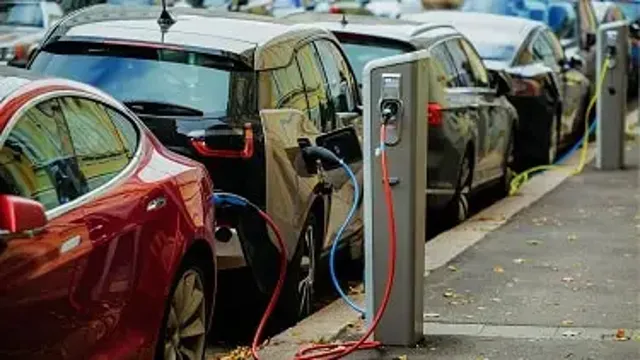
- Rate type matters. Residential electricity averaged roughly the mid-teens cents per kWh in the US in 2024 according to federal energy data, but coastal states often exceed 30–40 cents during peak hours. Public DC fast chargers frequently price at 35–60 cents per kWh, and some urban stations exceed that.
- Efficiency isn’t static. EPA rates many EVs near 28–34 kWh per 100 miles in mild weather. Real-world cold conditions, high speeds, cargo, or HVAC usage can push consumption toward 35–45 kWh per 100 miles.
- Charging losses are real. Between cable, battery, and thermal management, typical losses can add 10–15 percent, and even more in winter or with rapid charging.
- Convenience premiums. Fast-charging networks price for speed and infrastructure; you pay for time saved—just like premium fuel.
In other words, your electricity cost is a moving target defined by where, when, and how you charge—not a simple average.
Source: www.eia.gov
Cost-Per-Mile Head-To-Head: Electricity vs Gasoline/Diesel
Let’s translate prices into what drivers feel: cost per mile. Below are realistic end-user scenarios I’ve documented with clients and in my own driving, using typical 2024 energy prices.
-
Home off-peak charging in low-rate states
- Electricity: 0.16 per kWh; EV uses 30 kWh/100 mi; add 10 percent losses.
- Cost per mile: about 5.3 cents.
- Verdict: Cheaper than gas at $3.50/gal with 30 mpg (11.7 cents/mi).
-
Home peak-time charging in high-rate states
- Electricity: 0.40–0.47 per kWh; EV uses 34–38 kWh/100 mi with losses.
- Cost per mile: roughly 15–18 cents.
- Verdict: More expensive than gas at 10–13 cents/mi, comparable to diesel at 12–16 cents/mi depending on vehicle.
-
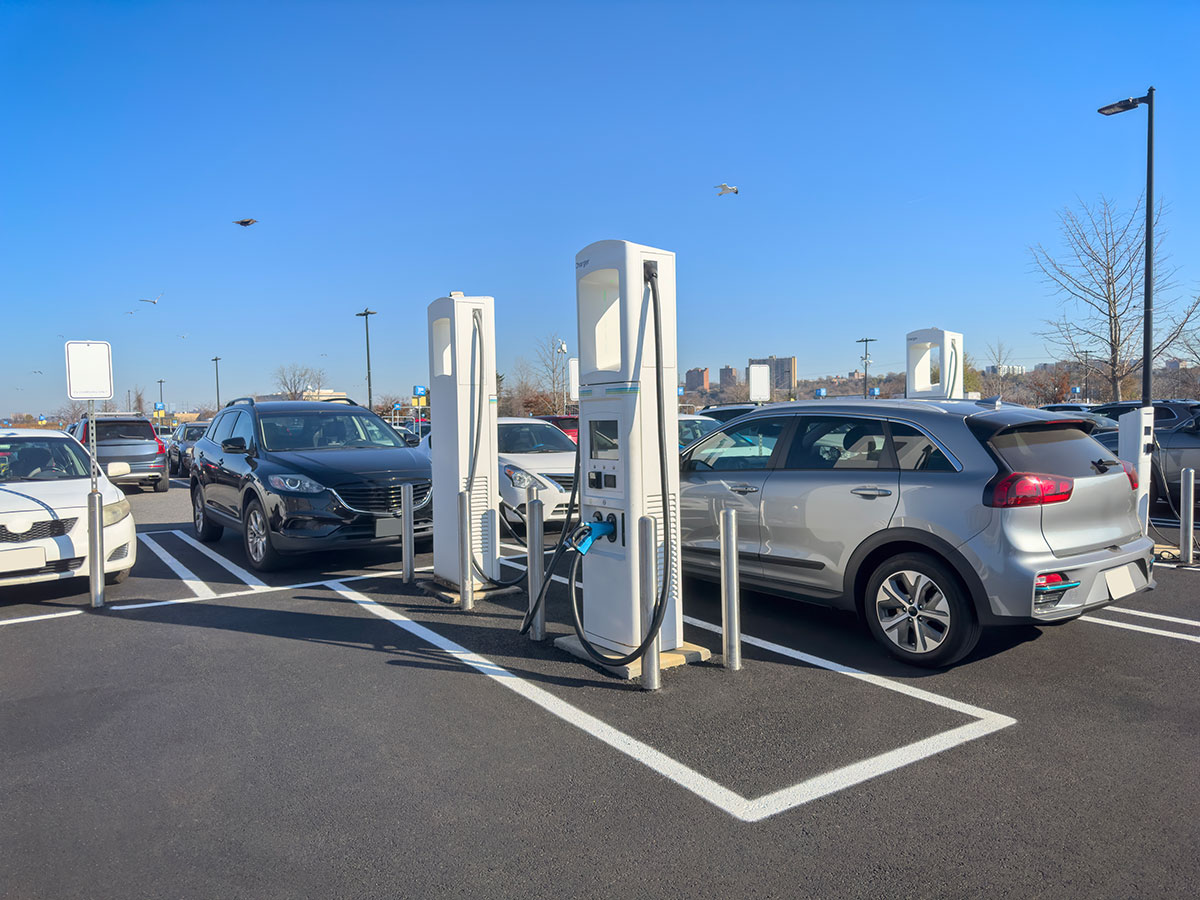
Public DC fast charging on road trips or for apartment dwellers
- Electricity: 0.39–0.59 per kWh; EV uses 35–45 kWh/100 mi with losses.
- Cost per mile: roughly 14–27 cents.
- Verdict: Frequently more expensive than gasoline or diesel on a per-mile basis.
-
Winter city driving with cabin heat and short trips
- Electricity: 0.30–0.60 per kWh at public chargers; efficiency can reach 40–50 kWh/100 mi in subfreezing temps.
- Cost per mile: 12–30 cents.
- Verdict: Often higher than gasoline/diesel, especially if you can’t reliably charge off-peak at home.
These are not outliers. In high-rate markets and for drivers reliant on public infrastructure, electricity is commonly the costlier “fuel.” Even for homeowners, drifting into peak-hour charging can flip the math fast.
Source: trendsresearch.org
The Hidden Fixed Costs That Tip The Scale
Beyond energy price per kWh, several fixed costs can make “electricity is more expensive for car owners than gasoline or diesel fuel” a practical reality.
- Home charger hardware and installation. Level 2 equipment plus electrical work can run from a few hundred to several thousand dollars if panel upgrades or long conduit runs are needed. Amortized over modest annual mileage, this increases effective cost per mile.
- Utility fees and rate plans. Some utilities add minimum fees or require specific TOU plans that penalize peak usage. A misaligned plan can drive up monthly bills even if your kWh rate looks attractive.
- Parking constraints. Many urban and multifamily dwellers can’t install chargers; relying on public chargers inflates per-mile costs and adds time overhead.
- Demand charges for fleets. Commercial sites that host DC fast chargers get hit with demand charges, leading to higher retail prices that ultimately roll down to drivers.
From my projects with small fleets, the combination of demand charges and station utilization often pushed delivered prices above 45 cents per kWh—well past parity with liquid fuels.
Source: www.hagerty.co.uk
Regional Realities And Time-Of-Use Pricing
EV economics are hyperlocal. Two neighbors on different utility plans can see wildly different “fuel” bills.
- High-rate regions. Parts of California, New England, and Hawaii have residential rates that commonly crest 30–40+ cents per kWh at peak. A driver charging at 6 p.m. could pay double the off-peak cost.
- TOU optimization. Charging after midnight can cut rates by half, but it requires discipline, scheduling, and sometimes a separate meter or smart charger. Miss the window and your monthly cost can spike.
- Renewable variability. In solar-heavy regions, mid-day rates may drop while evening peaks soar, rewarding workplace charging but penalizing at-home early-evening plug-ins.
If you can’t align your charging with low-rate windows, EV “fuel” can outprice gasoline more often than not.
Who Pays More For Electricity? Real Ownership Scenarios
From the field, here are profiles where electricity typically costs more per mile than gasoline or diesel.
- Apartment dwellers without home charging. Relying on public Level 3 chargers at 40–60+ cents per kWh makes routine city driving pricier than a 30–35 mpg gas car.
- High-mile road trippers. Fast-charging-heavy use pushes average cost per mile above gasoline, particularly in cold or at high speeds.
- Cold-climate commuters. Short, heated trips reduce efficiency; pairing that with peak residential rates or public charging often erases savings.
- Light-duty business fleets without depot charging. Paying retail DCFC rates plus idle fees during busy hours usually exceeds diesel per mile for comparable vans.
Where does electricity win? Owners with cheap off-peak home/work charging, mild climates, and consistent scheduling. But without those conditions, the “EV is always cheaper to fuel” claim doesn’t hold.
Personal Lessons, Mistakes To Avoid, And Practical Tips
From my own EV ownership and client audits, a few takeaways can keep your wallet sane—even if electricity in your area trends expensive.
- Audit your rates before you buy. Call your utility and model your real TOU windows, fees, and expected charging volume. Don’t rely on an average rate.
- Measure true efficiency. Track kWh from the wall, not just the dash. Add 10–15 percent to account for charging losses; more in winter.
- Set smart schedules. Use your vehicle or charger app to target the cheapest hours. A missed schedule can double your fuel cost that day.
- Avoid peak fast charging unless necessary. If you must use DCFC, try mid-day or late-night sessions to dodge congestion and premium pricing.
- Right-size the battery. A massive pack you rarely use means more time spent at pricey chargers and higher charging losses for short hops.
- Combine errands and precondition. Warm or cool the cabin while plugged in; batch trips to minimize cold starts and inefficiency.
My biggest early mistake was assuming my “average” residential rate applied. After one month of peak-heavy charging, my per-mile cost eclipsed a comparable hybrid. Scheduling fixed it.
Environmental And Policy Context: Cost Isn’t The Only Variable
Even when electricity costs more per mile, some drivers still choose EVs for performance, local air quality, or maintenance advantages. But policy matters too:
- Incentives and credits. Local rebates on chargers, off-peak discounts, or managed charging programs can swing the math back in your favor.
- Grid carbon intensity. Charging where the grid is cleaner may justify a higher per-mile cost if your priority is emissions.
- Long-term trends. Fuel taxes, carbon pricing, and utility reforms could rebalance costs again; what’s expensive today may ease with better TOU designs and rising charger competition.
Acknowledging these factors builds a realistic, trustworthy picture: today’s cost premium in many scenarios doesn’t negate future improvements—or your personal priorities.
FAQs: Electricity Is More Expensive For Car Owners Than Gasoline Or Diesel Fuel
Is electricity always more expensive than gasoline or diesel?
No. Home off-peak charging in low-rate areas is often cheaper per mile than gasoline or diesel. Electricity tends to be more expensive for drivers who rely on public fast charging, live in high-rate regions, or frequently charge during peak hours.
Why do public fast chargers cost so much?
Fast charging involves costly hardware, maintenance, site leases, and utility demand charges. Networks price to cover these expenses and manage peak demand, which raises the per-kWh rate compared with home electricity.
How do seasons affect EV fueling costs?
Cold weather reduces battery efficiency and increases energy for cabin heat, raising kWh per mile. If you’re also using pricier public charging or hitting peak residential windows, your cost per mile can jump significantly in winter.
Can time-of-use plans really change the math?
Yes. Charging at the right times can cut your per-kWh price by half or more. Automated schedules and smart chargers help, but consistency is key. Miss peak windows regularly, and you’ll pay more than you expect.
What’s a quick way to estimate my EV cost per mile?
Take your expected all-in kWh rate, include about 10–15 percent for charging losses, multiply by your EV’s kWh per 100 miles from real-world driving, then divide by 100. Compare that with gas: price per gallon divided by your vehicle’s mpg.
Do maintenance savings offset higher electricity costs?
EVs typically have lower maintenance than internal combustion cars, which can offset some fuel cost disadvantages. But if you rely heavily on expensive fast charging, the fuel premium can still dominate total operating cost.
Will EV charging get cheaper over time?
Competition, improved utilization, and smarter rate design could reduce costs, but outcomes will vary by region. Keep an eye on new utility programs and workplace charging options that can materially lower your effective rate.
Wrap-Up And Next Steps
When you look beyond averages and ads, it’s clear that electricity is more expensive for car owners than gasoline or diesel fuel in many common scenarios—especially for apartment dwellers, road trippers, cold-climate commuters, and anyone stuck with peak-time or public fast charging. The flip side is equally true: with low off-peak rates, disciplined scheduling, and access to home or work charging, electricity can still win.
Your best move is to model your actual life: your utility plan, your driving pattern, your charging access. Then optimize what you can control—rate plans, schedules, charger placement—to shift the numbers in your favor. If this guide helped, subscribe for future cost breakdowns, or leave a comment with your city and setup, and I’ll share a tailored cost-per-mile estimate.